SPUR's Sept. 22 report warns that if two November ballot measures fail, cuts to BART, Caltrain, Muni and AC Transit could push many commuters into cars and roughly double delays at major Bay Area bottlenecks. The analysis projects an extra 498 million vehicle miles annually — equal to about 68,200 more cars on the road — and 184,000 metric tons more CO2. It also estimates an average added cost of $3,280 per rider who switches to driving and that nearly 430,000 people could lose access to nearby stations.
SPUR Warns Bay Area Commutes Could Double If Transit Funding Measures Fail
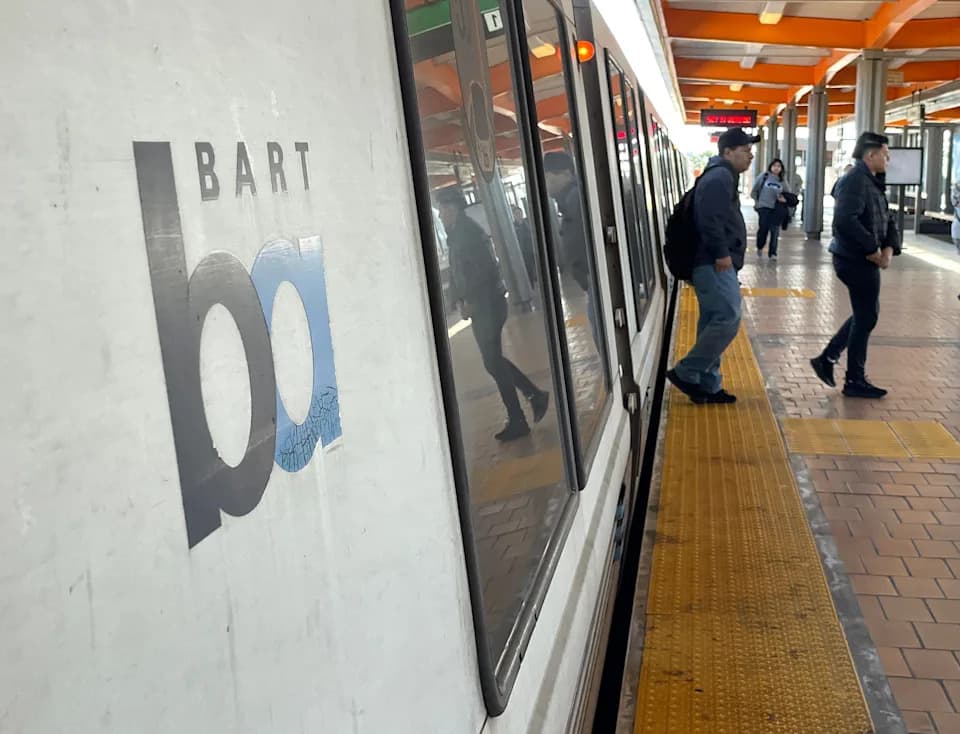
Bay Area Rapid Transit (BART) passengers walk off a train at the Richmond station on March 15, 2023 in Richmond, California.
The San Francisco Bay Area Planning and Urban Research Association (SPUR) warned on Sept. 22 that commutes for many Bay Area residents — especially those who cross the Bay Bridge — could nearly double if the region's largest transit agencies fail to secure new funding and enter what the report calls a "fiscal death spiral."
What SPUR Modeled
SPUR modeled the traffic, economic and equity consequences if two November ballot measures do not pass and major operators cut service: Bay Area Rapid Transit (BART), Caltrain, San Francisco Municipal Railway (Muni) and Alameda-Contra Costa Transit District (AC Transit). The measures are:
Regional Transit Measure — a five-county tax expected to raise about $1 billion a year for 14 years; and Proposition H (Prop H) — a San Francisco property tax expected to raise about $177 million a year for 15 years. If both pass, SPUR says they would address a substantial share of the shortfalls facing the region's core transit systems.
Projected Impacts If Measures Fail
SPUR found that significant service cuts would push many riders into cars, aggravating congestion at major highway bottlenecks — including the Bay Bridge, the Caldecott Tunnel and stretches of I-580, I-680, I-880, State Route 4 and U.S. 101.
"The impacts would be dramatic. Reduced transit service would push more people into cars, worsening congestion on already-strained highways and increasing travel distances, parking demand, driving costs, and greenhouse gas emissions."
Key modeled impacts include:
- About 498 million additional vehicle miles traveled per year — roughly equivalent to adding 68,200 cars to Bay Area roads.
- An increase of roughly 184,000 metric tons of CO2 annually.
- Average delays at major bottlenecks roughly doubling; drivers on I-680 could see an extra 15–20 minutes during peak commutes.
- Some transit riders potentially needing to drive an average of 10 extra miles each way to reach an open station.
- An estimated average added cost of $3,280 per year for a typical transit rider who shifts to driving.
- Nearly 430,000 people living near BART or Caltrain stations could lose access to their closest stations, with low-income communities disproportionately affected.
Responses
San Francisco Mayor Daniel Lurie echoed SPUR's conclusions and reiterated his support for Prop H and the Regional Transit Measure, saying the findings "confirm what we all know: we have to pass Prop H and the Regional Transit Measure." He called the measures "essential to our economic recovery," warning that increased traffic would mean longer commutes and higher costs for families.
Opponents argue SPUR did not explore every alternative. Gregg Dieguez, president of the Committee for Affordable Bay Area Transit, told NBC Bay Area that the group wants operational fixes and reallocations before asking residents for more revenue. "Before asking Bay Area residents for another $1.2 billion a year, the transit establishment should demonstrate that it has considered the full range of lower-cost transportation revenue and network design alternatives," Dieguez said.
Why This Matters
Beyond delays and higher household costs, SPUR's analysis highlights equity and environmental consequences: service cuts would worsen access for transit-dependent communities and increase greenhouse gas emissions at a time when transportation remains the region's largest source of CO2.
Reporting: Noe Padilla, Northern California reporter for USA TODAY. Contact: [email protected]. Follow: X @1NoePadilla or Bluesky @noepadilla.bsky.social.
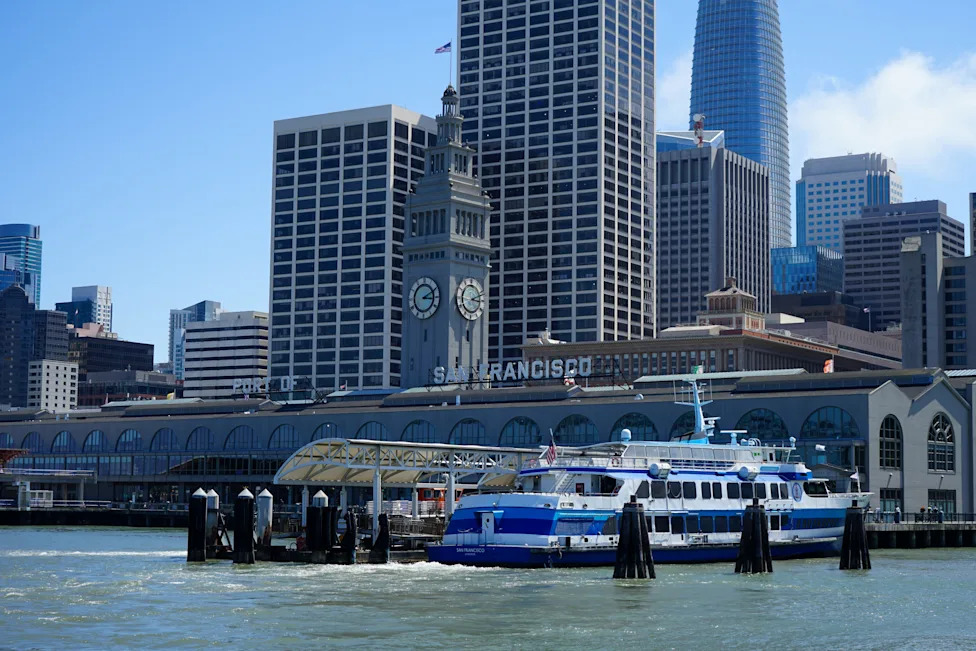
A ferry docks at the Port of San Francisco, on Friday, May 22, 2026, in San Francisco, CA.(Noe Padilla / USATODAY)
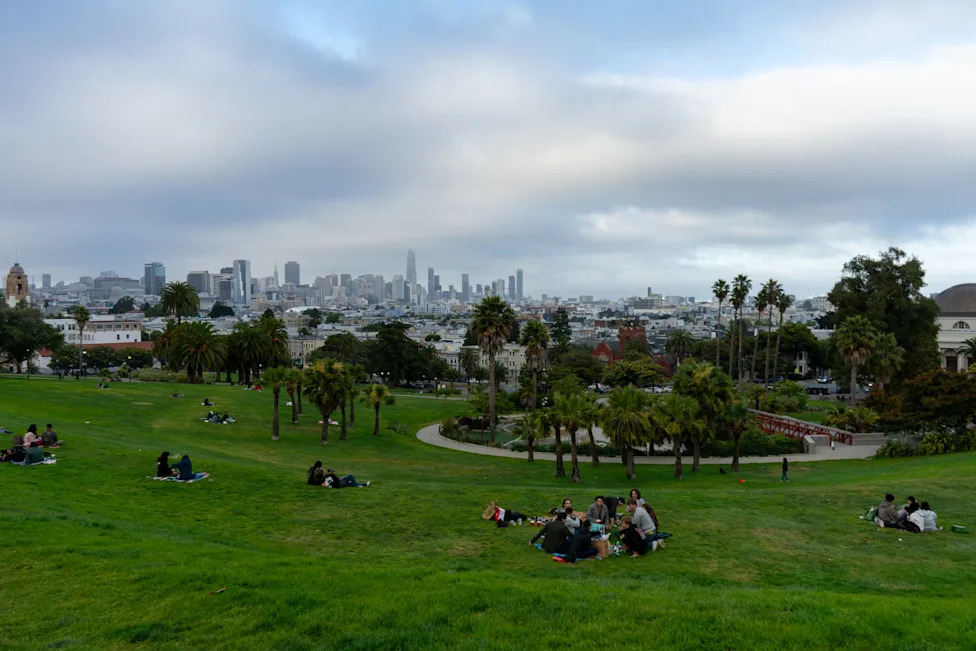
A view of San Francisco from Mission Dolores Park on Friday, May 22, 2026, in San Francisco, CA.(Noe Padilla / USATODAY)
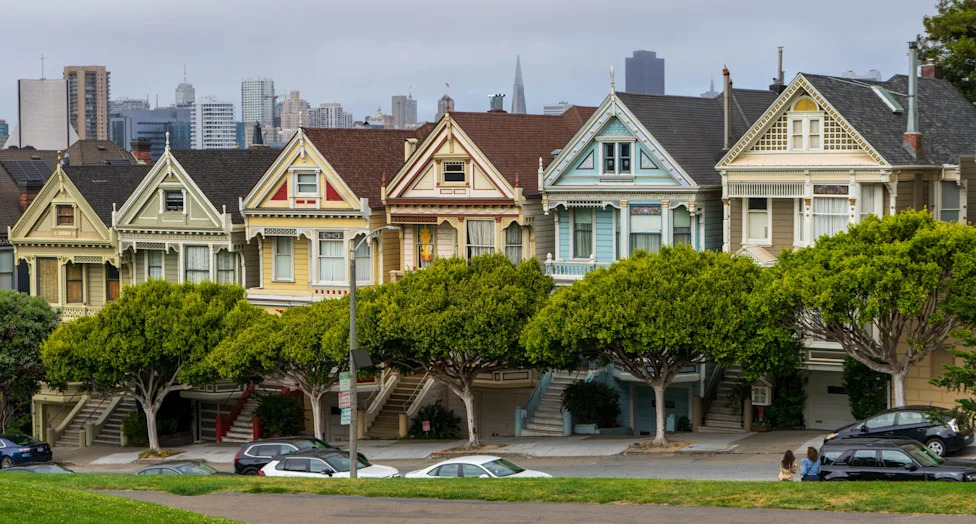
A view of the Painted Ladies houses on Friday, May 22, 2026, in San Francisco, CA.(Noe Padilla / USATODAY)
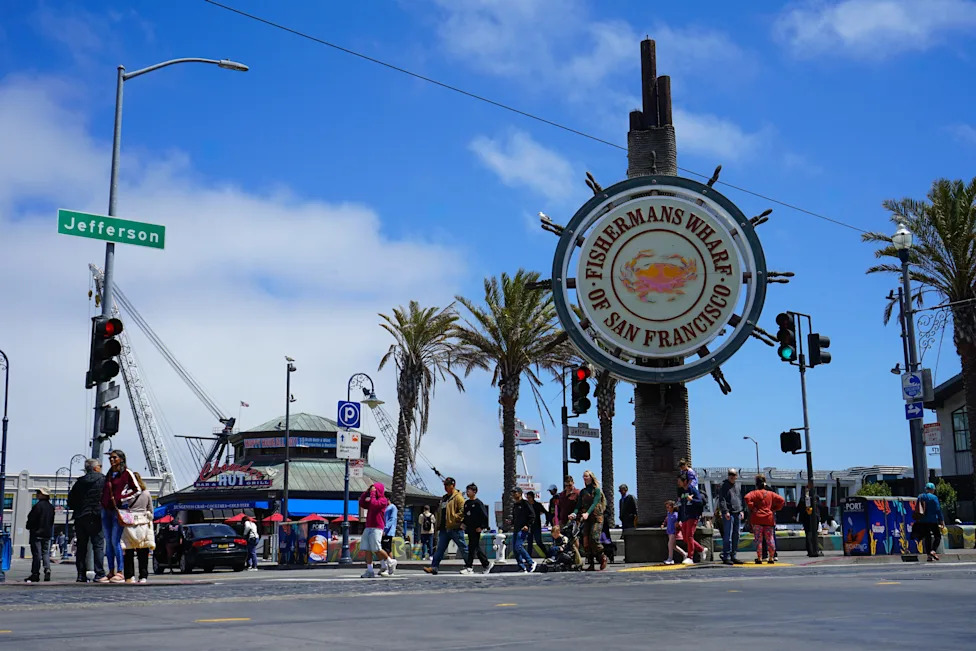
People walk across the street at Fisherman's Wharf on Friday, May 22, 2026, in San Francisco, CA.(Noe Padilla / USATODAY)
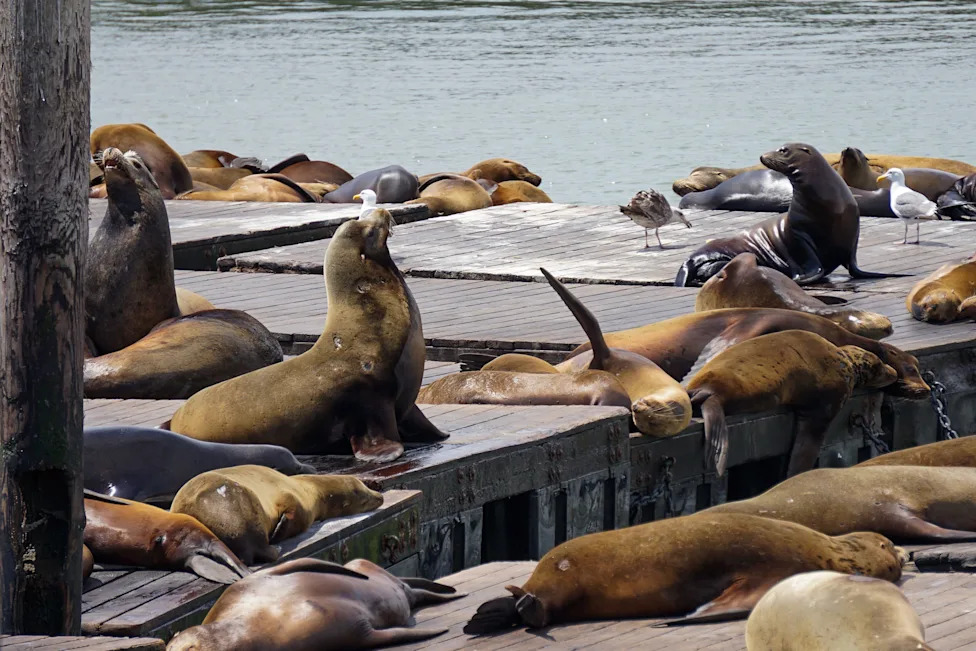
Sea lions relaxing on docks near Pier 39 in Fisherman's Wharf, on Friday, May 22, 2026, in San Francisco, CA.(Noe Padilla / USATODAY)
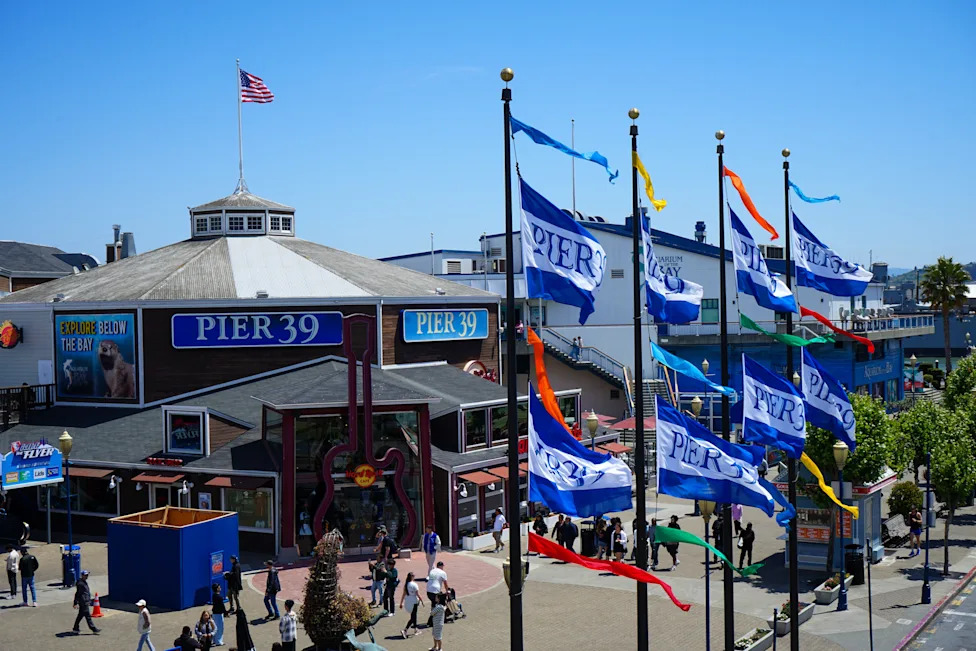
A view of the entrance of Pier 39 on Friday, May 22, 2026, in San Francisco, CA.(Noe Padilla / USATODAY)
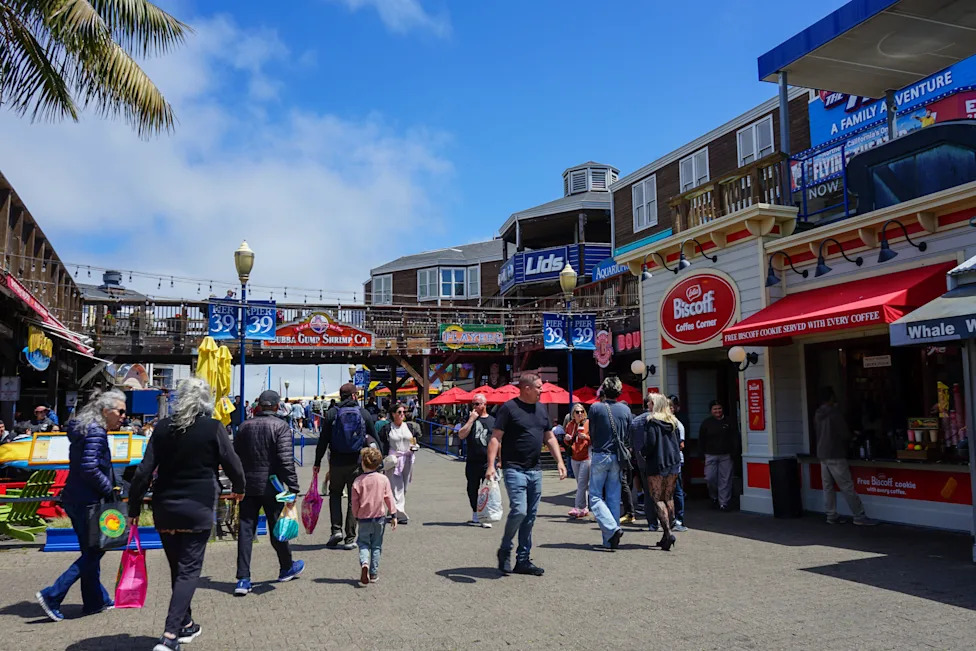
People walk around the Pier 39 shopping center on Friday, May 22, 2026, in San Francisco, CA.(Noe Padilla / USATODAY)
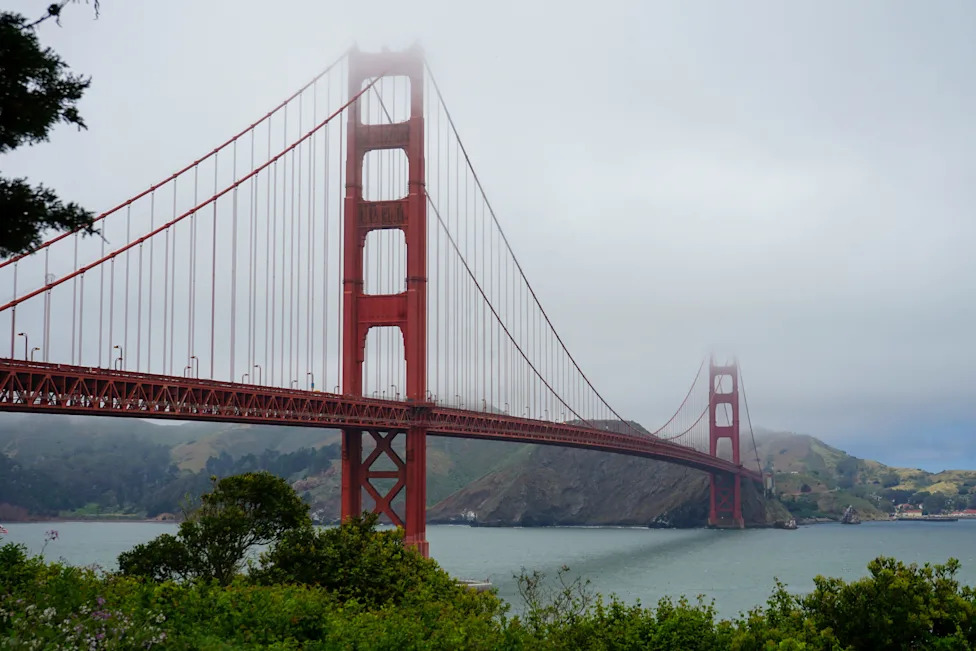
A view of the Golden Gate Bridge on Friday, May 22, 2026, in San Francisco, CA.(Noe Padilla / USATODAY)
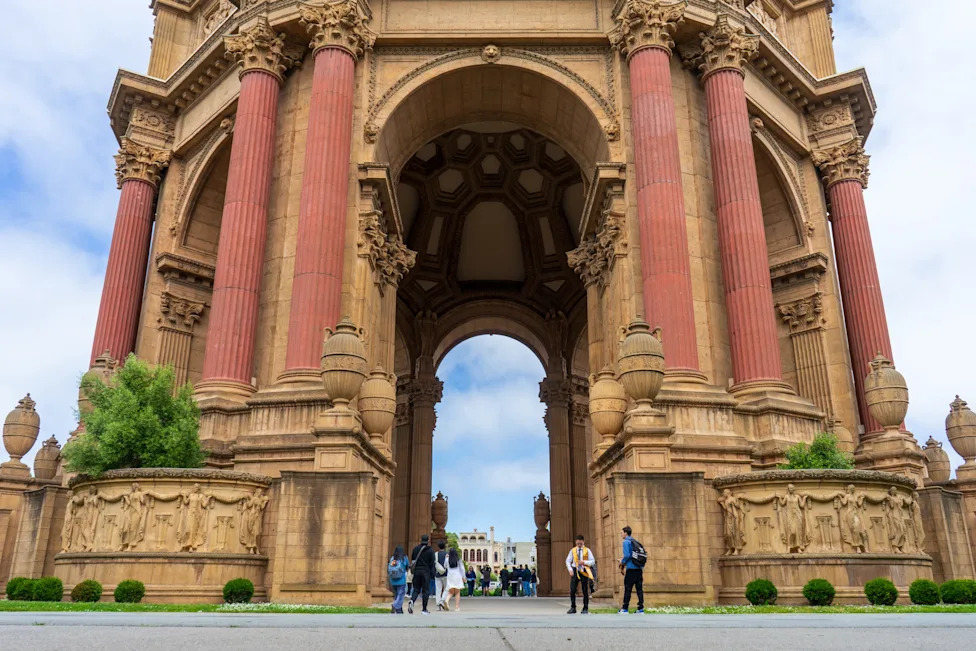
A recent college graduate is preparing to take photos in front of the Palace of Fine Arts, on Friday, May 22, 2026, in San Francisco, CA.(Noe Padilla / USATODAY)
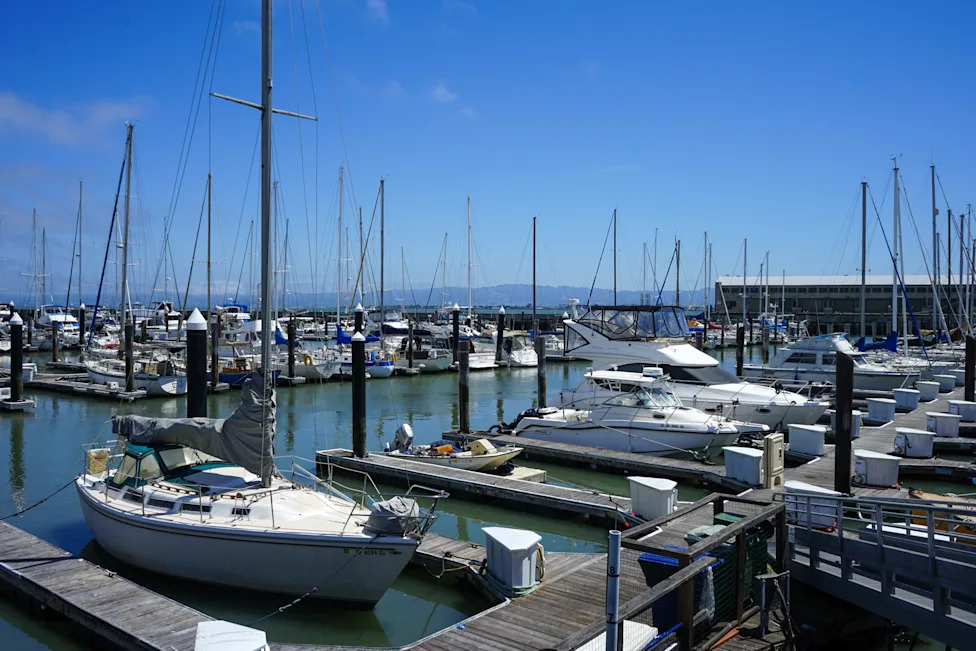
Boats docked along Pier 39 on Friday, May 22, 2026, in San Francisco, CA.(Noe Padilla / USATODAY)
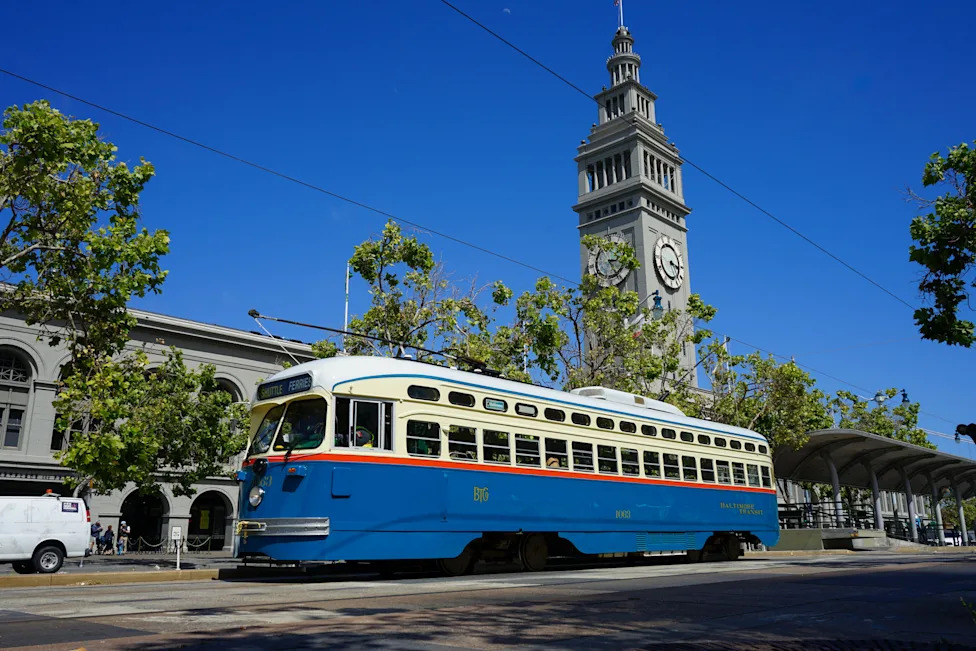
A trolley moves past the Ferry Building on Friday, May 22, 2026, in San Francisco, CA.(Noe Padilla / USATODAY)
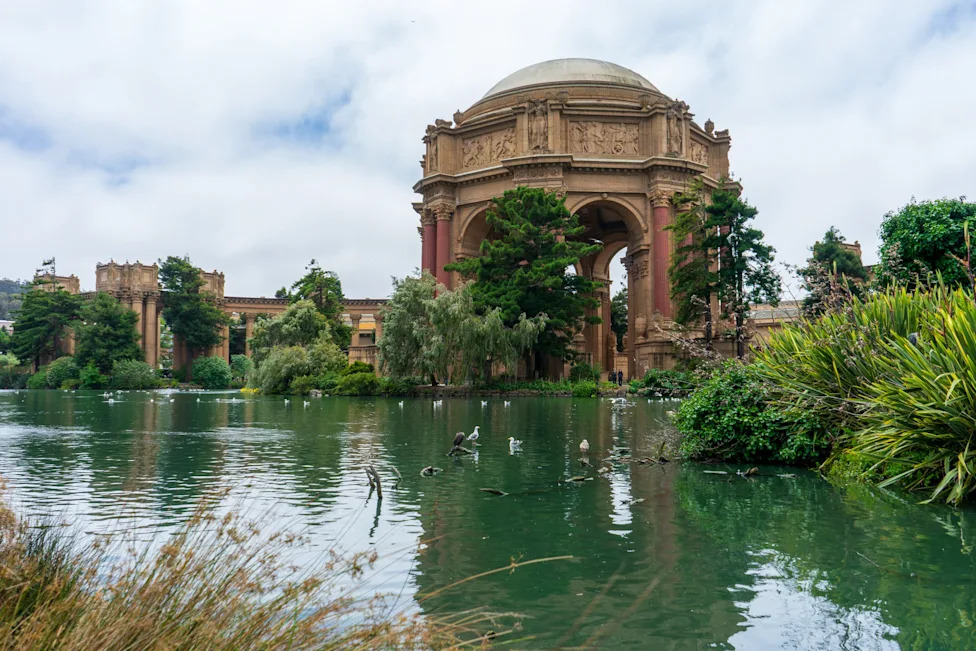
A view of the Palace of Fine Arts, on Friday, May 22, 2026, in San Francisco, CA.(Noe Padilla / USATODAY)
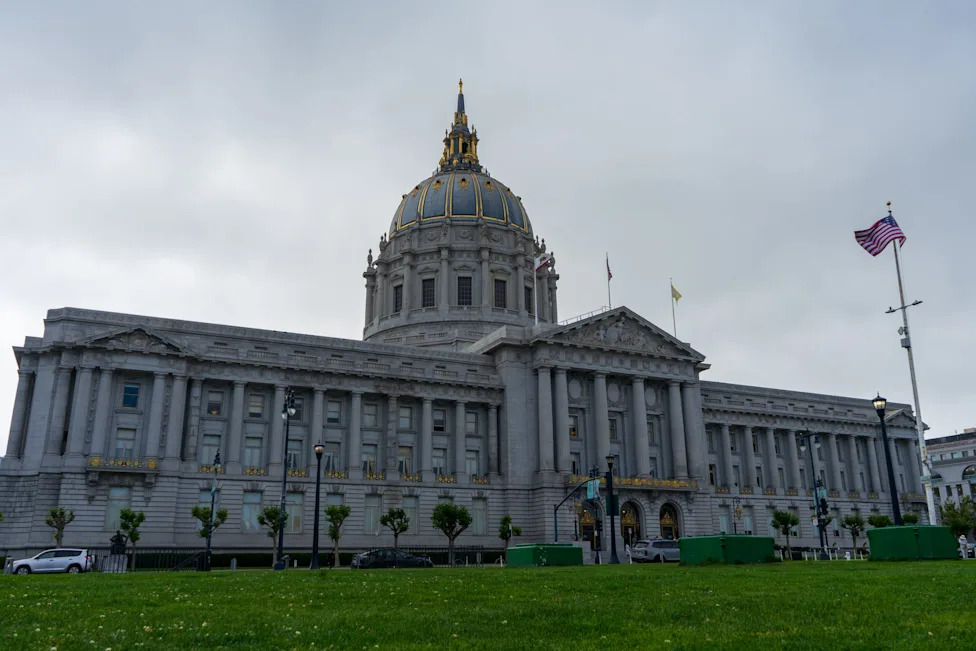
A view of San Francisco's City Hall, located at 1 Dr Carlton B Goodlett Place, on Friday, May 22, 2026, in San Francisco, CA.(Noe Padilla / USATODAY)
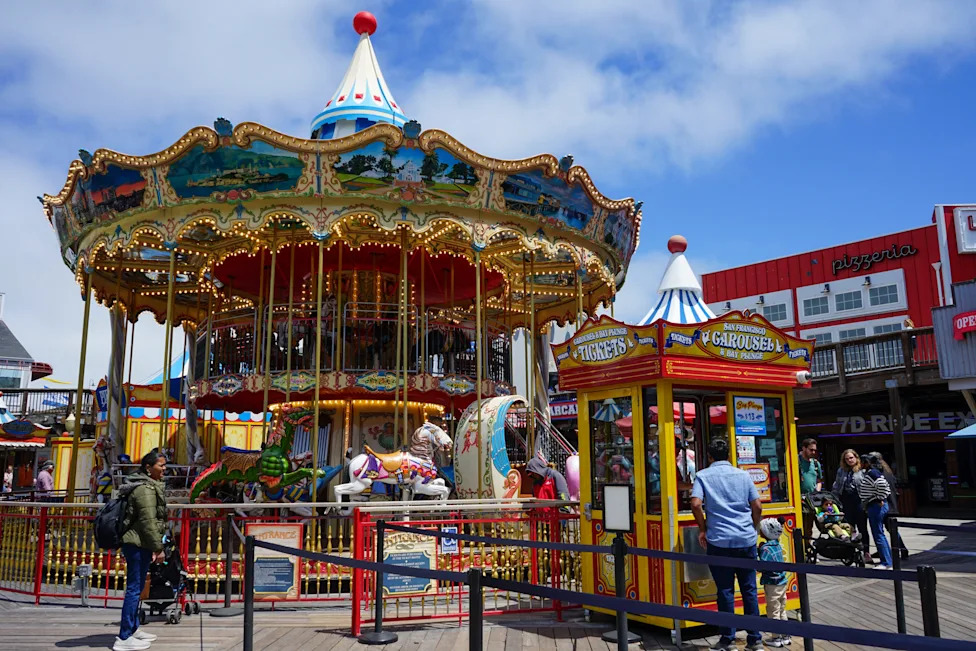
A father and son wait in line to ride the San Francisco carousel at Pier 39 on Friday, May 22, 2026, in San Francisco, CA.(Noe Padilla / USATODAY)
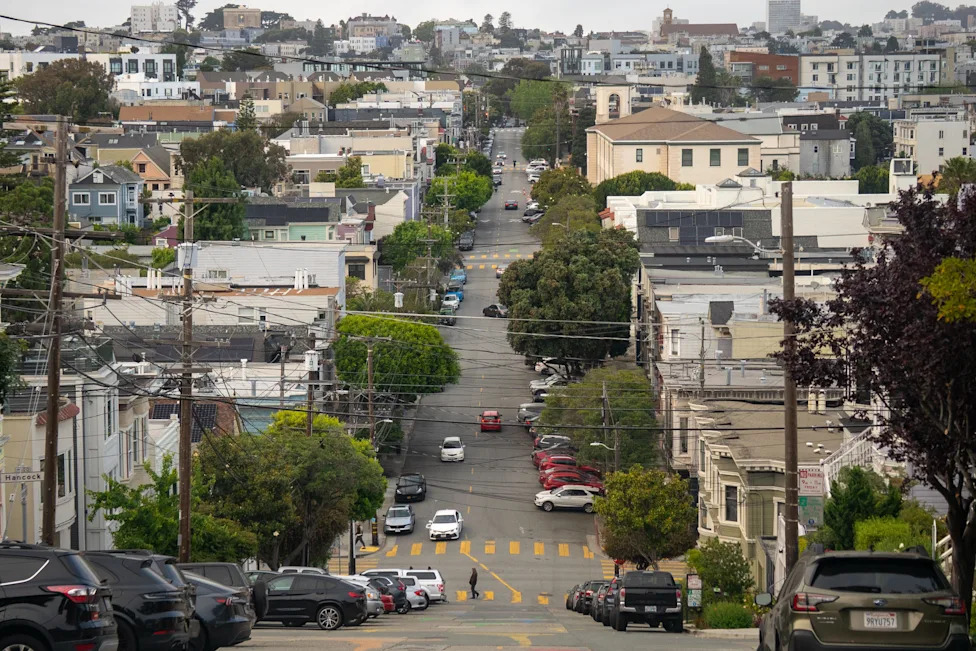
A view down Sanchez Street on Friday, May 22, 2026, in San Francisco, CA.(Noe Padilla / USATODAY)
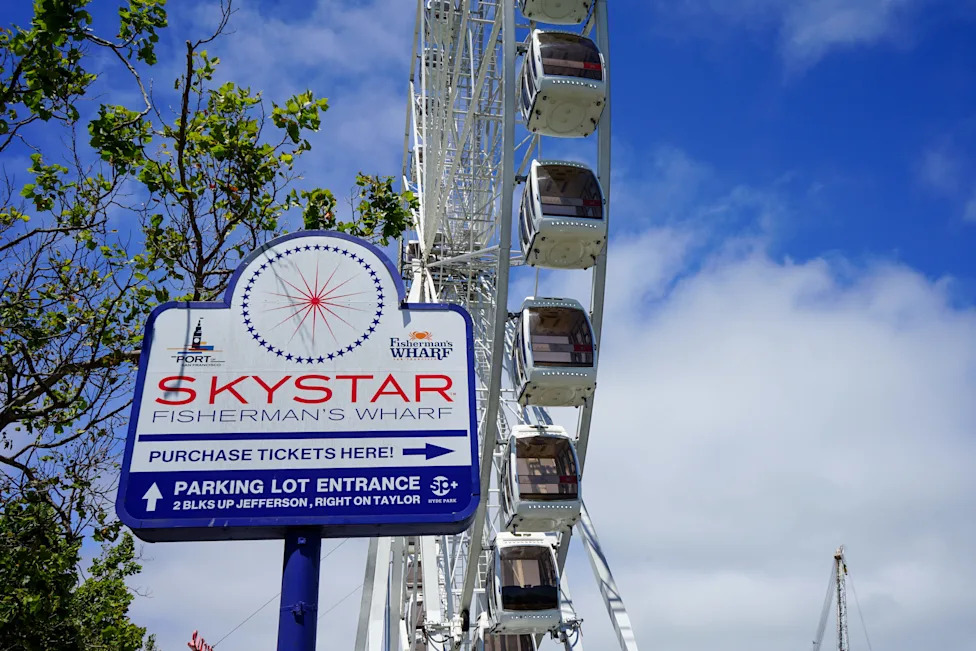
A view of the Skystar Wheel outside of Fisherman's Wharf's Pier 39 on Friday, May 22, 2026, in San Francisco, CA.(Noe Padilla / USATODAY)
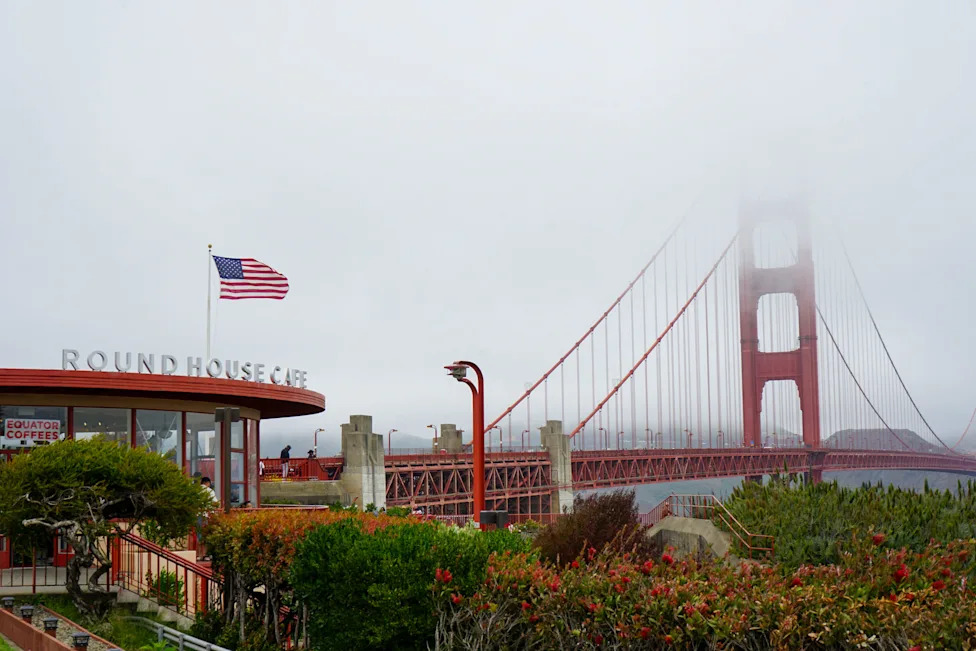
A view of the Golden Gate Bridge on Friday, May 22, 2026, in San Francisco, CA.(Noe Padilla / USATODAY)
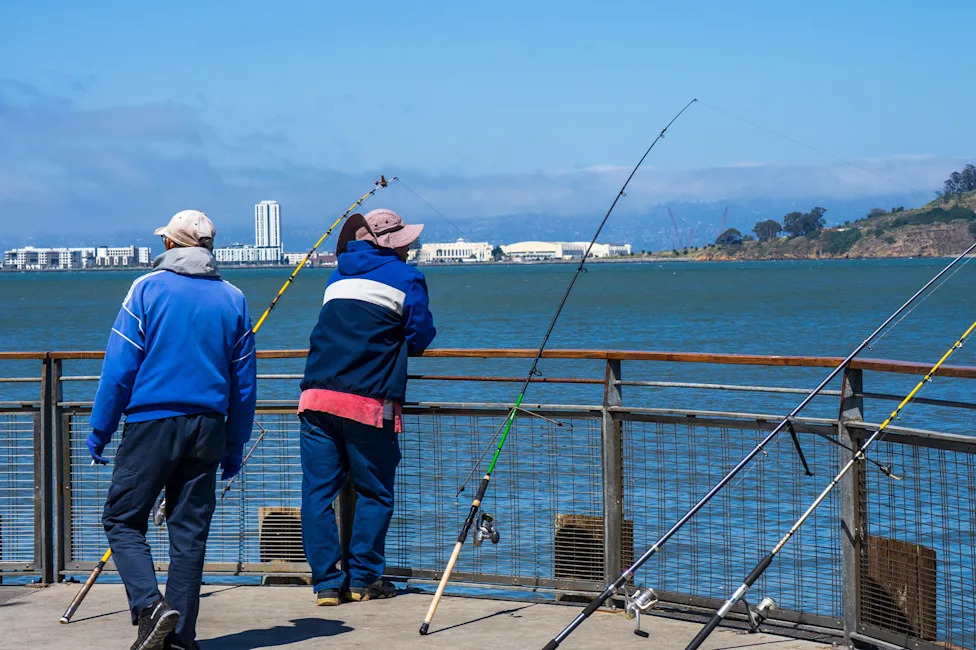
Two men waiting for their fishing line to catch a fish on Pier 1 on Friday, May 22, 2026, in San Francisco, CA.(Noe Padilla / USATODAY)
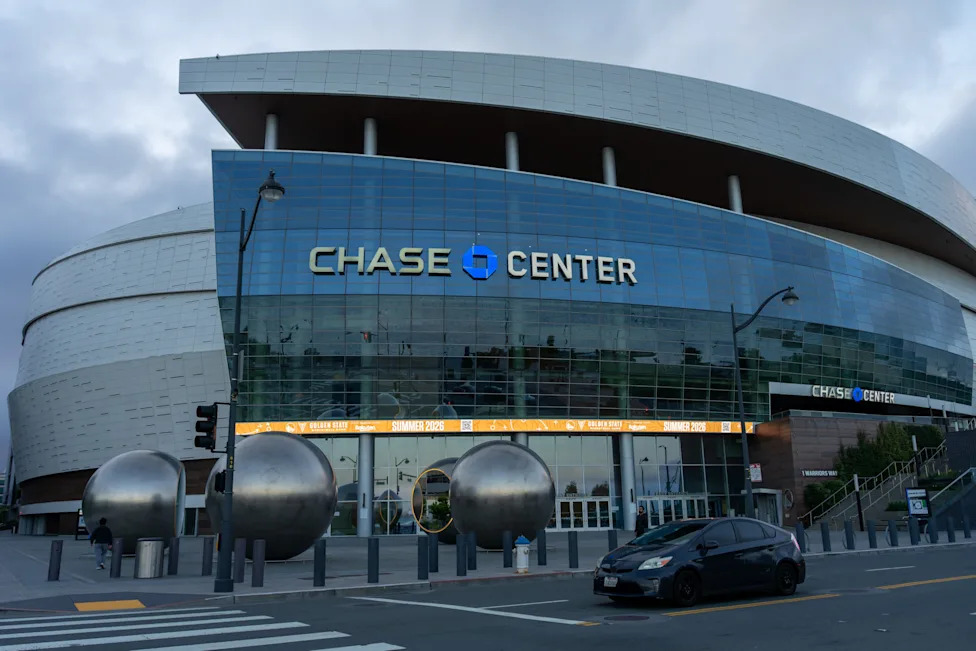
A view of the Chase Center on Friday, May 22, 2026, in San Francisco, CA.(Noe Padilla / USATODAY)
Help us improve.