SEPTA released a 35-page "Accelerate" blueprint calling for new vehicles, station upgrades, and much higher frequencies on Regional Rail, subway and light rail. The plan includes replacing trolleys with 130 low-floor trainsets, new subway cars (Market-Frankford cars arrive in 2029), and 15-minute Regional Rail service across 75 miles. It contains no cost estimate, timeline, or dedicated funding source, and SEPTA faces a $193 million shortfall. Agency leaders say stable, year-to-year funding is essential to implement the plan.
SEPTA Unveils Ambitious 'Accelerate' Plan to Modernize Regional Rail, Subway and Trolleys
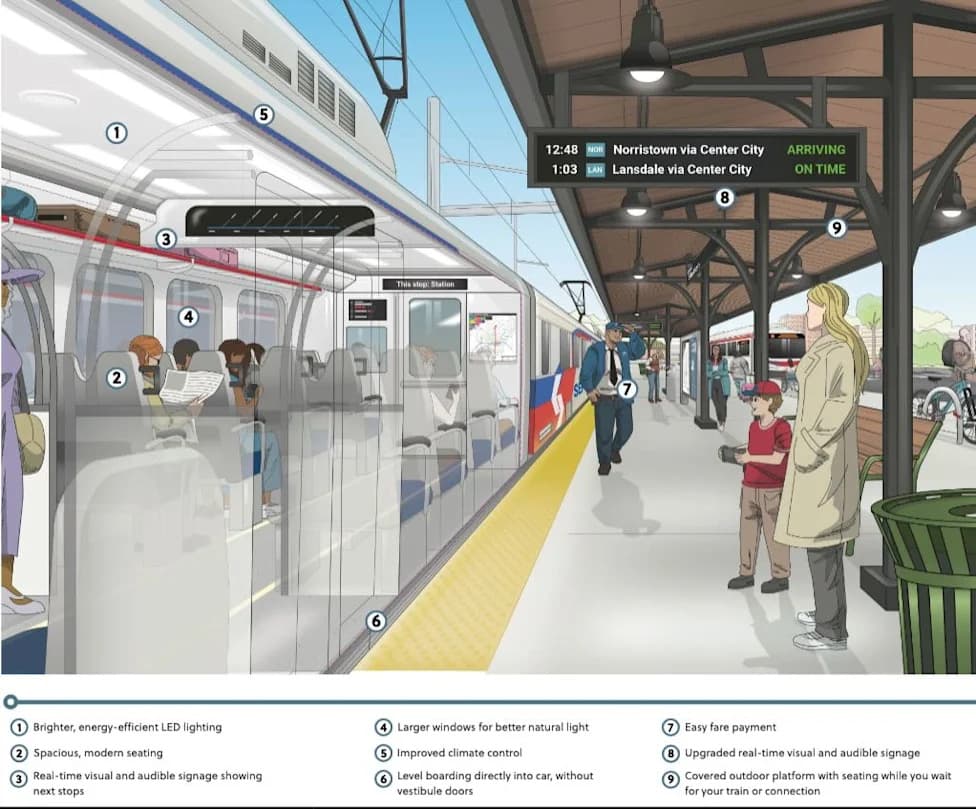
An illustration from SEPTA's Accelerate plan shows improvements envisoned for Regional Rail service. SEPTA
The Southeastern Pennsylvania Transportation Authority (SEPTA) this week released a 35-page blueprint called "Accelerate," outlining a long-term vision to modernize its Regional Rail, subway and light-rail networks. The plan proposes new rolling stock, station upgrades, and significantly higher service frequencies — but it does not include a cost estimate, timeline, or a formal funding strategy.
What the Plan Proposes
The document sets out specific equipment and service targets across SEPTA's modes:
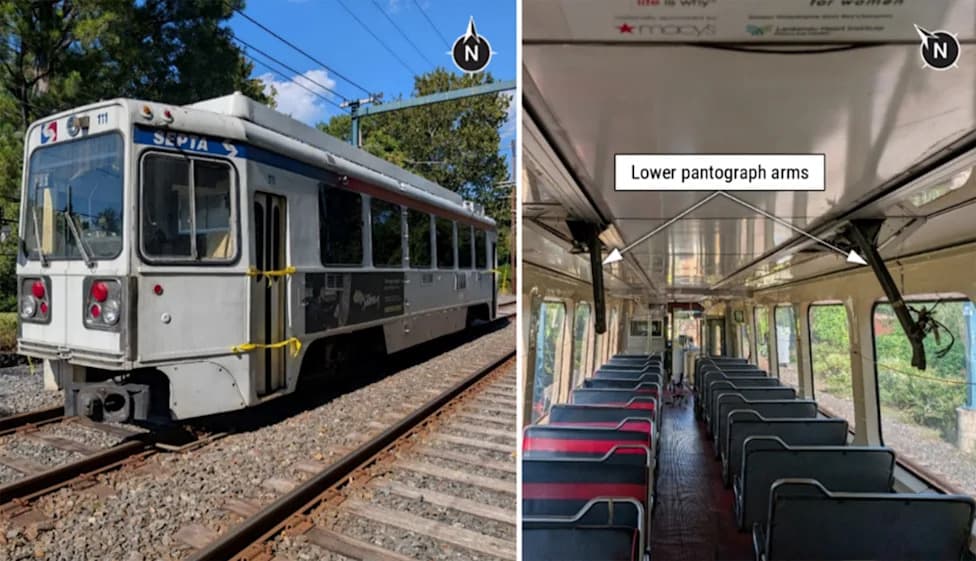
- Light Rail / Trolleys: Replace the existing fleet of roughly 40-year-old trolley cars with 130 low-floor light-rail trainsets; upgrade stations with real-time information and accessibility features; target 5-minute peak headways on the T Line and 15-minute peak headways on the D Line. SEPTA projects capacity could increase to about 60,000 riders per day on the light-rail network.
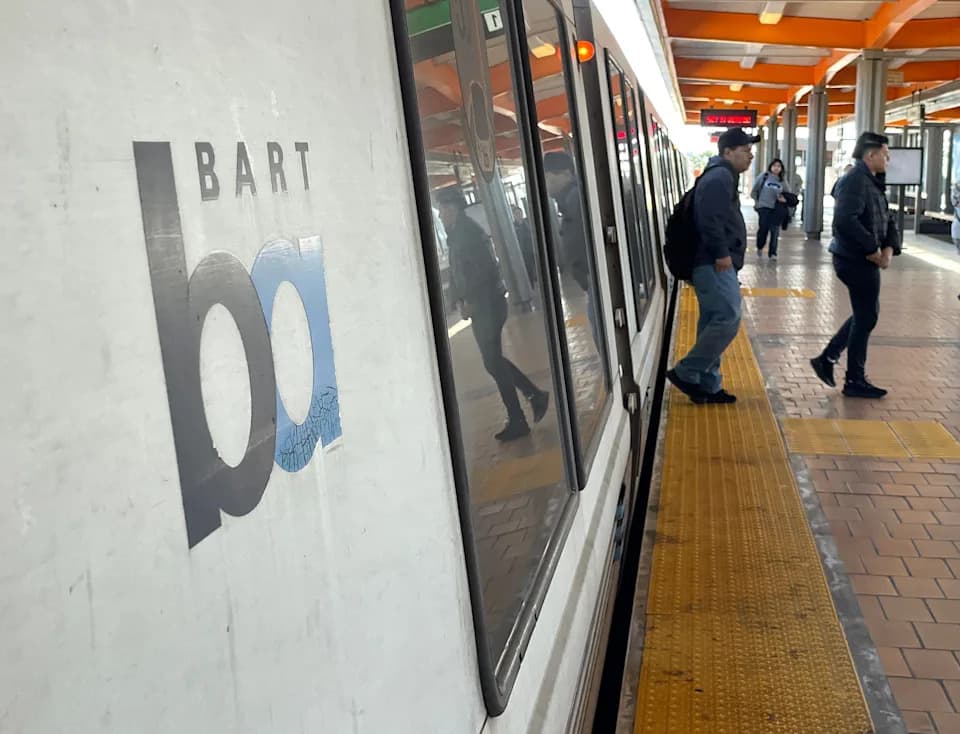
- Subway: Procure new cars for the B (Broad Street) and M (Norristown High Speed) lines in addition to cars already on order for the L (Market-Frankford) line (expected delivery in 2029). Station improvements would include adding elevators, and SEPTA estimates about a 25% reduction in headways on affected lines.
- Regional Rail: Provide 15-minute all-day frequencies on roughly 75 miles of track — covering nearly half of the system's 155 stations and roughly doubling current frequent-service coverage — and make every Regional Rail station fully accessible. Achieving this would depend in part on rebuilding the Regional Rail infrastructure through Center City, which currently carries more than 400 trains per day.
Funding and Implementation Concerns
The plan repeatedly calls for "stable, adequate investment," but it does not present an overall cost estimate, a timeline for delivery, or a dedicated funding source. SEPTA is facing a reported $193 million operating shortfall and has been using transfers from capital reserves to sustain operations. SEPTA officials and the plan's authors emphasize that dedicated, reliable funding will be essential to execute the proposals.
"People want more service, not less, and we intend to deliver it," said SEPTA General Manager Scott Sauer. "Dedicated funding, something we can count on, something we can budget for year over year to execute the totality of the plan."
Attempts to secure additional recurring funding have stalled amid partisan disagreement in the Pennsylvania legislature, though Governor Josh Shapiro made efforts in 2024 and 2025 to provide extra support.
Next Steps and Public Information
SEPTA describes the package as "ambitious" and frames it as the level of investment required to become a "best-in-class" transit system. The agency has released the plan to inform stakeholders and to start discussions about priorities and funding pathways. More information on the Accelerate plan is available from SEPTA; to report news or errors from the original item, the contact listed was [email protected].
Help us improve.