The U.S. Fish and Wildlife Service issued a Sept. 14 memo narrowing the regulatory definition of "harm" under the Endangered Species Act, saying unintentional injury or killing of listed animals may not constitute a prohibited "take." The reinterpretation affects more than 1,600 protected animal species, including blue whales. Conservation groups and 16 state attorneys general have condemned the move and signaled legal challenges, while agency officials say the change reduces regulatory burdens on economic activity.
U.S. Reinterprets Endangered Species Act, Potentially Allowing Accidental Harm to 1,600 Protected Animals
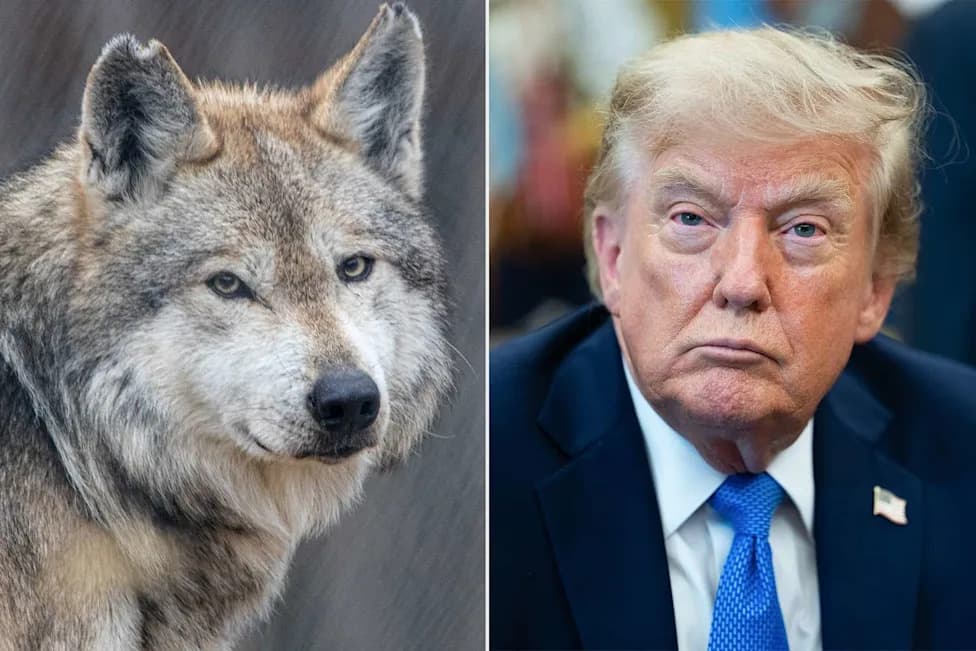
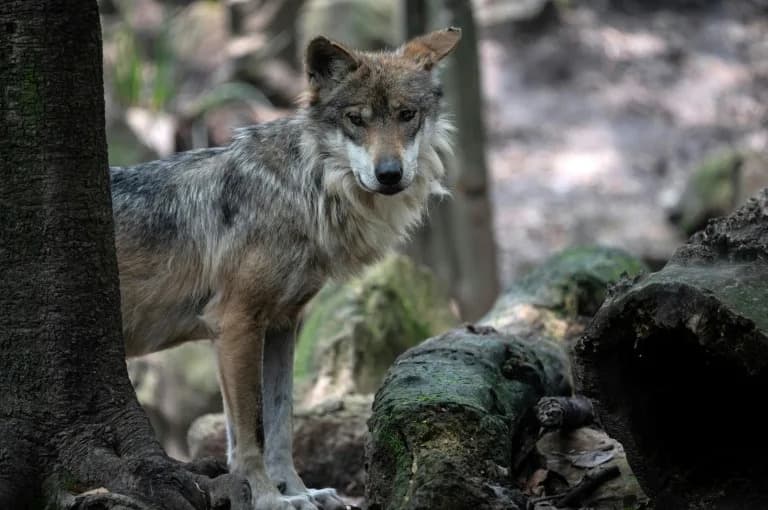
Stock photo of a Mexican Grey Wolf (left); President Donald Trump (right)Credit: Getty Images/iStockphoto; Aaron Schwartz/CNP/Bloomberg via Getty
On Sept. 14, the U.S. Fish and Wildlife Service (FWS) distributed a memorandum to field offices outlining a new agency interpretation of the 1973 Endangered Species Act (ESA). The guidance narrows the regulatory definition of "harm," saying that unintentional injury or death of a listed animal may not qualify as a prohibited "take." The change affects more than 1,600 protected animal species, including blue whales.
What the Memo Says
The memo offers examples intended to distinguish intentional conduct from accidental incidents. It states that "a vessel that inadvertently strikes a whale has not taken it, because the vessel's course was not set against the whale," and that "felling a tree is not a take of the bats roosting in it unless the tree is felled for the purpose of killing or capturing them." Under the new reading, injuries or deaths that occur without deliberate intent would not automatically trigger ESA prohibitions.
Background
In July, the Interior and Commerce departments announced they had updated what they called an "outdated regulatory definition" of "harm," prompting the FWS to issue implementing guidance in September. The previous FWS regulatory definition of "take" included a broad range of actions such as "to harass, harm, pursue, hunt, shoot, wound, kill, trap, capture, or collect, or to attempt to engage in any such conduct."
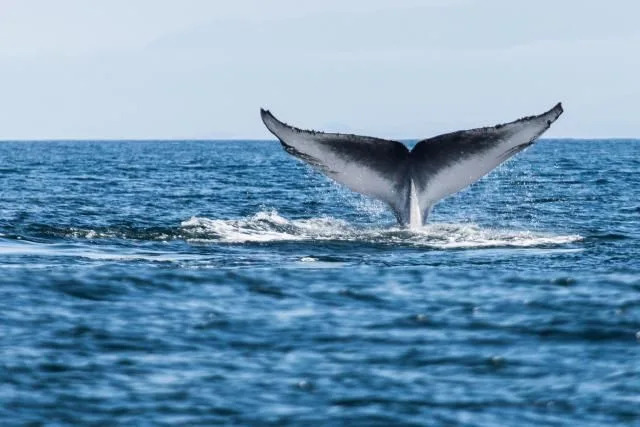
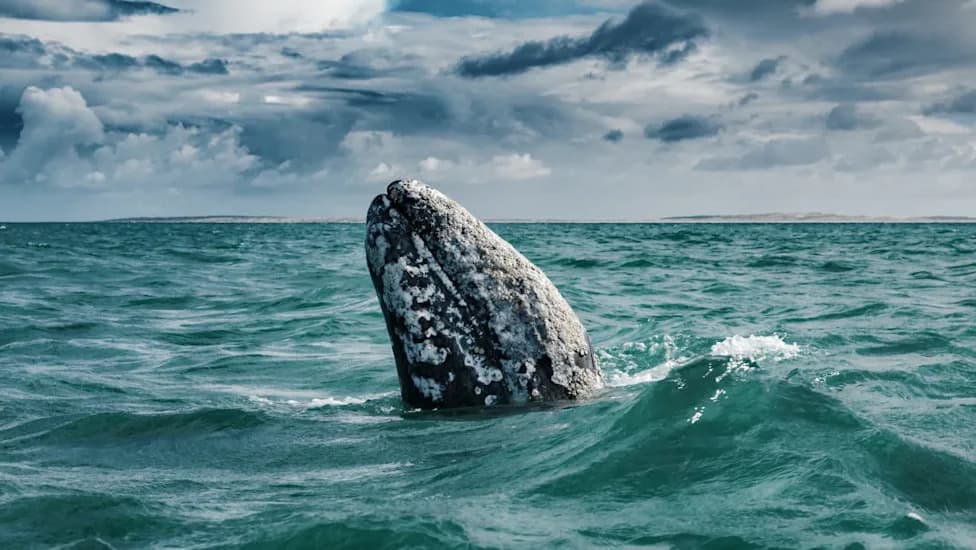
Blue WhaleCredit: Michael Mike L. Baird flickr.bairdphotos.com/Moment/Getty Images
Reactions
"This stabs at the very heart of the Endangered Species Act by giving federal approval to the killing of some of America's most beloved wildlife," said Brett Hartl, government affairs director at the Center for Biological Diversity. "The change is cruel and risks undermining long-standing conservation protections."
Department officials framed the reinterpretation as a rollback of regulatory burdens that they said impeded lawful economic activity such as fishing, development and other routine operations. Meanwhile, attorneys general from 16 states have argued that the agencies' reasoning is "arbitrary, capricious, an abuse of discretion, and contrary to law." Legal challenges are likely.
What This Could Mean
Supporters say the new guidance restores flexibility for industries and landowners by clarifying that genuinely accidental incidents are not treated as intentional "takes." Critics warn the policy could make it harder to hold parties accountable for negligence or routine activities that result in incidental harm to endangered animals, potentially weakening protections for vulnerable species.
PEOPLE has reached out to the U.S. Fish and Wildlife Service for comment on the Sept. 14 memorandum.
Help us improve.