Göbekli Tepe preserves three distinctive "handbag" motifs on Pillar 43 that some researchers now read as two-dimensional plans for vaulted rooms. Turkish architect Bora Uluurgun argues the curved tops represent domed roofs and the bases represent walls, while nearby animals may mark entrances. Earlier proposals by Edward Banning and a 2020 study by Gil Haklay and Avi Gopher provide supporting context, but the carvings include no measurements or labels and may just as plausibly be ritual symbols. Further excavation and surveys will be needed to resolve the debate.
Could Göbekli Tepe’s “Handbag” Carvings Be the World’s Earliest Architectural Plans?
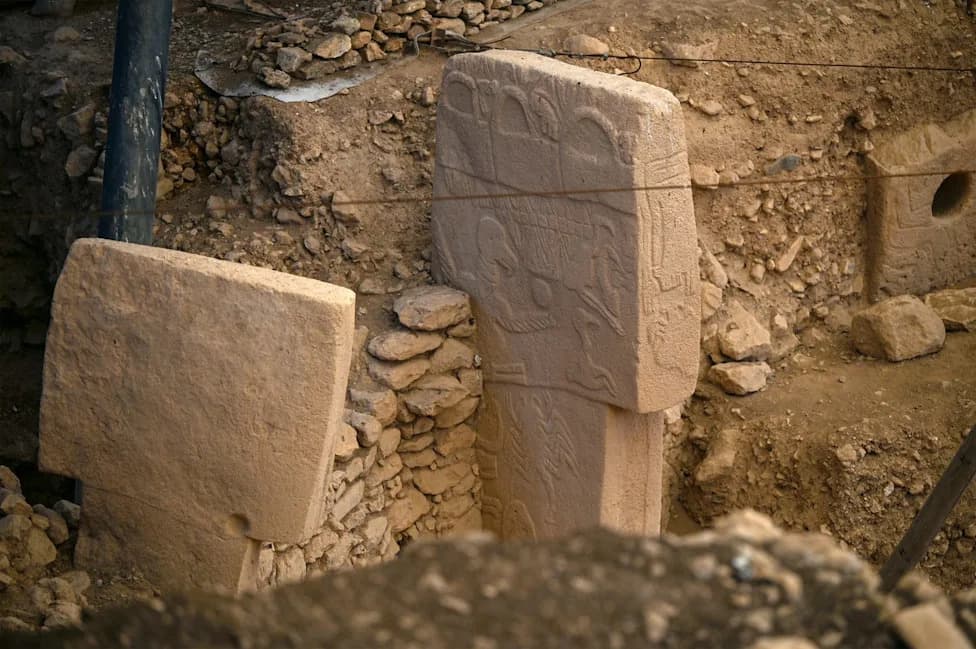
Is This the World's First Architectural Blueprint?OZAN KOSE - Getty Images
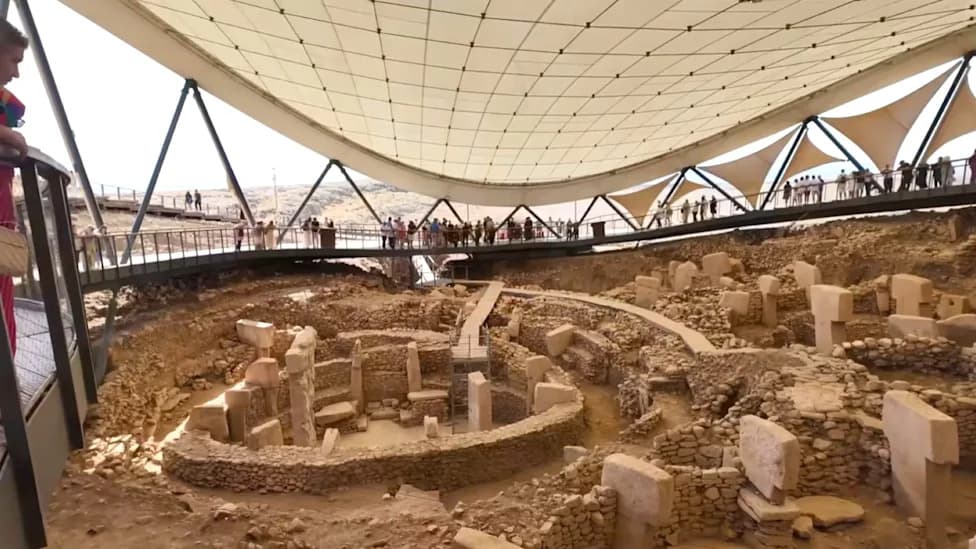
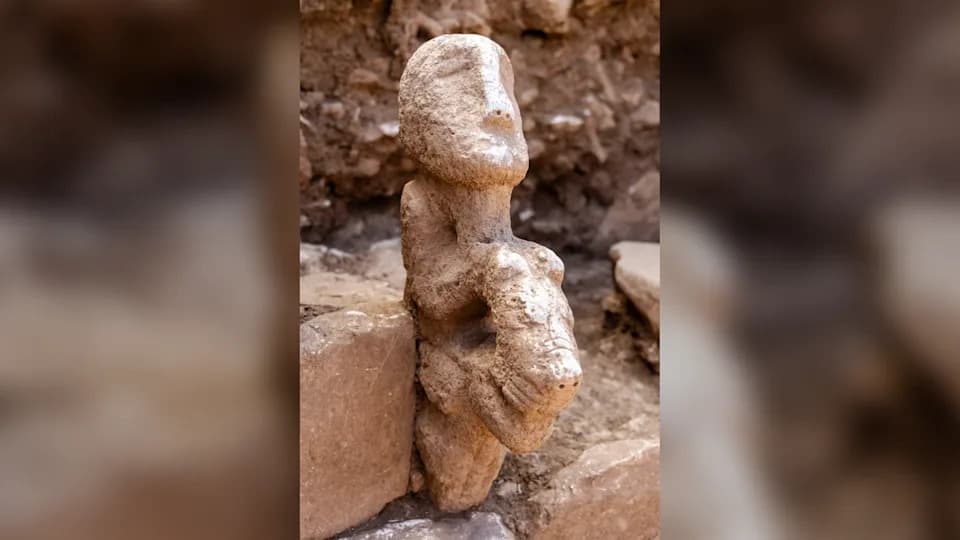
Three enigmatic carvings high on Pillar 43 at Göbekli Tepe in southeastern Turkey have renewed debate over whether prehistoric people sketched building plans more than 11,000 years ago. The motifs—rectangular bases topped by curved, hood-like forms—appear among animal reliefs and geometric designs on the limestone monolith commonly called the Vulture Stone.
New Interpretation
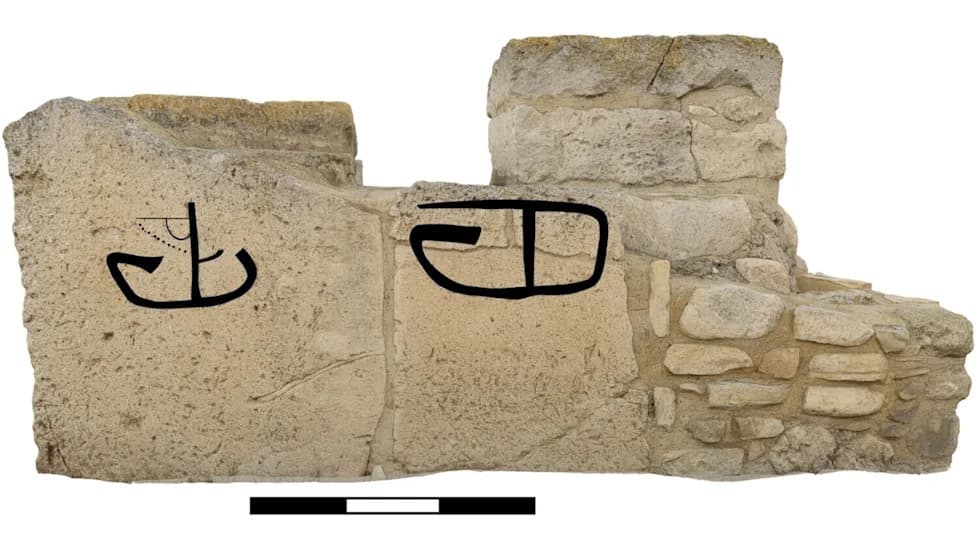
Bora Uluurgun, a Turkish lecturer and architect, has recently argued that the so-called “handbag” motifs could be two-dimensional representations of rooms or small buildings. In an Arkeonews piece he proposes the curved upper portion corresponds to a domed or vaulted roof profile, while the rectangular lower portion maps walls; the animals carved beside each motif, he suggests, may indicate entrance locations.
Scholarly Context
Uluurgun’s idea builds on earlier work. In 2011 archaeologist Edward Banning proposed that motifs with “handle-like attachments” might depict vaulted or domed roofs, and other researchers have suggested the shapes reflect structural profiles. A 2020 study by Gil Haklay and Avi Gopher argued that Buildings B, C and D at Göbekli Tepe share enough similarities to suggest a common architectural plan, and recent geophysical surveys have revealed more built spaces than previously assumed—some with internal layouts that resemble dwellings.
Why the Debate Persists
Despite intriguing correlations, many archaeologists remain cautious. The carvings lack dimensions, labels, or step-by-step instructions, and they were incised on an already‑erected pillar rather than on a portable planning surface. The animal imagery pervasive at the site may indicate ritual or symbolic meanings that have nothing to do with building plans. That ambiguity keeps multiple interpretations viable.
Implications and Next Steps
If the handbag motifs were intended as schematics, they would push back the origins of architectural visualization by millennia and change how we understand planning and communication in the Pre‑Pottery Neolithic. If they are symbolic, they reinforce Göbekli Tepe’s role as a ritual landscape rich in metaphor and meaning. Archaeologists hope that further excavation, targeted dating and expanded geophysical surveys will produce contextual evidence to favor one reading over the other.
Bottom line: The handbag motifs on Pillar 43 remain ambiguous—plausible as proto-schematics but equally plausible as ritual symbols—so the mystery endures until new evidence clarifies their function.
Help us improve.