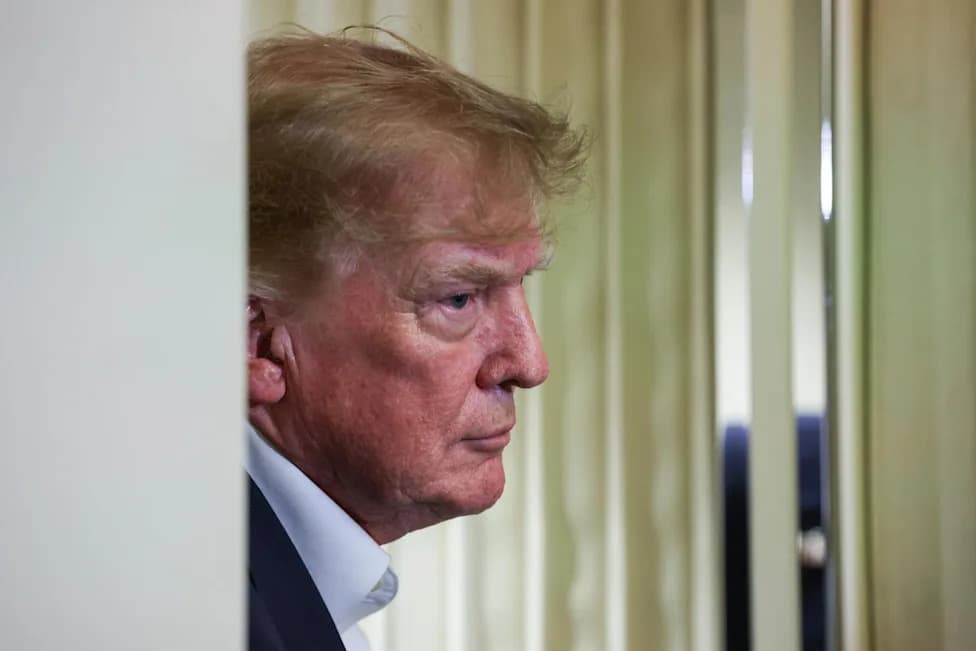
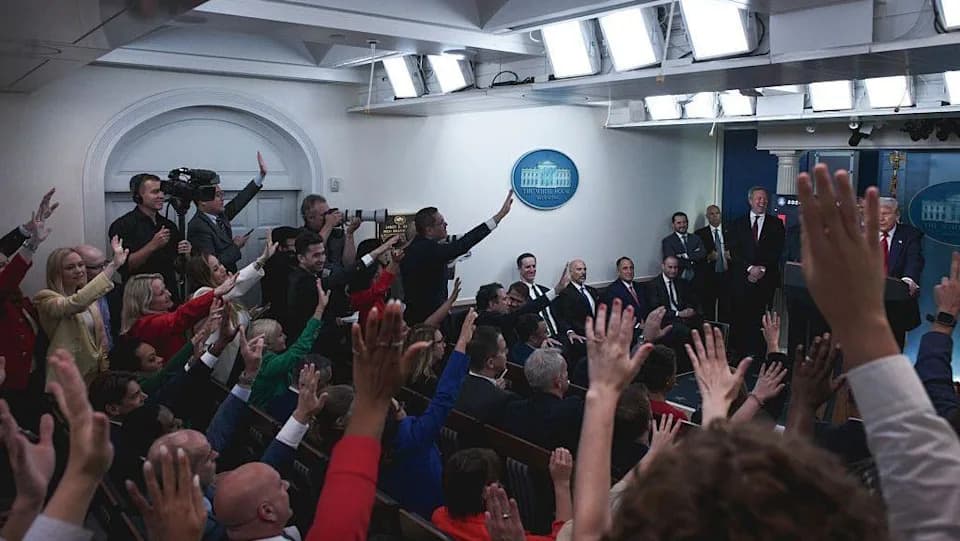
Sen. Bill Cassidy (R-La.) called President Trump's proposed $5,000-per-person checks "absolutely inflationary," warning that borrowing to fund the payments could push up mortgage, auto and credit costs for households. With U.S. national debt near $40 trillion, Cassidy argued that controlling the debt would be a more effective way to help families in the long run. Treasury Secretary Scott Bessent has expressed support and says he is exploring options to implement the payments without Congress. The proposal has sparked debate over short-term relief versus longer-term fiscal and inflationary risks.
Sen. Cassidy Calls Trump's $5,000 Check Plan 'Absolutely Inflationary' — Warns It Could Raise Borrowing Costs
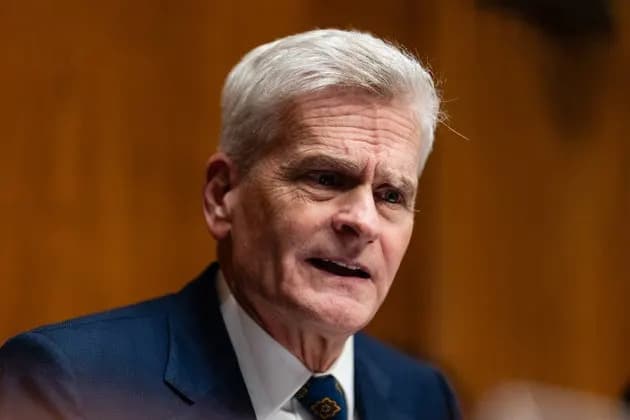
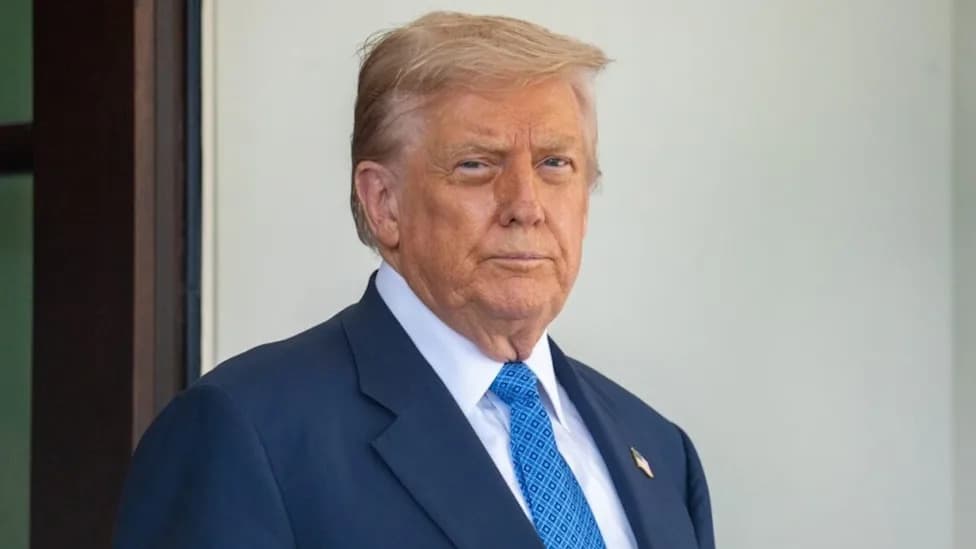
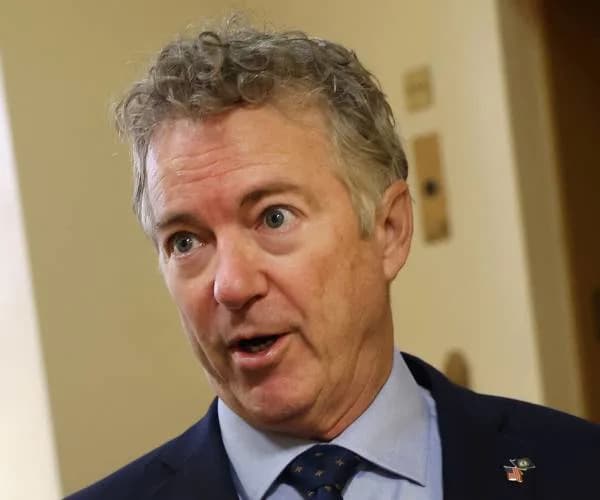
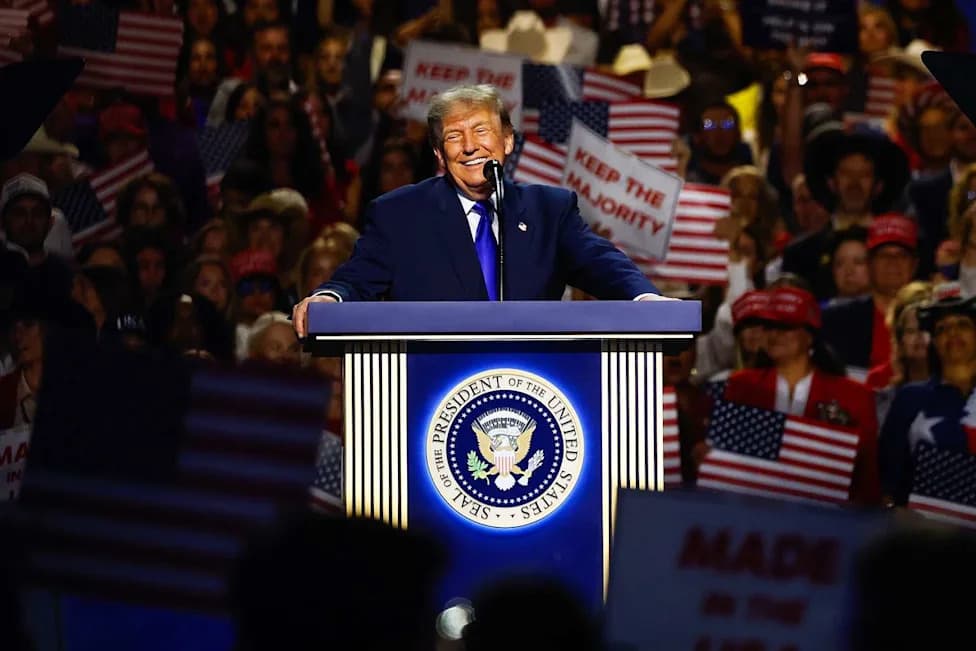
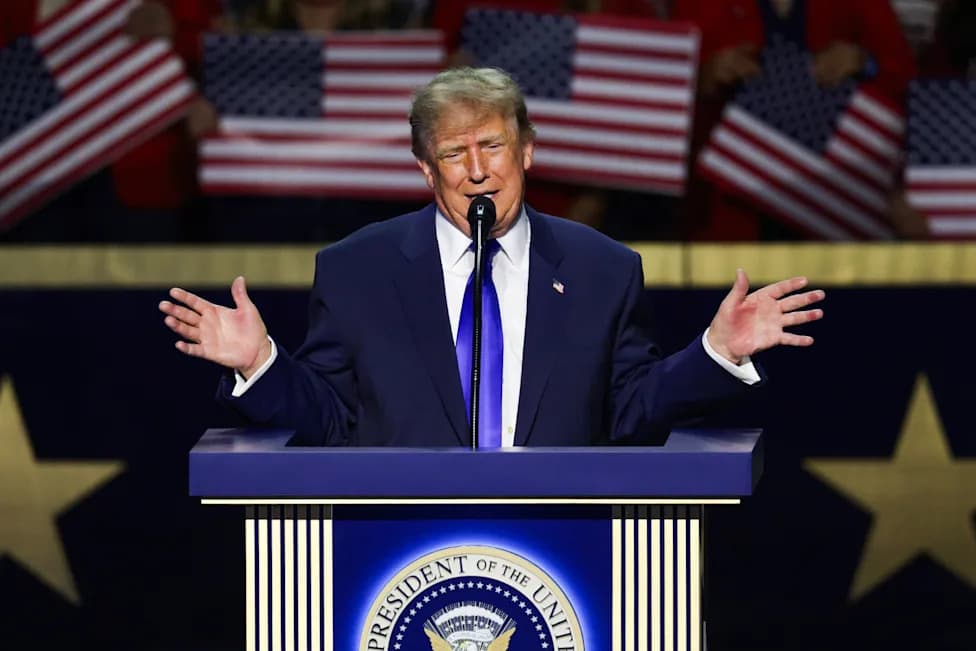
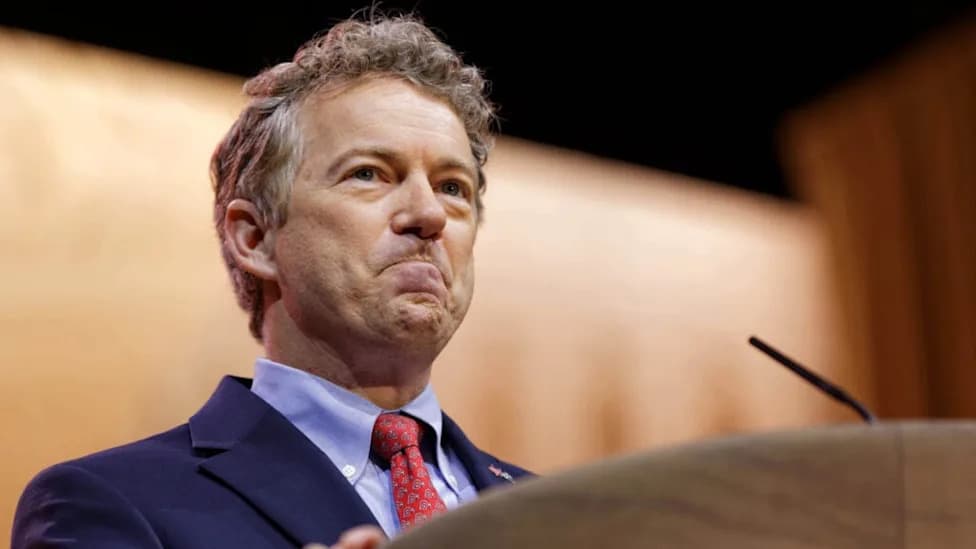
Sen. Bill Cassidy (R-La.) on Sunday sharply criticized President Donald Trump's proposal to send $5,000 checks to Americans if Republicans win the upcoming midterm elections, calling the plan "absolutely inflationary." Cassidy warned the measure could raise borrowing costs for households and make major purchases less attainable for struggling families.
"If Joe Biden had proposed that, conservatives would've been all against it," Cassidy told Margaret Brennan on CBS' Face the Nation.
Cassidy argued that financing large, one-time payments by borrowing could push up interest rates and increase what consumers pay for mortgages, car loans and credit cards. "If the government borrows money, it's going to drive up how much somebody pays for their mortgage, for their car note, perhaps for their credit card," he said. "So to families struggling to buy their first home or to refinance a home or to buy a car, it becomes that much more out of reach to you."
The U.S. national debt is currently near $40 trillion, a central concern in Cassidy's critique. Treasury Secretary Scott Bessent has voiced support for Mr. Trump's proposal and said he is exploring ways to implement the payments "without involving Congress."
"We need to actually pay attention to our national debt. And I can tell you that if we can control our debt, that will be a stimulus to somebody," Cassidy said. "That will help them be able to afford life better. That's a better way to go."
Critics and supporters disagree on the likely economic effects of a one-time cash distribution financed by borrowing. Proponents argue direct payments can provide fast relief to households, while opponents — like Cassidy — warn about inflationary pressure and higher borrowing costs that could offset short-term benefits.
Related Coverage
- Trump Negotiations On U.S. Military Presence In Greenland
- Work Halted On Postal System Changes Linked To Mail Voting
- Analysis Of Rising Oil Prices And International Factors
- Court Rejects Trump Deportation Policy Allowing Third-Country Expulsions
- Polling And Political Maneuvering Ahead Of The Midterms
- Mass Protest Outside The Kennedy Center Over Its Future
As the debate continues, the key questions are how the payments would be financed, whether they would meaningfully stimulate household finances, and what impact they might have on inflation and interest rates. Cassidy's comments underscore the fiscal and macroeconomic concerns that continue to shape the policy discussion.
Help us improve.