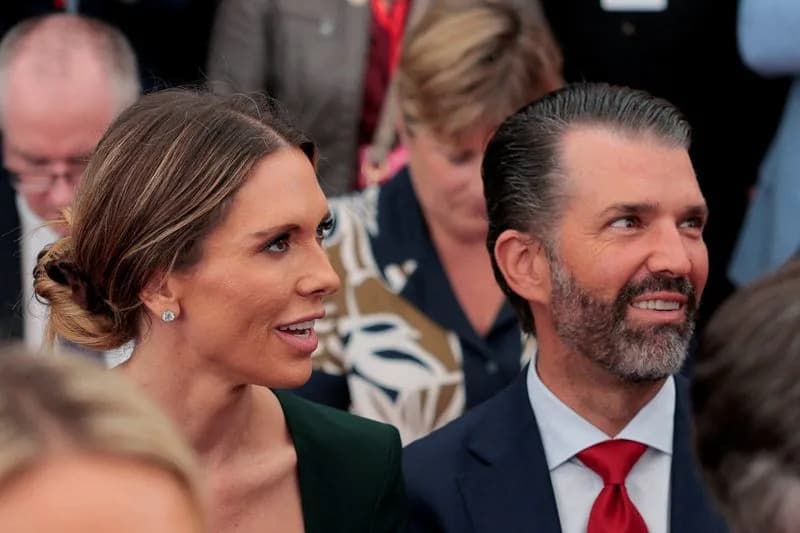
Former President Donald Trump said in Ireland that sending $5,000 to every American adult would be "easy" to finance if Republicans win control of Congress in the 2026 midterms. The idea would require congressional approval and specific legislation. Critics — including lawmakers from both parties and some economists — have questioned the proposal's roughly $1.2 trillion price tag and how it would be paid for amid concerns about the national debt. If pursued, the plan would trigger debates over offsets, eligibility and implementation.
Trump Says $5,000 One‑Time Payment To Every Adult Would Be 'Easy' If Republicans Win 2026 — Critics Question Affordability
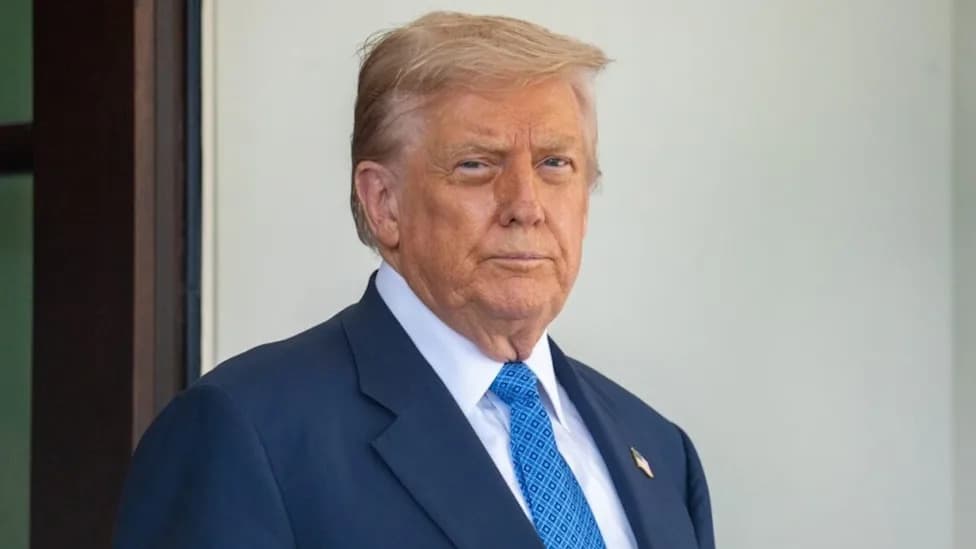
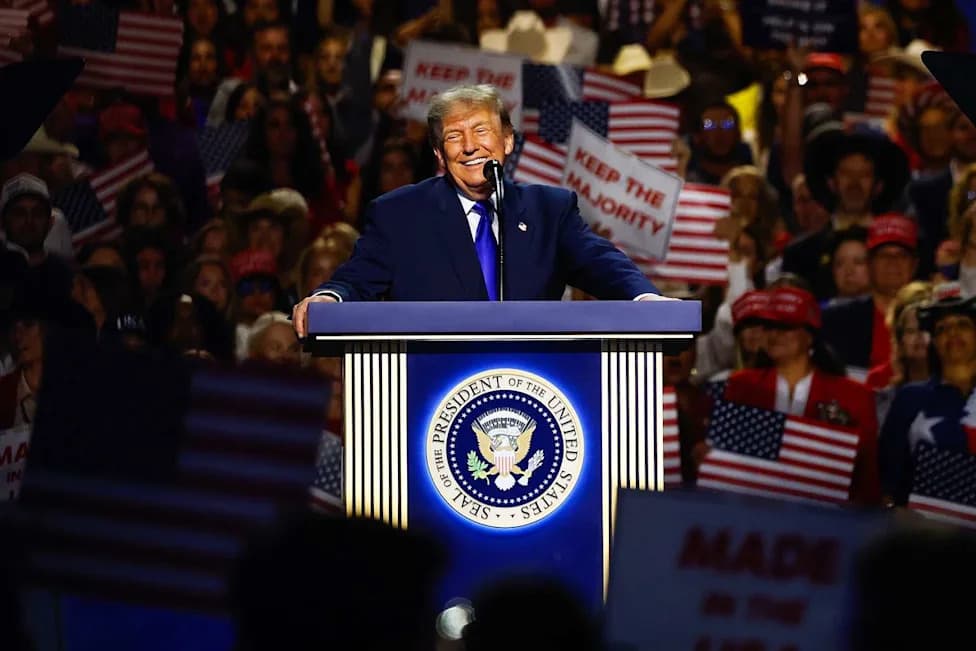
President Trump welcomes the President of the Republic of Azerbaijan to the White House for Bilateral and Trilateral meetings (Credit: Image via Shutterstock/ Joey Sussman)
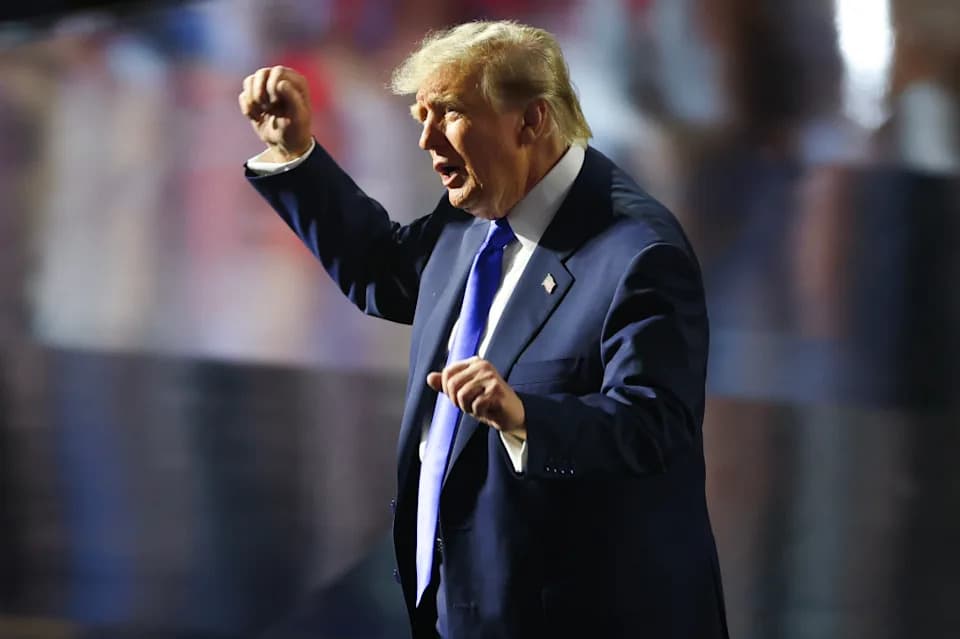
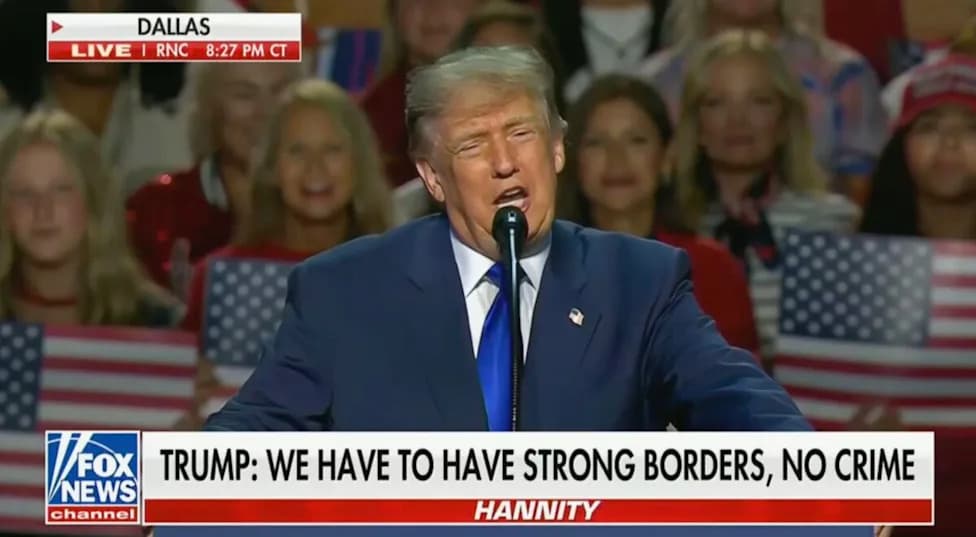
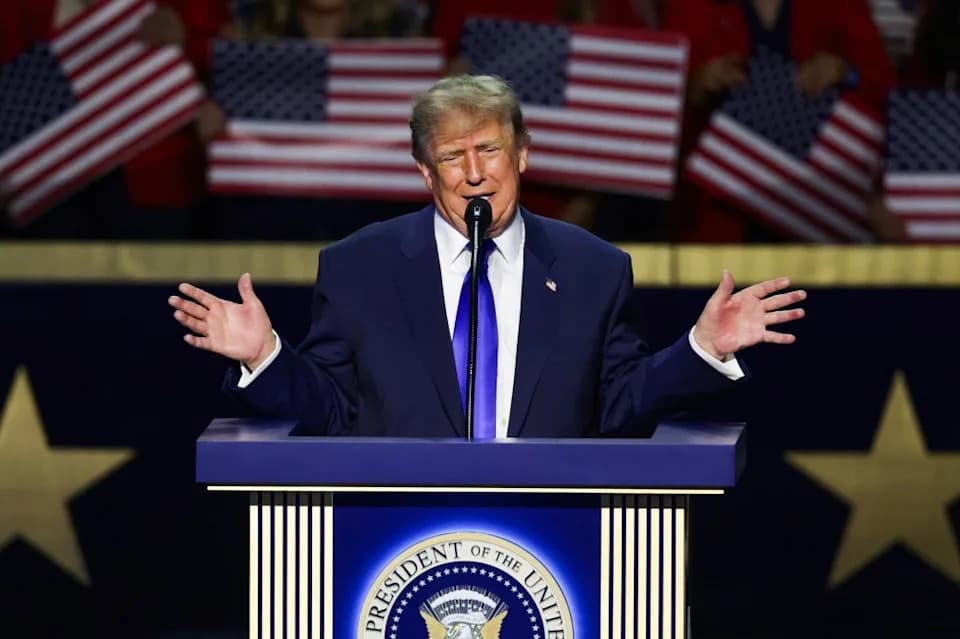
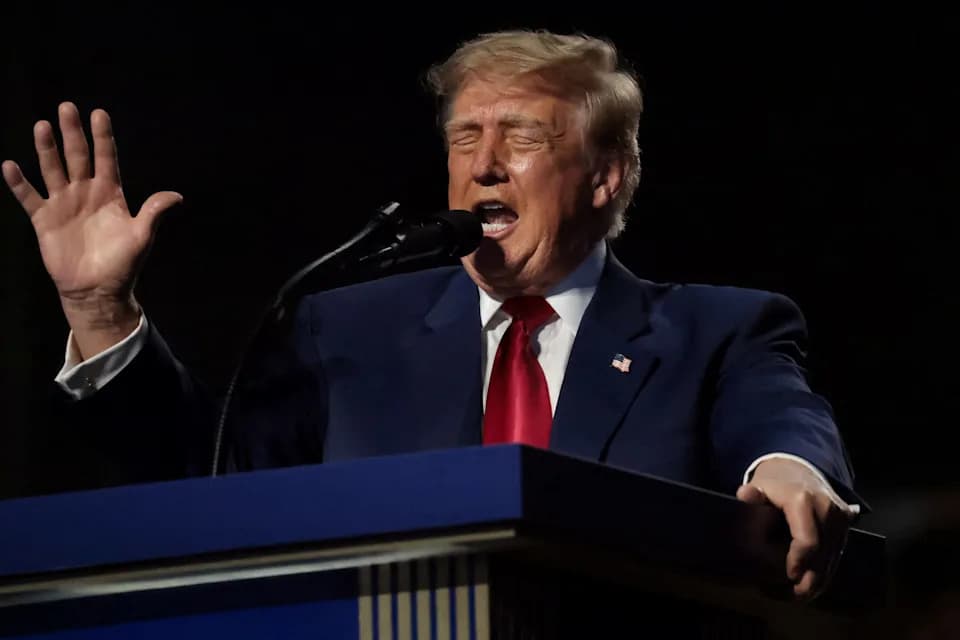
Former President Donald Trump told reporters in Ireland that sending a one‑time $5,000 payment to every American adult would be "easy" to finance if Republicans win control of Congress in the 2026 midterm elections, Reuters reported. Trump first floated the idea at the Republican National Convention and said rising federal revenues make the plan feasible — though he acknowledged lawmakers would have to draft and approve legislation to authorize the payments.
Proposal In His Words
"I don't know but it's easy if the Republicans win. $5,000 to all adults in the country and we can easily handle that because we're taking in so much money."
Political Reactions
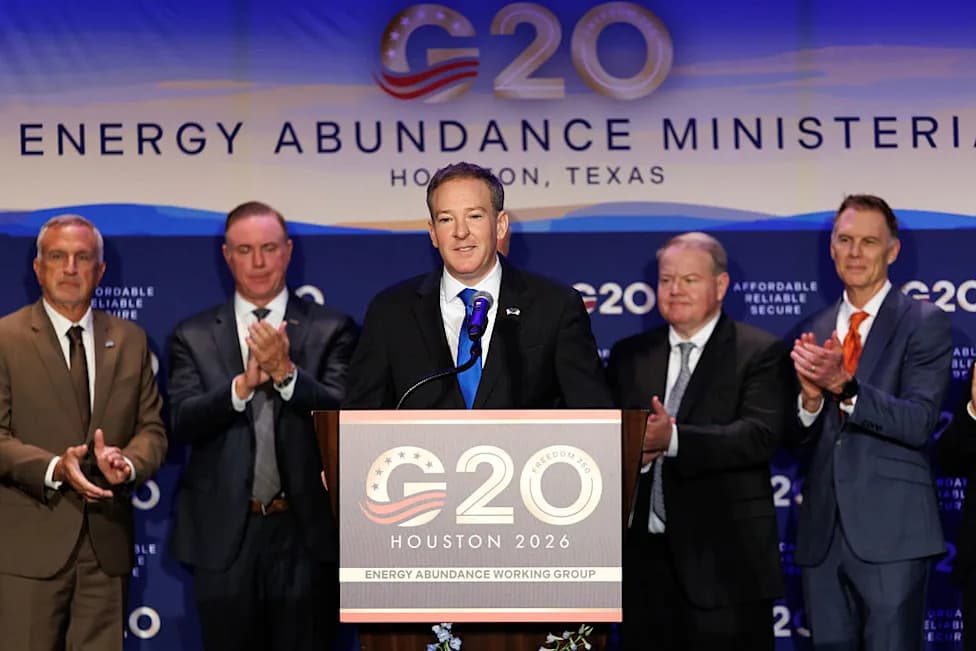
Senior lawmakers from both parties responded with skepticism or caution. House Speaker Mike Johnson (R-La.) emphasized that Congress would have to approve any such checks and warned that "the devil's in the details," noting the legislative work required. Representative Mike Lawler (R-N.Y.) said he supports returning money to Americans but questioned how the payments would be financed given concerns about the national debt.
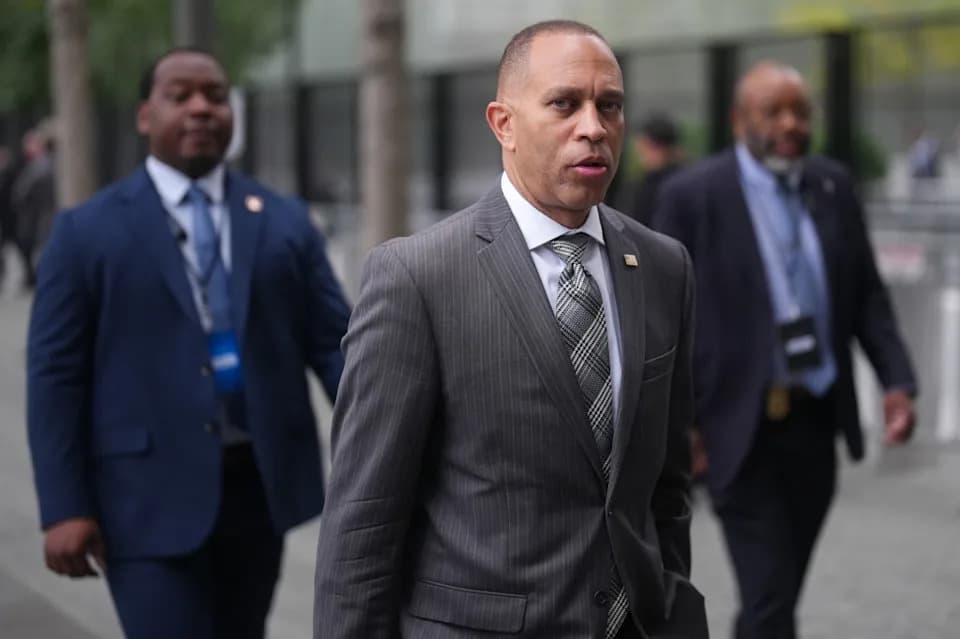
Democrats were dismissive. House Minority Leader Hakeem Jeffries (D-N.Y.) called the plan not credible and accused Trump of repeatedly failing to keep prior promises. Senator Mallory McMorrow (D-Mich.) pointed to a canceled Affordable Care Act subsidy she said undermines confidence that a future $5,000 payment would actually be delivered.
Cost And Fiscal Concerns
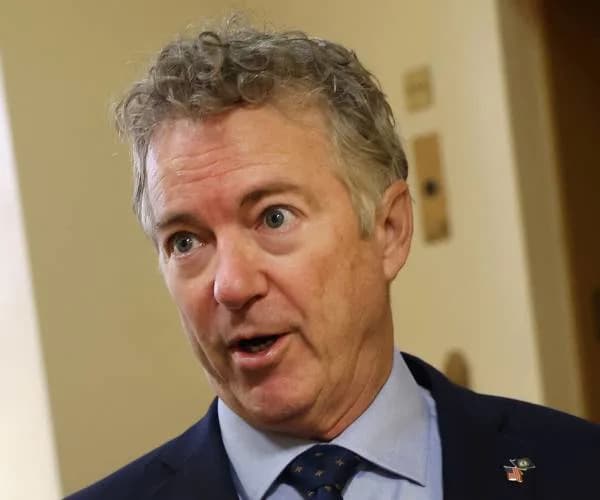
Critics and some Republicans have estimated the proposal could cost roughly $1.2 trillion, and lawmakers raised questions about how the payments would be offset. Representative Lawler referenced what he described as about a $4 trillion debt, while economist and Trump critic Peter Schiff noted additional debt accumulation during the former president's time in office. Senator Roger Marshall (R-Kan.) declined to commit to the plan amid concerns about rising deficits.
What Comes Next
The proposal remains largely rhetorical unless and until Congress drafts specific legislation detailing eligibility, timing, financing and offsets. If advanced, lawmakers would confront difficult choices about deficit impacts, tax or spending offsets, and the logistics of issuing large-scale direct payments.
Reporting: Reuters. This article summarizes public remarks and reactions; cost estimates cited in political debate may vary depending on assumptions and scoring methods.
Help us improve.