Sen. Rand Paul told Newsmax that the U.S. cannot rely solely on economic growth to eliminate a $40 trillion national debt and urged meaningful spending cuts. He promoted his Six Penny Plan — a 6% across-the-board spending reduction he says would balance the budget in five years — and dismissed President Trump's $5,000 tariff-funded dividend as fiscally unrealistic. Paul also raised concerns about benefit exceptions for refugees and advocated private sponsorship to help new arrivals become self-sufficient.
Rand Paul: Growth Alone Won't Erase $40 Trillion Debt — Proposes 6% Cuts, Rejects $5,000 Dividend
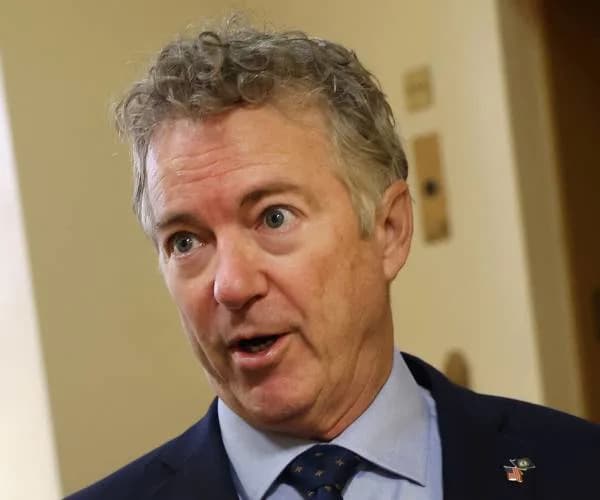
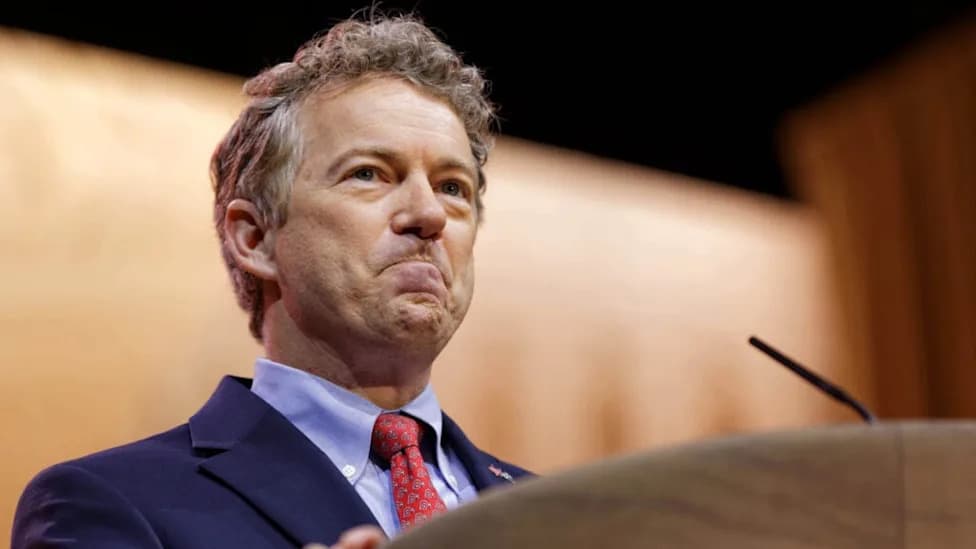
Sen. Rand Paul, R-Ky. (Getty Images)
Senator Rand Paul (R-Ky.) told Newsmax that the United States cannot rely on economic growth alone to erase its $40 trillion national debt and urged substantial spending cuts to restore fiscal balance.
Key Points From the Interview
Speaking on Rob Schmitt Tonight, Paul rejected Treasury Secretary Scott Bessent's August claim that the U.S. could grow our way out of the debt with sustained 3% annual GDP growth. He argued growth and spending restraint must work together: lower taxes and deregulation can spur growth, but uncontrolled spending undermines those gains.
It's got to be both. You can't keep spending like drunken sailors, Paul said.
Paul pointed to an alarming monthly gap: he said Congress spent $500 billion more than came in in July, a level he described as once being a bad year's deficit and now a bad month. He also noted that the One Big Beautiful Bill Act raised the debt ceiling by $5 trillion in July 2025 — the largest increase in U.S. history.
To address the shortfall, Paul promoted his Six Penny Plan, unveiled in September 2025, which would reduce projected federal spending by 6% across the board and, he says, balance the budget within five years. It wouldn't end government; it would make government 6% smaller, he said, while acknowledging limited Senate GOP support.
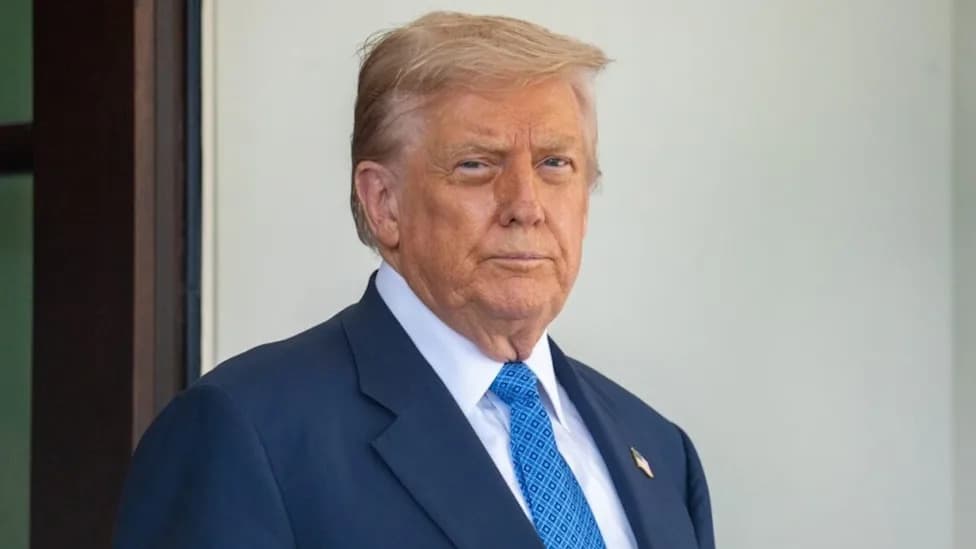
Paul dismissed former President Donald Trump's proposal for a $5,000 dividend tied to tariff revenue as fiscally unrealistic. He asked how dividends could be paid from a deficit and warned that printing money to fund such payments would worsen inflation. Analysts estimate tariff revenues would fall far short of the roughly $1.2 trillion the dividend would cost.
On immigration and welfare, Paul reiterated that federal law generally bars most newly arriving immigrants from public benefits for five years but said refugee classification can create exceptions. He cited Minnesota's Somali community as an example and alleged some recipients exploited the system through fraudulent daycare and clinic operations. His amendment to strip refugee-assistance funding from a spending package was defeated 25-73 in April.
The American dream is about work, Paul said, arguing that private sponsors — churches or individuals — rather than taxpayers should support new arrivals until they become self-sufficient.
Context
The interview highlights a broader debate over how to address long-term fiscal pressures: rely primarily on growth, pursue across-the-board cuts, or implement targeted reforms. Paul's Six Penny Plan and his critique of dividend proposals add a clear conservative option to that conversation, though political and practical hurdles remain.
© 2026 Newsmax. All rights reserved.
Help us improve.