Vistra's Moss Landing battery facility caught fire again about 18 months after a major January 2025 blaze. Crews dismantling the former turbine hall have removed roughly 34,000 modules and expect to extract about 5,000 more; Monterey County said the new fire involves batteries previously damaged in the 2025 incident but is smaller in scale. The repeat event highlights risks tied to older layouts and NMC cell chemistry, even as newer projects favor modular layouts and safer lithium iron phosphate cells.
Moss Landing Battery Blazes Again: Repeat Fire Raises Safety Questions at Vistra Site
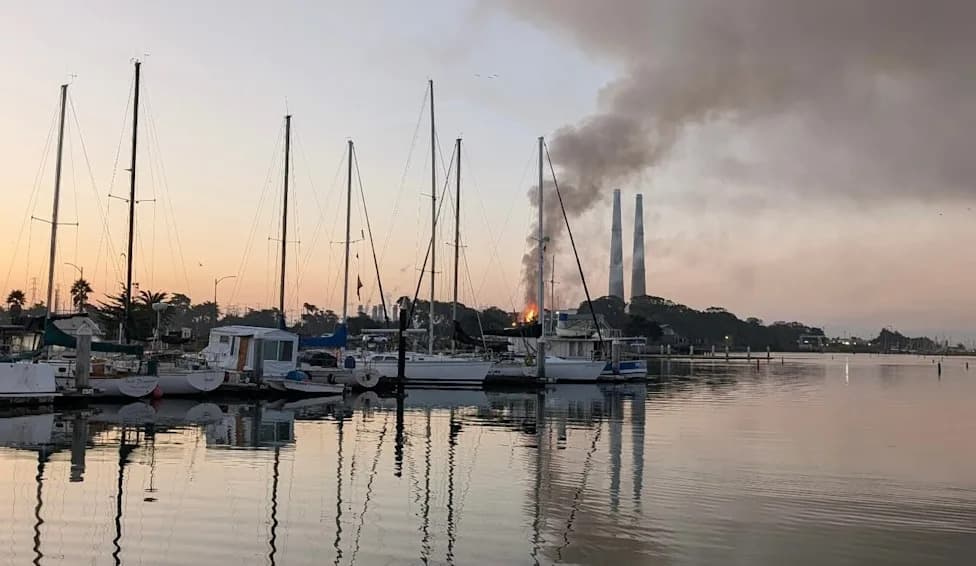
Vistra’s Moss Landing grid battery is on fire yet again
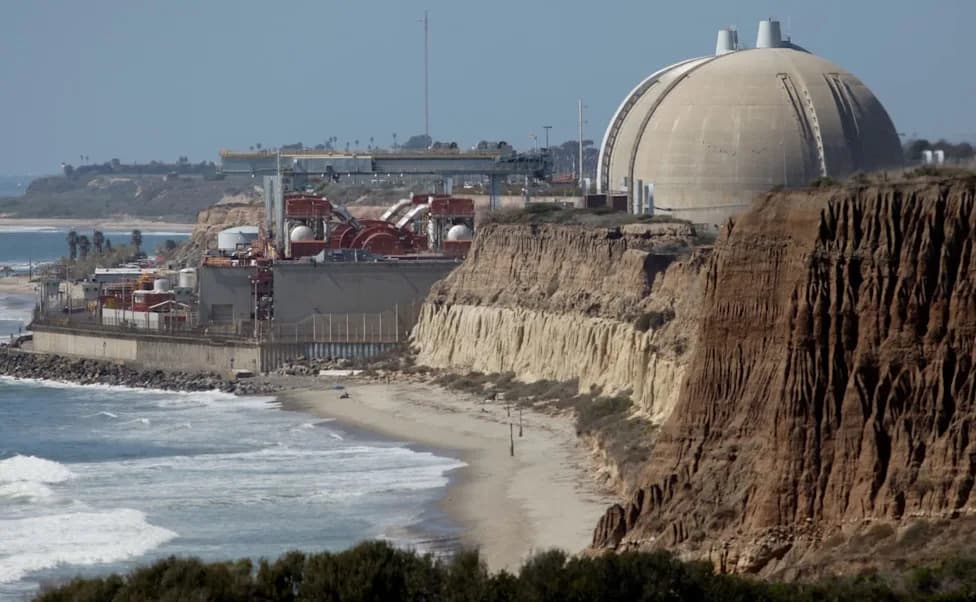
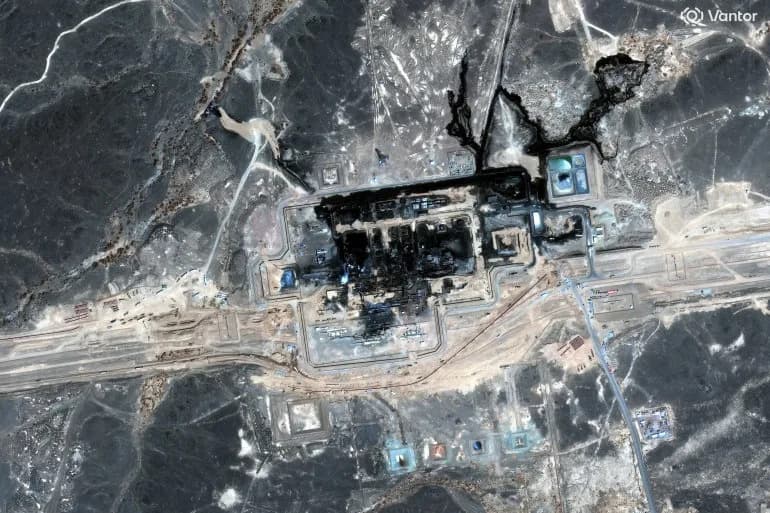
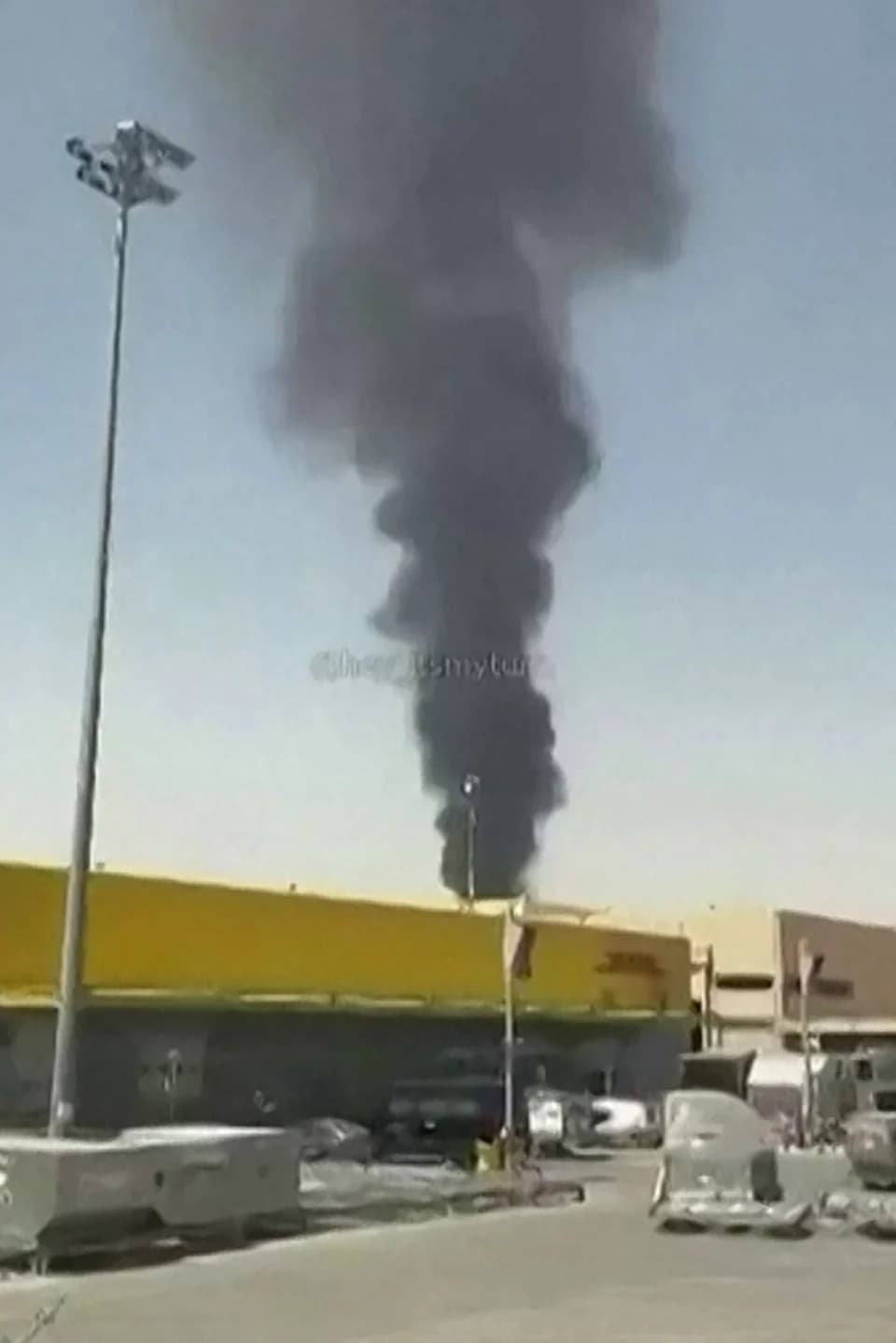
A renewed fire broke out at Vistra Energy's Moss Landing battery facility on Friday morning, roughly 18 months after a major January 2025 blaze devastated the Northern California grid-storage site. The latest smoke plume occurred while crews continue to dismantle the plant and extract battery modules from the former turbine hall.
Site Demolition and Fire Details
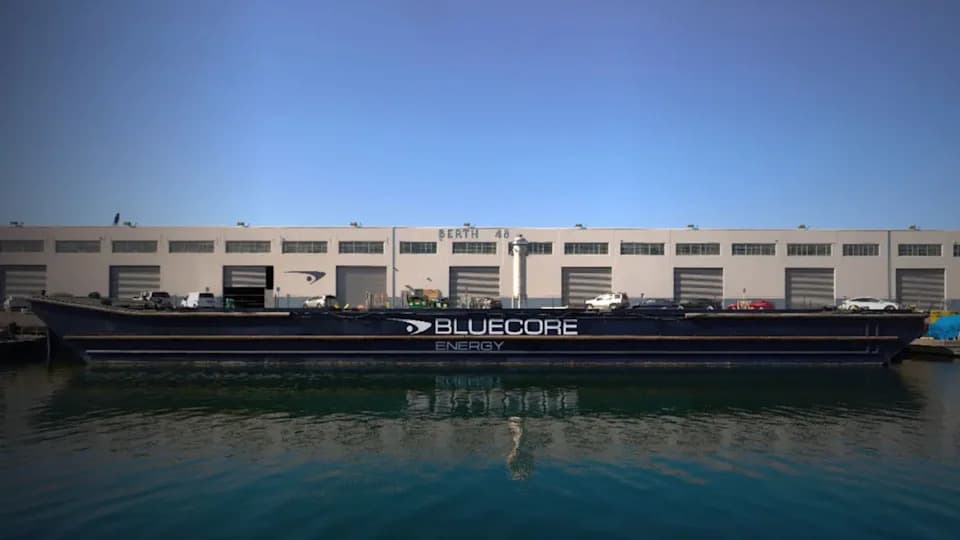
Vistra has been painstakingly removing, de-energizing and shipping battery modules from the site for recycling or disposal. Workers have already removed about 34,000 modules and expect to extract roughly 5,000 more later this year; those remaining units may still hold residual charge. A Monterey County statement said the new fire "involves batteries that were previously damaged" in the January 2025 blaze but emphasized the incident "is not comparable" in scale to that earlier conflagration. Officials said they expected the fire could burn out within about 24 hours.
Local Impact and Response
Authorities issued shelter-in-place orders for nearby residents in the coastal community, which transitions inland into strawberry fields and other farmland. Pacific Gas & Electric, which operates grid equipment adjacent to the site, confirmed the fire did not originate on nor spread to PG&E property. PG&E had taken its neighboring Elkhorn battery plant offline after the 2025 fire to inspect for damage; the utility plans to resume service there on July 1, 2027.
Why Moss Landing Stands Out
When it came online in 2020, Moss Landing was the world's most powerful grid battery, rated at 300 megawatts and 1,200 megawatt-hours, housed inside a repurposed gas turbine hall. That unusual configuration and the cell chemistry used at the time contributed to vulnerability: Vistra employed nickel-manganese-cobalt (NMC) lithium-ion cells and installed them within a single large building, a layout that can allow thermal events to propagate more easily.
How Modern Projects Differ
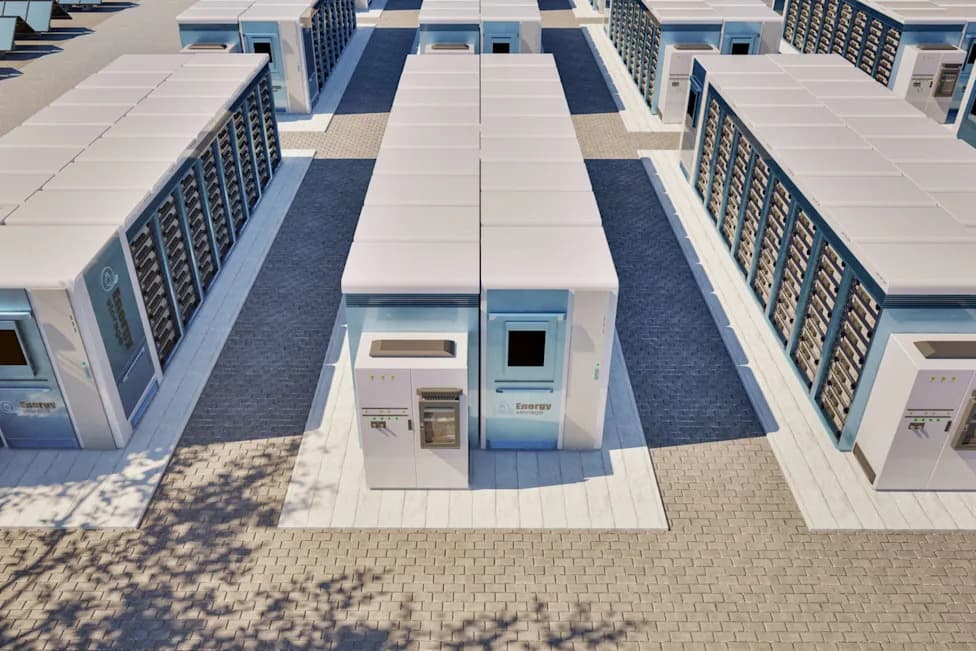
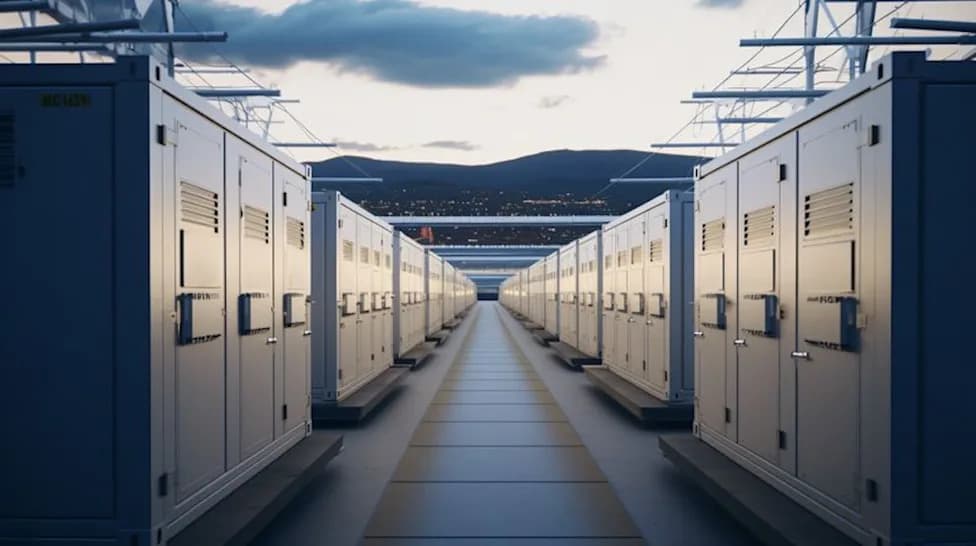
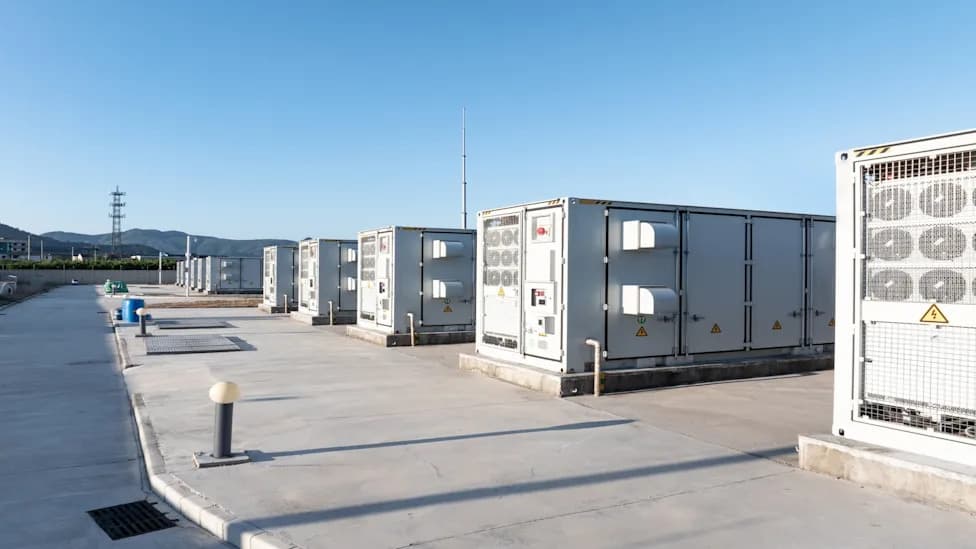
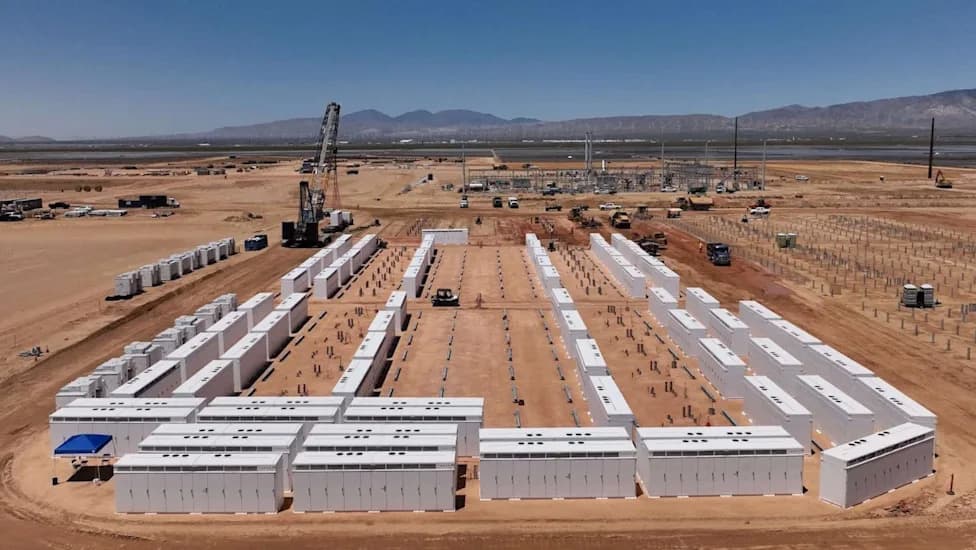
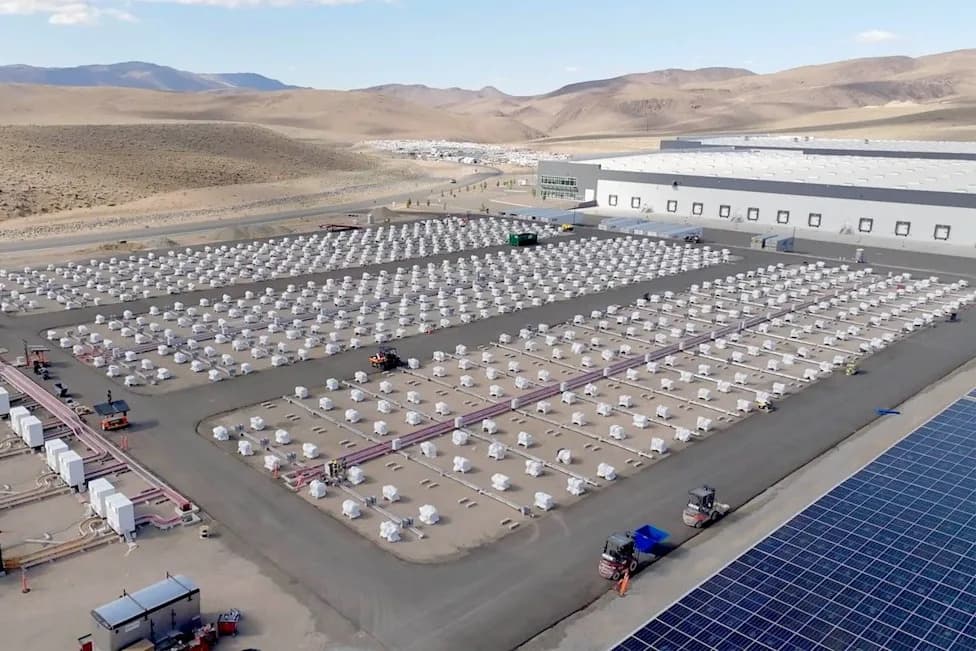
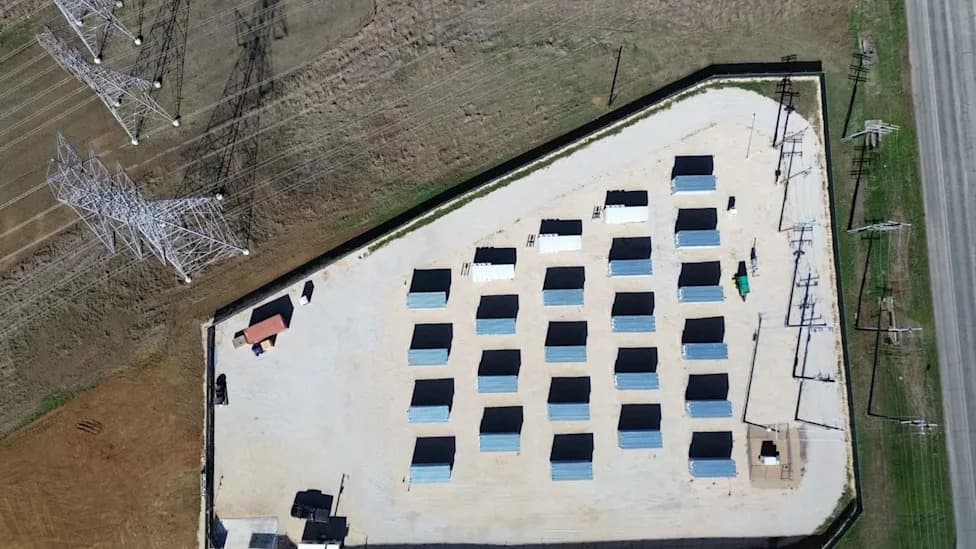
Since Moss Landing was built, the utility-scale storage industry has shifted toward safer designs and chemistries. New projects typically use arrays of modular, well-spaced containers so a fire in one unit is unlikely to spread to others, and many developers now prefer lithium iron phosphate (LFP) cells tailored for stationary storage—LFP is less prone to thermal runaway though it delivers lower energy density than NMC chemistries used in many electric vehicles.
Bigger Picture
Battery storage is among the fastest-growing sources of on-demand electricity capacity in the United States, especially in California and Texas, enabling grid operators to store low-cost solar energy for evening demand, reduce prices and help avoid shortages during extreme heat. The Moss Landing incidents have amplified public scrutiny and regulatory attention on safety practices, cell selection, facility layout and end-of-life handling for large battery projects.
Voices from the Community
"It seemed like once a year there'd be some smoldering going on," said David Robinson, who watched the latest plume from his boat in the nearby harbor. "Then of course the big fire last year pretty much shut everything down. … Now it's like, man, when is this going to end?"
Outlook
While the most recent blaze does not demonstrate that modern battery installations are inherently unsafe, it revives concerns tied to older designs and underscores the need for rigorous decommissioning procedures, improved fire-mitigation systems, and clear protocols for managing damaged modules during removal and transport.
Help us improve.