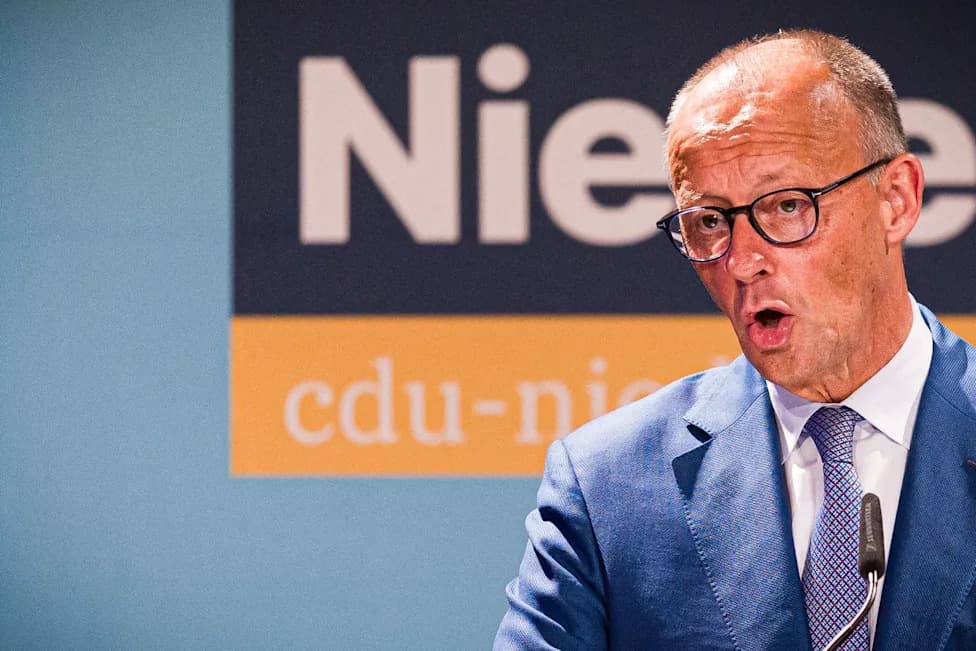
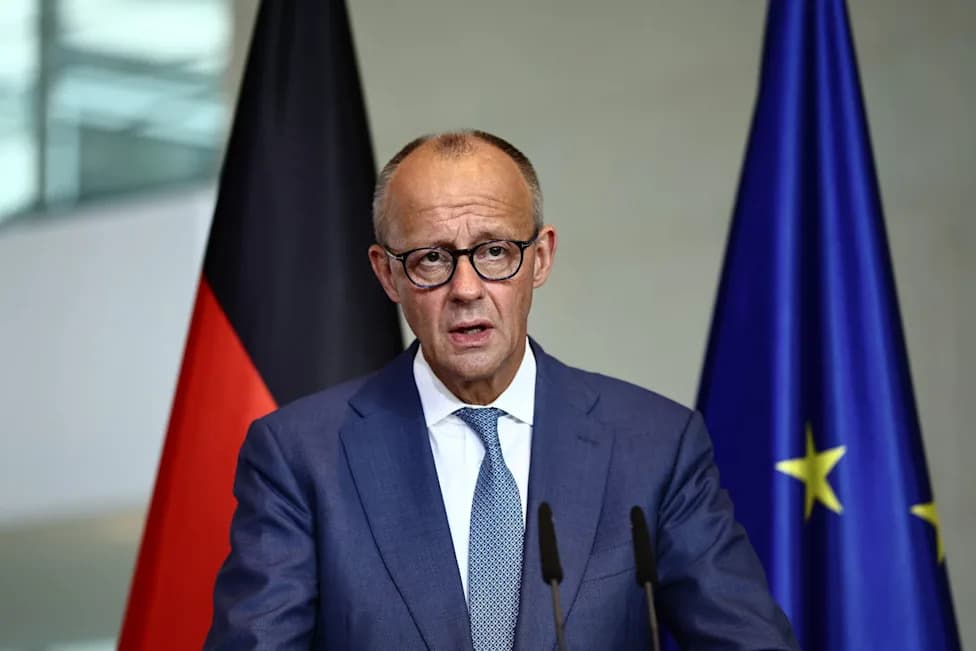
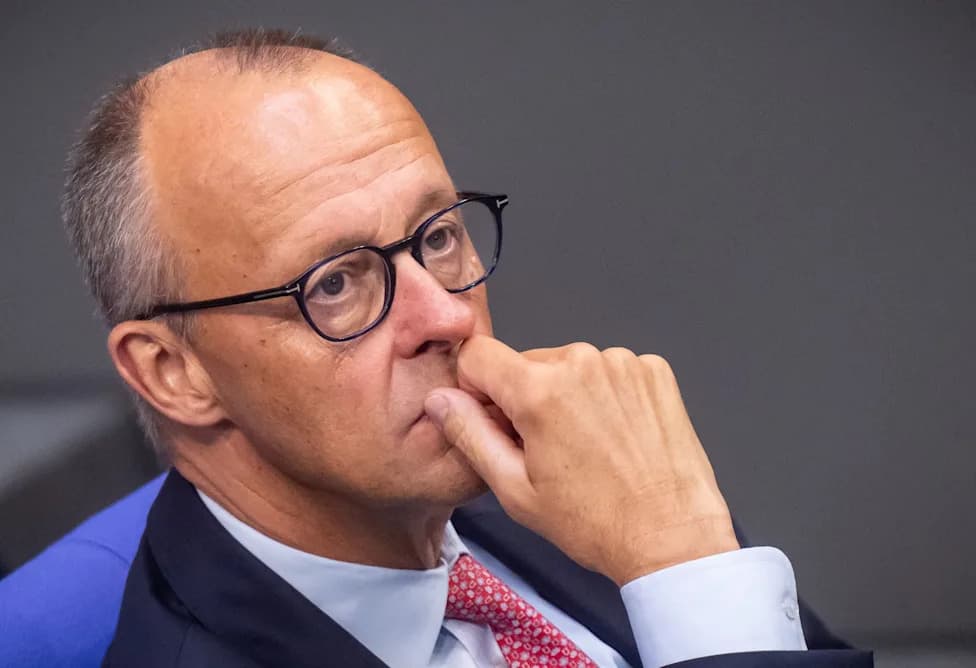
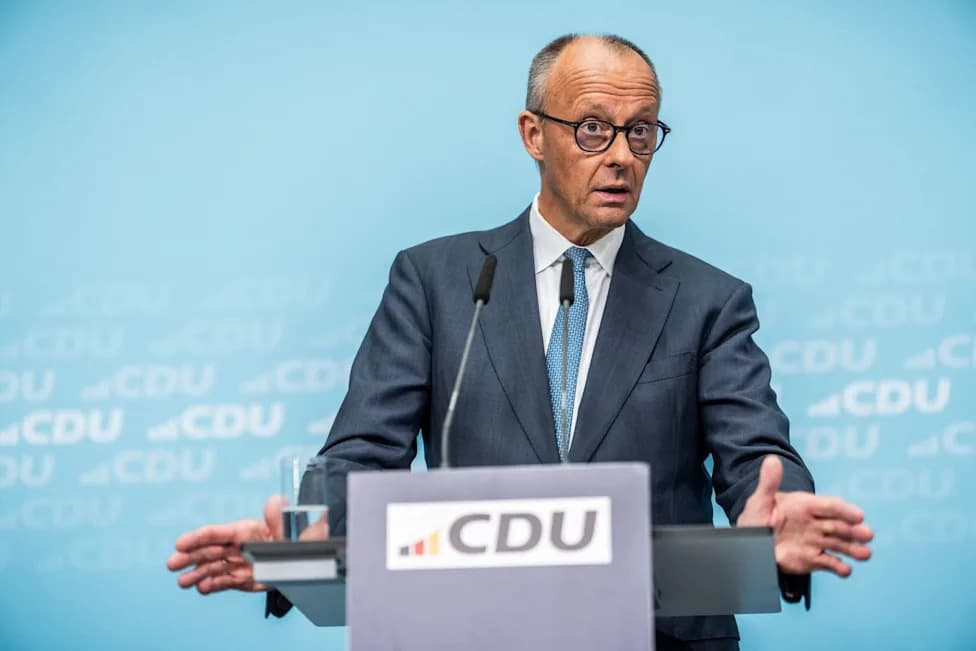
German Chancellor Friedrich Merz has called off a planned U.N. trip, with officials saying his presence is required in Berlin amid mounting political pressure. The move follows a strong performance by the far-right AfD in the Sept. 6 Saxony-Anhalt election. Two regional votes on Sunday in Mecklenburg-Western Pomerania and Berlin could deepen CDU losses, including the risk of falling below the 5% threshold in Mecklenburg-Western Pomerania and losing state-level representation.
Merz Cancels U.N. Visit as Domestic Pressure Mounts Ahead of Regional Votes
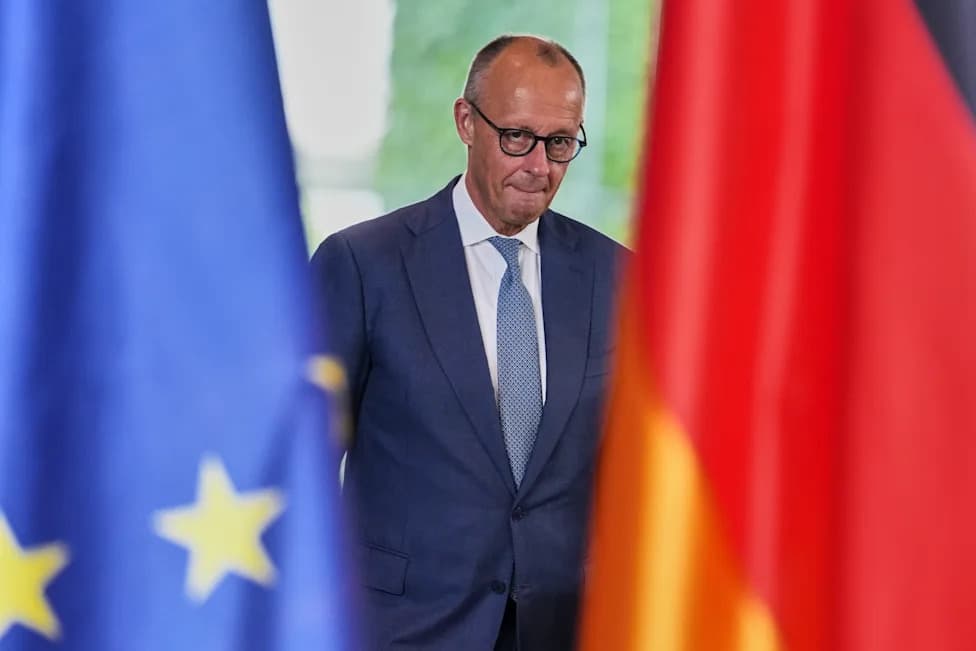
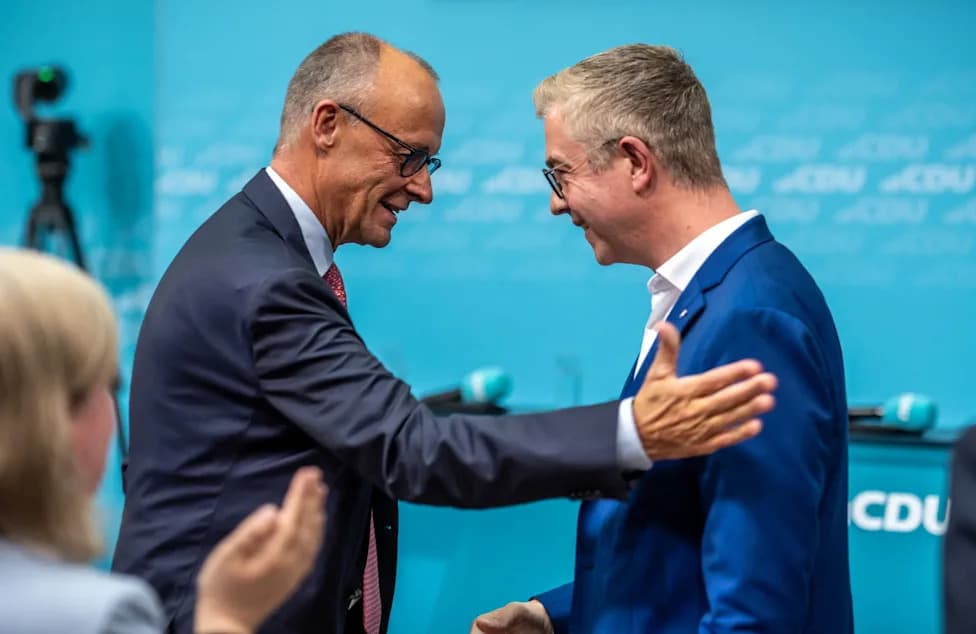
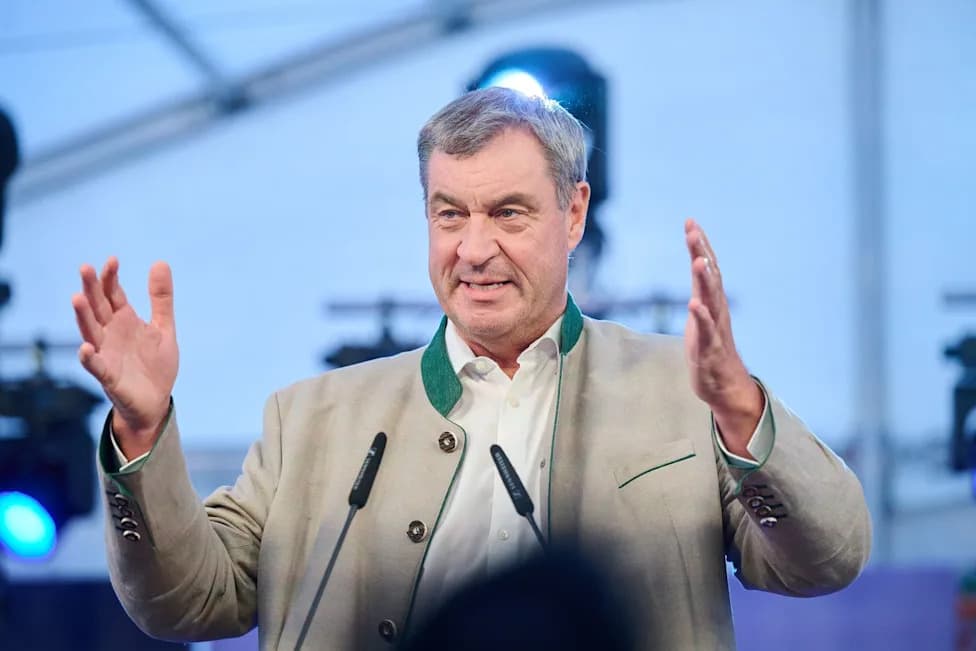
German Chancellor Friedrich Merz attends a press conference after a meeting with Iraqi Prime Minister Ali al-Zaidi in Berlin, Germany, Tuesday, Sept. 15, 2026. (AP Photo/Markus Schreiber)(AP Photo/Markus Schreiber)
German Chancellor Friedrich Merz has canceled a planned trip to the U.N. General Assembly next week, officials said, citing the need for his presence in Berlin as mounting domestic political pressure threatens his authority.
An unnamed government official, speaking Wednesday on condition of anonymity because the trip had not been officially announced, said Merz will not travel to New York as originally scheduled. He had been expected to address the General Assembly next Wednesday.
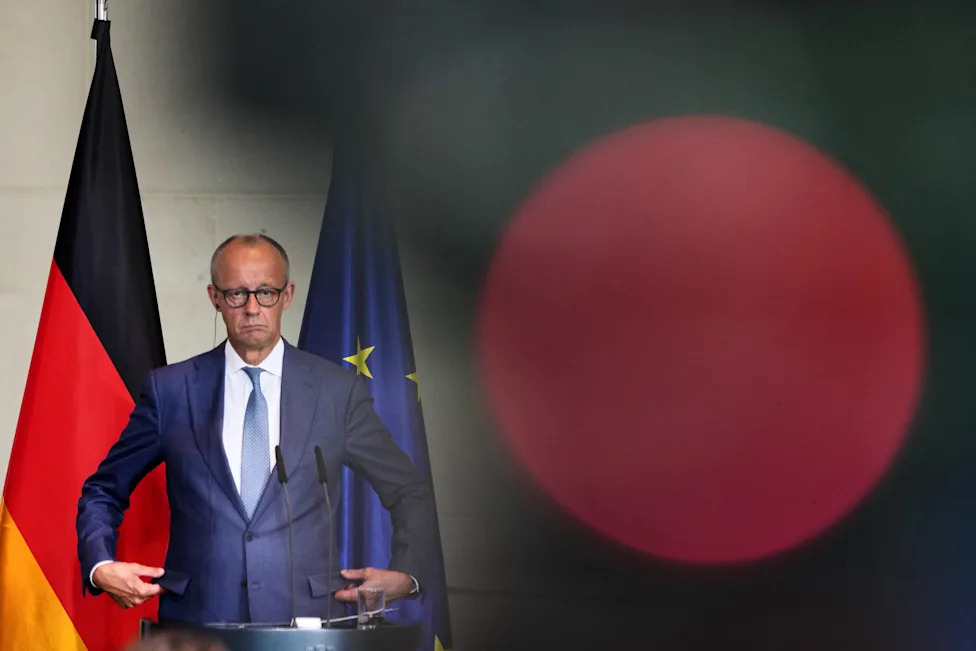
German Chancellor Friedrich Merz attends a press conference after a meeting with Iraqi Prime Minister Ali al-Zaidi in Berlin, Germany, Tuesday, Sept. 15, 2026. (AP Photo/Markus Schreiber)(AP Photo/Markus Schreiber)
"His presence is required in Berlin," the official said.
Background
The decision comes after a painful setback for Merz’s center-right Christian Democratic Union (CDU) in the Sept. 6 election in Saxony-Anhalt, where the far-right Alternative for Germany (AfD) made significant gains. That defeat has intensified speculation about Merz’s political standing as he seeks to push through reforms aimed at revitalizing Germany’s sluggish economy.
What’s at Stake
- Two regional elections are scheduled for Sunday — in Mecklenburg-Western Pomerania, a largely rural state in the northeast, and in Berlin, the capital.
- AfD Momentum: The AfD is widely expected to increase its vote share in both contests, though it faces limited prospects of taking power in Berlin and a tougher contest against the incumbent center-left governor in Mecklenburg-Western Pomerania.
- Risks for the CDU: The CDU could lose the mayor’s office in Berlin, which it has held since 2023. In a worst-case scenario, the party could fall below the 5% threshold in Mecklenburg-Western Pomerania, which would mean no representation in that state legislature and, for the first time, potentially no seats in any state legislature.
For Merz — who took office 16 months ago at age 70 — the next few days will be critical. Party and government officials have given no further official reason for the cancellation beyond the need for him to remain in Berlin, but the timing has fueled speculation over the chancellor’s future amid a shifting regional political landscape.
Note: All facts are reported as provided by government sources and recent regional election results; further developments may follow after Sunday’s votes.
Help us improve.