Tehran witnessed two sharply different public events on the same morning: a 10km city marathon in which some women ran without headscarves, and a state-run "Jan-Fada" military-style rally featuring Basij units and large numbers of veiled participants. Authorities have opened a judicial case against the marathon organisers for alleged breaches of legal and religious standards, while state media reported attendance figures of roughly 300,000. The events underscore growing public challenges to Iran's mandatory hijab rules amid an intensified security and political climate and reported rights abuses.
Contrasts in Tehran: Unveiled Women Run 10km While State Stages Massive Pro-Regime Military Rally
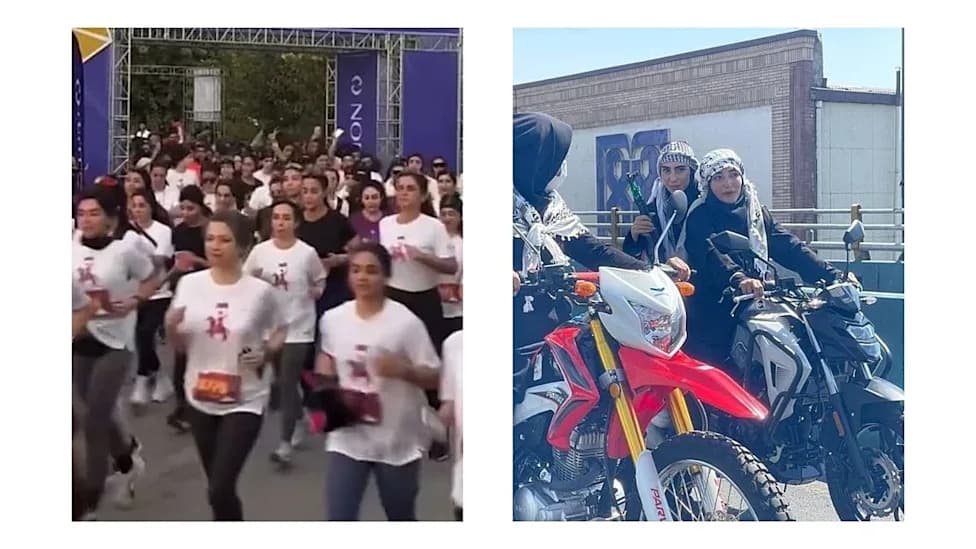
Contrast in Tehran as unveiled women race marathon alongside regime military display
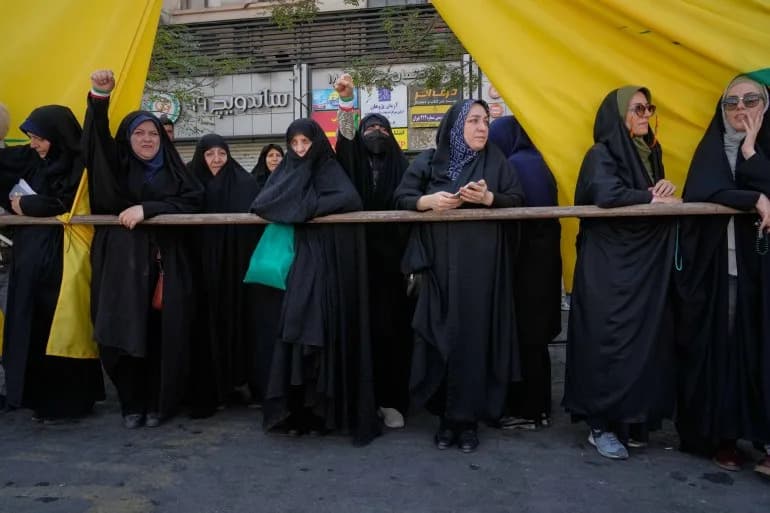
Tehran presented two sharply contrasting public scenes on the same morning: a city 10-kilometre running event in Velayat Park where some women were photographed without headscarves, and a state-organised military-style rally — the "Jan-Fada" (Self-Sacrificers) procession — featuring Basij forces, military hardware and large numbers of veiled participants.
The Marathon
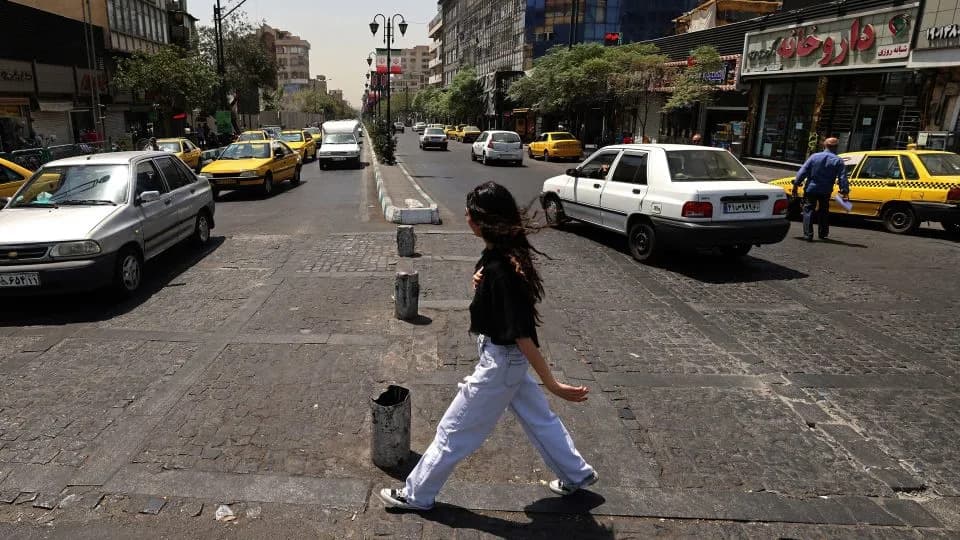
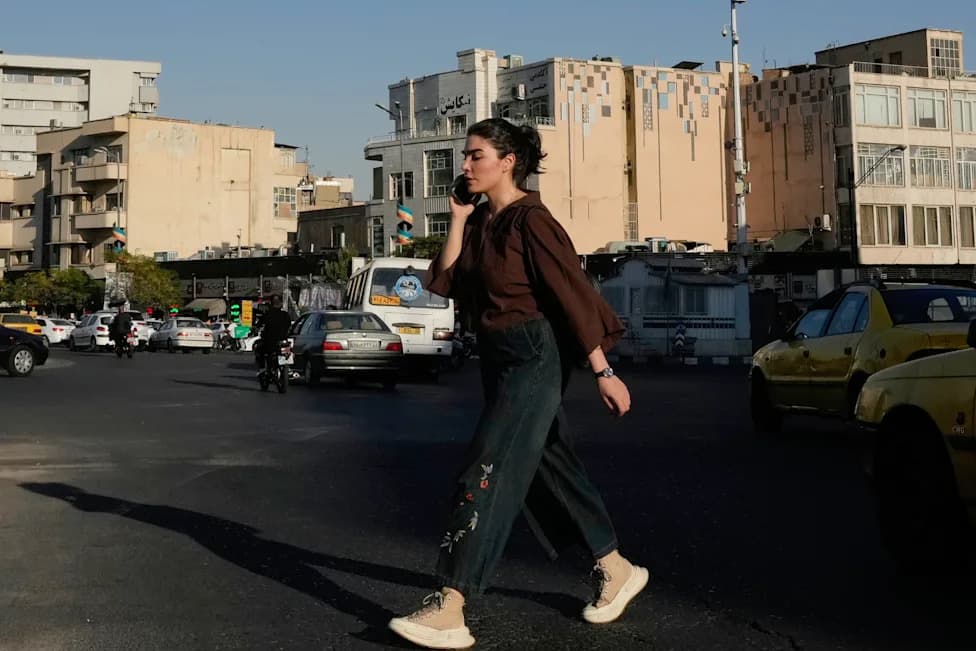
The Tehran 10km race ran with separate men's and women's divisions. According to the official timetable, the women's race began at 05:30 and the men's at 07:00. Published images showed some female competitors running without headscarves and wearing conventional athletic attire such as long-sleeve tops and track pants.
Authorities have since faced criticism: the Tehran Prosecutor's Office announced a judicial case against the marathon organisers for an alleged "failure to observe legal and religious standards," HRANA (Human Rights Activists News Agency) reported. The race proceeded despite the recent cancellation of a similar event — the Mahan Run in Kerman — after local seminary leaders objected to co-ed participation and officials withheld a permit.
The "Jan-Fada" Rally
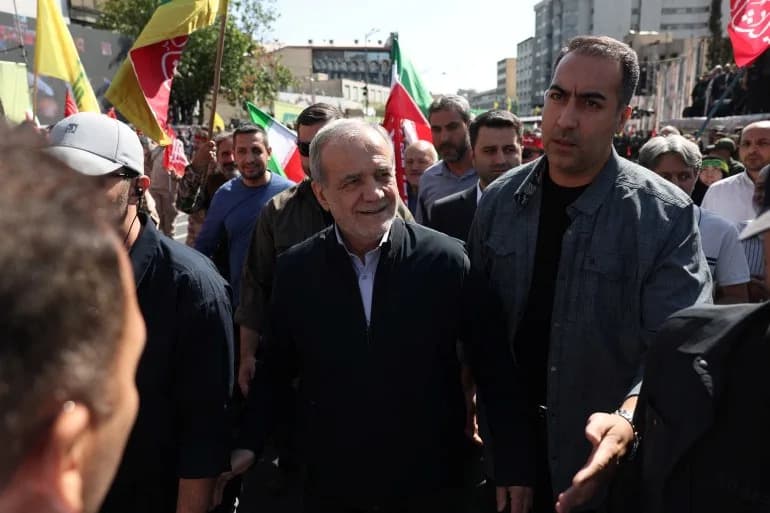
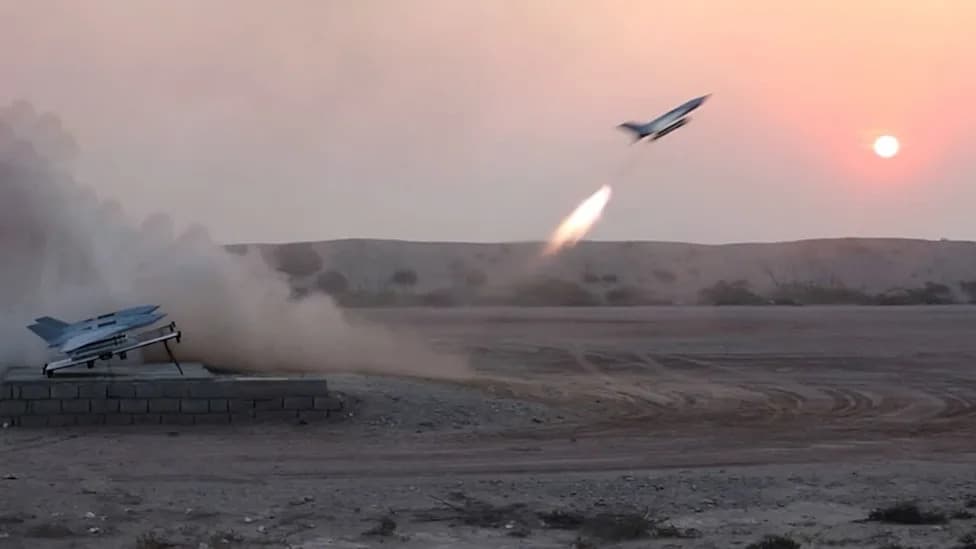
Only a short distance away, central Tehran hosted the state-organised "Jan-Fada-ye Iran" (Iran's Self-Sacrificers) drill. State media reported attendance figures around 300,000–313,000. The procession moved from Imam Hossein Square toward the city centre, displaying drones, military hardware and organised Basij formations. Among widely circulated images was a striking photograph of a woman in a full chador, with a baby wrapped in a keffiyeh, positioned behind a machine gun.
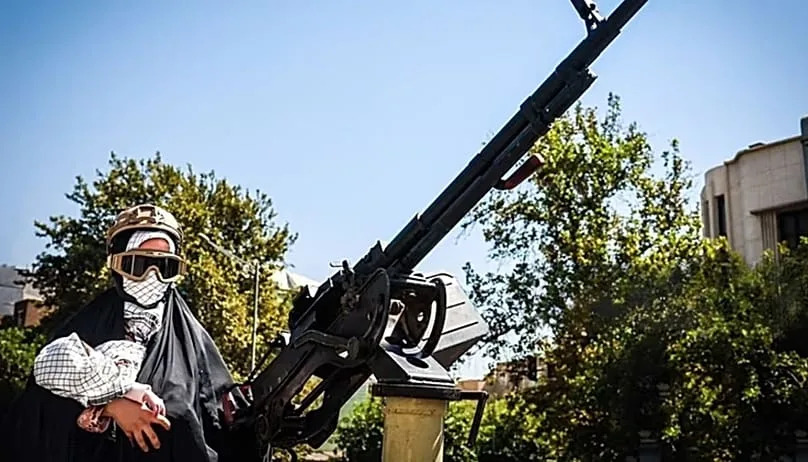
A woman holding a baby behind a machine gun" Photo: Mostafa Tehrani / Tasnim News Agency - AP Photo
Numbers, Claims And Verification
Organisers have claimed very large enrolment figures for the Jan-Fada campaign — around 32 million registrations, with roughly 32% reported as women. With Iran's population near 90 million, organisers' numbers would imply participation or sign-up by a significant share of the population. These figures are presented by officials and cannot be independently verified.
Legal And Social Context
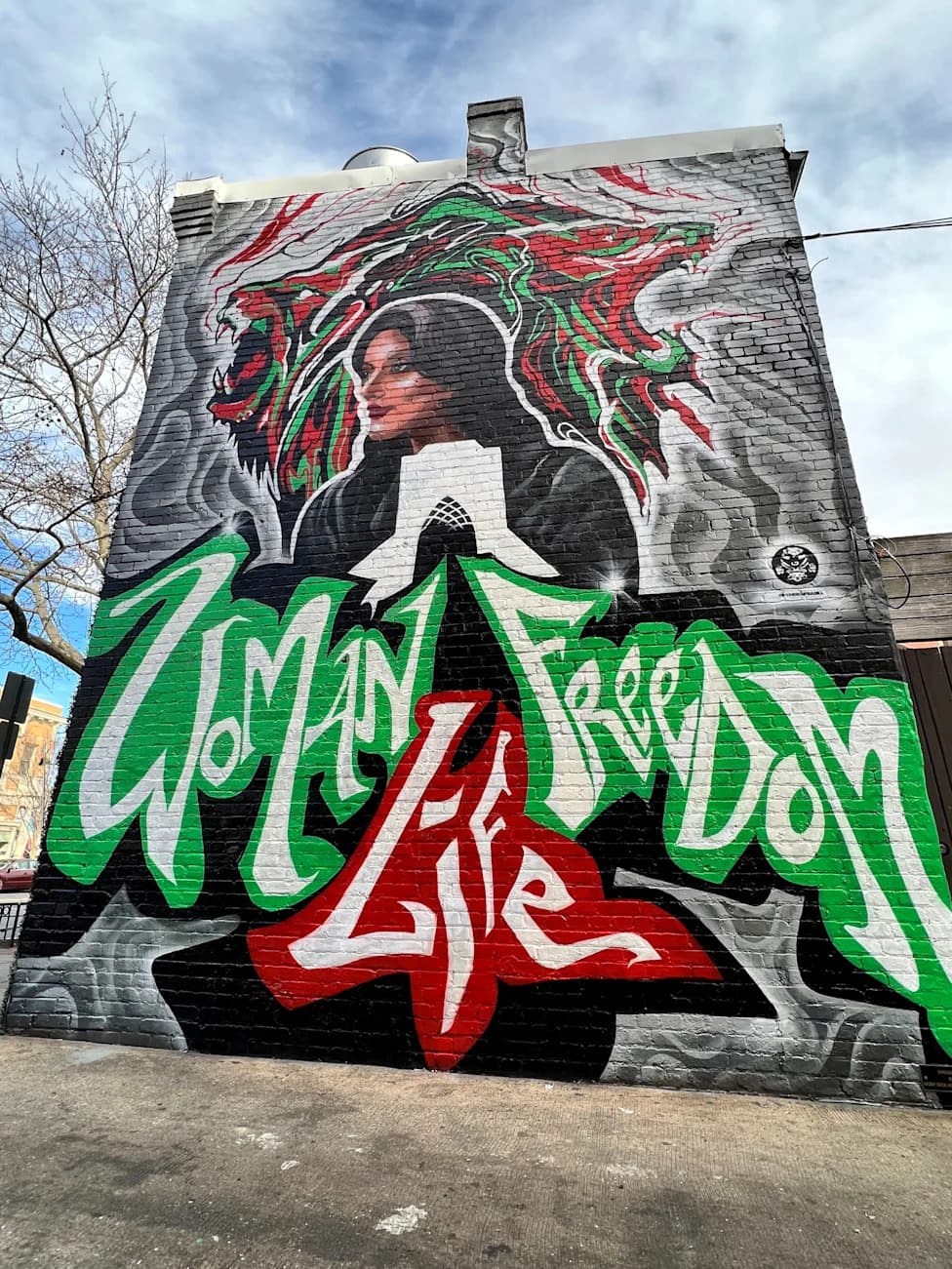
Under Iranian law, women are required to wear the hijab in public. Four years after the "Woman, Life, Freedom" movement began, an increasing number of women have publicly challenged the rule by appearing unveiled or wearing the hijab in ways that do not meet official standards. Similar instances of unveiled women at races or rallies have previously triggered conservative backlash and legal action — including controversy after a marathon on Kish Island last December.
Human Rights Concerns
These contrasting public scenes unfold against a tense domestic and regional backdrop, including reported strikes and heightened security measures. Human rights groups report ongoing repression: Human Rights Watch said at least 29 people arrested in connection with the January protests were executed between March 18 and the end of August.
Photo credit: Mostafa Tehrani / Tasnim News Agency - AP Photo
What defined Tehran that morning was this juxtaposition: a heavily mobilised, weapon-focused state demonstration on one side, and a civilian sporting event that highlighted changing patterns of women's visibility in public life on the other. Both scenes reflect competing messages about authority, social norms and public space in contemporary Iran.
Help us improve.