Four years after Mahsa Amini died in custody, survivors of Iran’s 2022 "Woman, Life, Freedom" uprising say her name remains a potent symbol of resistance. The protests spread nationwide and the state’s violent crackdown left hundreds dead and thousands detained. Families such as that of Yasser and Jowhar Fattahi continue to mourn while insisting the movement represents broader demands for women’s rights, dignity and political change.
‘Woman, Life, Freedom’: Survivors Mark Fourth Anniversary of Mahsa Amini’s Death as Movement Endures
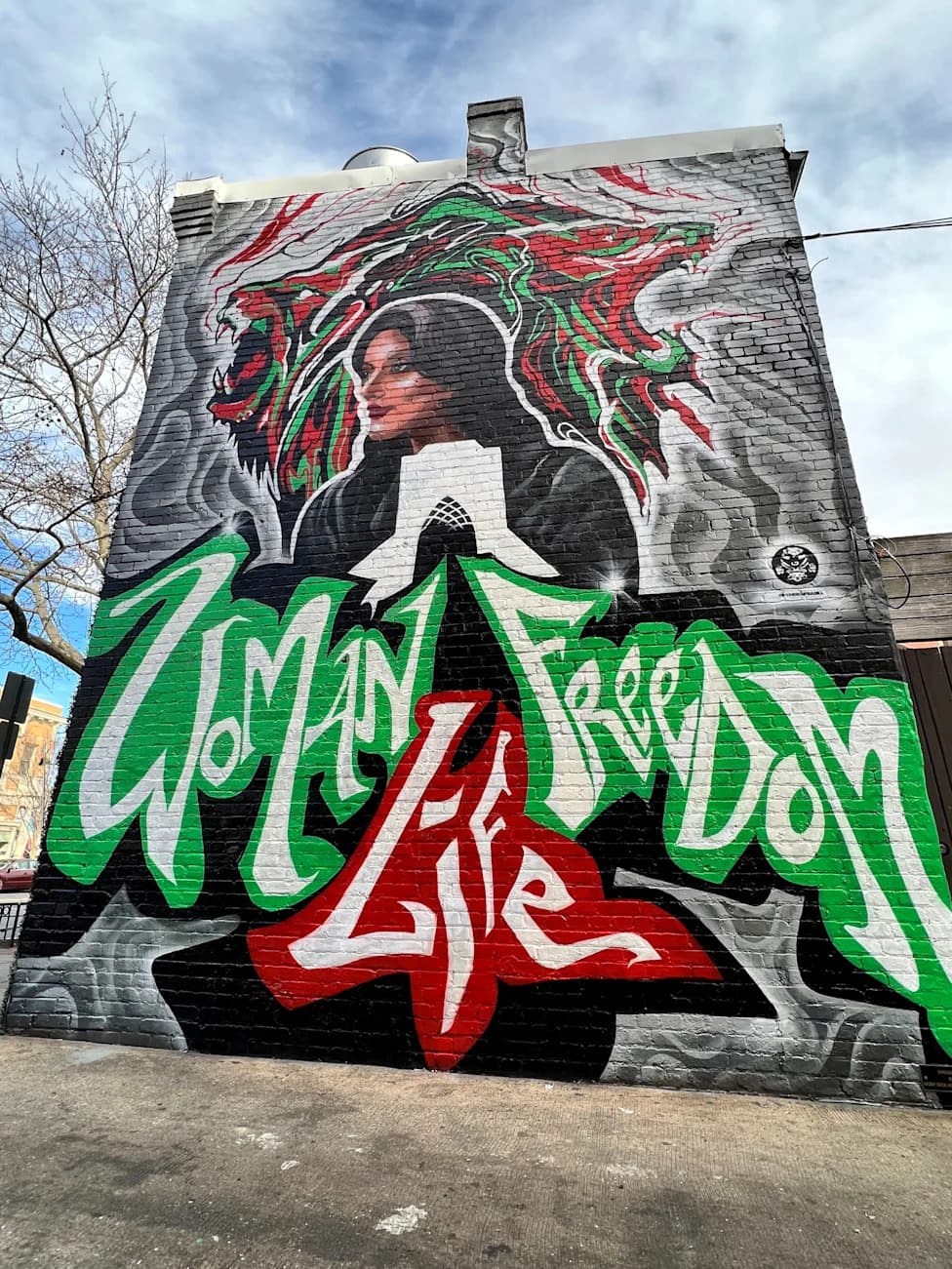
A mural of Mahsa Amini painted by Chilean-American artist Rodrigo Pradel in collaboration with Yasi Farazad, his Iranian-American friend, is pictured in Washington, United States in this undated handout picture. (photo credit: Yasi Farazad/Handout via REUTERS)
Four years after the death in custody of 22-year-old Kurdish-Iranian Mahsa Amini, survivors of the 2022 "Woman, Life, Freedom" uprising reflect on her lasting symbolic power, the brutality they witnessed during the crackdown and how the unrest transformed their lives.
Amini, from Sanandaj in western Iran, was detained by Tehran’s morality police on September 13, 2022, accused of wearing her hijab improperly. She collapsed shortly after being held at the Vozara Detention Center, fell into a coma and died three days later on September 16.
The Iranian Police Information Center asserted that Amini suffered a cardiac seizure while in custody. UN investigators reached different conclusions: a UN human rights expert said evidence indicated she died "as a result of beatings," and the UN Fact-Finding Mission on Iran reported it had "established the existence of evidence of trauma to Ms Amini's body, inflicted while in the custody of the morality police," documenting recurring "patterns of violence."
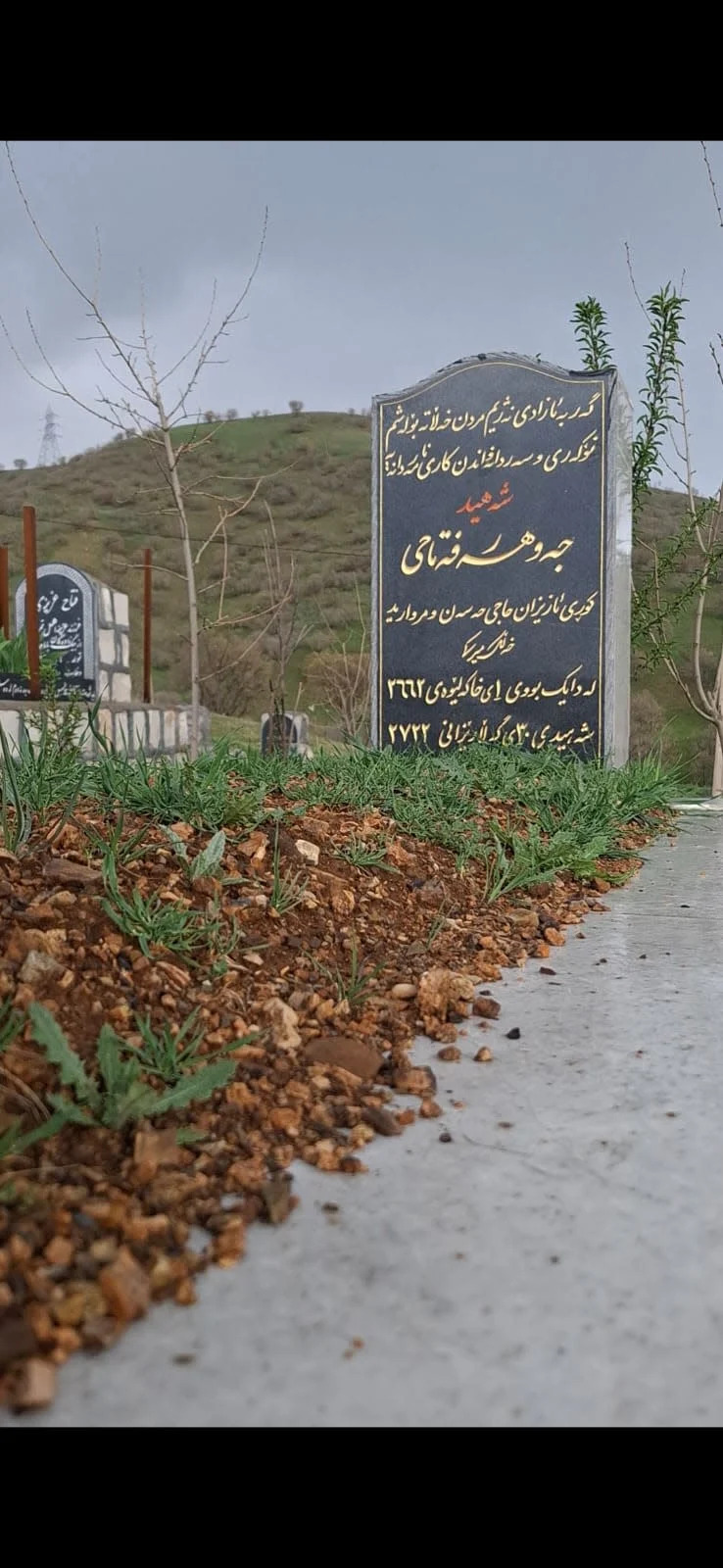
Jowhar Fattari's grave. (credit: Courtesy)
The public response was swift and widespread. Protesters rallied in at least 134 cities and towns and on 132 university campuses across 26 of Iran’s 31 provinces. The state’s response was severe: security forces fired live rounds into crowds, carried out mass arrests and forcibly disappeared many demonstrators. According to UN figures, at least 49 women and 68 children were killed in the streets during the initial crackdown.
Personal Loss and Collective Grief
One family directly affected was that of Yasser Fattahi. His father, 60-year-old Jowhar Fattahi, is counted among the 551 Iranians later confirmed killed by regime security forces. Yasser recalls that on November 21, 2022, Jowhar left their hometown of Javanrud in Kermanshah Province to join a march after two local relatives, Bahaeddin Vaisi and Erfan Kakayi, had been killed.
Local people, fearing the authorities would seize the bodies, guarded them overnight and some 30,000 residents joined funeral and memorial ceremonies before marching in the victims’ memory. Though Jowhar had no formal higher education, Yasser describes him as principled and compassionate: "He used to tell us, 'Neither oppress anyone nor allow anyone to oppress you.'"
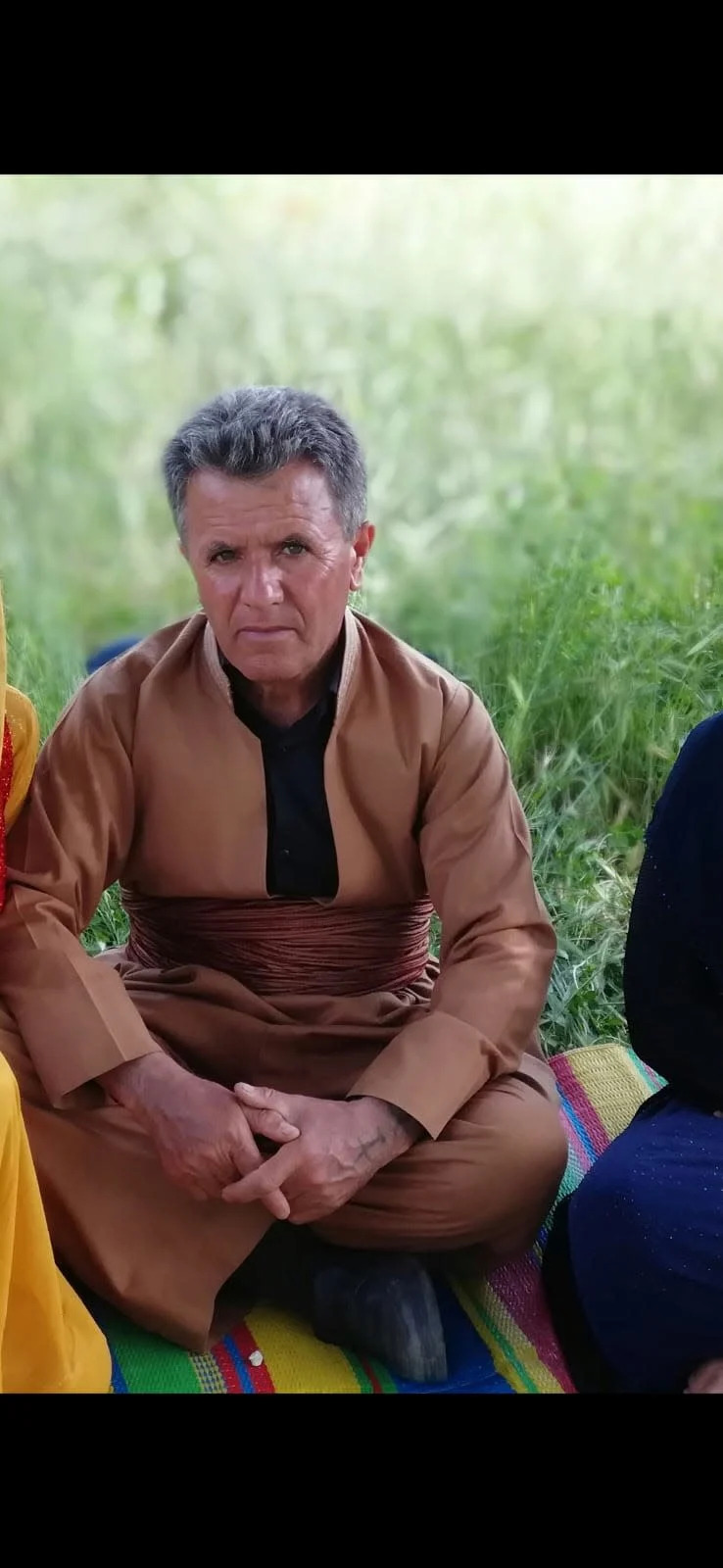
Jowhar Fattari. (credit: Courtesy)
When the Islamic Revolutionary Guard Corps (IRGC) opened fire, Yasser — a nurse — was treating wounded people in Sanandaj while his father marched at home. A family friend later told Yasser that Jowhar had stopped to help a young woman who had been shot. After he refused to leave her, security forces shot him in the femoral region of his left leg. He later lost consciousness, was taken to a hospital and died from his wounds. Friends secretly removed his body to prevent authorities from seizing it and buried him away from the city’s main cemetery.
The Movement’s Meaning
For survivors like Yasser, Amini’s name has become a rallying cry for freedom and a lasting reminder of the human cost of dissent. "'Woman, Life, Freedom' is not merely a slogan," he said. "It is far more complex, and at the same time, it is the simplest demand one could possibly make."
"Women nurture and raise us, and without their freedom, we cannot expect free human beings to exist." — Yasser Fattahi
Yasser stressed that the movement transcends the single issue of the hijab. While the way Amini was treated and the restrictions on dress were the catalyst, the protests voiced broader demands for women's dignity, bodily autonomy and political change. Many demonstrators feared hospitals and public medical care because of documented abductions and reprisals, leading people to hide injured protesters and bury the dead secretly to prevent government seizure.
The struggle continues, and the memory of those lost — like Jowhar — remains central to a movement that many survivors describe as a fight for fundamental freedoms and human dignity.
Help us improve.