President Trump promised $5,000 checks if Republicans keep power, but many of the administration's policies have already acted as a "dividend" — largely benefiting the wealthy and corporations rather than ordinary households. Tariff refunds totaling roughly $100 billion have not proportionally returned to consumers, and the One Big Beautiful Bill Act gave far larger tax breaks to the richest 1 percent than to low-income families. Rising wealth concentration and proposed policy changes such as Medicaid work requirements threaten to worsen affordability for millions.
The Trump 'Dividend' Has Already Been Paid — And It Went To The Rich, Not You
The Trump Dividend Checks Have Already Gone Out. Just Not to You.
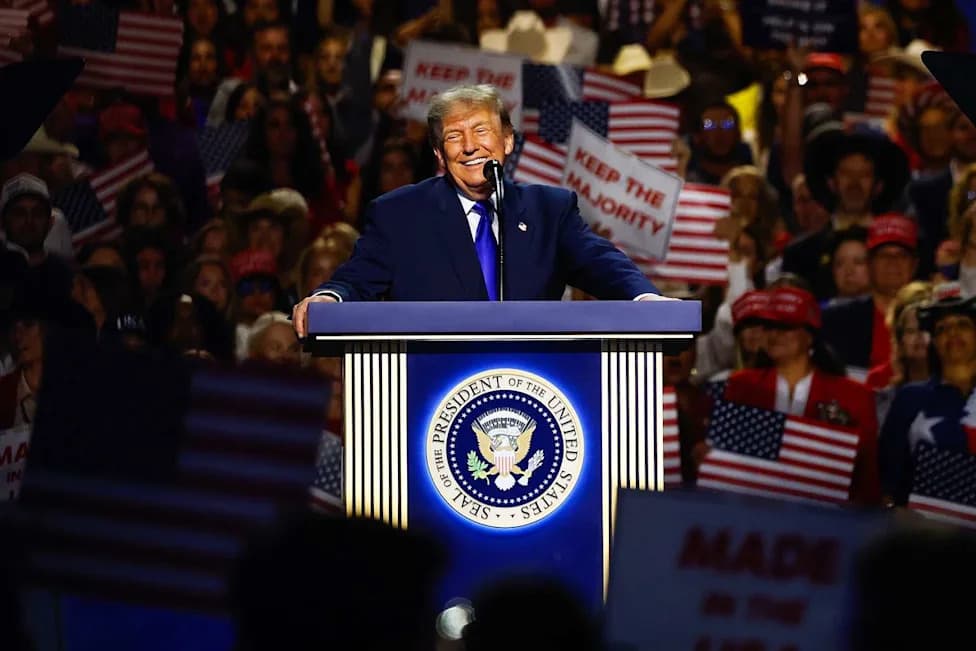
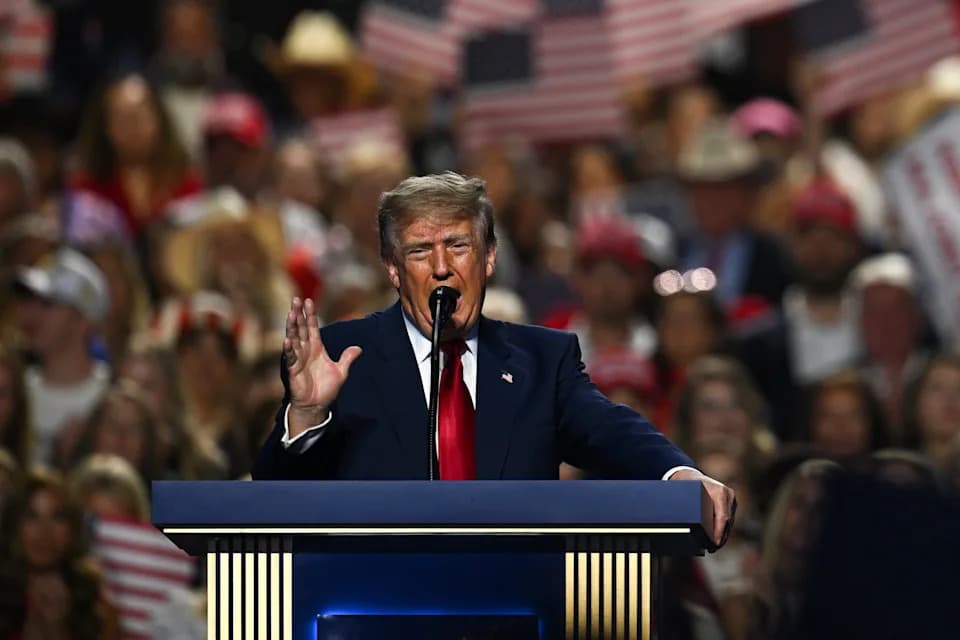
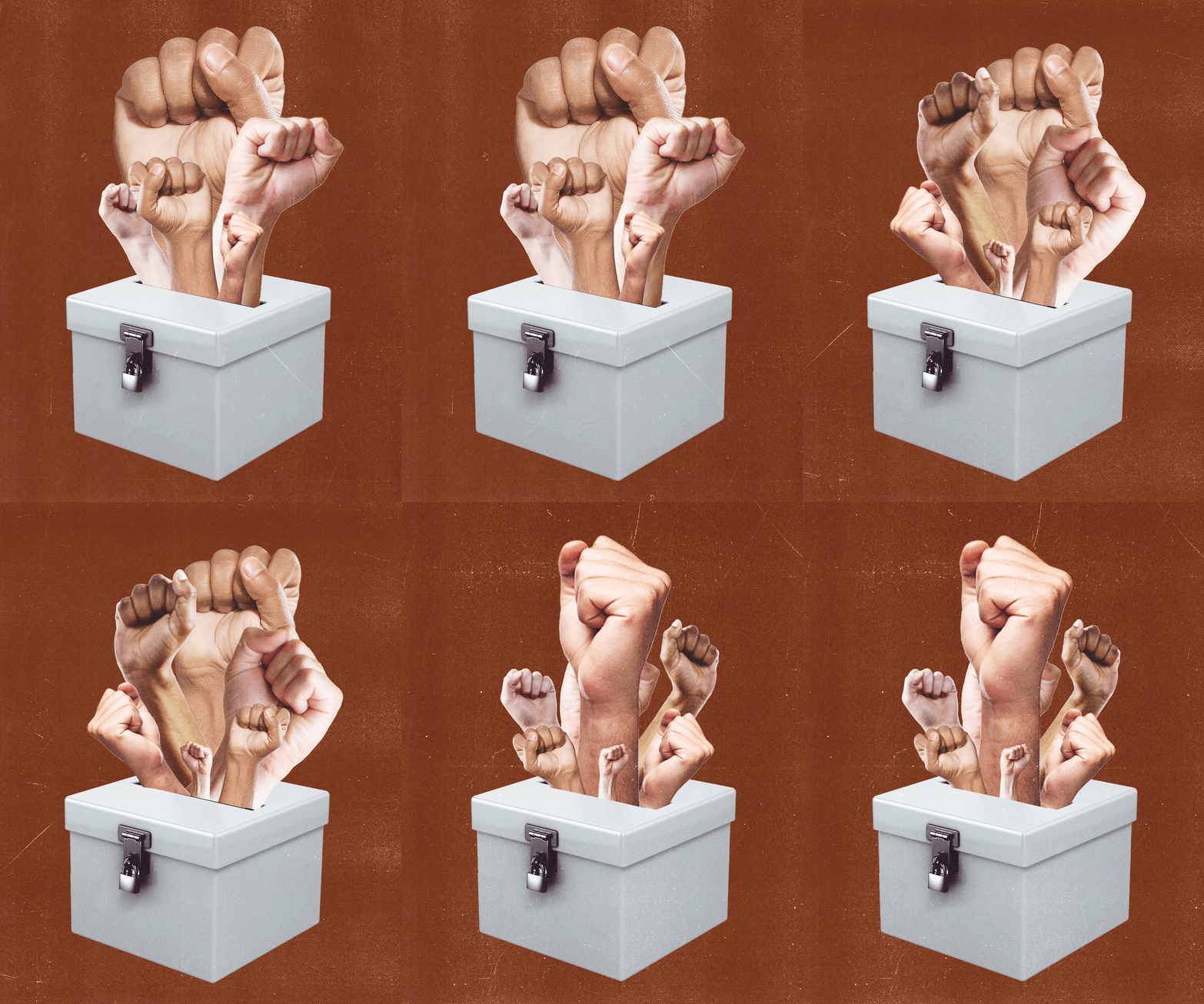
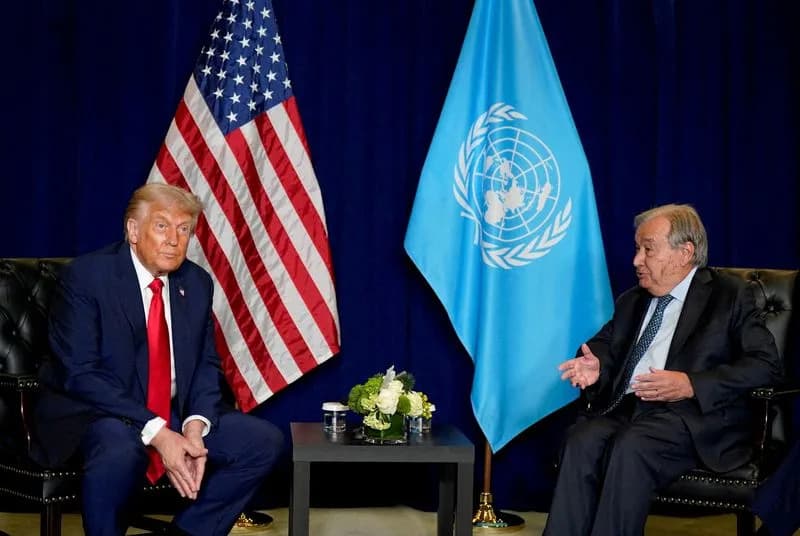
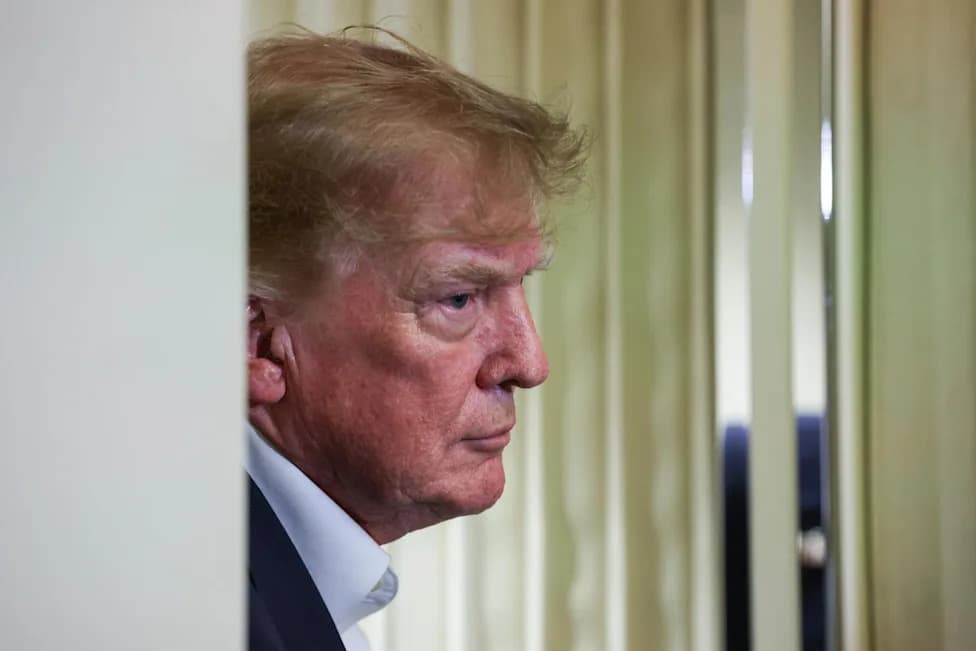
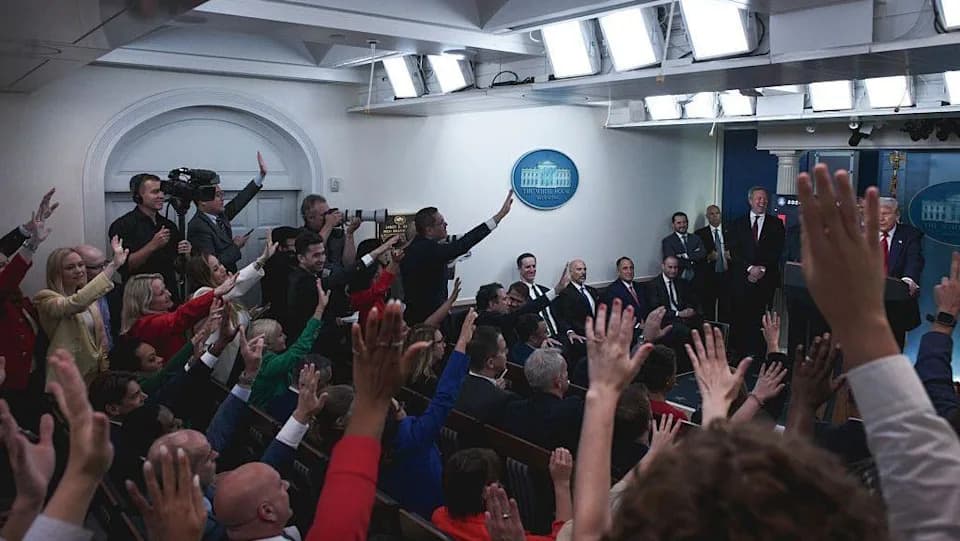
Last week President Donald Trump promised that if Republicans retain control after this year's midterms every American would receive a $5,000 "dividend." The headline sounded like a populist flourish, but the policy conversation it sparked obscured a simpler truth: a form of COVID-era-style payout has already happened — just not to most households.
How the 'Dividend' Has Already Been Distributed
Many of the administration's economic moves have functioned as transfers to wealthy individuals, corporations, and connected insiders rather than broad relief for working families. One clear example is the administration's tariff policy. Trump once suggested tariffs could generate enough revenue to replace the income tax; in practice, tariffs were imposed irregularly and often reflected the president's geopolitical grievances rather than stable trade policy. The Supreme Court later ruled significant portions of the tariff program unlawful, but the policy still reshaped prices across the economy.
According to ABC News, the administration has issued roughly $100 billion in tariff refunds. That might sound like money coming back to consumers: the Tax Foundation estimated that the tariffs cost the average household about $700. But most consumers have not seen those refunds returned to their pockets. Some companies have pledged to pass money back to customers, while others have kept refunds to reinvest, cover rising input costs, or shore up corporate balance sheets.
Small businesses felt the disruption too. ABC highlighted an owner who received a $50,000 refund only after laying off staff and tapping retirement savings to stay afloat while waiting for the payment. A delayed reimbursement can help on paper, but it cannot undo the immediate damage of staff cuts or lost income.
Legislation That Favored The Wealthy
Congress has also enacted tax changes that disproportionately benefit high earners. The so-called One Big Beautiful Bill Act (OBBBA) delivered appreciable tax savings to upper-income taxpayers: people earning roughly between $153,600 and $361,400 received about $5,190 under the law, according to the reporting and analysis cited in the original piece. But analysis from the Institute on Taxation and Economic Policy shows the biggest gains went to the wealthiest 1 percent, who saved more than $66,000 on average. By contrast, the poorest 20 percent received roughly $40 — an amount that in many cases is offset by cuts to Affordable Care Act subsidies they used to buy health insurance.
Widening Wealth Concentration And Real-World Consequences
Wealth concentration has real consequences for housing, homelessness, and community stability. A 2024 study by the Institute for Policy Studies and Popular Democracy found that growing wealth inequality is exacerbating gentrification, homelessness, unaffordable rentals, and barriers to homeownership. Critics say wealthy investors are buying single-family homes to speculate, leaving units vacant or using them as short-term rentals and thereby removing units from the long-term housing supply. Estimates cited in the original reporting put billionaire wealth growth at about 30.6 percent as of Tax Day 2026.
At the same time, a memo from Americans for Tax Fairness argues that many working Americans have faced higher costs for health care, gasoline, and food while wages have stagnated or declined during Trump's tenure. Proposed or pending policy changes, such as Medicaid work requirements expected after the midterms, could strip coverage from an estimated seven million people if implemented — a further source of financial strain for vulnerable households.
What This Really Means
The $5,000 "dividend" pitch is politically powerful because it acknowledges a real affordability problem. But the administration's track record suggests that when transfers have occurred, they have largely boosted the fortunes of the wealthy and corporate executives rather than restoring purchasing power for most Americans. Whether a future legislative push would deliver direct checks to households remains uncertain; given past policy choices, many analysts are skeptical.
"It's a big club, and you're not in it," captures the critique that recent policy changes have concentrated gains among a narrow slice of society.
This article originally appeared in Power Mad, a weekly newsletter by deputy editor Jason Linkins.
Help us improve.