B2U Storage Solutions has launched the Bexar Martinez project near San Antonio, adding 28 MWh of grid services to ERCOT and bringing its total repurposed storage in Texas to 50 MWh. The company manages more than 5,000 reused EV batteries and about 100 MWh of capacity across Texas and California. Repurposed batteries can lower costs, extend material life, and improve grid resilience by storing and dispatching power during peak demand.
Texas Adds 28 MWh of Grid Storage by Repurposing EV Batteries Near San Antonio
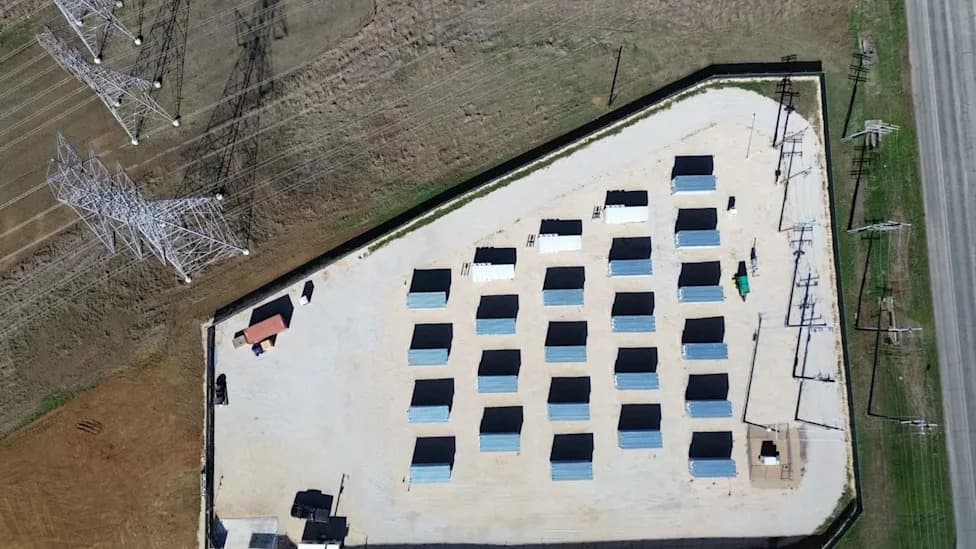
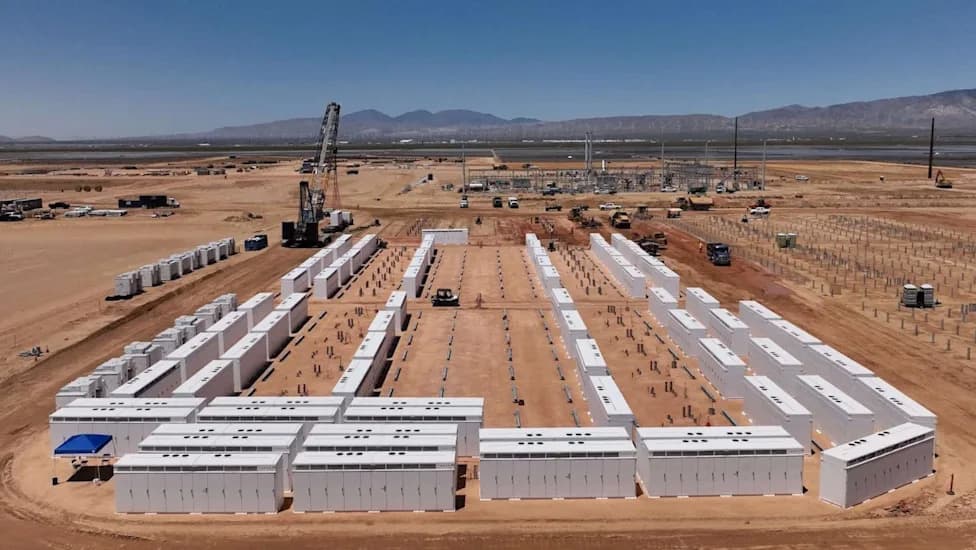
Photo Credit: B2U Storage Solutions
Texas is expanding its grid-scale energy storage by redeploying retired electric-vehicle (EV) batteries, offering a lower-cost, resource-efficient way to bolster reliability as electricity demand grows.
Solar Power World reports that B2U Storage Solutions has begun operations at its second Texas repurposed-EV project. The Bexar Martinez battery energy storage system, located near San Antonio, is now providing 28 megawatt-hours (MWh) of services to the Electric Reliability Council of Texas (ERCOT).
B2U says the Bexar Martinez site raises its total repurposed storage capacity in Texas to 50 MWh. Across Texas and California, the company manages more than 5,000 reused EV battery packs and operates roughly 100 MWh of storage in a mix of solar-paired and standalone configurations.
Why This Matters
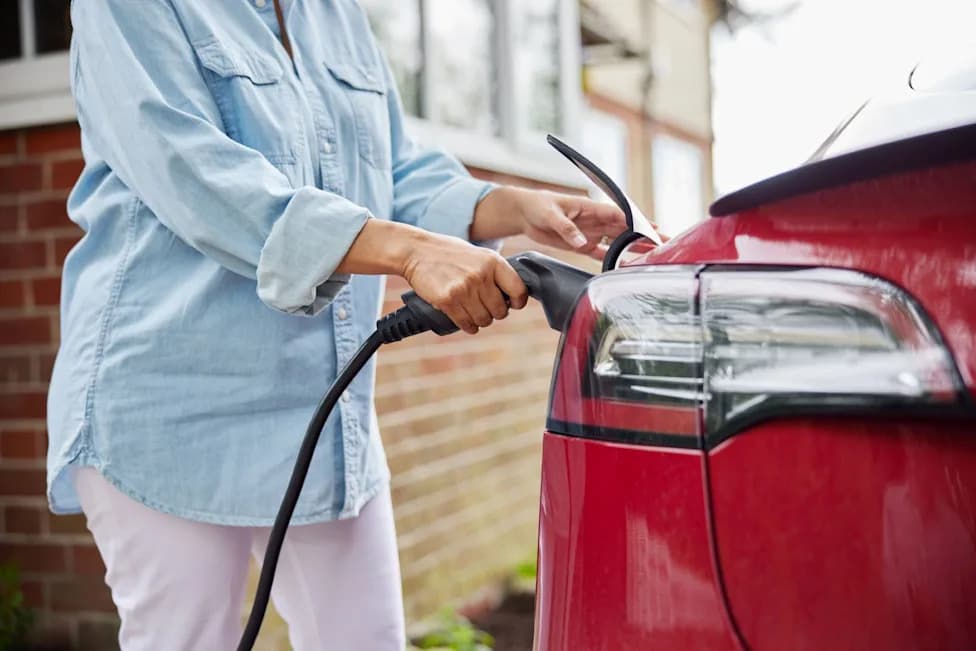
Repurposing EV batteries gives packs that no longer meet vehicle performance standards a second life storing grid electricity. These second-life systems can reduce capital costs for storage projects, extend the useful life of valuable battery materials, and lower the environmental footprint of battery deployment.
Grid Benefits
- Resilience: Storage can deliver electricity during peak periods or shortfalls and reduce strain on generation and transmission assets.
- Flexibility: Batteries store power when supply is abundant and dispatch it when demand spikes, helping balance variable solar and wind output.
- Cost Savings: Repurposed systems typically cost less than facilities built entirely with new equipment, making it easier and faster to add capacity.
"Bexar Martinez proves that second-life batteries can deliver reliable, cost-effective grid services at scale," said Freeman Hall, CEO of B2U Storage Solutions, as quoted by Solar Power World.
As utilities and developers race to strengthen the grid, Texas has become a major testing ground for battery storage. The Bexar Martinez project joins broader efforts across the state, from large new battery installations to solar-plus-storage developments and multi-hundred-million-dollar buildouts.
While second-life batteries offer clear advantages, developers and regulators continue to evaluate lifecycle performance, safety protocols, and integration pathways to ensure these systems meet reliability and longevity expectations. Nonetheless, projects like Bexar Martinez demonstrate a practical route to accelerating storage deployment while making better use of existing materials.
Help us improve.