North Korean workers have been sent to Russia’s front-line factories, including at least one Wildberries facility struck by Ukrainian drones this summer that killed nine people. A sanctions-monitoring report says some North Koreans have worked on Russian drone production lines as Moscow and Pyongyang deepen military and economic ties. Defectors describe brutal, near‑slave conditions, while Ukrainian officials allege large-scale troop deployments from North Korea to fight alongside Russian forces.
North Korean Workers Caught in Strikes on "Russian Amazon" Factories as Moscow Ties Deepen
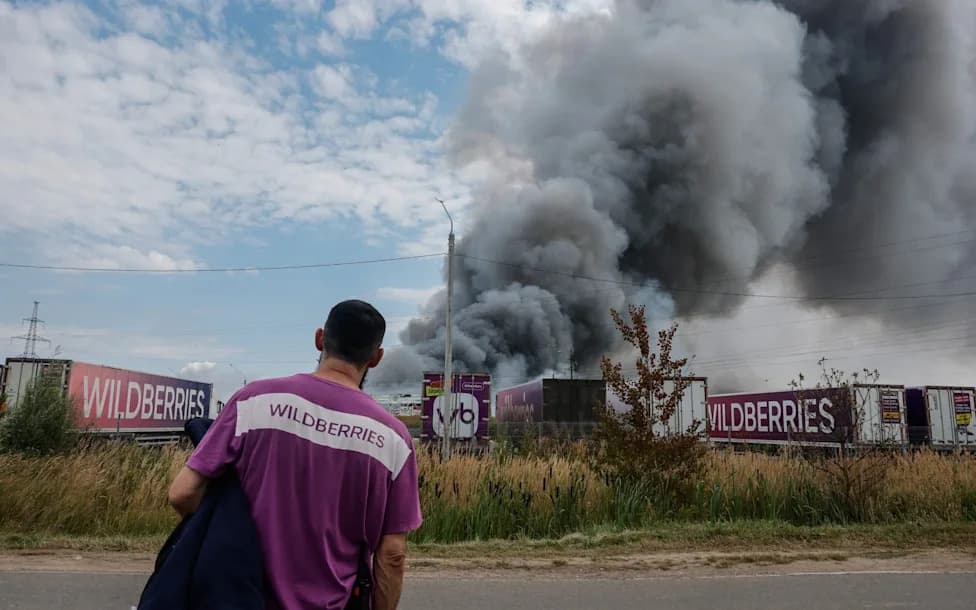
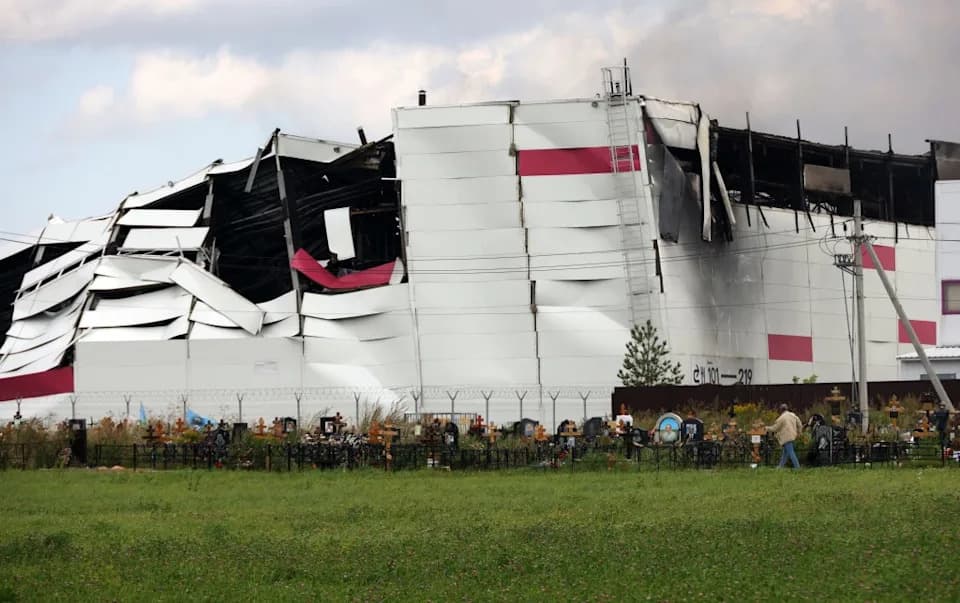
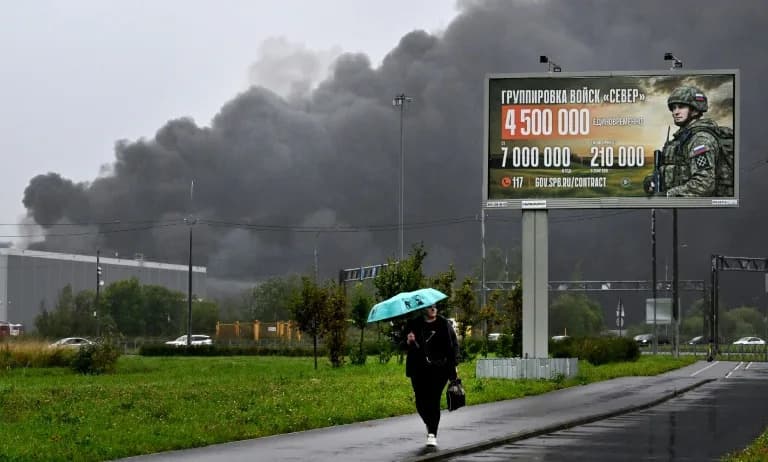
A Russian job site advertised for a Korean-language interpreter for Wildberries after several factories were hit by Ukrainian drones this summer - AFP via Getty Images/Tatyana Makeyeva
North Korean labourers have been sent to Russia's front-line factories to help fill labour shortages at sites that support the war effort, according to multiple reports.
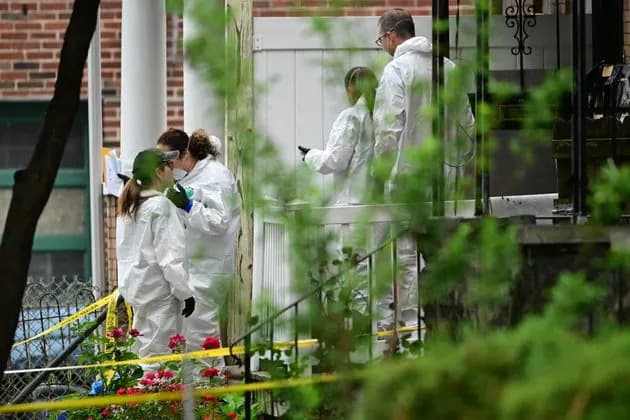
South Korean officials say North Korean nationals were employed at one of nearly two dozen Wildberries facilities—Wildberries being one of Russia's largest e-commerce companies—that was struck by Ukrainian drones over the summer. The attack reportedly killed at least nine people.
Soon after the attacks, a Russian jobs website advertised a Korean-language interpreter post for Wildberries, a development reported by The Wall Street Journal that suggests North Korean workers may still be employed at the firm.
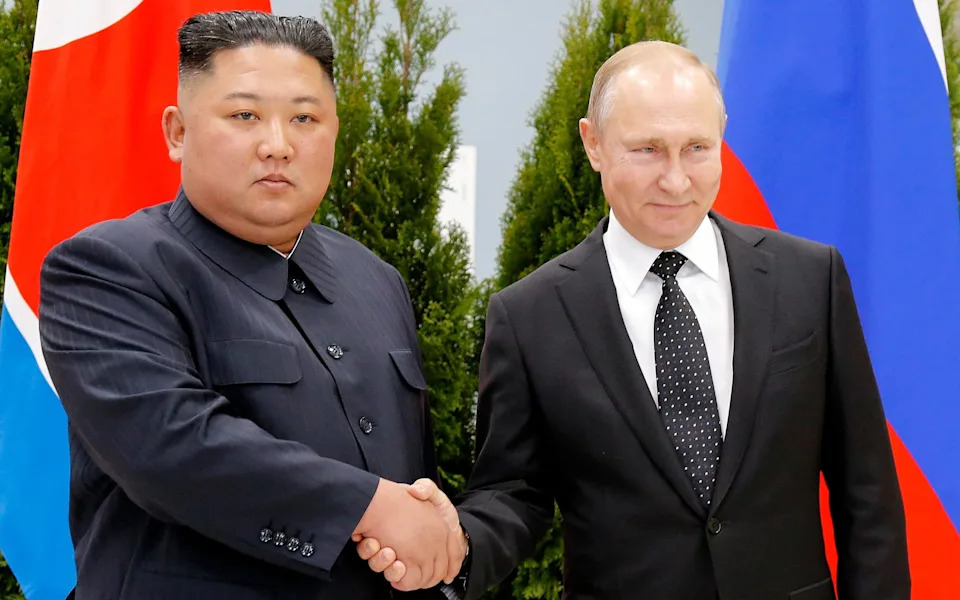
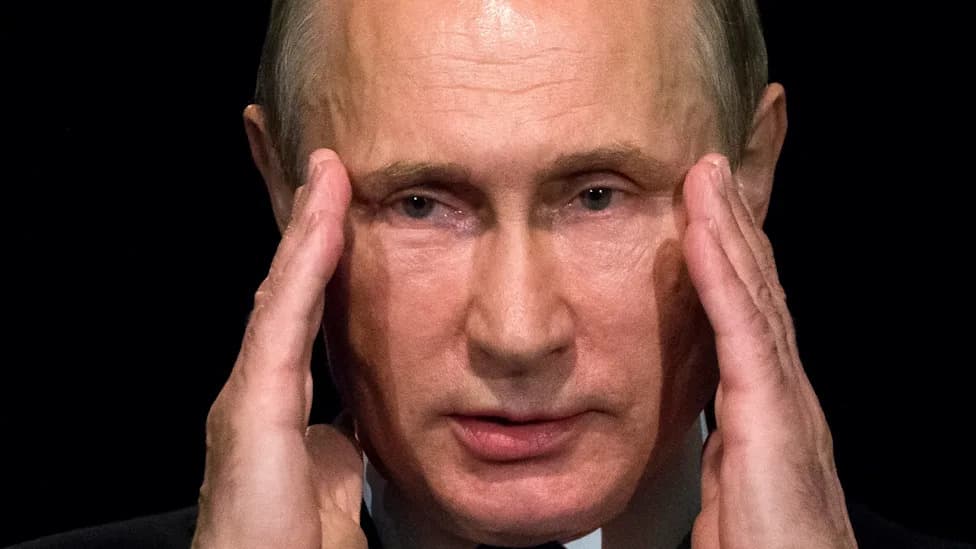
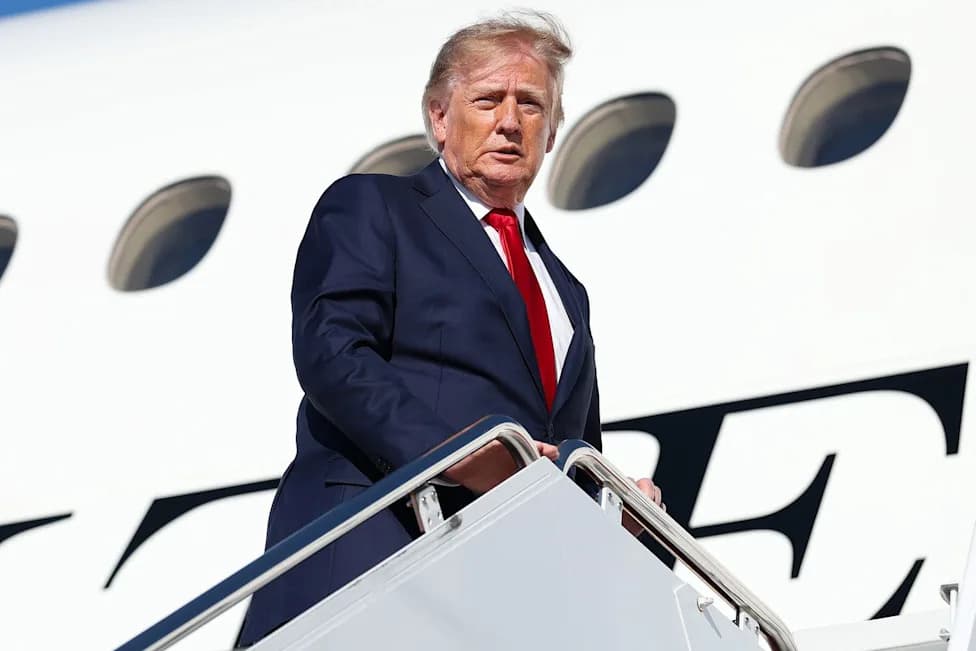
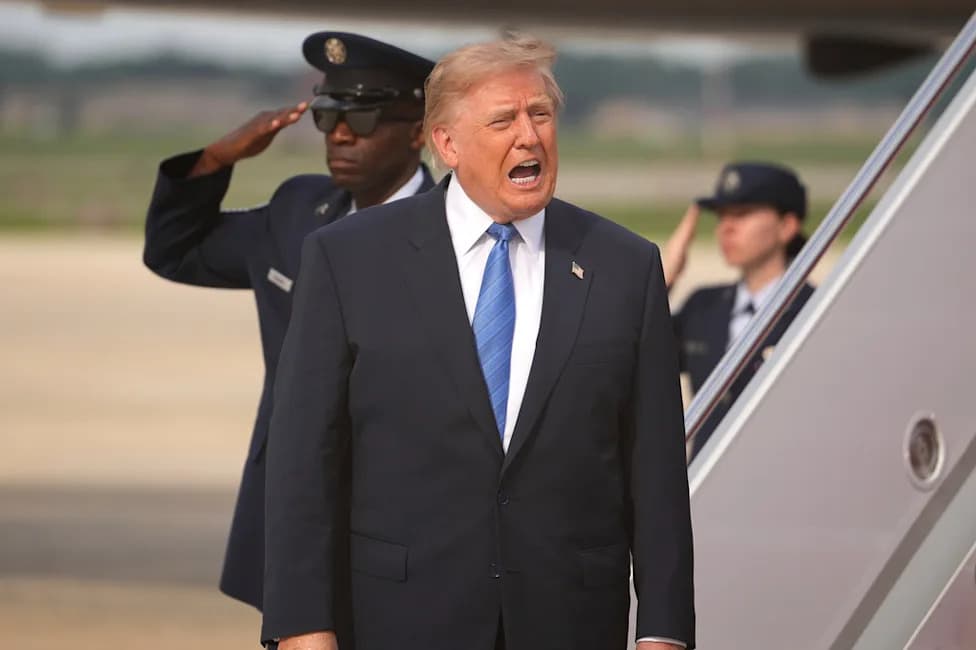
North Koreans have been put to work in Russian factories as the partnership between Kim Jong-un and Vladimir Putin deepens - AP Photo/Alexander Zemlianichenko
Workers Placed On Military-Linked Production Lines
A new report from the Multilateral Sanctions Monitoring Team, which tracks breaches of North Korean sanctions, says these workers have been deployed not only in civilian factories but also on Russian drone production lines. That finding adds to evidence of widening cooperation between Moscow and Pyongyang.
“These workers are meant to replace Russians who have been killed in the war, as well as to bolster the personnel of the Russian army,” Ukrainian President Volodymyr Zelensky told parliament when this issue first emerged.
Zelensky has also claimed that intelligence indicates as many as 50,000 North Korean troops have been sent to fight alongside Russian forces since the war began. Independent confirmation of that figure is limited; other reporting previously put the number of deployed North Korean soldiers at roughly 14,000 in the Kursk region.
Firsthand Accounts and Humanitarian Concerns
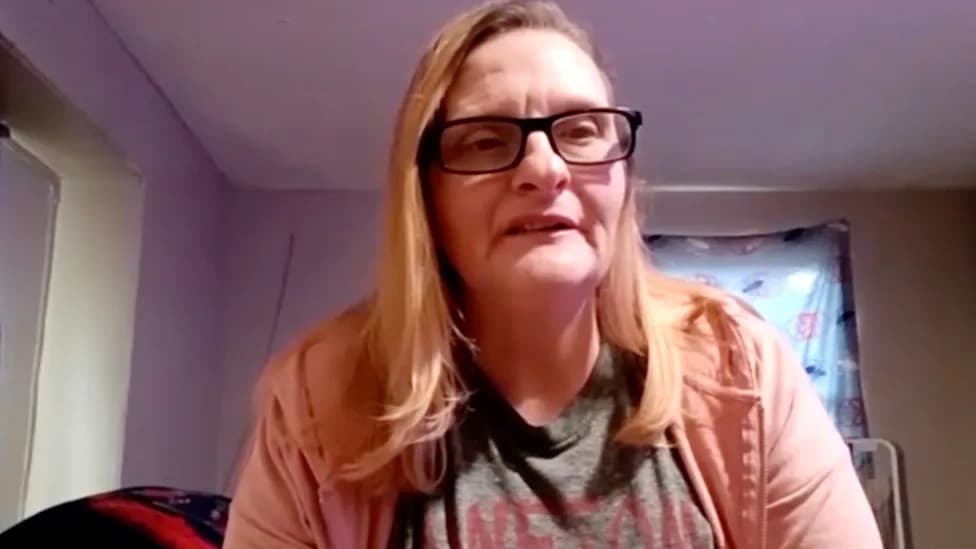
Defectors who fled Russia told the BBC about brutal, near‑slave conditions. They described 20-hour workdays—often starting at 6am and finishing at 2am—with only two days off in a year. One former worker, who uses the name Chan, said supervisors beat people who fell asleep on the job: "It was truly like we were dying," the worker told the BBC.
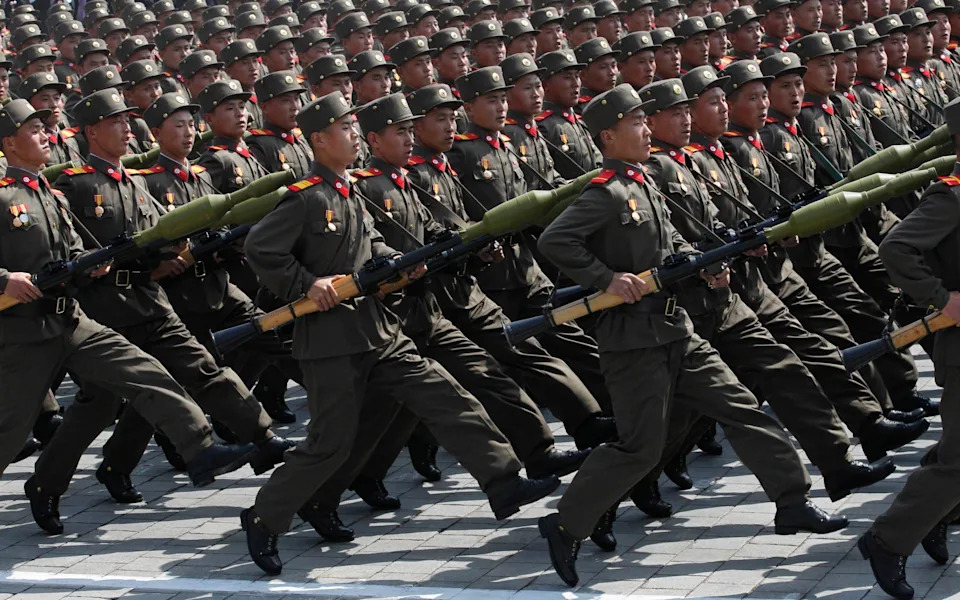
Two years ago, 14,000 North Korean soldiers were sent to fight for Russia in the Kursk region - AP Photo/Ng Han Guan
These testimonies, coupled with sanctions-monitoring findings, raise serious legal and humanitarian concerns about the transfer and exploitation of North Korean labour in Russia.
Geopolitical Context
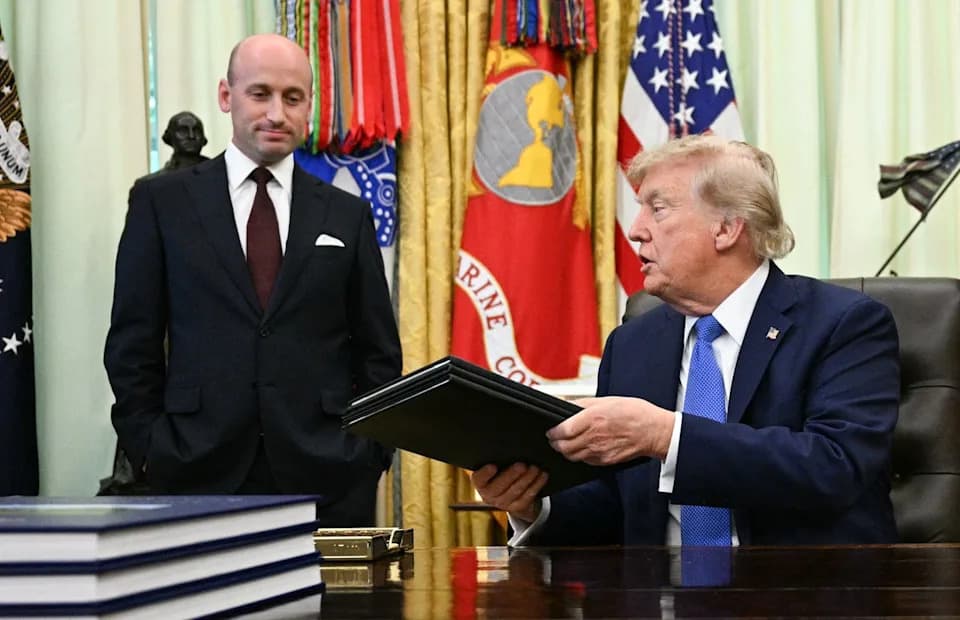
Relations between Moscow and Pyongyang strengthened significantly in 2024, when the two countries signed a mutual-defence pact. Since then, officials and state media in both countries have emphasized closer political and military ties, with repeated public expressions of mutual support from Kim Jong-un and Vladimir Putin.
Sources: The Wall Street Journal, Multilateral Sanctions Monitoring Team, BBC reporting, statements by the Office of the President of Ukraine.
Help us improve.