South Africa has discovered a ninth woman dead in the Ekurhuleni area within about two months, intensifying concern over a spike in femicide. Authorities are investigating whether the killings involve a single attacker, multiple perpetrators or copycat crimes, while police caution the probe is complex. Activists and shelter groups say violence against women is worsening and that state responses—shelters, forensics and police protection—remain insufficient despite the 2025 national-disaster declaration.
“This Is a War”: South Africa Faces Surge in Femicide After Ninth Woman Found in Ekurhuleni
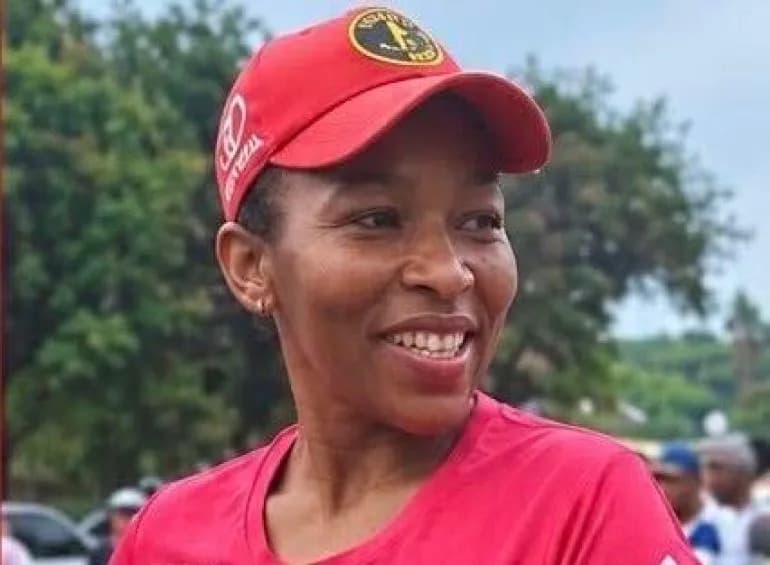
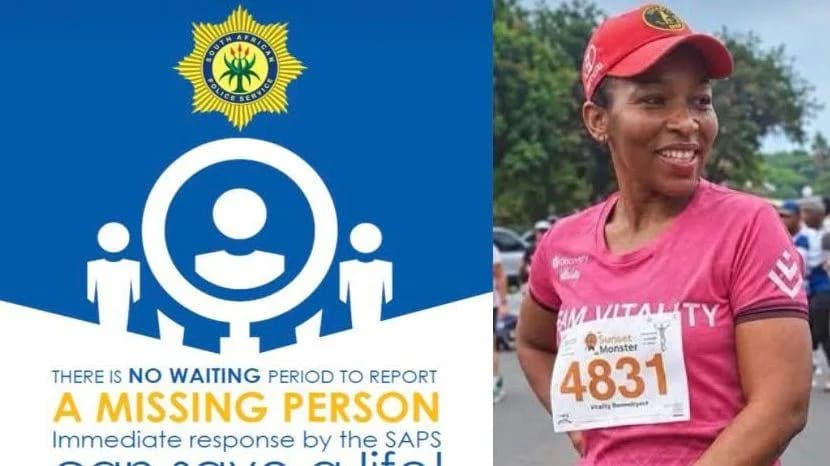
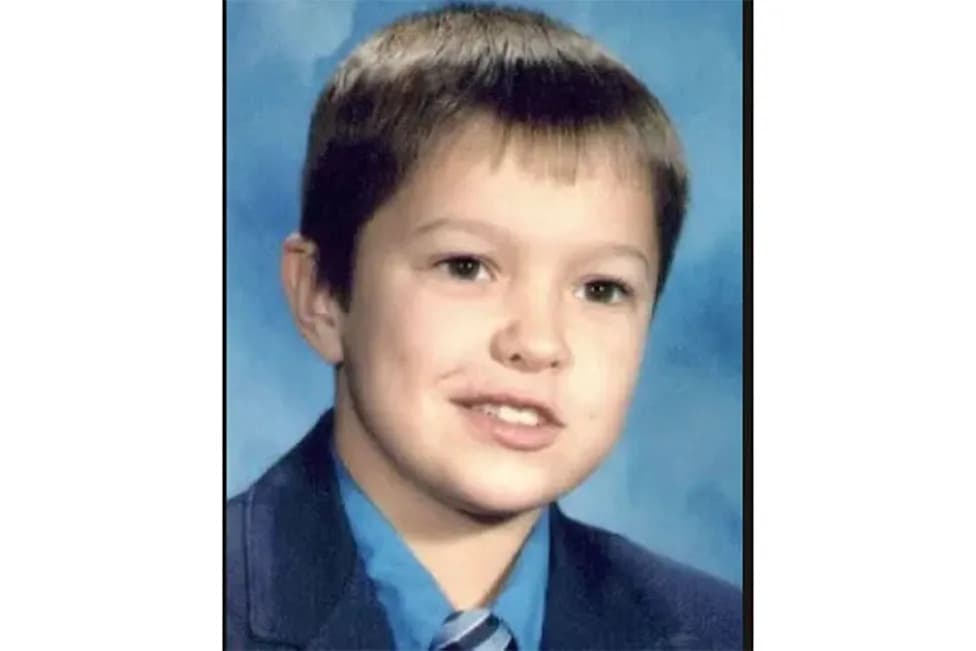
Elizabeth Moselakgomo, a 38-year-old mother and runner who disappeared after leaving home in the Ekurhuleni municipality, east of Johannesburg, for her usual run around 5:30 pm on September 9 [Photo courtesy South African Police Service]
A ninth woman has been discovered dead in the Ekurhuleni municipality in roughly two months, deepening alarm about violence against women in South Africa and intensifying scrutiny of the government's response to the growing femicide crisis.
Latest Discovery and Ongoing Investigation
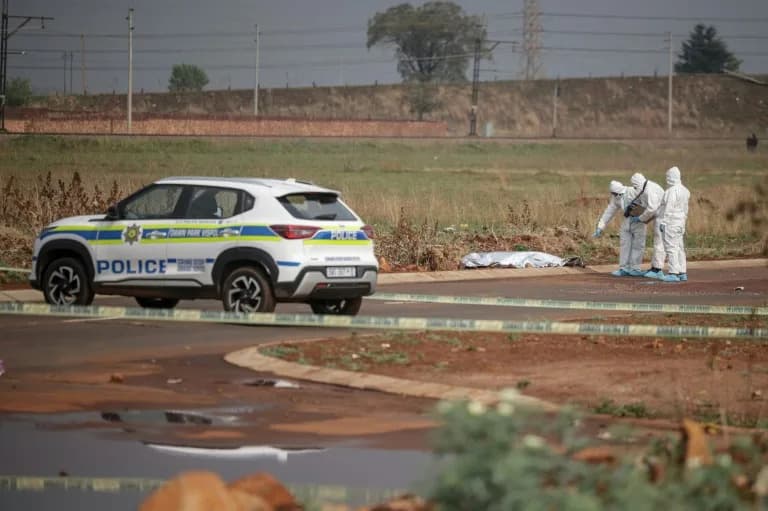
The most recent victim was found on a Thursday morning in Dawn Park, a residential area of Boksburg, east of Johannesburg. Authorities say the woman — believed to be in her thirties — was found half-naked and wrapped in a sheet. Police have opened investigations but have not confirmed links between this case and eight other recent killings.
"We are still investigating whether we are dealing with one perpetrator or a group of men that are behind the murders of these women," South African Police Service spokesperson Athlenda Mathe told Reuters on September 15. She added investigators were also probing the possibility of copycat crimes but had found no conclusive links so far.
Voices from Activists and Shelter Networks
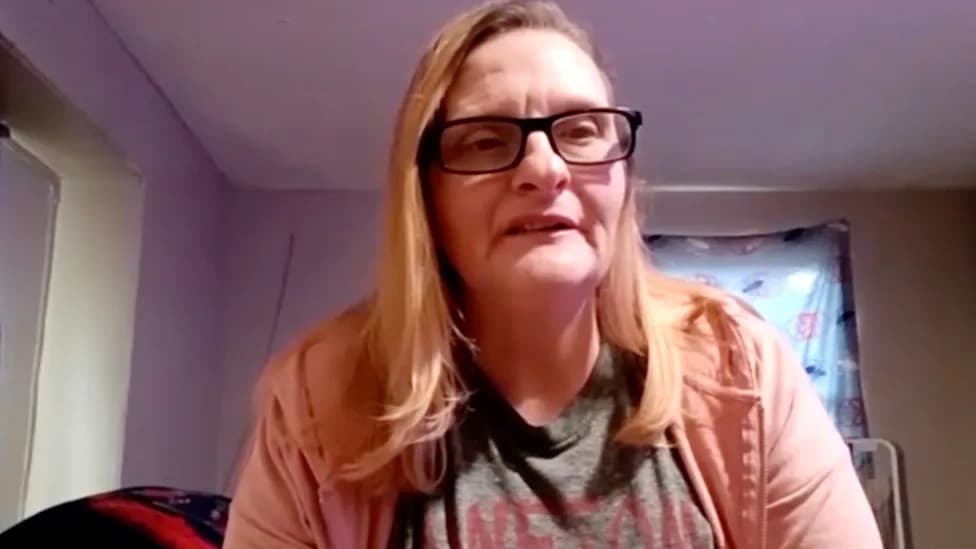
Princess Eurika Mogane, a commissioner at South Africa's Commission for Gender Equality, described the killings as symptomatic of a wider crisis. "This is a war. It feels like individuals are being hunted," she told Al Jazeera, arguing that responses must focus on protecting potential victims rather than asking women to alter their lives.
The National Shelter Movement of South Africa (NSMSA) said its 24-hour helpline and affiliated shelters are seeing survivors who report increasingly severe abuse, including death threats, stalking, strangulation, coercive control and repeated violations of protection orders. "These are not isolated incidents," the organisation said in an emailed statement. "They are indicators of a broader crisis in which violence against women has become deeply normalised in many communities."
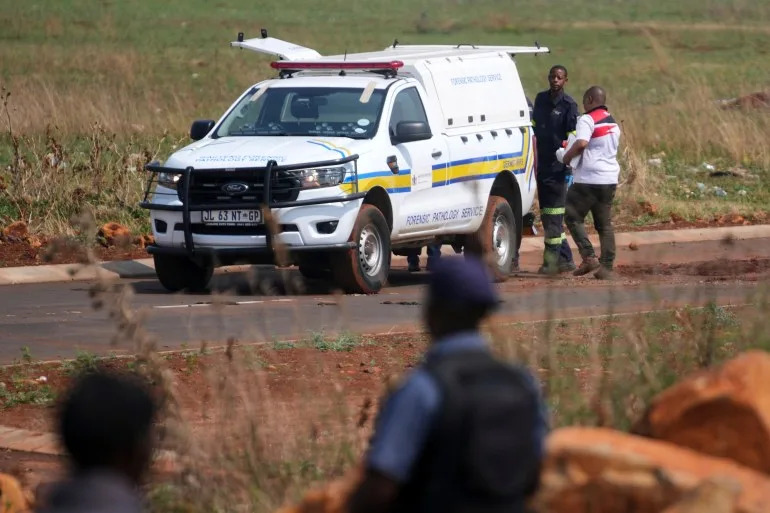
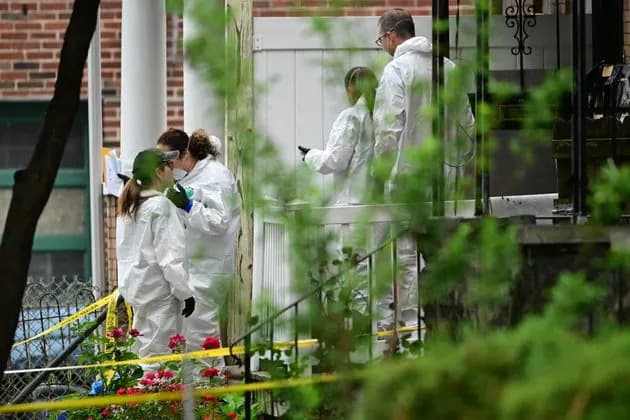
Forensic investigators work at the site where the body of a woman was discovered on the outskirts of Johannesburg, South Africa, Thursday, September 17, 2026 [Themba Hadebe/ AP Photo]
Case Highlight: Elizabeth Moselakgomo
Among the victims was 38-year-old Elizabeth Moselakgomo, a mother and regular runner who vanished after leaving home in Ekurhuleni for her usual run at about 5:30 pm on 9 September. Her eight-year-old daughter alerted family members when her mother did not return; Moselakgomo's body was recovered three days later on 12 September.
Nokukhanya Khanyile-Lenake, a paediatrician and mental health advocate, said the case underlines how even well-practised safety measures can fail. "What I saw was a woman who chose to take care of herself and make a decision she's probably made a thousand times before, which is just to go for a run," she told Al Jazeera.
Public Safety Advice and Criticism
Police advisories urging women not to walk or run alone and to avoid isolated areas have drawn criticism from activists, who say such guidance shifts responsibility onto potential victims. Mogane said many women feel they are being told to adjust their lives to accommodate perpetrators.
The NSMSA reported women are already changing routes, avoiding certain times, sharing live locations with loved ones and restricting movements to try to stay safe. "Safety messaging should not imply that women can prevent violence simply by making different choices," the organisation said. "The responsibility for violence lies with perpetrators, while the responsibility for protection lies with society and the state."
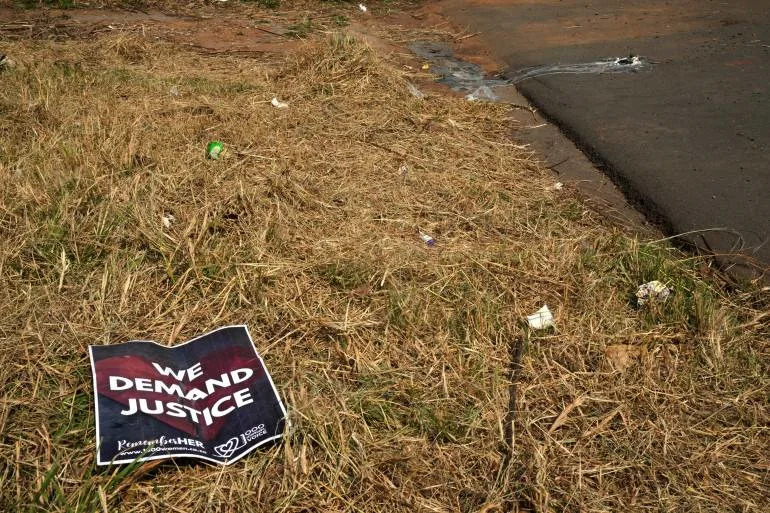
A poster is seen at a scene of a discovery of the body of a 38-year-old woman last week while jogging, in Kempton Park, east of Johannesburg, South Africa, Thursday, September 17, 2026 [Themba Hadebe/ AP Photo]
State Response and Ongoing Needs
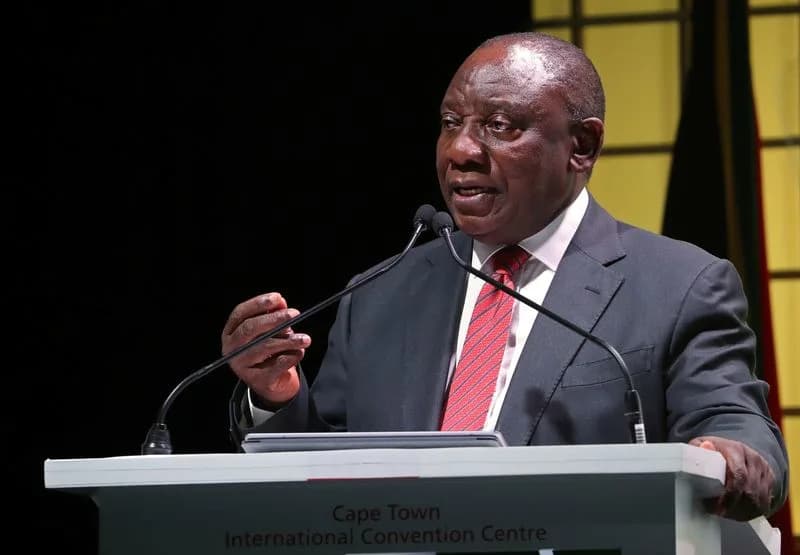
The killings come less than a year after South Africa classified gender-based violence and femicide as a national disaster in November 2025. Parliament has said the country's femicide rate is five times the global average. President Cyril Ramaphosa has pledged that perpetrators will be brought to justice, and authorities say police patrols and deployments have been increased in high-risk areas.
But advocates say the declaration has not yet produced enough tangible improvements. Mogane urged clearer progress on forensics, prosecutions and shelter capacity. The NSMSA highlighted chronic underfunding, rising demand and capacity shortages in shelters, as well as delays in police responses and difficulties obtaining or enforcing protection orders.
Leaving an abusive relationship is often one of the most dangerous moments for a survivor, the NSMSA warned: many need simultaneous access to police protection, emergency accommodation, transport, medical care, childcare and financial support. "For many women, the fundamental question remains unchanged: 'If I leave today, can I survive financially, find safe accommodation, and remain protected from my abuser?'" the organisation said.
Al Jazeera asked the South African government for details of measures taken since the national-disaster declaration and for a response to criticism of its handling of violence against women but had not received a response by the time of publication.
Attributions: Reporting includes statements released to Reuters and Al Jazeera; Associated Press imagery documented forensic teams at a discovery site on 17 September 2026.
Help us improve.