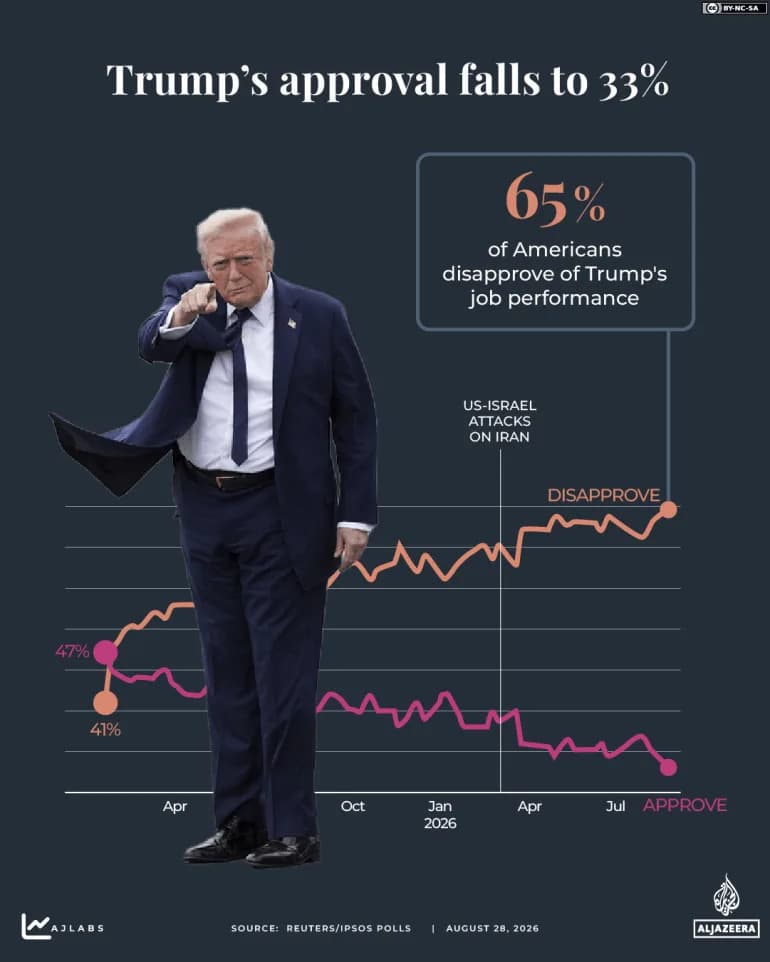
President Trump publicly threatened internal leakers over media reports about the U.S. campaign against Iran, posting on Truth Social that they will "pay a big price." The comments followed a Washington Post opinion piece praising his decision and a Wall Street Journal report that Tulsi Gabbard advised against launching a February operation. The conflict has stretched into its seventh month, is politically unpopular at home, and has incurred rising costs and economic impacts.
Trump Threatens Internal Leakers Over Iran Coverage, Calling Them 'Dirty Dogs'
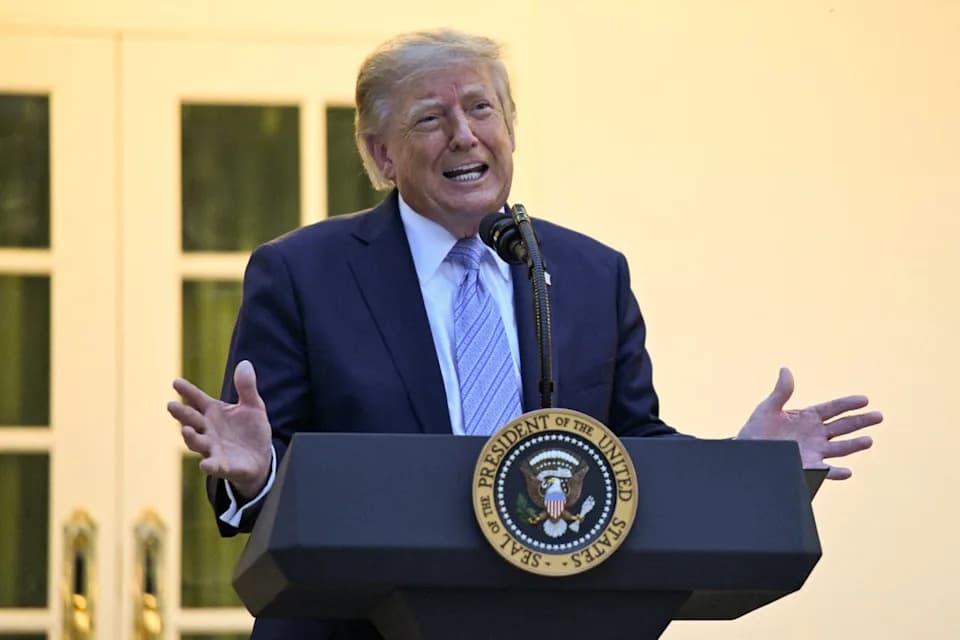
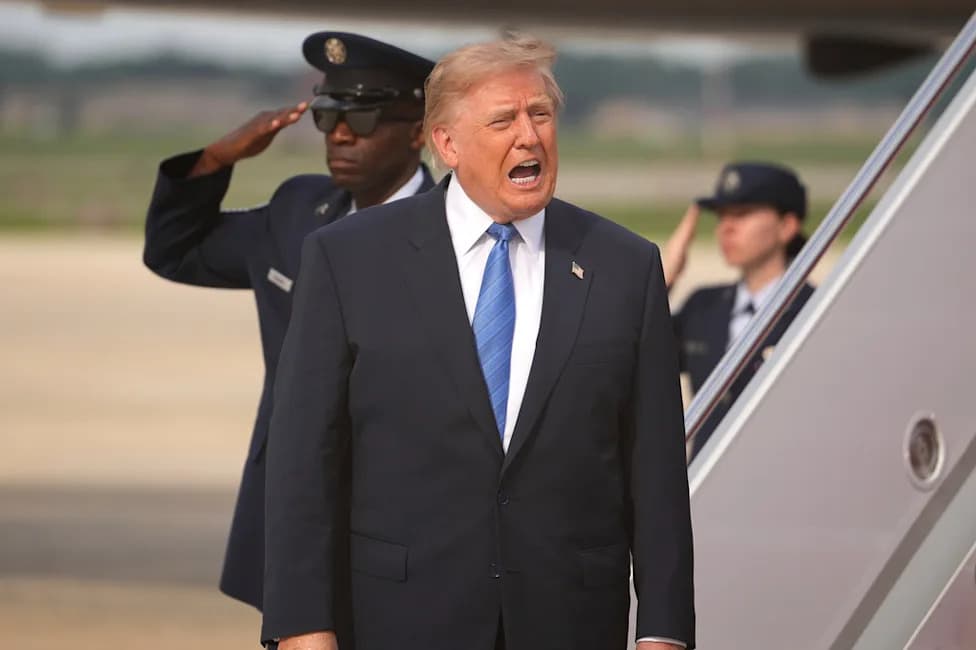
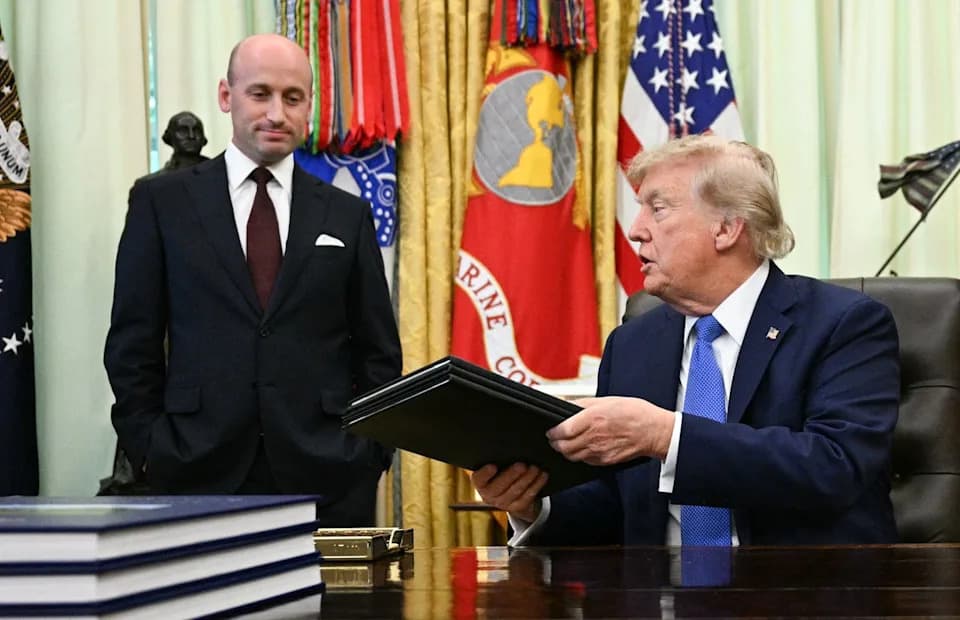
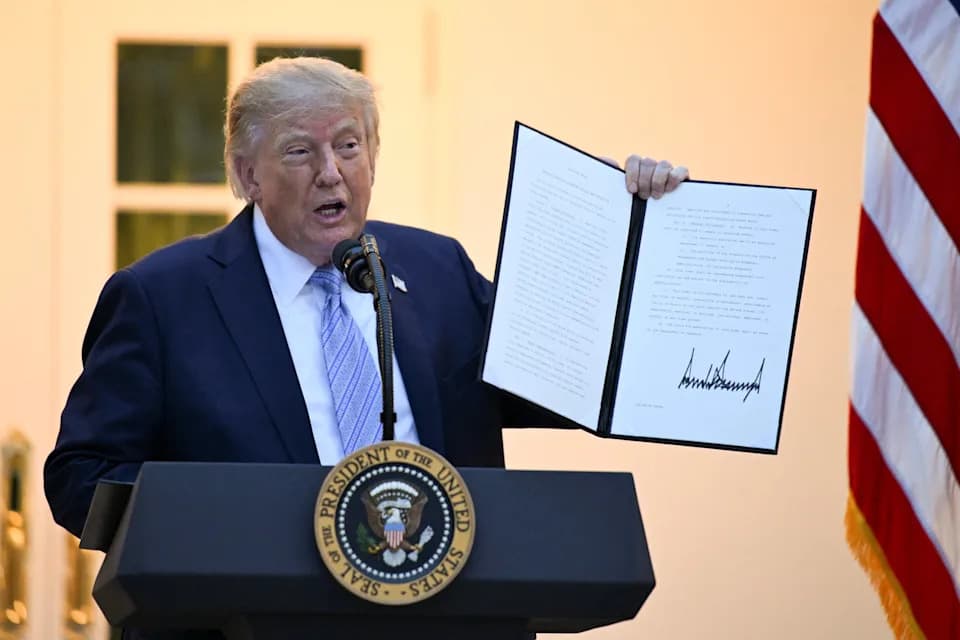
President Donald Trump has lashed out leakers within his own administration, calling them 'dirty dogs' and threatening repercussions (Reuters)
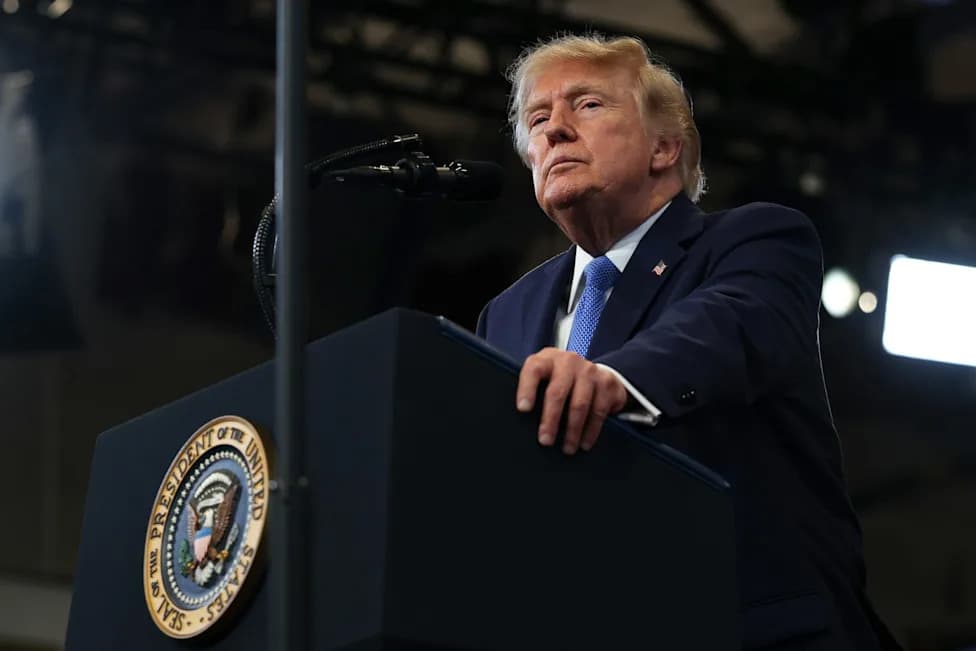
President Donald Trump on Thursday publicly attacked people he says are leaking information from inside his administration, warning on Truth Social that they will "pay a big price." The outburst follows a series of behind-the-scenes reports about the U.S. campaign against Iran and commentary in major newspapers.
"Keep on leaking you dirty dogs! When we find you, you will pay a big price!!!"
The conflict, which Mr. Trump had predicted would be over in six weeks, has now stretched into its seventh month. Multiple news outlets have published accounts suggesting some advisers warned the president against certain actions. A Wall Street Journal report last month said that Tulsi Gabbard advised against launching an operation dubbed "Operation Epic Fury" on Feb. 28.
Columnist Marc Thiessen, in a Washington Post opinion piece, condemned what he called "self-serving leaks" and argued they underscored "what a courageous decision Trump made" in confronting Tehran despite opposition from some advisers. Thiessen compared that decision to historic moments when leaders failed to confront dangerous actors, and wrote that Mr. Trump may be vindicated by history despite potential political costs.
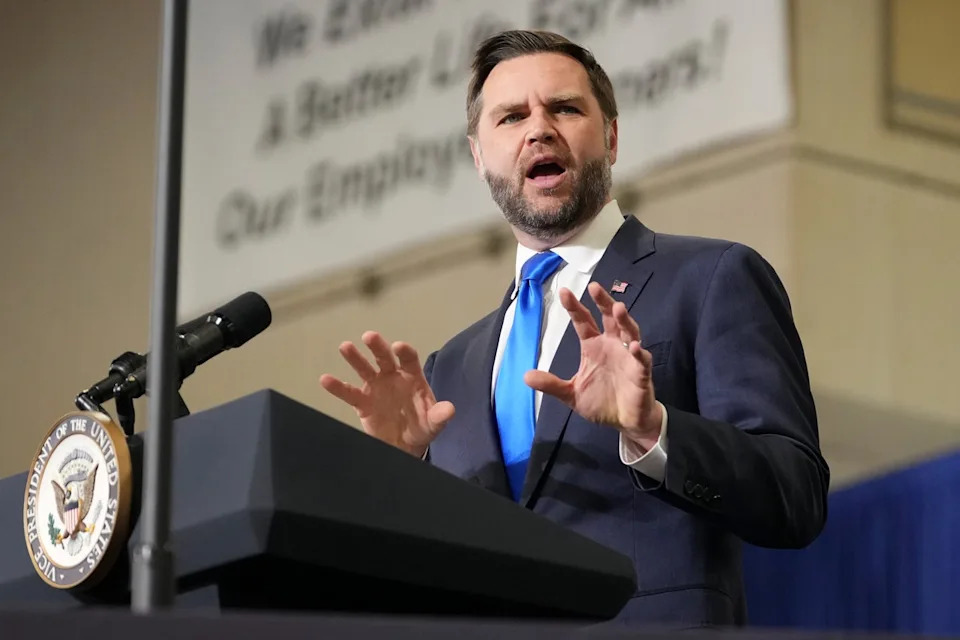
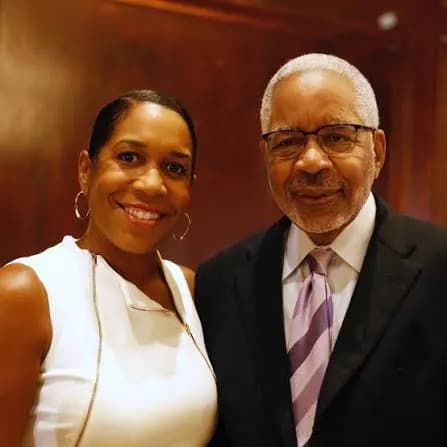
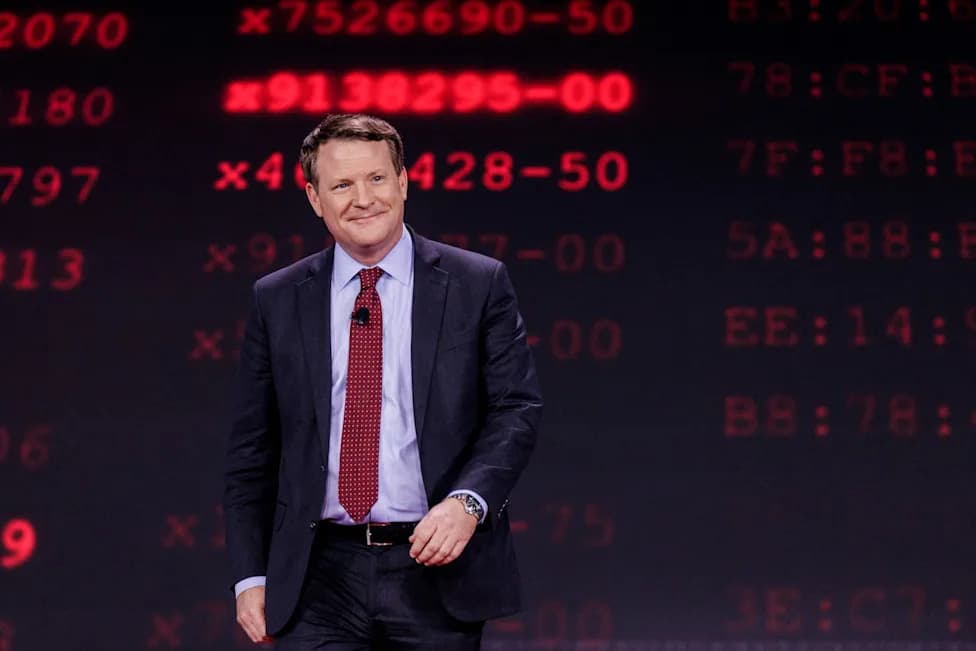
JD Vance reportedly advised against going to war with Iran (Getty)
Mr. Trump reposted and praised the column on social media, calling it "very interesting" and "a must read." The praise is notable given the president's frequent criticism of the Washington Post and a previously filed, but dismissed, $3.8 billion defamation suit against the paper.
Public support for the campaign has been limited: a Reuters/Ipsos poll last month found roughly 31 percent of Americans backed the operation. Reports also indicate the campaign's financial and economic costs have risen, with some estimates putting the bill near $33 billion, and that the fighting has contributed to higher fuel prices and disruptions in the Strait of Hormuz.
Several accounts have suggested outside leaders — including Israeli Prime Minister Benjamin Netanyahu — influenced the decision to take action, despite skepticism from some of Mr. Trump's advisers. Published reports have named figures such as Vice President JD Vance and other senior officials as raising objections, though some media reports contain varying attributions of official titles and roles.
Mr. Trump has repeatedly vowed to hunt down leakers. In August, after reporting of a disagreement at Camp David over U.S. missile stockpiles, he warned the individuals responsible would be identified and prosecuted, saying the "leakers of these treasonous statements are being hunted down" and that "long term jail sentences will be sought."
Context: This story is driven by competing media accounts and opinion pieces. Some reports differ on exact titles and roles of the officials mentioned; where possible this article attributes claims to the outlets that reported them.
Help us improve.