
Russia faces a severe fuel shortage after Ukrainian drone strikes damaged oil refineries, leaving petrol and diesel at roughly 28% of filling stations nationwide. The Kremlin has sent the National Guard to petrol stations as fights, long queues and the detention of protesters increase. The shortages have spread across most regions and coincided with large bank withdrawals amid fears of state seizure of savings.
Putin Deploys National Guard to Gas Stations as Fuel Shortages Spark Fights, Arrests and Bank Runs
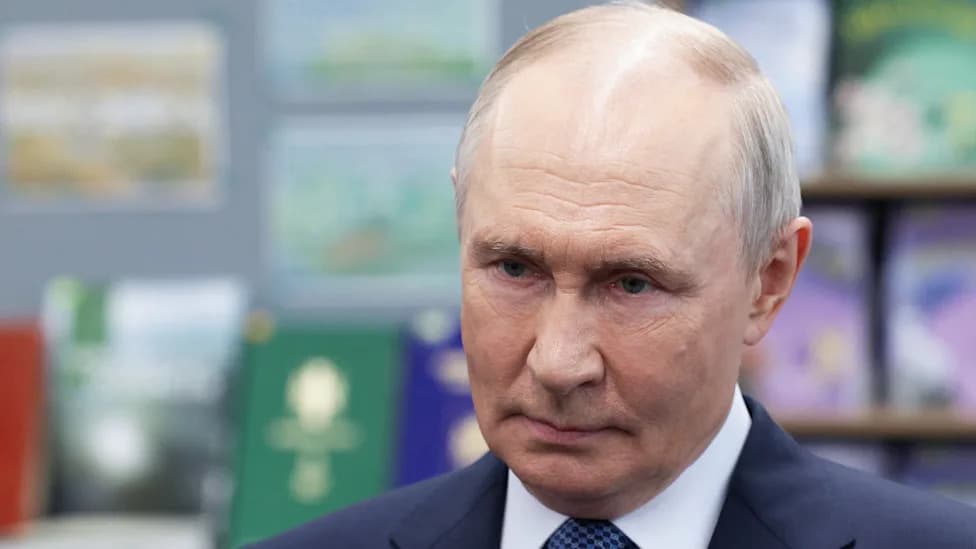
Gavriil Grigorov / via REUTERS
Vladimir Putin has ordered Russia’s National Guard (Rosgvardia) to patrol petrol stations as a nationwide fuel crisis fuels long queues, scuffles at pumps and the detention of critics and protesters.
What’s Happening
Local monitoring data indicate that petrol and diesel are available at only about 28% of filling stations across Russia. The shortage has driven drivers to wait in lines of 30 hours or more in some places, and tensions at pumps have reportedly boiled over into physical confrontations.
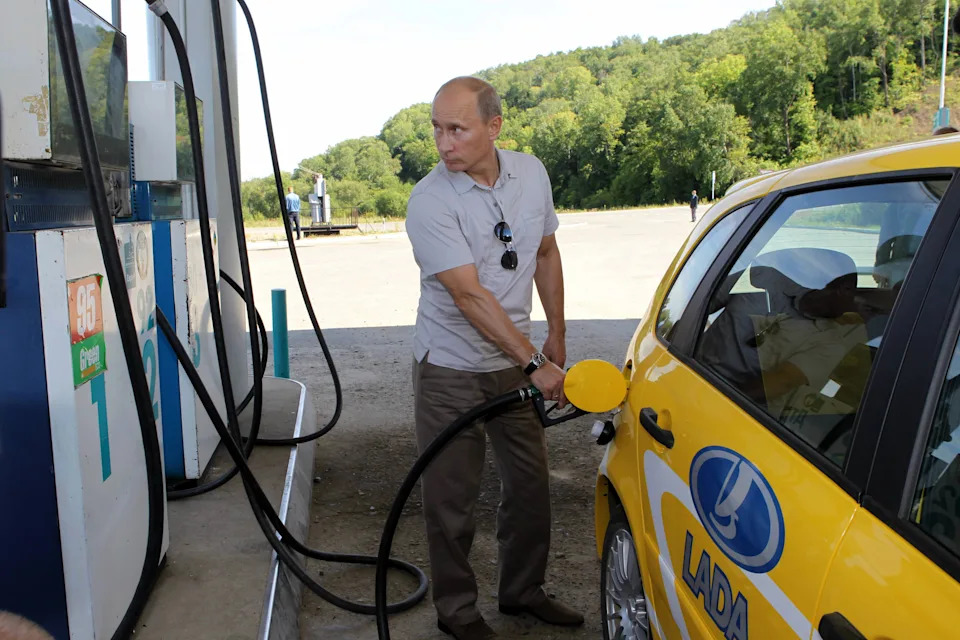
Putin has assured Russians that the gas crisis will improve. It hasn't. / ALEXEY DRUZHININ / AFP via Getty Images
Crackdown on Dissent
Authorities detained five people in Volgograd after they filmed an appeal to federal officials about the fuel shortage; a man in Perm was detained and fined for planning a protest. Critics say some of those who speak out are quickly arrested or fined.
Why The Shortage
Ukrainian long-range drone strikes on Russian oil refineries have disrupted fuel production. Reporting cited by multiple outlets indicates that in August Ukrainian drones struck nearly a third of Russia’s major refineries. TheTelegraph reported that the shortage had spread to at least 78 of Russia’s 83 regions, affecting roughly 50 million people.
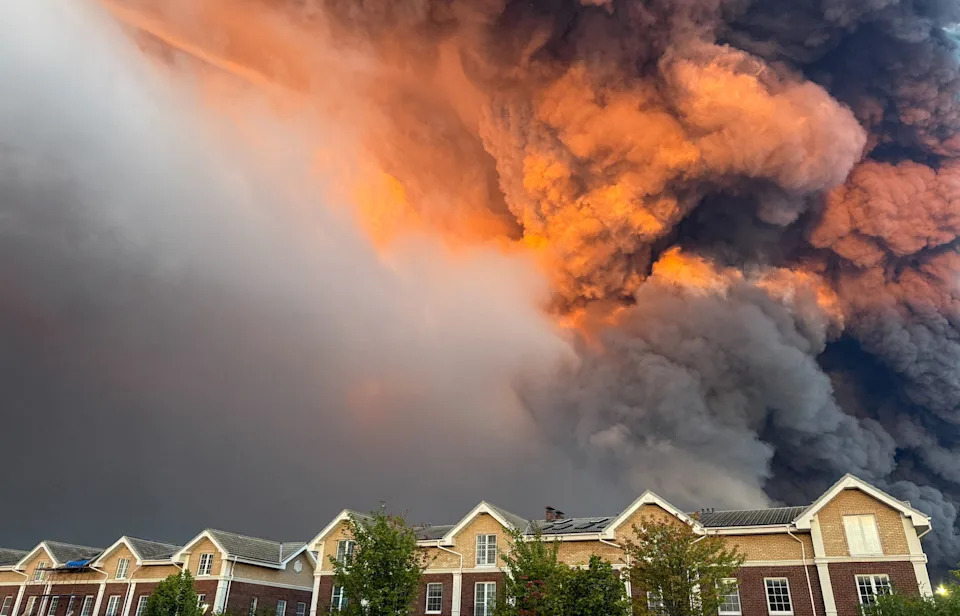
Smoke billows from the burning Wildberries warehouses following a Ukrainian drone attack, August 16. / Stringer / REUTERS
Government Response And Contradictions
The Kremlin has dispatched Rosgvardia units to guard petrol stations outside Moscow amid reports of fights at pumps. At the same time, major fuel suppliers have reinstated purchase limits, a move that contradicts public reassurances from President Putin and other Kremlin officials that the situation was improving.
“The situation will gradually improve,” Mr. Putin said in mid-July after acknowledging that Ukrainian strikes had created “a certain shortage” of fuel. Deputy Prime Minister Alexander Novak later said the balance was improving and that conditions at gas stations were better.
Broader Effects
The fuel crisis is one of several domestic challenges facing the Kremlin since the start of the conflict in February 2022. This week, a Ukrainian counter-offensive struck Sochi, a Black Sea resort long associated with the president; local reports say beaches have been largely deserted and some coastal waters contaminated by fuel from attacks.
Public anxiety has also shown up in the banking system: depositors withdrew roughly $3.4 billion in the first two weeks of August, on top of about $11.8 billion taken out in June and July. A former finance official told The Washington Post that people fear the state might seize funds to finance the war, prompting many to withdraw cash.
Sources
This report draws on local monitoring data and reporting from major outlets including The Telegraph and The Washington Post.
Help us improve.





















