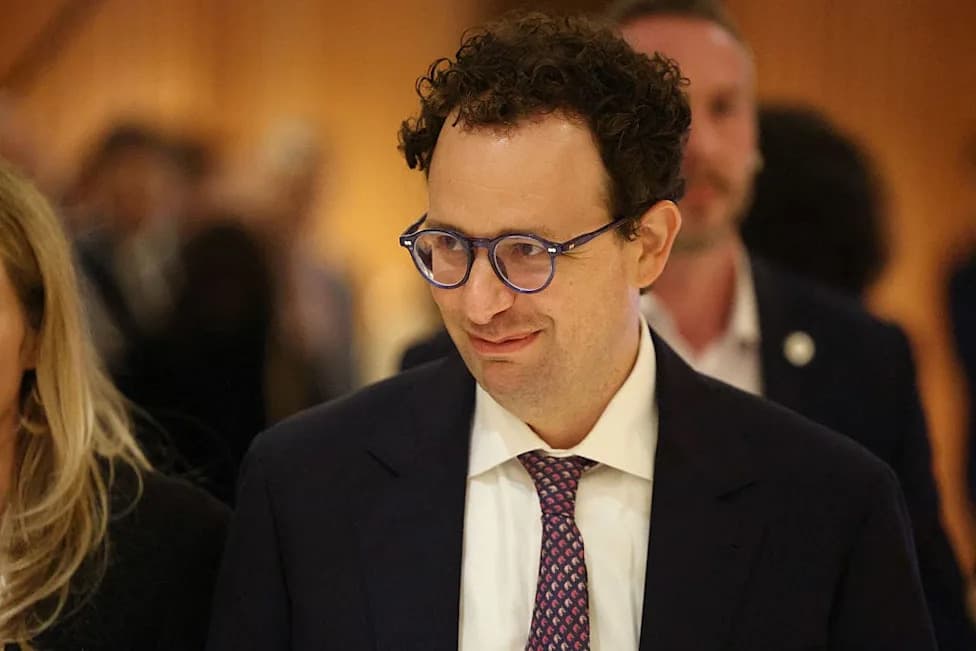
The Capital Research Center (CRC), led by Scott Walter, has become a frequent source for the Trump White House and congressional Republicans seeking evidence to scrutinize Democratic-aligned nonprofits and environmental groups. CRC research was attached to a September 2025 DOJ directive and cited in multiple congressional hearings and letters attacking EPA climate grants. Independent reviews and CRC's own director acknowledge the reports do not demonstrate the knowing criminal conduct prosecutors would need, and reviewers have found factual errors. Funded by major conservative philanthropies, CRC has a record of controversial positions on climate, public health and elections.
How a Conservative Think Tank Became a Primary Source for Trump’s List of ‘Enemies’
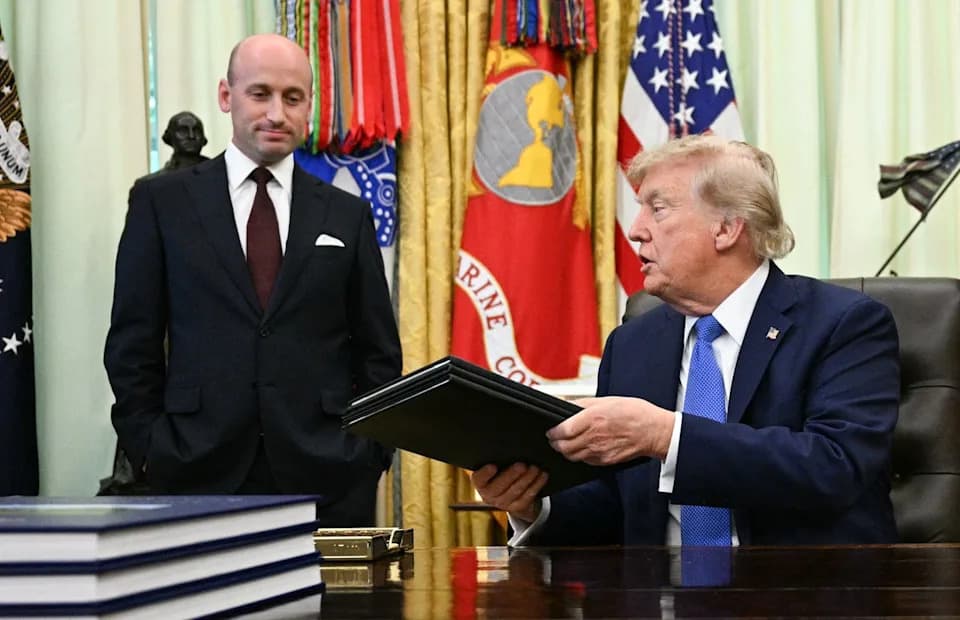
Deputy Chief of Staff Stephen Miller has been leading a White House effort to target Democratic-aligned nonprofits (AFP/Getty)
The Capital Research Center (CRC), a conservative nonprofit led by Scott Walter, has become a recurring source for the Trump White House and allied Republicans in Congress when they seek research to target Democratic-aligned nonprofits and environmental groups. CRC reports have been cited in Justice Department directives, congressional hearings, and administrative actions — even as independent reviewers and CRC's own leader acknowledge limits in the work's ability to prove criminal wrongdoing.
What Happened
CRC briefed senior White House officials in early 2025 on Democratic donors, fundraising platforms and progressive organizations. Over the following months, CRC research surfaced in multiple official contexts: it was attached to a September 2025 Justice Department instruction asking several U.S. attorney offices to prepare potential investigations of the Open Society Foundations; it was cited by House Republicans challenging EPA climate grants; and CRC director Scott Walter testified at several congressional hearings beginning in 2025.
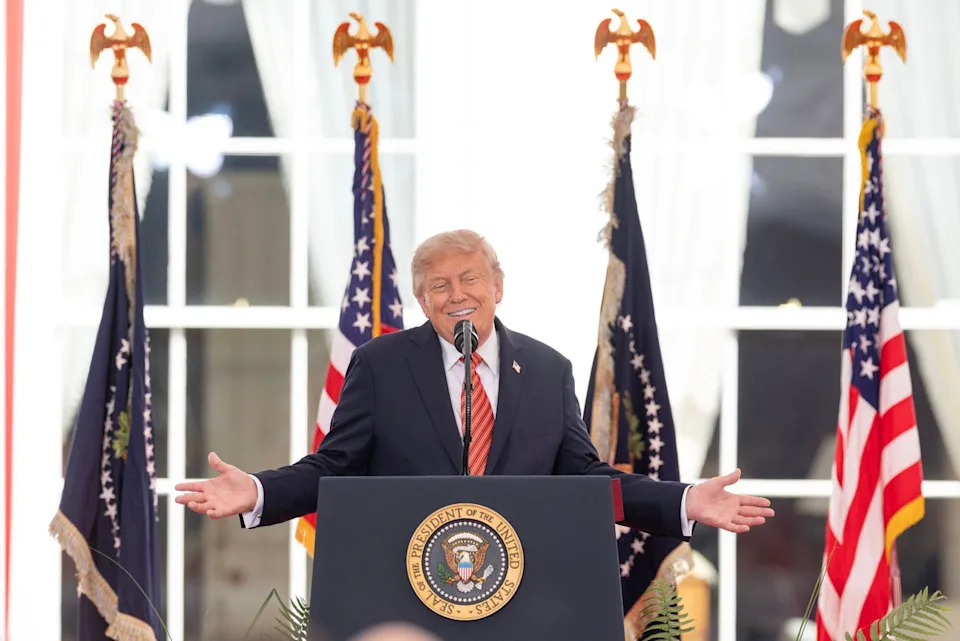
The Trump administration often takes cues from the right-wing Capital Research Center (PA)
Key Players And Actions
Stephen Miller, the deputy White House chief of staff, is reported to have led efforts to scrutinize and push against Democratic-aligned nonprofits after the 2025 killing of MAGA activist Charlie Kirk. Aakash Singh, a lawyer in the deputy attorney general's office, sent a Sept. 22, 2025 directive to U.S. attorneys in several districts asking them to draft plans to investigate the Open Society Foundations and related groups, listing potential charges from racketeering to material support for terrorism.
'They have to have funded something bad and they have to have known they were funding something bad,' Scott Walter told The New York Times, acknowledging that CRC did not make the kind of claims prosecutors would need to bring criminal cases.
Questions About Evidence And Errors
Independent reviews of the CRC report used by DOJ and others found it did not demonstrate that grantees knowingly financed unlawful activity or that Soros-funded groups directly funded violence. The report's closest cited example was a 2021 Instagram post urging a Bay Area protest at the Port of Oakland, described by port officials as largely peaceful. The report also contained at least one factual error: it attributed a photograph from a 2014 protest to the Oct. 7, 2023 attacks, a misdating that weakens the reliability of that claim.

Charities funded by billionaire George Soros have been a particular target of the administration (AFP/Getty)
Policy Influence And Controversies
CRC research has been footnoted in congressional letters attacking EPA grants and has been invoked to support regulatory rollbacks. For example, House Science Committee members cited CRC's InfluenceWatch in letters to EPA Administrator Lee Zeldin about the Greenhouse Gas Reduction Fund; Zeldin later froze awards to several nonprofits, a move that critics say lacked independent corroboration. CRC-funded research has a documented record of contested positions on climate science, tobacco policy and election-related claims.
Funding And Past Work
CRC receives significant support from conservative foundations. Public filings show grants from Donors Trust ($820,600 in 2024), the Sarah Scaife Foundation ($500,000 in 2024), the Lynde and Harry Bradley Foundation ($300,000 in 2022) and smaller earlier support from the Charles Koch Foundation. The center's history includes research and commentary used by tobacco interests in the 1990s, skeptical attacks on mainstream climate science, and involvement in high-profile, disputed election narratives such as the film '2000 Mules.' CRC also acted as a fiscal sponsor for Crowdsourcers, a group run by Virginia 'Ginni' Thomas, which collected nearly $600,000 in anonymous donations over several years.
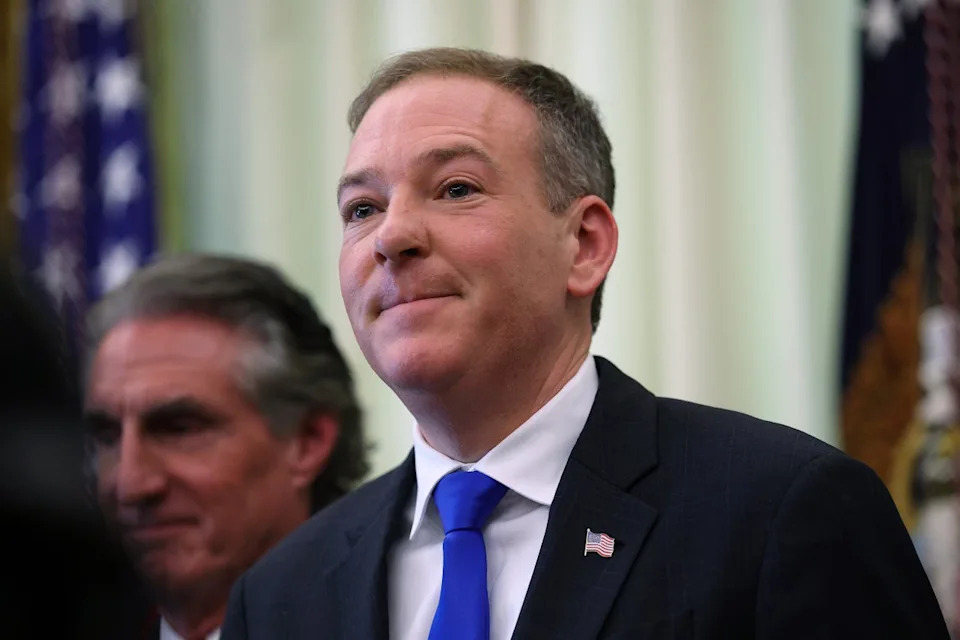
EPA Administrator Lee Zeldin has relied on CRC research to justify rolling back restrictions on greenhouse gas emissions (Getty)
Implications
CRC's prominence in administrative and congressional settings illustrates how advocacy-oriented research can shape investigations and policy debates when career scientists, regulators and independent experts are sidelined. Observers say the pattern increases the need for rigorous, independent review of evidentiary claims before they inform prosecutions or major regulatory decisions.
Bottom line: CRC is influential inside conservative policymaking circles and has supplied research used by the White House, DOJ staffers and congressional Republicans — but its reports have limitations, documented errors, and a track record of partisan advocacy that should be weighed when those reports are used as the basis for legal or policy action.
Help us improve.