The BBC’s Sept. 17 investigation reports that Austin Tice was allegedly betrayed by his driver and handed to an Assad-aligned militia in Aug. 2012. Confidential Syrian intelligence files recovered after the regime’s 2024 collapse, combined with interviews including a former NDF member, form the basis of the account. The BBC found no evidence that Tice worked for U.S. intelligence, and U.S. officials have previously said they believe Syrian authorities held him. Tice’s family continues to seek answers.
BBC Investigation: Austin Tice Allegedly Betrayed by Driver and Seized by Assad-Aligned Militia in Syria
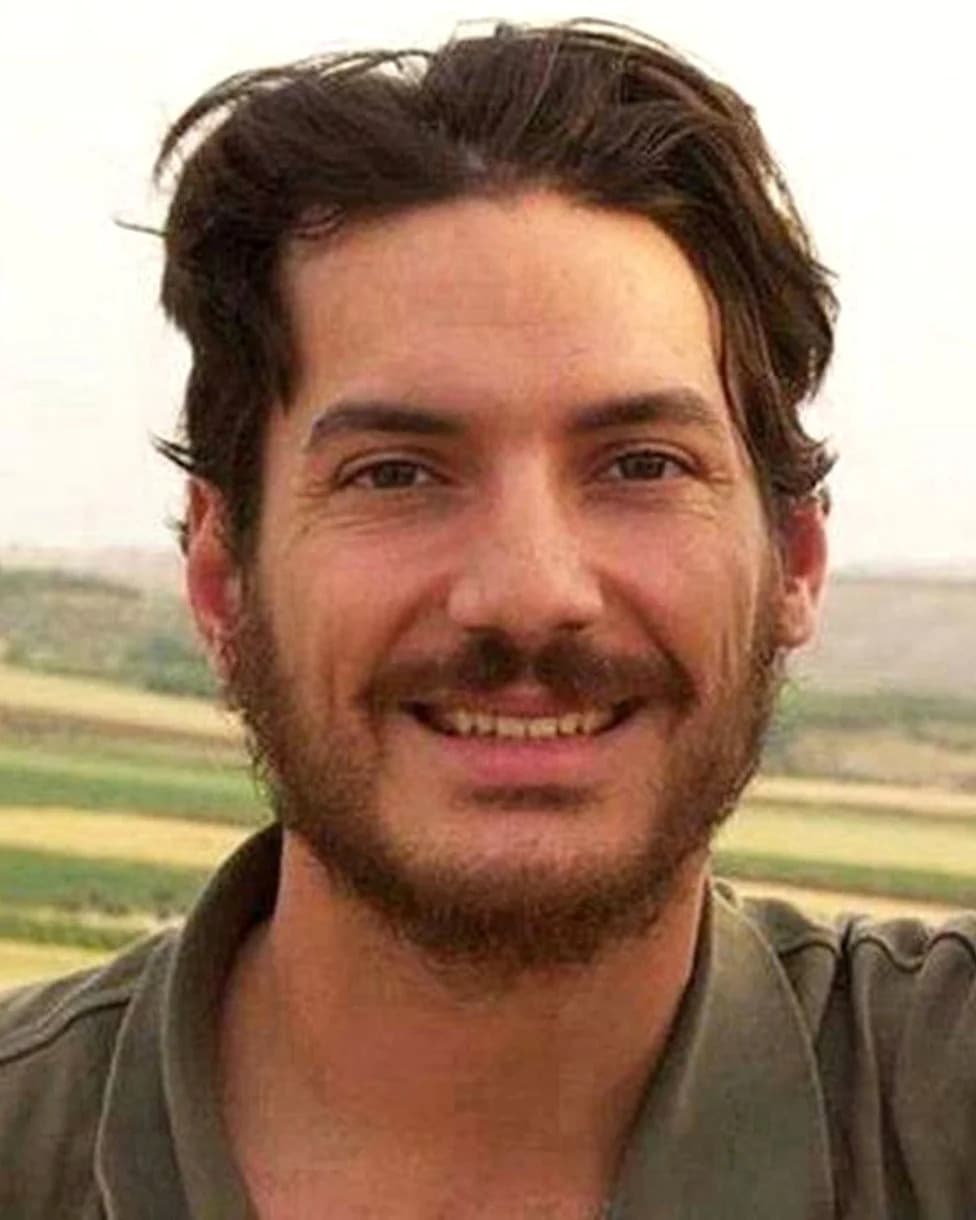
Austin TiceCredit: Fort Worth Star-Telegram/Tribune News Service via Getty
A new BBC investigation published Sept. 17 reports that American journalist Austin Tice, who vanished in Syria in 2012, was allegedly betrayed by his driver and handed over to a militia loyal to President Bashar al-Assad before being taken into custody.
What the BBC Found
The BBC says it obtained confidential Syrian intelligence files after the Assad government’s collapse in 2024 and combined those documents with interviews, including with a former National Defence Forces (NDF) member. According to the report, the intelligence chain reached senior levels of the Syrian government and, the source alleges, prompted orders to seize Tice.
Account of the Abduction
Tice, a Houston native and U.S. Marine veteran who turned to journalism, was covering the Syrian civil war and is believed to have disappeared in Daraya on Aug. 13, 2012, two days after his 31st birthday. Weeks later, a video circulated showing a blindfolded Tice in the custody of armed men; in that footage he is heard saying,
"Oh, Jesus."That remains the last publicly available sighting of him.
The BBC report recounts testimony from Abu Ali, a former NDF member, who said Tice’s driver—identified by the BBC as Hamid Abu Obeid—alerted the militia that Tice had been moving through opposition areas. Abu Ali says the driver later led NDF operatives to a government facility on the outskirts of Damascus where the abduction occurred. The driver reportedly pulled a gun as the car approached the gates; Tice at first thought it was a joke and even offered money to avoid capture before NDF personnel seized him and covered his eyes.
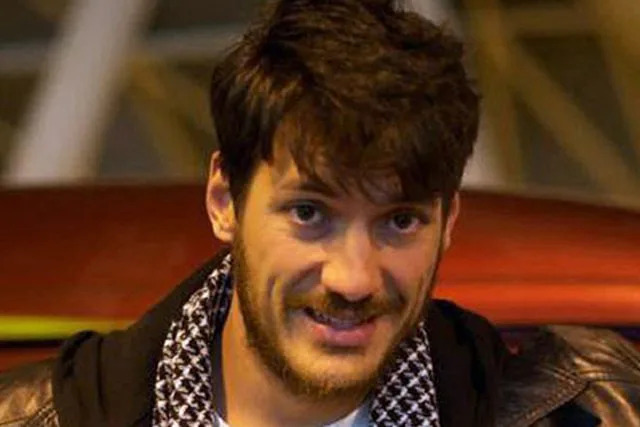
Austin TiceCredit: CHRISTY WILCOX/AFP via Getty
Allegations, Denials and Gaps
Some sources told the BBC they believed Tice may have been helping rebel forces, but the BBC reports it found no documentary evidence to support that claim. A former senior U.S. official also denied that Tice worked for U.S. intelligence. The Assad government has historically denied involvement in Tice's disappearance.
Abu Obeid’s family, described by the BBC as Palestinian refugees living in poverty, say they do not know his current whereabouts and deny knowledge of his alleged role. They told the BBC he was offered incentives—reportedly a passport, Syrian citizenship and a weapon—in return for handing Tice over, and that masked men later visited their home and seized his laptop and possessions after he vanished.
U.S. Statements and Family Response
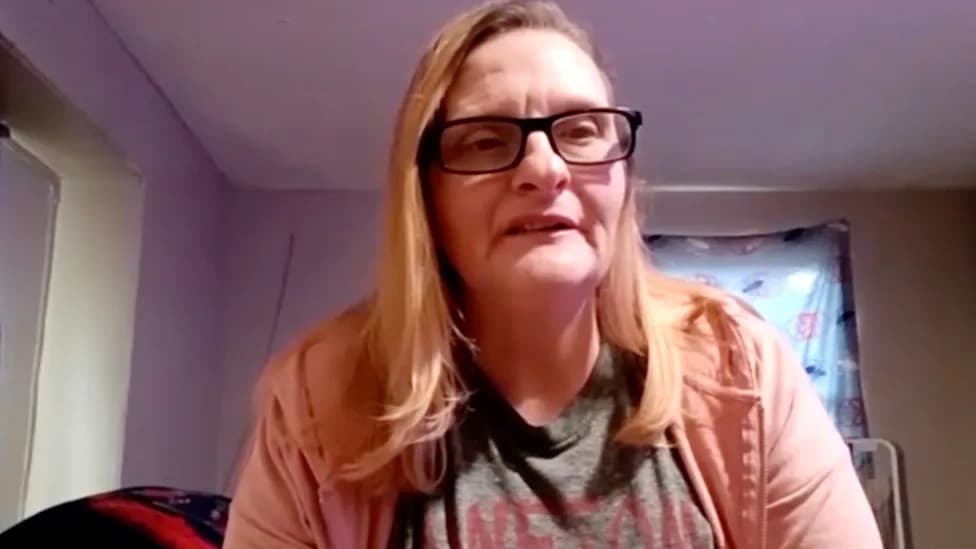
In 2022, President Joe Biden said U.S. intelligence was confident Syrian authorities held Tice. In December 2024, Austin’s mother, Debra Tice, told reporters at the National Press Club that U.S. officials had vetted a credible source indicating her son was alive and being treated well; she said the government was protecting the source’s identity.
The BBC’s investigation adds new documentary and testimonial evidence to a case that remains unresolved. People magazine and the U.S. State Department were contacted about the BBC’s findings but had not provided comment at the time of publication.
Note: Many details in this account are based on interviews and recovered documents described by BBC reporters; several claims remain disputed or unverified in independent public records.
Help us improve.