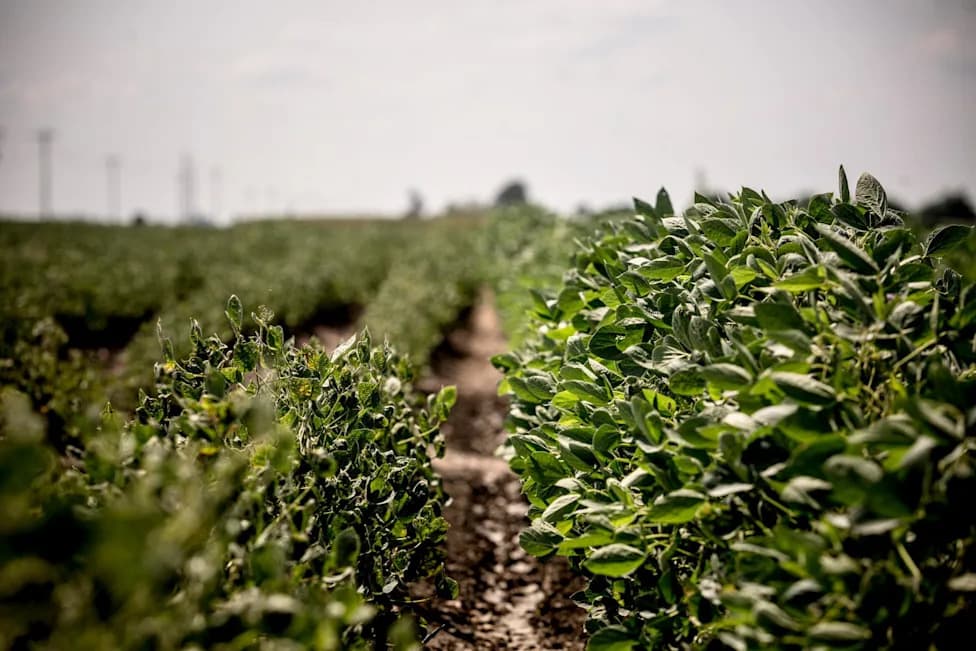
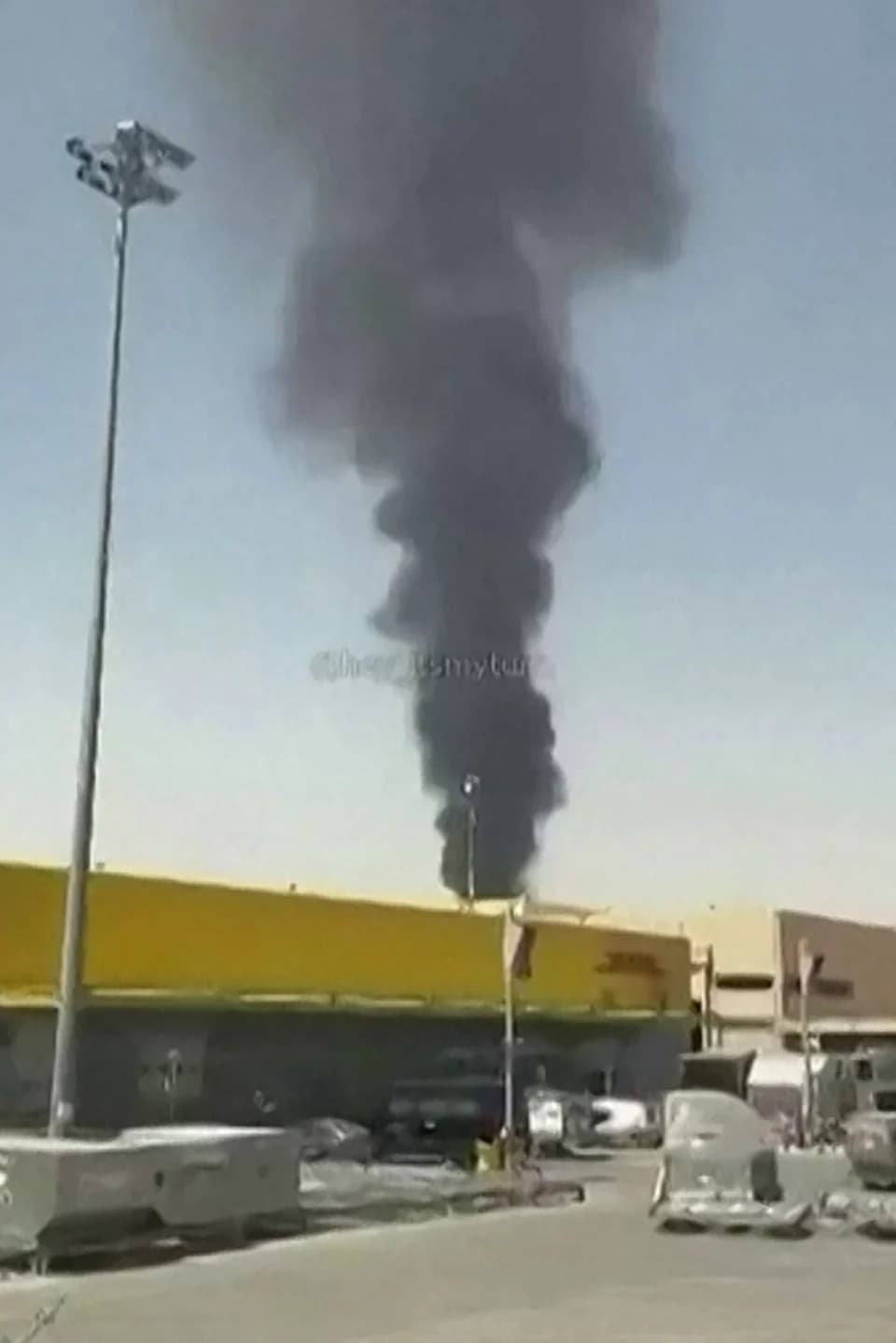
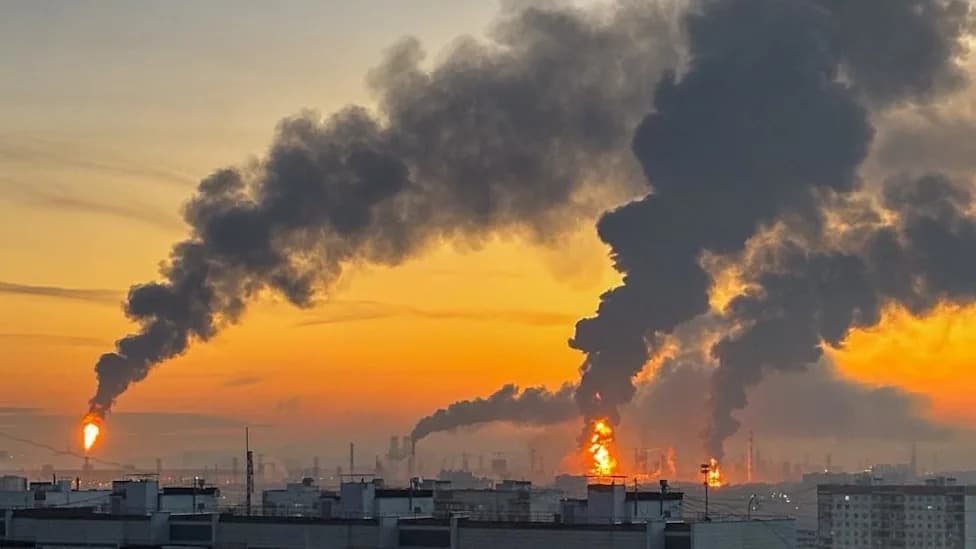
China’s energy strategy — including a roughly 1.4 billion-barrel strategic reserve and a sharp reduction in crude imports — has helped prevent a worst-case surge in oil prices since the conflict with Iran began. Those moves cut global demand and eased upward pressure on Brent, which has hovered near $100 after briefly peaking at $126. Still, recent Gulf attacks, a Saudi pipeline shutdown and stalled diplomatic talks mean prices could spike if disruptions persist.
Why Oil Prices Haven't Skyrocketed — How Xi's Energy Strategy Helped
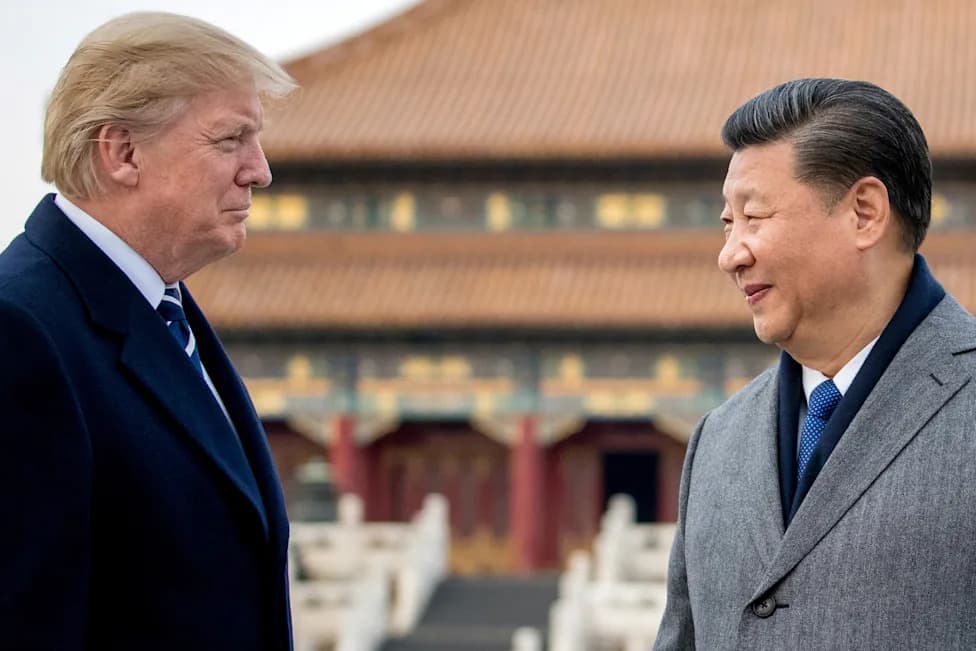
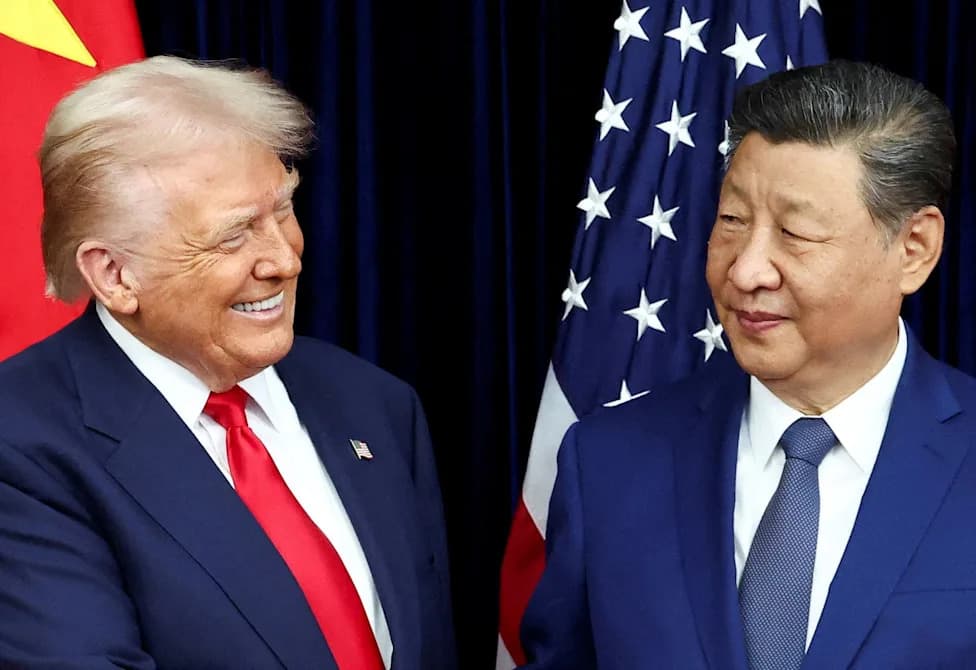
FILE - President Donald Trump, left, and Chinese President Xi Jinping tour the Forbidden City, Nov. 8, 2017, in Beijing, China. (AP Photo/Andrew Harnik, File)(AP Photo/Andrew Harnik)
It could have been far worse.
When President Donald Trump ordered strikes against Iran in late February, many forecasters warned that a prolonged conflict could send oil prices surging — perhaps even doubling — and urged markets and motorists to brace for severe disruption. Six months on, the conflict continues and markets remain volatile, but the most catastrophic price scenarios have not materialized.
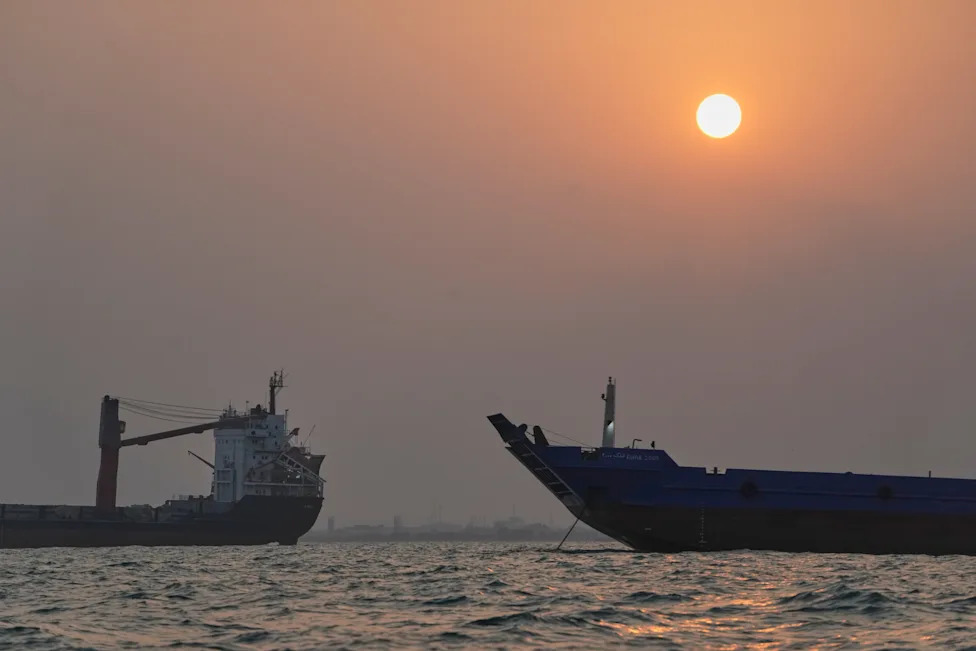
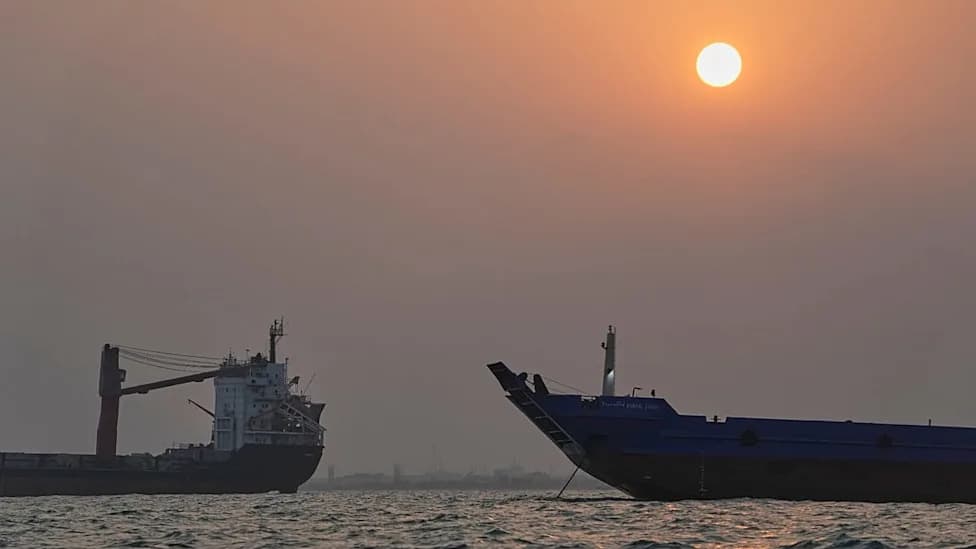
The sun sets over commercial vessels anchored in the Strait of Hormuz off Bandar Abbas, Iran, with the city's skyline in the background, Sunday, Sept. 6, 2026. (AP Photo/Vahid Salemi)(AP Photo/Vahid Salemi)
China's Cushion: Strategic Reserves and Lower Imports
One major reason: China. Beijing spent years building what is now the world’s largest strategic petroleum reserve — roughly 1.4 billion barrels by the end of last year, according to U.S. Energy Information Administration estimates — and made energy self-reliance a central goal of its latest five-year plan. Faced with supply shocks and rising geopolitical risk, China sharply cut crude imports and tapped those reserves. At the same time, growth in electric vehicles and other alternatives has trimmed oil demand growth.
“They didn’t panic and by turning to their inventories they kept the price down for everybody,” said Michael Lynch, president of Strategic Energy and Economic Research.
How That Affected Global Prices
China is the world’s second-largest oil consumer and one of Iran’s biggest customers. Its decision to draw on stockpiles and reduce imports removed a substantial chunk of global demand, dampening upward pressure on prices for the United States, Europe and other markets. China’s crude imports averaged about 8.1 million barrels per day in Q2 — nearly 4 million barrels per day, or roughly 32% lower than in Q1, according to U.S. data.
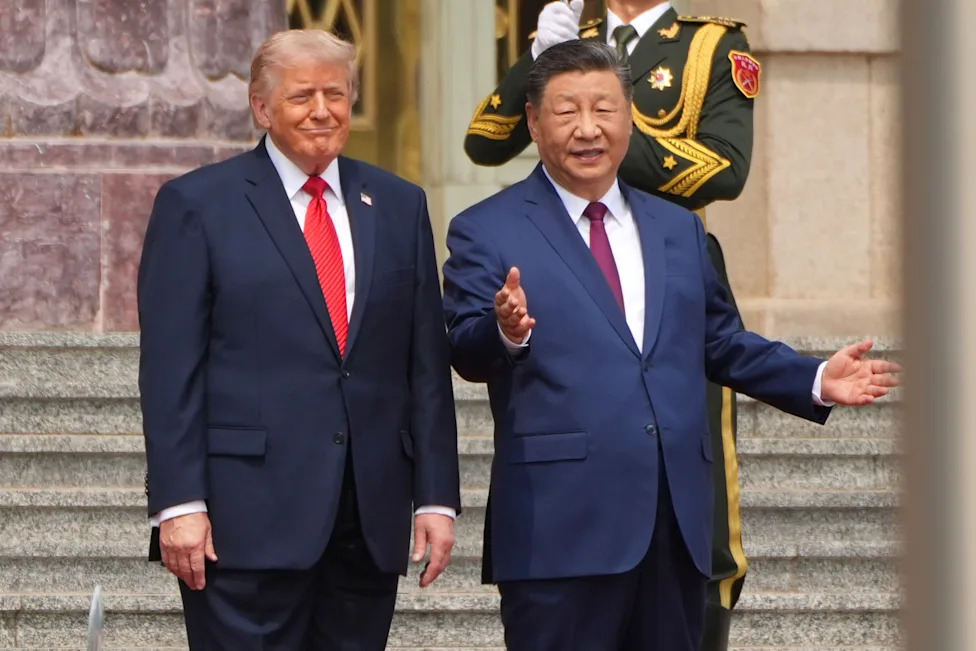
FILE - President Donald Trump, left, participates in a welcome ceremony with China's President Xi Jinping at the Great Hall of the People, May 14, 2026, in Beijing. (AP Photo/Mark Schiefelbein, File)(AP Photo/Mark Schiefelbein)
Those moves helped keep Brent from reaching the most extreme forecasts. Brent averaged about $69 per barrel last year and briefly spiked to $126 in late April; it has hovered near $100 in recent weeks.
Risks Remain
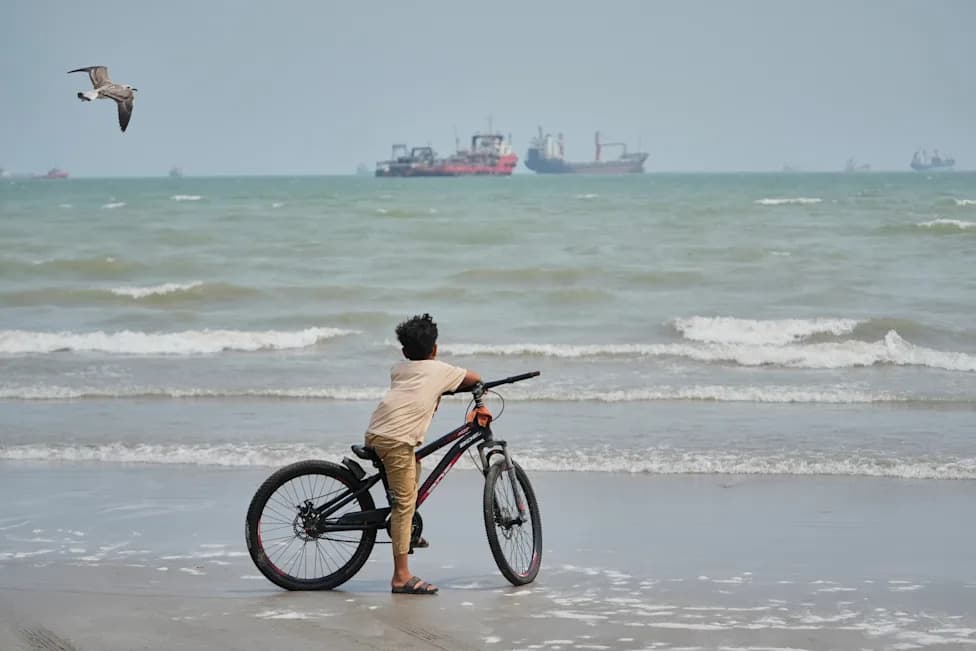
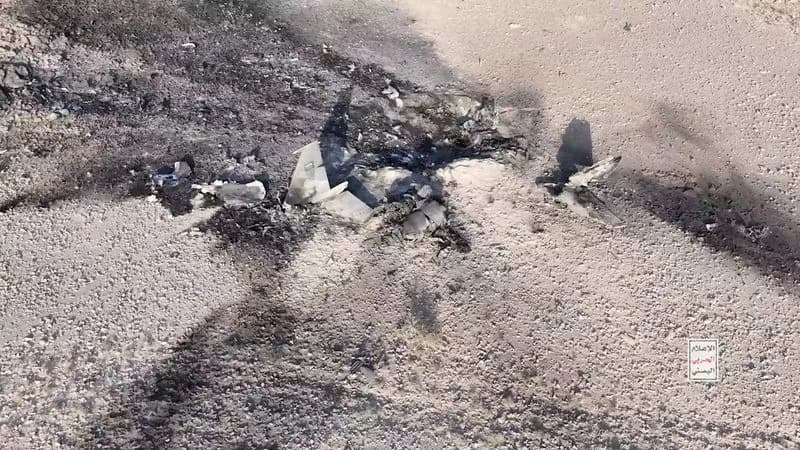
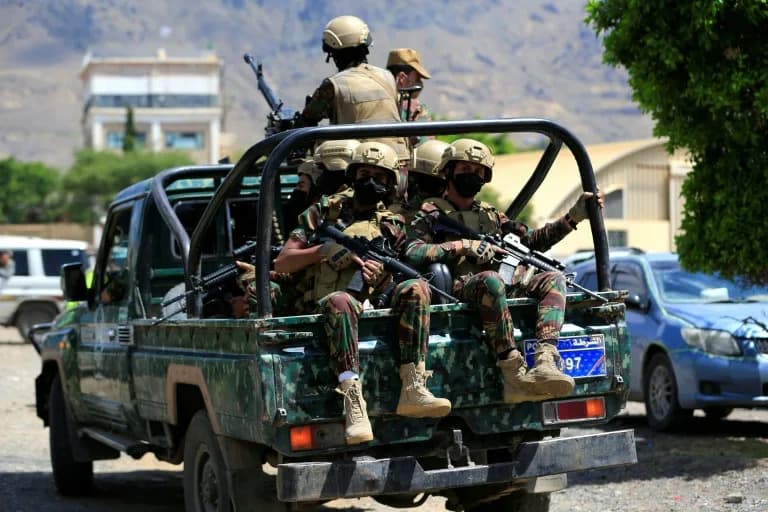
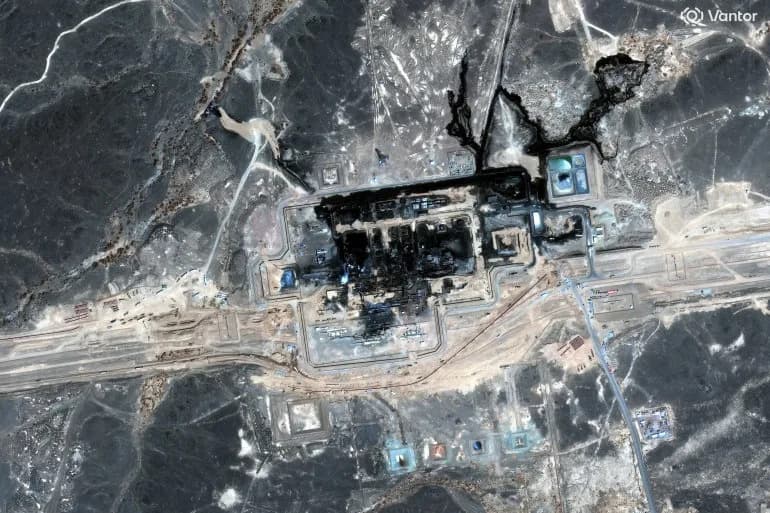
Beijing’s buffer is not invulnerable. Recent attacks by Iran-backed militias prompted Saudi Arabia to temporarily close a major pipeline that carries crude to Red Sea ports. Yemen-based Houthi forces have seized two strategic islands in the southern Red Sea, increasing the risk of disruptions to a vital shipping lane. Planned Gulf talks on reopening the Strait of Hormuz were postponed, and analysts warn that sustained interference could push prices much higher.
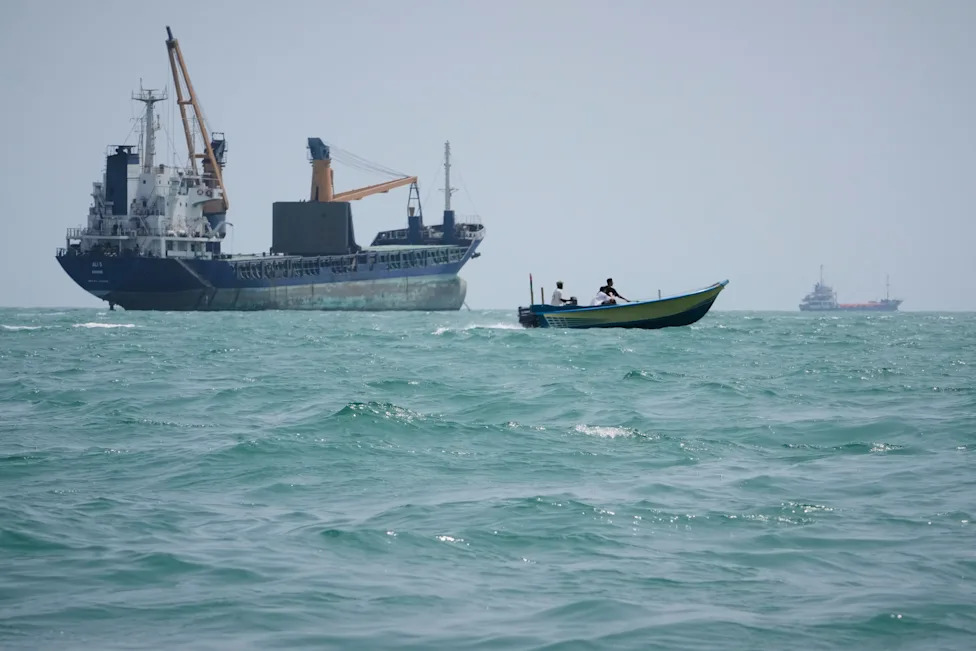
A motorboat passes a general cargo ship anchored in the Strait of Hormuz off Bandar Abbas, Iran, Sunday, Sept. 6, 2026. (AP Photo/Vahid Salemi)(AP Photo/Vahid Salemi)
Bank of America analysts last week projected Brent near $83 a barrel for the second half of the year given “more persistent disruptions to Hormuz,” but cautioned that prolonged chokepoints could push prices to $95–$120 a barrel, with extreme infrastructure damage producing spikes up to $150.
Diplomacy And Motives
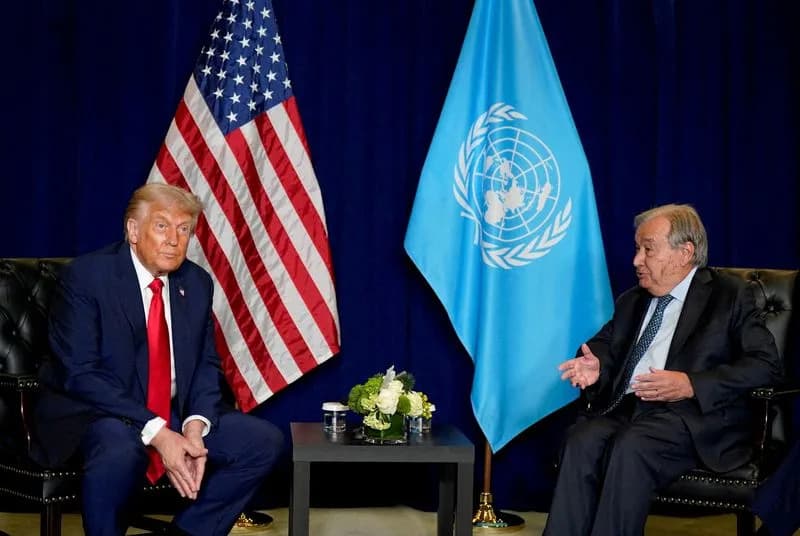
The Iran war and its economic fallout are expected to figure in the upcoming Trump-Xi talks in Washington, though a major diplomatic breakthrough appears unlikely. U.S. officials have urged China to use its economic leverage to press Tehran, while Chinese leaders — publicly opposed to the U.S. military approach — have resisted pressure to isolate countries still doing business with Iran.
Analysts note China’s actions were pragmatic rather than altruistic: Beijing prepared its reserves in part to insulate itself from potential military contingencies — including tensions over Taiwan — and using those stocks now is a trade-off against the risk of global price shocks that would also harm China’s economy.
Bottom Line
China’s strategic reserves and demand restraint are the single largest factors moderating global oil prices since the conflict began. That restraint has bought time and eased immediate price shocks, but renewed or escalated disruptions to shipping lanes or energy infrastructure could still send prices sharply higher.
Help us improve.