The seizure of a Red Sea port and Perim Island by Houthi forces, together with a reported strike on a cargo ship in the Strait of Hormuz, has heightened concerns about global oil supplies. Amy K. Mitchell says no nation currently guarantees safe passage through these straits, and the uncertainty is already unsettling markets. The U.S. and China are relatively well positioned for a short disruption, but Europe and developing countries could face sharper impacts if the situation persists.
Strait of Hormuz and Red Sea Tensions Threaten to Roil Global Oil Markets, Expert Warns
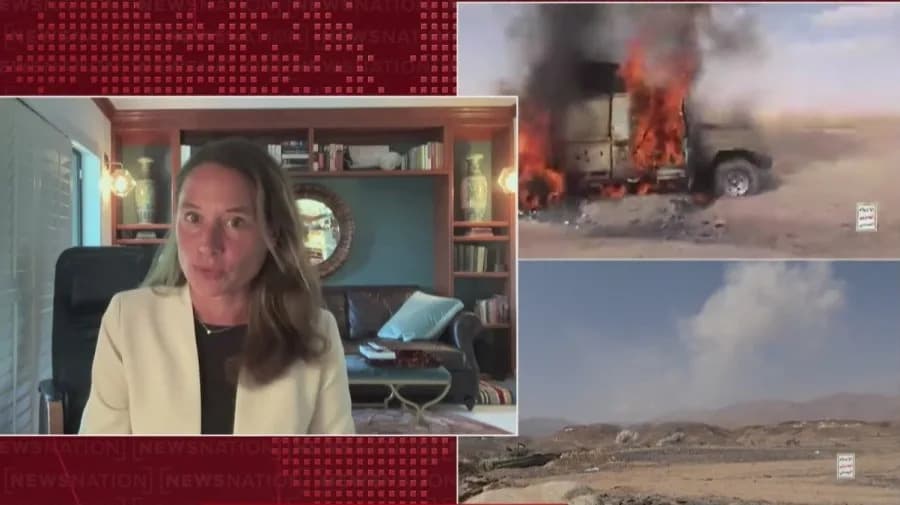
Why threats to the Strait of Hormuz and Red Sea could rattle oil markets
National Security Institute senior fellow Amy K. Mitchell warns that global oil markets are more fragile than many realize after Houthi fighters seized a strategic alternative shipping route near the Strait of Hormuz.
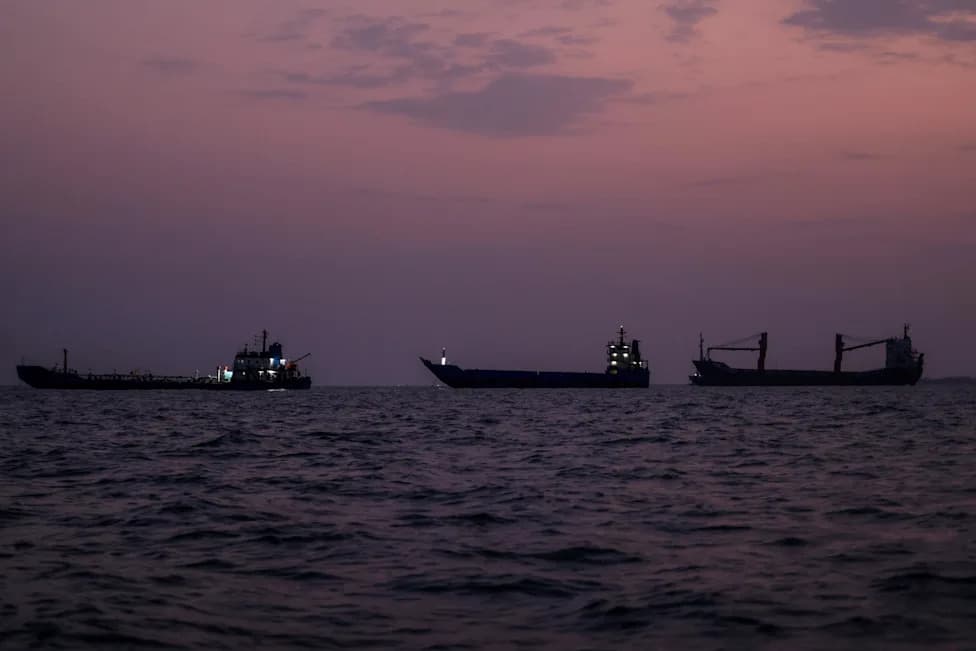
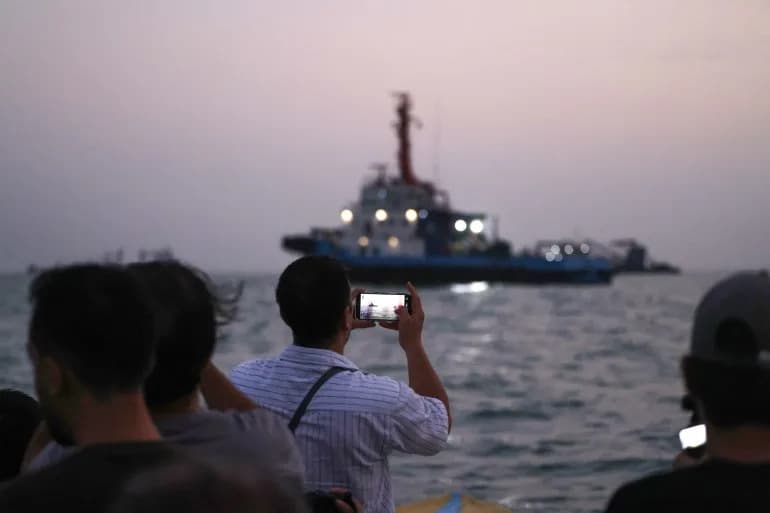
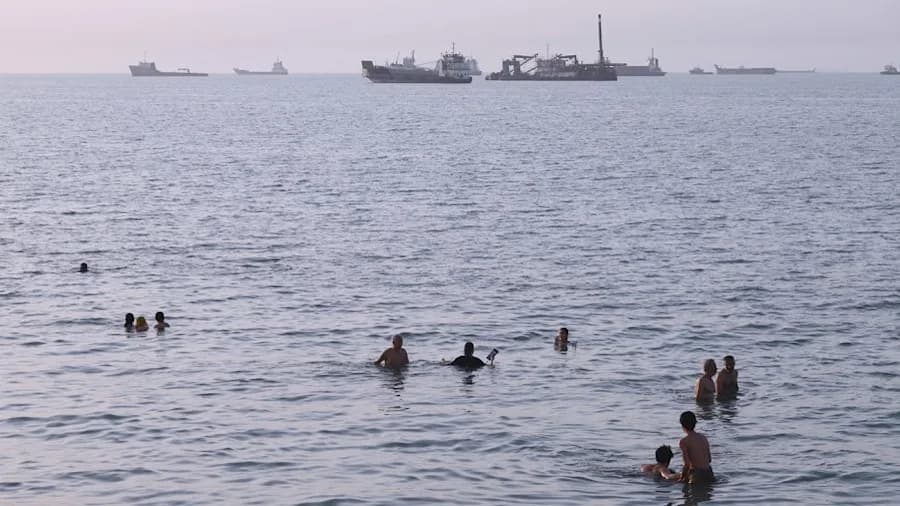
Iranian state media reported overnight that a commercial cargo vessel was struck in the Strait of Hormuz as Iran and regional partners prepare talks over control of the waterway. At the same time, Houthi forces have taken control of a major Red Sea port city in Yemen and seized Perim Island in the middle of the Bab el-Mandeb Strait, tightening pressure on two of the world’s critical maritime chokepoints.
Analysts estimate Americans have already paid roughly an extra $100 billion for fuel linked to the Iran-related fighting, illustrating how rapidly supply disruptions can translate into higher consumer costs.
Those parallel threats are putting renewed strain on global energy markets. Mitchell, a former State Department adviser, says no single state currently guarantees safe passage through the Strait of Hormuz.
"I don't think anyone has 100% control or even 50% control of the strait at this moment," Mitchell said on "NewsNation Live."
She added that the uncertainty alone is unsettling markets as shipping firms weigh rising insurance premiums against competing reassurances from the United States and Iran about maritime safety.
Mitchell said the United States has sufficient reserve stocks and domestic production capacity to avoid an immediate supply shock if the disruption is short-lived, and that China is comparatively well supplied. However, she warned the impact would be harsher for regions forced to rely on much longer alternative shipping routes.
"We'll start to see the squeeze first on Europe, and then it will go around the globe from there," she said. Developing countries, she added, are especially ill-equipped to absorb prolonged fuel-price increases or persistent supply interruptions.
Mitchell said she is closely monitoring the status of other global shipping lanes and urged urgent action to keep at least one of the straits open. "The U.S. needs to find a way at this point to keep these straits open, at least one of them," she said. "Either work with Saudi Arabia or finish the job with Iran."
The Associated Press contributed to this report.
Help us improve.