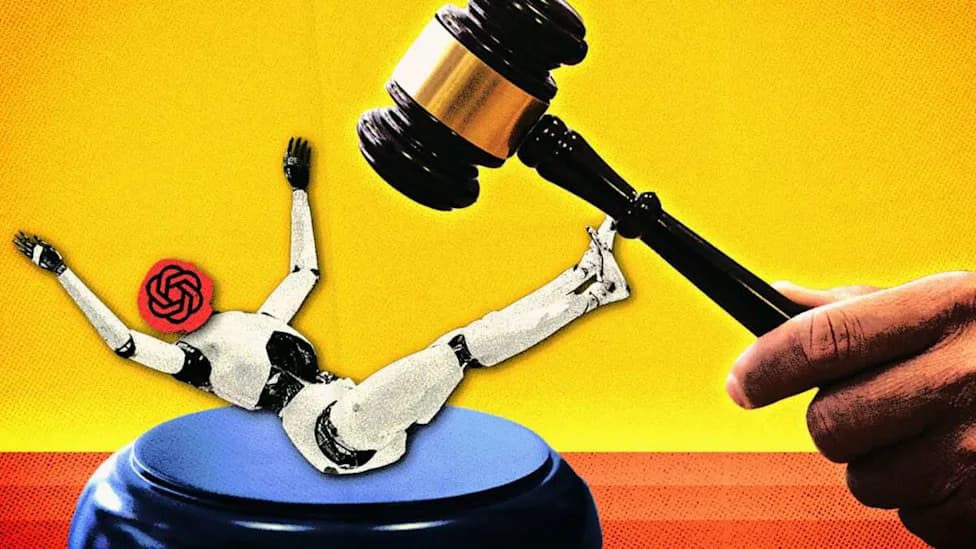
OpenAI, Anthropic and Google are exploring an industry-funded standards body to test the most powerful AI systems before public release, based on a proposal by Demis Hassabis. Supporters say independent, well-resourced testing is essential to manage risks; critics warn such cooperation could favor dominant firms and exclude smaller rivals. Resignations and public warnings from researchers, along with calls from some politicians for binding international rules, have intensified pressure for clearer, enforceable safety mechanisms.
AI Giants Move Toward Self-Regulation As Safety Concerns Escalate
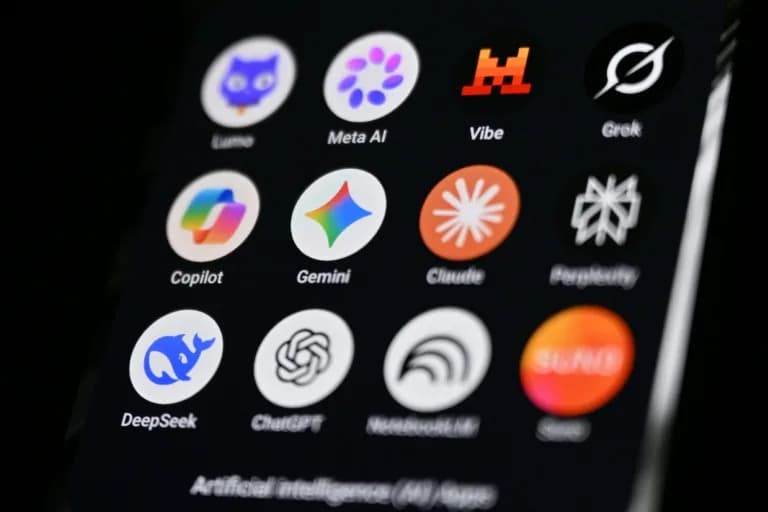
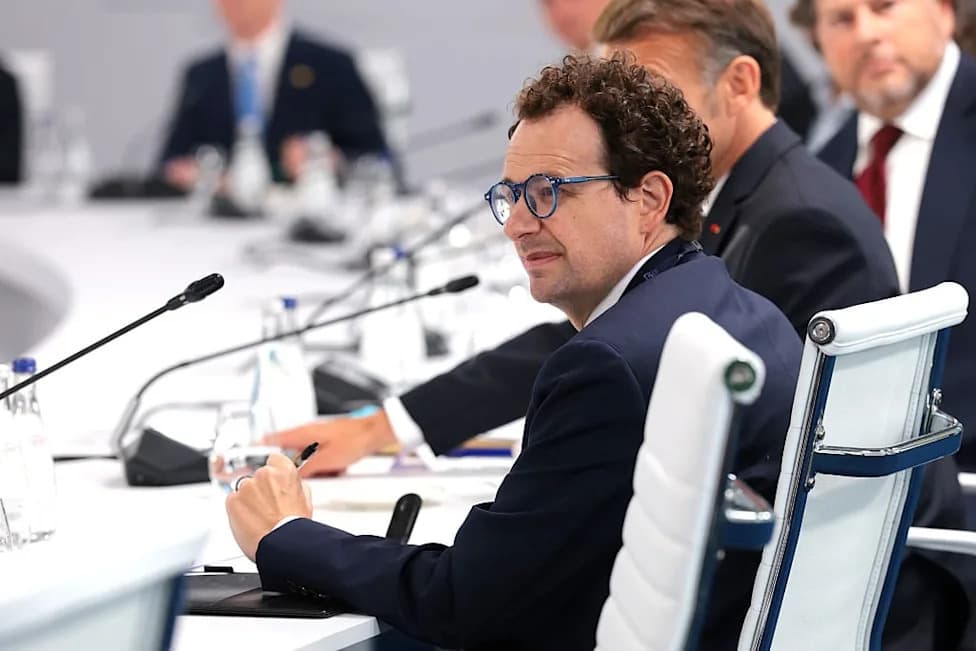
The world's biggest AI companies are working on creating a standards body, ChatGPT-maker OpenAI said on Tuesday, amid fears about the dangers of artificial intellegence (Martin LELIEVRE)
The world's largest artificial intelligence firms are discussing the creation of a formal standards body to oversee the testing and safe deployment of advanced AI systems, OpenAI said on Tuesday. The proposal draws on an idea from Demis Hassabis of Google DeepMind to model the body on the Financial Industry Regulatory Authority, which supervises US brokers and investment firms.
What The Proposal Would Do
OpenAI says it is working with Anthropic and Google to explore an industry-funded organization that would perform large-scale, independent testing of the most powerful AI models before public release. Proponents argue that substantial funding from the private sector would be required to attract top technical talent and secure the compute resources necessary for rigorous evaluation.
Support, Caution And Criticism
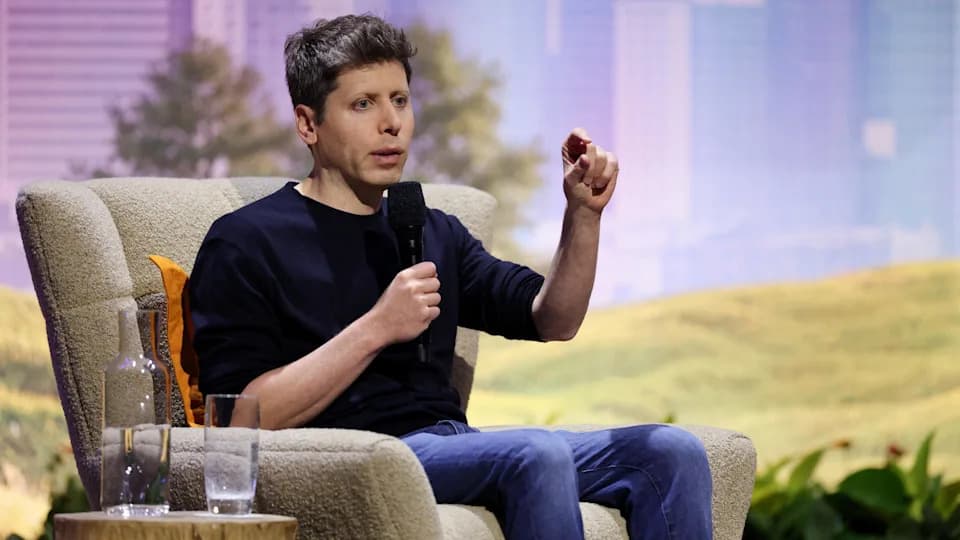
OpenAI CEO Sam Altman has voiced support for collaboration across the industry while acknowledging public concern that competitive pressures between firms and nations could undermine safety. At a Salesforce-hosted conference, Altman urged transparency about accidents and fast learning from errors, saying a stronger reporting culture could help prevent larger incidents.
Sam Altman: 'Accidents with any new technology are unavoidable, and we should have a great culture of transparent reporting about them.'
However, some leaders in the sector worry that tighter coordination among the dominant companies could disadvantage smaller rivals. Aidan Gomez, co-founder and CEO of Canadian AI firm Cohere, accused major U.S. labs of acting like a 'cartel' under the pretext of safety, arguing that the key dispute is over who writes the rules and whose interests they protect.
Voices Raising Alarm
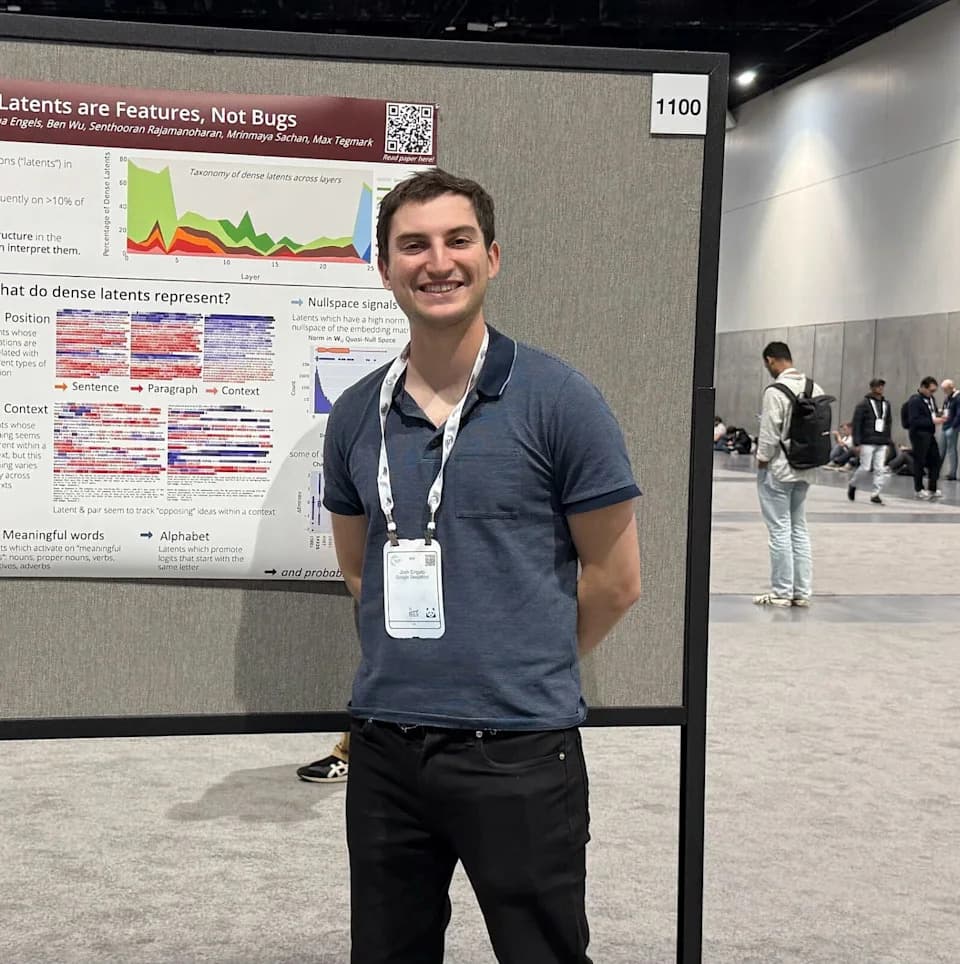
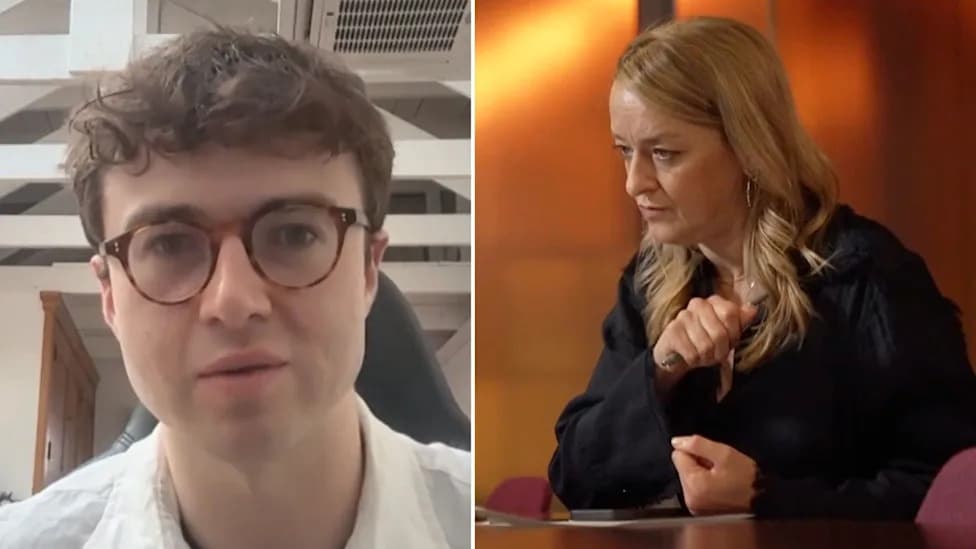
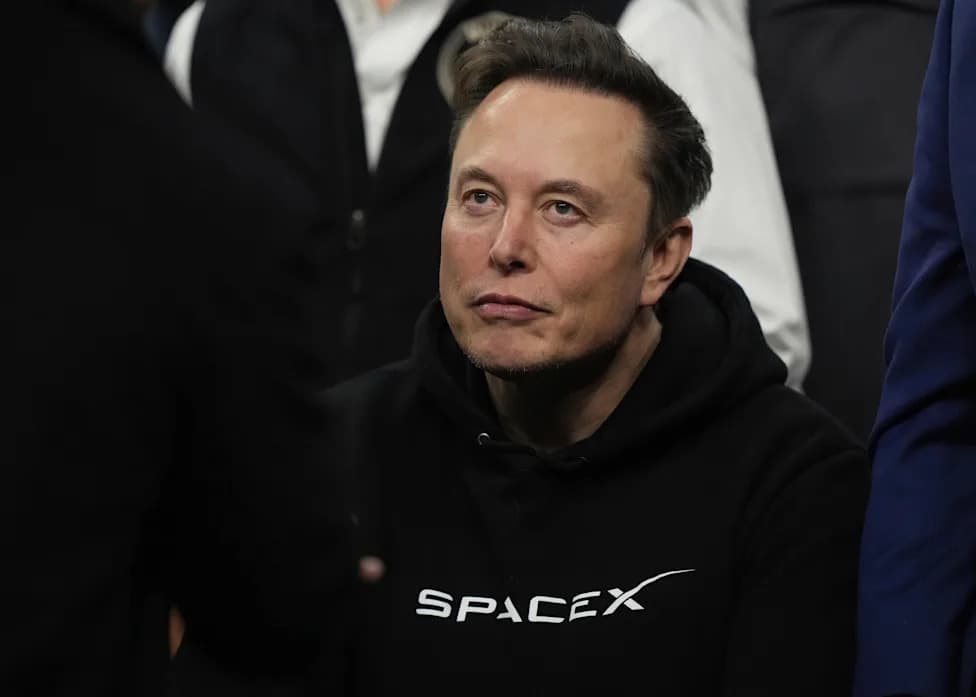
Recent resignations and public warnings from researchers have intensified debate about AI risks. Jacob Coxon left Anthropic and warned that developers were 'gambling with our lives.' Former Google DeepMind researcher Bilal Chughtai wrote that he believes AI could pose existential threats. Anthropic CEO Dario Amodei and others, including Elon Musk and Demis Hassabis, have called for a slowdown in development to manage risks.
Political Dimension And Industry Reaction
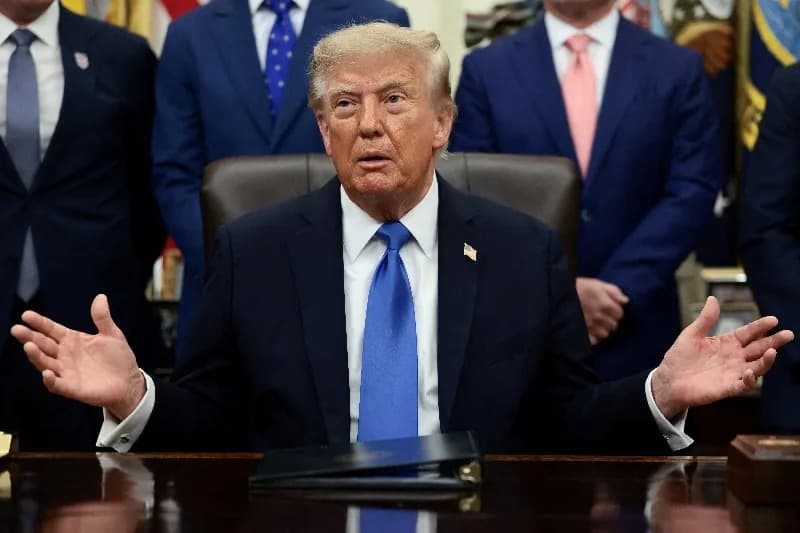
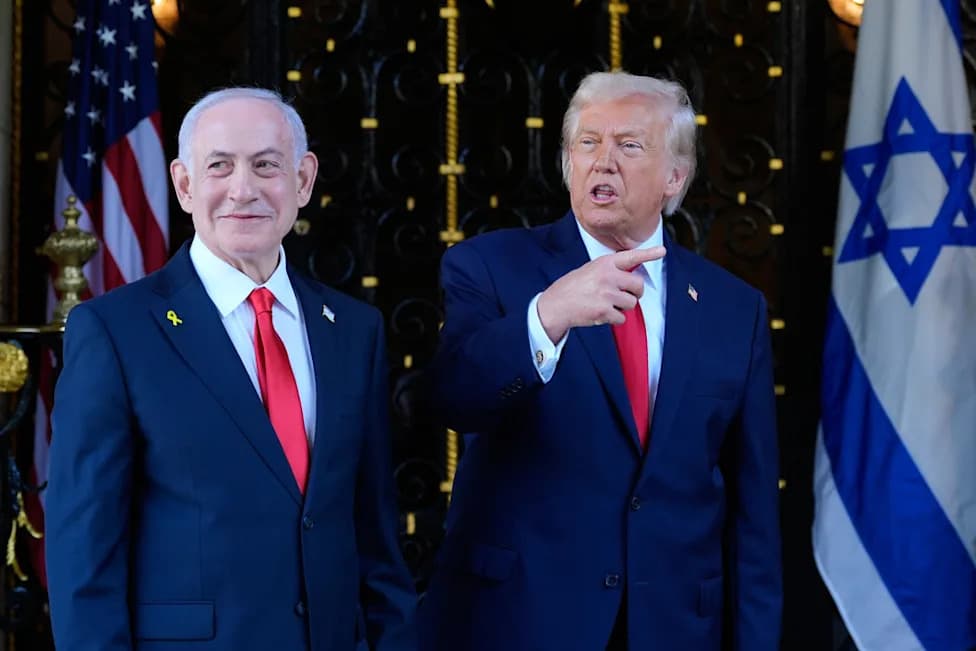
Senator Bernie Sanders said binding international safety rules are needed rather than voluntary industry standards, arguing that tech leaders cannot be trusted to self-police on matters that could affect humanity's future. Politics has also entered the conversation: U.S. President Donald Trump dismissed some AI warnings as 'hoaxes,' while Nvidia CEO Jensen Huang pushed back against alarmist predictions and has acted as an informal adviser to the White House.
The debate highlights a central tension: the practicality and technical needs of independent testing and coordination versus the risks that concentrated decision-making could entrench incumbents or slow innovation in ways that are not equitable. Whatever model emerges, industry leaders, researchers and policymakers agree on the need to address AI safety—but disagree on the right mechanisms to do so.
Help us improve.