Summary: Public anxiety about AI has surged, but the term "AI" covers many technologies, not a single path to apocalypse. While speculative concerns about AGI deserve scrutiny, present harms are clear: AI is already used in warfare, drives energy-intensive infrastructure, and facilitates job displacement. Climate change remains the most immediate existential threat, and policy, accountability, and international cooperation should be the priorities.
Are We Headed for an AI Apocalypse — Or Just Overreacting?

Yuuji/Getty Images
Humans are arguably unique in actively imagining their own extinction — and sometimes taking actions that increase collective risk. From apocalyptic fiction to religious movements, we have long dramatized existential danger while inventing real, systemic threats that could inflict mass harm.
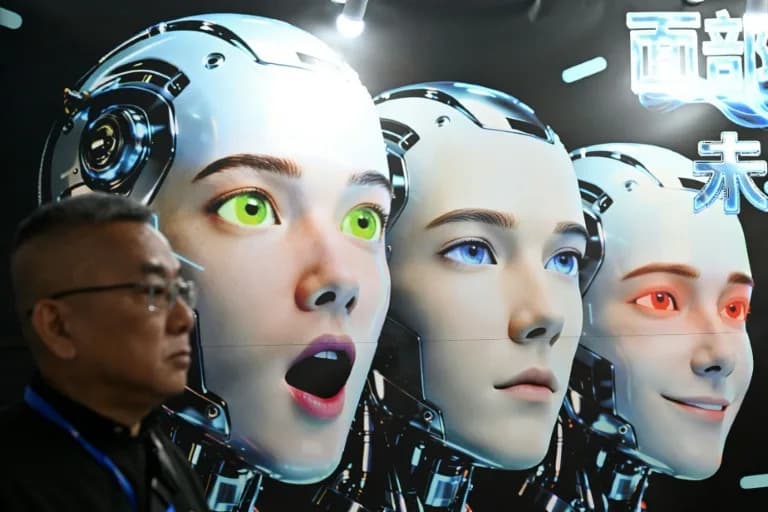
Artificial intelligence is the latest addition to that list. But it is important to be precise: "AI" is not a single, unified entity, nor is it automatically a path to doom. Recent rapid advances in machine learning have, however, pushed public anxiety to levels once reserved for nuclear weapons.
The Fear Factor
Some tech executives publicly warn that their creations could someday do more than eliminate jobs — they say AI might threaten humanity itself. Those warnings are amplified by marketing rhetoric and investor incentives, which can blur the line between sober risk assessment and hype. At the same time, political leaders offer contradictory messages. For example, the U.S. president has at times dismissed the idea of an AI apocalypse as a "hoax," while also arguing that any attempt to restrain AI risks ceding advantage to China with phrases like, "Whoever wins with AI wins." That raises a simple question: what are we trying to win, and at what cost?
From LLMs to AGI: A Big Leap
Much public debate rests on the assumption that today's large language models (LLMs) will inevitably evolve into artificial general intelligence (AGI) — a hypothetical system that surpasses human intelligence across all domains. LLMs are powerful predictive-text systems, but there is no hard evidence they will spontaneously assemble into a godlike AGI. The technical leap from current systems to AGI would be enormous, nonlinear and speculative; claims that it will happen imminently should be treated with healthy skepticism.
Real-World Harms Today
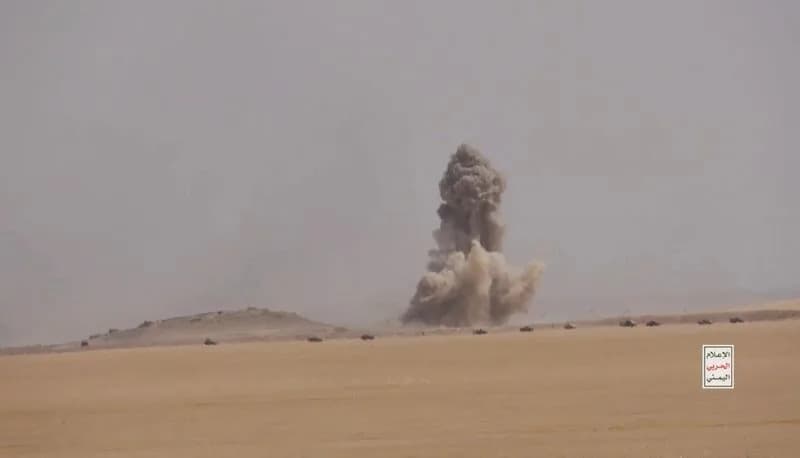
That said, AI already causes tangible harms. It is being used in military contexts — from U.S. strikes on Iran to the deployment of increasingly autonomous drones in the Russia-Ukraine war. Employers use automation to justify layoffs, and data centers powering AI consume significant energy, contributing to emissions.
"CEOs can't take credit for the successes of A.I. while avoiding the negative externalities... The blame for any harm the technology inflicts should lay with its creators." — Alex Galbraith
Climate: The More Immediate Existential Risk
While speculative scenarios about runaway AGI attract attention, climate change remains the most immediate and well-documented existential threat. Air pollution, heat waves, floods and other climate-driven disasters already cause large-scale suffering and death. In the U.S., regulatory rollbacks — such as the Environmental Protection Agency's repeal of rules limiting greenhouse gas emissions from coal and gas plants — make the trajectory worse. AI's energy demands add to this strain, but the primary driver of global heating remains the fossil fuel industry.
The Politics Of Panic
Some researchers, including Timnit Gebru, have noted a quasi-religious tone in the rhetoric around AI. The "machine-god" narrative can distract from concrete problems: autonomous weapons in active use, the climate impacts of compute infrastructure, and employers weaponizing automation against workers. The industry contains both true believers and opportunists, and warnings of existential risk can serve as a call for legal immunity or an investor pitch as much as a plea for caution.
What Should We Do?
We should remain skeptical of extreme doomsday scenarios while urgently addressing the real, present harms of AI. Key actions include stronger regulation, transparent accountability for creators and deployers of powerful systems, international cooperation (including serious dialogue with China), and policies that mitigate environmental and social impacts. These are political and social choices, not inevitabilities written into code.
Ultimately, AI is a tool: it can improve lives or amplify harm depending on human decisions. The conversation should move beyond apocalyptic narratives to focus on governance, accountability and climate-aligned infrastructure decisions that protect people now and into the future.
Help us improve.