The KehatiKu cash-for-photos programme in West Kalimantan pays villagers for verified photos and audio of wildlife, with rewards from 5,000 rupiah for common birds to 130,000 rupiah for endangered orangutans. Run by Borneo Futures and backed by about $300,000 in funding, the scheme has collected over 350,000 submissions (roughly half validated) and helped spur voluntary hunting bans and new income for rural families. Sustainability of funding and long-term behaviour change remain the main challenges.
Cash-for-Photos Program in Borneo Turns Hunters Into Wildlife Protectors
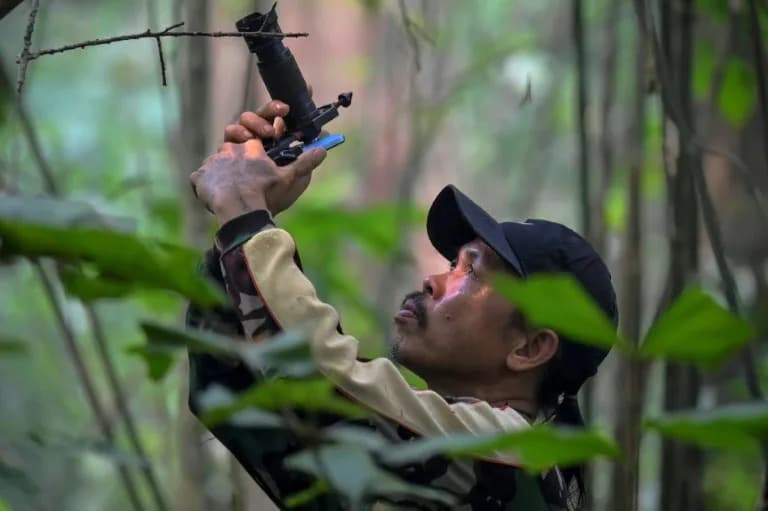
Wildlife observer and former poacher Octavius using a mobile phone equipped with a telephoto lens to take pictures of wildlife in a forest near Labian village in Kapuas Hulu, West Kalimantan (BAY ISMOYO)
Octavius, an Indonesian villager, picks his way through the Borneo forest in rubber boots and worn joggers, phone and telephoto lens at the ready, searching for orangutans, monkeys and songbirds. What used to be a hunt for income has become a daily quest to photograph and record wildlife — and get paid for it.
How the KehatiKu Program Works
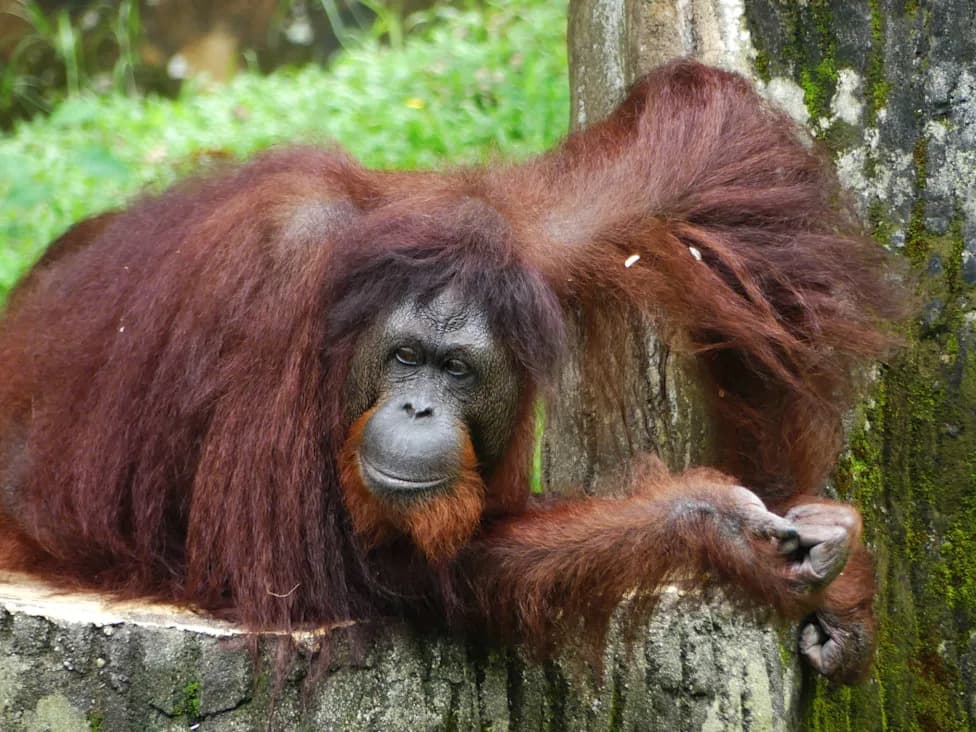
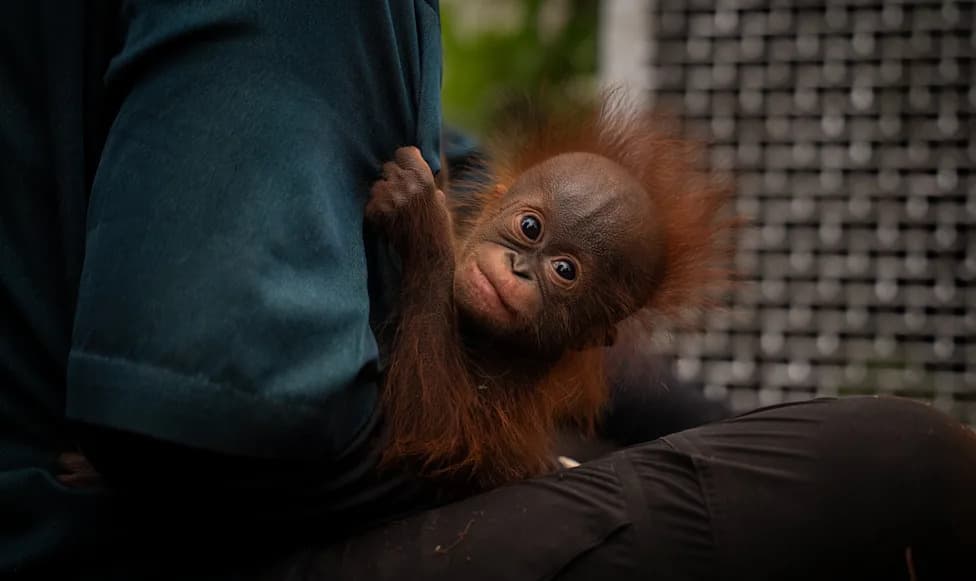
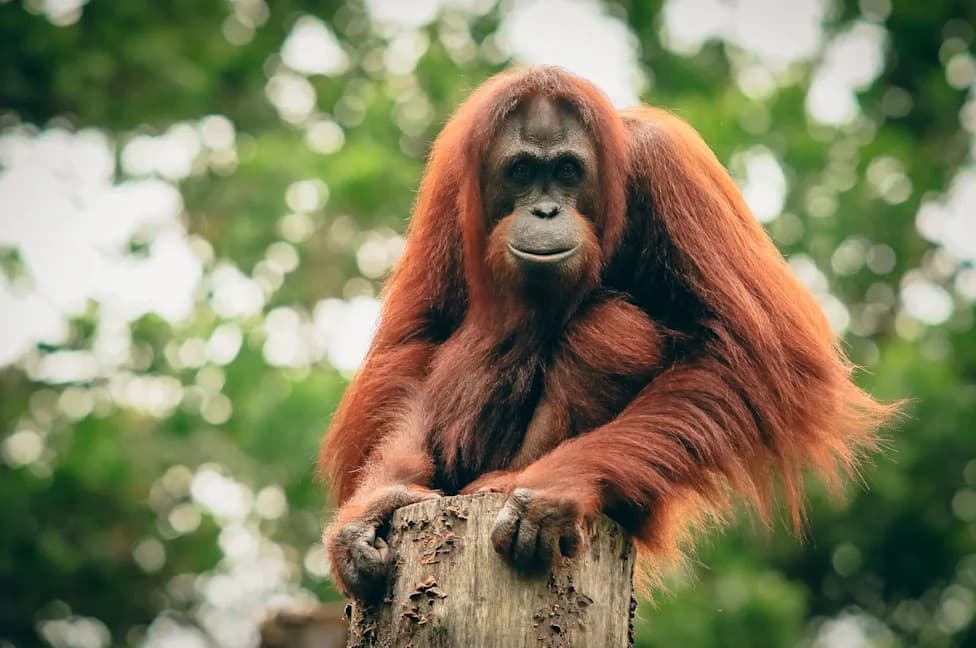
The KehatiKu initiative, run by environmental consultancy Borneo Futures, pays residents of nine West Kalimantan villages for verified photos or audio recordings of wildlife. Payments range from 5,000 rupiah (about $0.30) for a common bird sighting to 130,000 rupiah for an endangered orangutan. The most successful participants can earn up to 10 million rupiah a month (roughly $570), several times the income of a typical farmworker.
Technology and Verification
The programme has logged more than 350,000 submissions to date; roughly half have been validated and paid. Funding of about $300,000 so far has supported development of a mobile app for uploading sightings and an AI-assisted system that helps human verifiers screen observations. Invalid entries are typically duplicate reports of the same individual or species not listed in the programme.
Nardiyono, Director of Borneo Futures Indonesia: "Where previously they caught one bird and it was worth 50,000 rupiah, now they just need to take a photo, send it to us, and they can receive a payment of 5,000 to 10,000 rupiah. If they take just five photos, they may earn 50,000 rupiah, and the bird is still in their environment, still observable, and still able to reproduce."
Local Impact
Most participants are small-scale farmers who grow rice, cacao, durian and kratom. The extra income helps families pay for expenses such as college fees and household appliances — one participant bought her first refrigerator and a karaoke machine with programme earnings. Two participating villages have voluntarily introduced hunting bans since the project began, and community attitudes toward animals such as wild boar and deer have shifted from pest control to protection.
Paul Ferraro, Johns Hopkins University: "The programme's incentive-based design is likely better for both environmental and social impacts than an unincentivised, top-down conservation project design. The main challenge will be maintaining funding."
Outlook and Challenges
Borneo Futures says funding is secured through 2028 and two more villages are set to join. The programme currently pays for observations of 73 species, including birds, monkeys, wild cats and deer. Sustained financing and continued community engagement will be critical to prevent people returning to hunting when incentives decline.
In short: KehatiKu is turning a hunting economy into a community-driven conservation effort by making living wildlife a recurring source of income and by combining local knowledge with digital tools.
Help us improve.