The Justice Department's Office of Legal Counsel concluded that 18 U.S.C. § 922(b)(1) and § 922(c)(1) are inconsistent with the Second Amendment as interpreted under Bruen, and instructed DOJ not to criminally prosecute licensed dealers who sell handguns to law‑abiding 18‑ to 20‑year‑olds. The opinion applies only to handguns and does not resolve restrictions on handgun ammunition. Federal appeals courts are divided on the issue, the Supreme Court has not yet ruled directly, and ATF dealer guidance has not been updated. Advocacy groups on both sides predict further litigation and urged caution pending implementation.
DOJ Says Federal Ban On Handgun Sales To 18–20-Year-Olds Unconstitutional, Limits Criminal Enforcement
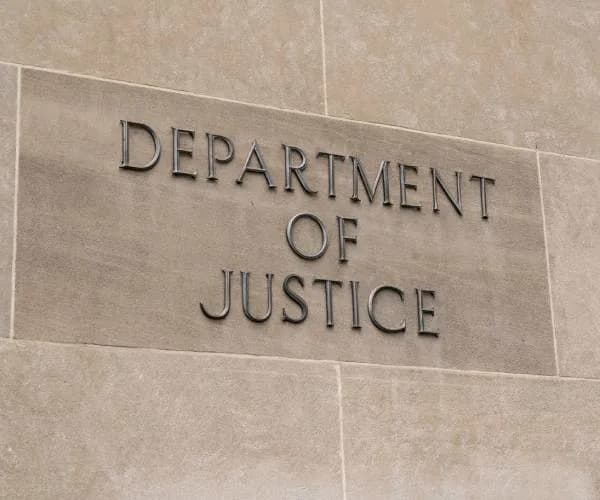
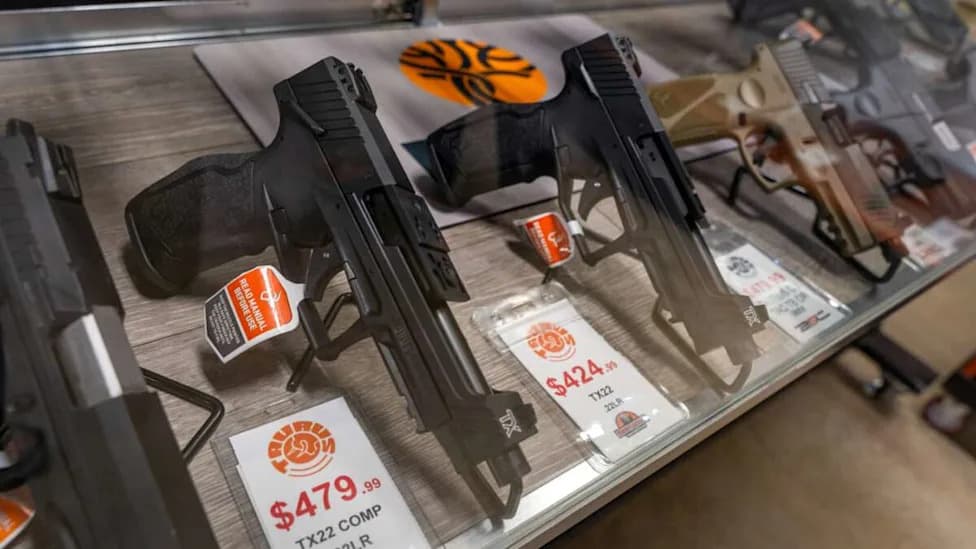
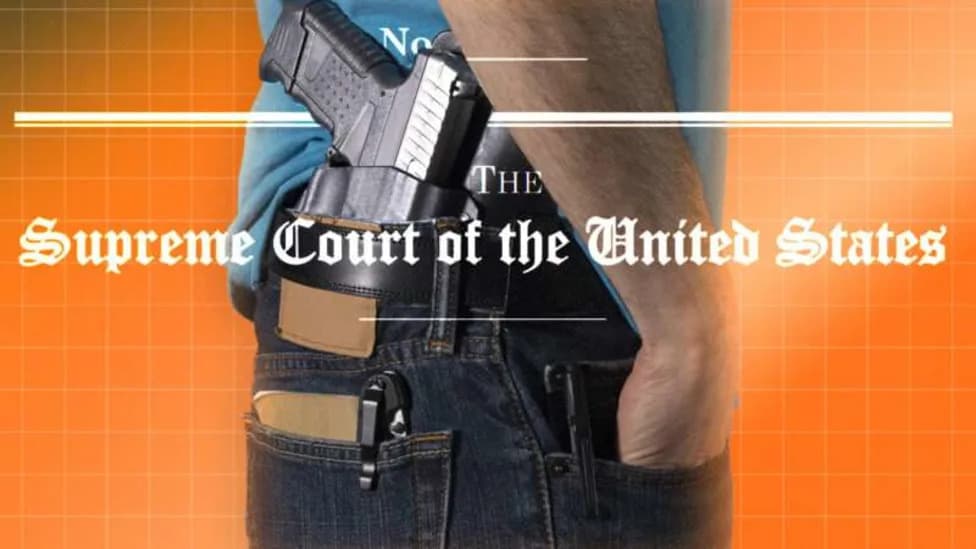
The U.S. Department of Justice announced Friday that a federal prohibition barring licensed firearms dealers from selling handguns to 18- through 20-year-olds is unconstitutional and cannot serve as the basis for criminal prosecution of dealers, according to an opinion from the Justice Department's Office of Legal Counsel (OLC).
The OLC concluded that two federal statutes—18 U.S.C. § 922(b)(1) and 18 U.S.C. § 922(c)(1)—are inconsistent with the Second Amendment as recently construed by the Supreme Court, and that 18- to 20-year-olds fall within "the people" protected by the Constitution. The opinion directs the Department of Justice not to use these provisions to pursue criminal penalties against licensed dealers who sell handguns to otherwise law-abiding adults in that age group.
"Eighteen-year-olds may vote, serve on juries, be drafted, and face adult criminal penalties, including capital punishment," Assistant Attorney General T. Elliot Gaiser of the OLC said in a news release. "The Constitution protects the people's right to keep and bear arms. The Department of Justice may not constitutionally seek to impose criminal penalties on dealers who sell handguns to law‑abiding adults who, in nearly every other relevant respect, are members of the political community."
The OLC opinion was issued a day after reports that DOJ declined to appeal a separate federal court decision finding certain National Firearms Act registration and transfer requirements unconstitutional as applied to silencers, short‑barreled rifles, and short‑barreled shotguns. That court's injunction is limited to the case's plaintiffs and their members rather than nationwide relief.
Legal Background And Scope
The federal prohibition on handgun sales to people under 21 traces to the Gun Control Act of 1968. It bars licensed dealers from selling handguns and handgun ammunition to persons under age 21, while permitting dealer sales of rifles and shotguns to adults 18 and older. The OLC's analysis in this opinion is explicitly limited to handguns; it does not purport to resolve whether the prohibition on handgun ammunition sales to 18- to 20-year-olds is likewise unconstitutional.
Federal appeals courts are divided on the issue: the 5th U.S. Circuit Court of Appeals held last year that the handgun-sale restriction is unconstitutional, while the 4th Circuit upheld it. Other appeals courts have reached varying results on related state restrictions for adults under 21. The Supreme Court has not yet directly ruled on whether the federal handgun-sale restriction violates the Second Amendment, though its 2022 decision in New York State Rifle & Pistol Association v. Bruen reshaped the framework used to evaluate gun regulations.
Enforcement, Implementation, And Reactions
OLC opinions are authoritative within the executive branch but do not bind federal courts. This guidance instructs DOJ lawyers not to seek criminal prosecutions of licensed dealers who sell handguns to otherwise law‑abiding 18- to 20-year-olds. The Bureau of Alcohol, Tobacco, Firearms and Explosives (ATF) has not issued new dealer guidance replacing its existing rules, and other federal requirements and state laws remain in force.
Advocacy groups reacted sharply. The Firearms Policy Coalition, which is litigating the same restriction, praised the OLC reasoning and urged DOJ to extend the position to handgun ammunition as well, though it warned dealers to await updated ATF guidance. Kris Brown, president of Brady: United Against Gun Violence, criticized the opinion as undermining long-standing public-safety protections and disputed the OLC's reading of Bruen.
Historical Evidence
The OLC reviewed Founding-era legislation and concluded there was no clear tradition of excluding legal adults from firearm purchases; early militia laws typically required service at age 18 and expected members to supply their own arms. The opinion relies on that history as part of its constitutional analysis under the Bruen framework.
Because the courts remain split and the Supreme Court has not ruled directly on this precise question, further litigation and possible appellate decisions are likely to follow. For now, the OLC opinion alters DOJ's internal enforcement posture but does not itself change the text of federal law or state restrictions.
Help us improve.