The Department of National Parks, Wildlife and Plant Conservation in Thailand launched a Wildlife Crime Intelligence Unit in 2023 to tackle an expanding illegal wildlife trade increasingly organised through social media. Undercover officers use disguises and covert techniques to gather evidence and secure warrants to rescue animals ranging from monkeys and gibbons to corals. Rescued animals are often weak, sedated or ill, and authorities cite platform non-cooperation, resource shortages and legal challenges as major obstacles. Officials call for an end to the exotic pet trade to reduce demand and suffering.
Online and Undercover: How Thailand’s Agents Track and Rescue Trafficked Wildlife
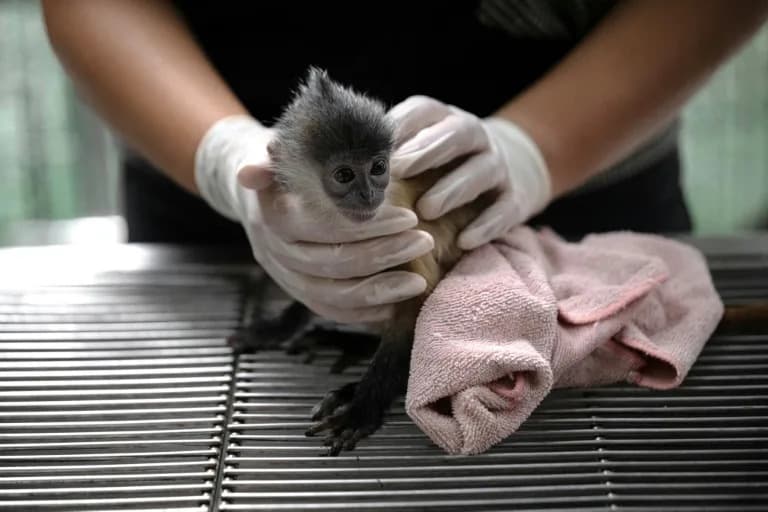
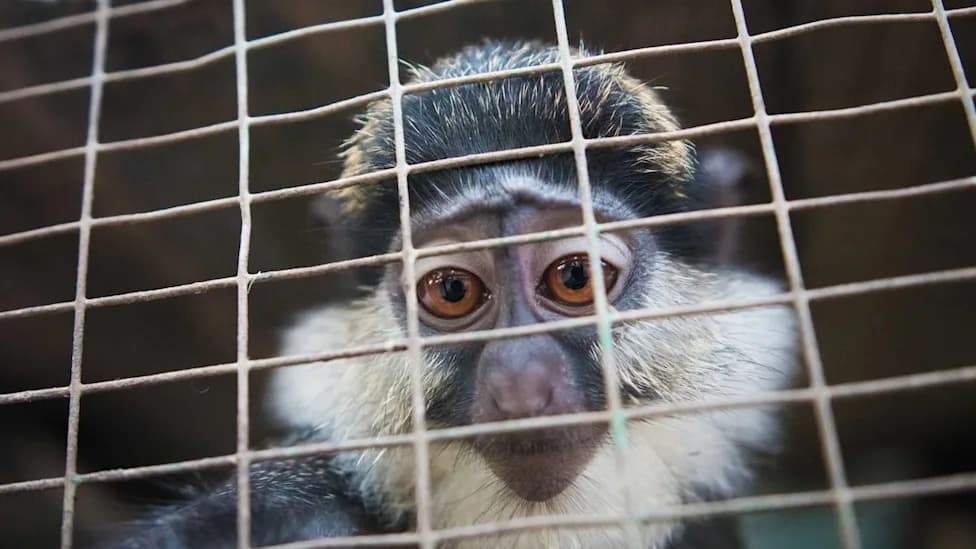
A six month-old leaf monkey that was intercepted by the Wildlife Crime Intelligence Unit at Suvarnabhumi airport (Lillian SUWANRUMPHA)
Nawee Changpirom has spent years rescuing trafficked wildlife across Thailand, yet some discoveries still astonish him — from leopards and hornbills to an anteater and even living corals hidden in a ceiling. He leads a raid unit in the Department of National Parks, Wildlife and Plant Conservation (DNP) that works to halt the sale of items ranging from African elephant ivory to primates destined for the pet trade or laboratory use.
Alongside weapons, drugs and human trafficking, the illegal trade in wildlife is one of the most pervasive and profitable forms of organised crime, driven by cross-border cartels. Thailand occupies a unique position in this network because of its rich native fauna, proximity to rare species in neighbouring countries and easy access by sea, air and land.
In 2023 the DNP created a dedicated Wildlife Crime Intelligence Unit (WCU) staffed by three permanent officers to track and intercept illicit purchases. Much of their work involves scouring social media — now the key channel for buying and selling illegal animals, WCU director Polawee Buchakiet says. Traders often euphemise listings, saying animals must be "rehomed" and posting tightly cropped photos to hide locations.
Undercover Work to Build Cases
To secure court warrants and seize animals, the WCU deploys undercover operatives who follow leads into the real world. One operative, known by the pseudonym "Tee," has climbed electricity poles disguised as a repairman to peer into courtyards and photographed animals, and posed as a land surveyor to look through neighbouring windows. That evidence is crucial to obtain warrants and mount prosecutions.
Tee remains haunted by cases where sellers could not be found or the team arrived too late and animals were dead or so ill they died soon after rescue. "Whether they are big or small, all animals' lives are precious," he told AFP.
Exotic Pets: A Growing Demand
Many seizures occur at airports. A leaf monkey barely six months old was intercepted in luggage at Bangkok's Suvarnabhumi Airport bound for India, where demand for exotic pets is growing. A second monkey found in the same suitcase later died despite rescue efforts. DNP veterinarian Thanawadee Phaichana says smugglers sometimes sedate or administer mild anaesthetics to animals to keep them quiet during transit.
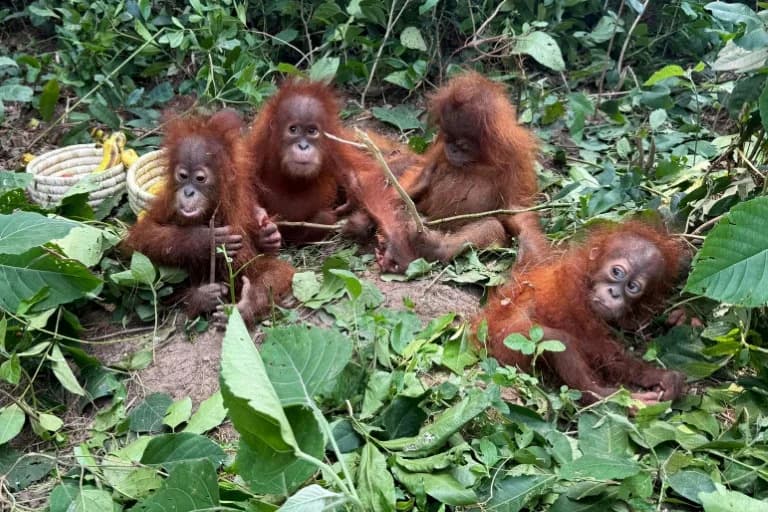
Animals rescued in and around Bangkok typically receive initial treatment at the DNP's small facility and are then transferred to sanctuaries. Healthy adults may be candidates for release, but juveniles often cannot learn the survival skills they need after being removed from their natural environment and family groups.
Legal And Operational Challenges
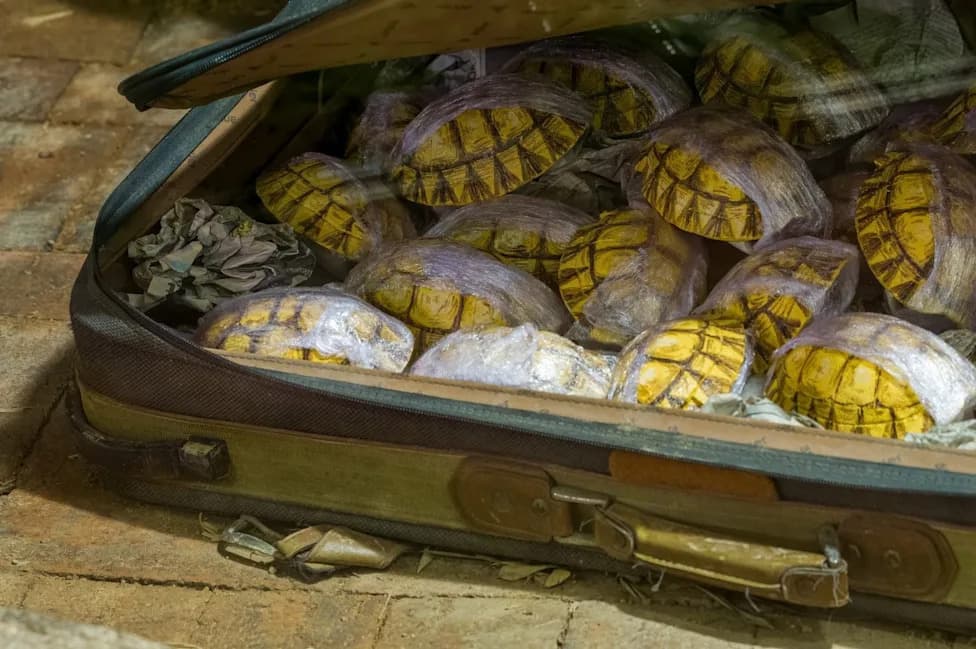
Thai law imposes heavy penalties for wildlife trafficking — up to 10 years in prison for crimes involving protected species and up to 15 years for offences involving endangered species. There have been several high-profile raids, including a July operation that recovered a leaf monkey, a gibbon and hundreds of turtles, as well as multiple airport interceptions.
However, investigators face setbacks: in 2019 a Thai court initially dismissed charges against alleged trafficker Boonchai Bach; although the Supreme Court later issued a prison sentence, he remains at large. The WCU also struggles with stonewalling from social media platforms, chronic shortages of staff and funding, and sometimes undercover officers must use their own money while posing as buyers.
A Call To End The Exotic Pet Trade
Officers say the most meaningful change would be an end to the exotic pet trade. "These are wild animals — they don't belong in a cage," Nawee said. Until demand falls and platform cooperation and enforcement improve, Thailand’s teams will continue their difficult, often heartbreaking work to intercept traffickers and care for rescued wildlife.
Help us improve.