An Indiana‑led effort led by the Fort Wayne Zoo and the Orangutan Species Survival Plan helped produce eight orangutan births at U.S. zoos, an unusually high total for this endangered ape. Using research‑backed, human‑inspired reproductive techniques, the program aims to safeguard genetic health and improve survival. The infants will remain in accredited zoos as ambassadors while lessons and data — such as dental aging methods — are shared with conservationists in Borneo and Sumatra to aid wild populations. Captive breeding is presented as one crucial tool alongside habitat protection and anti‑trafficking efforts.
Indiana‑Led Breeding Program Spurs Eight Orangutan Births at U.S. Zoos — A Boost for Conservation
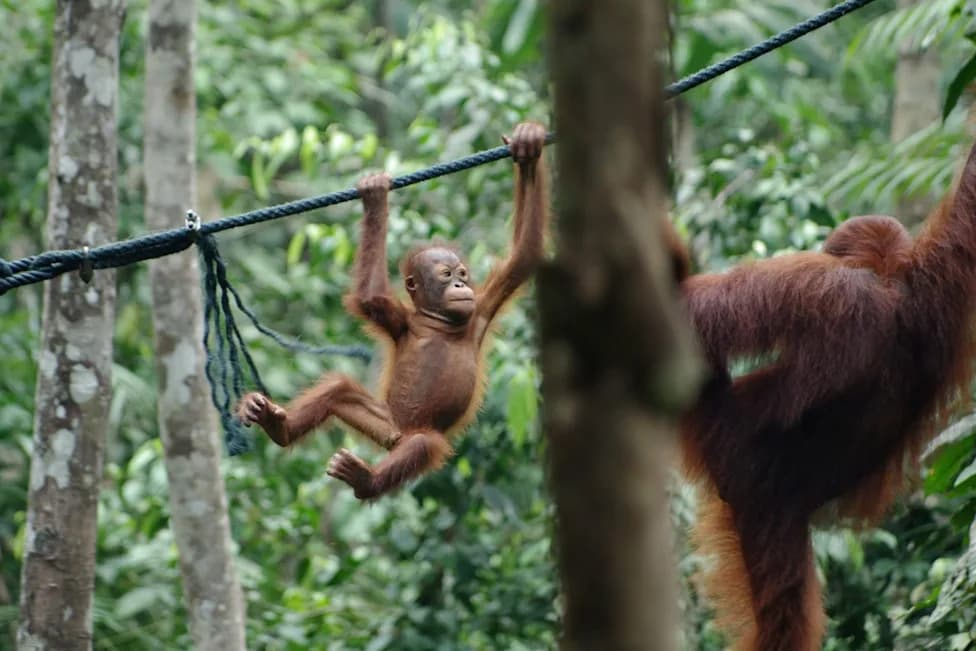
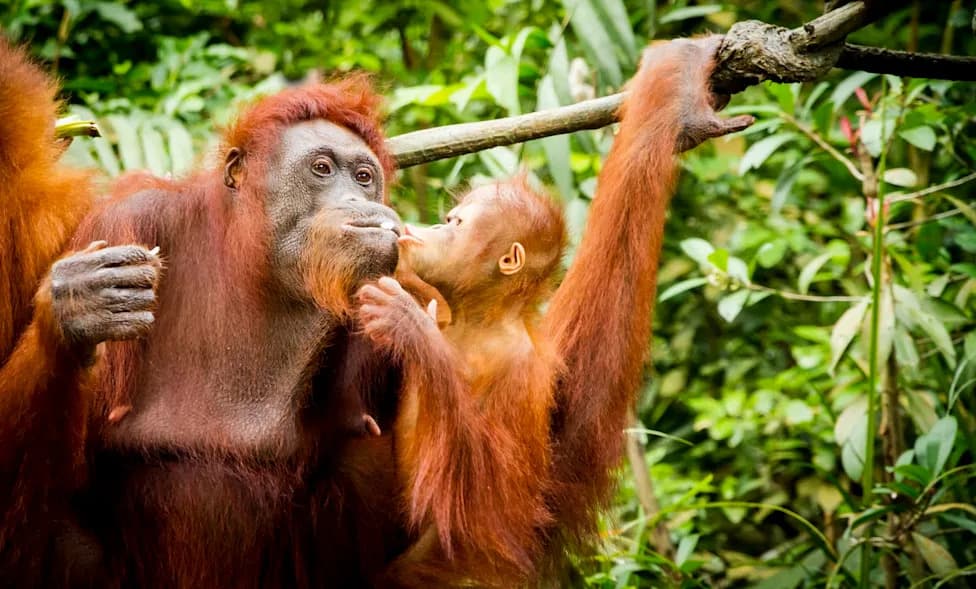
Photo Credit: iStock
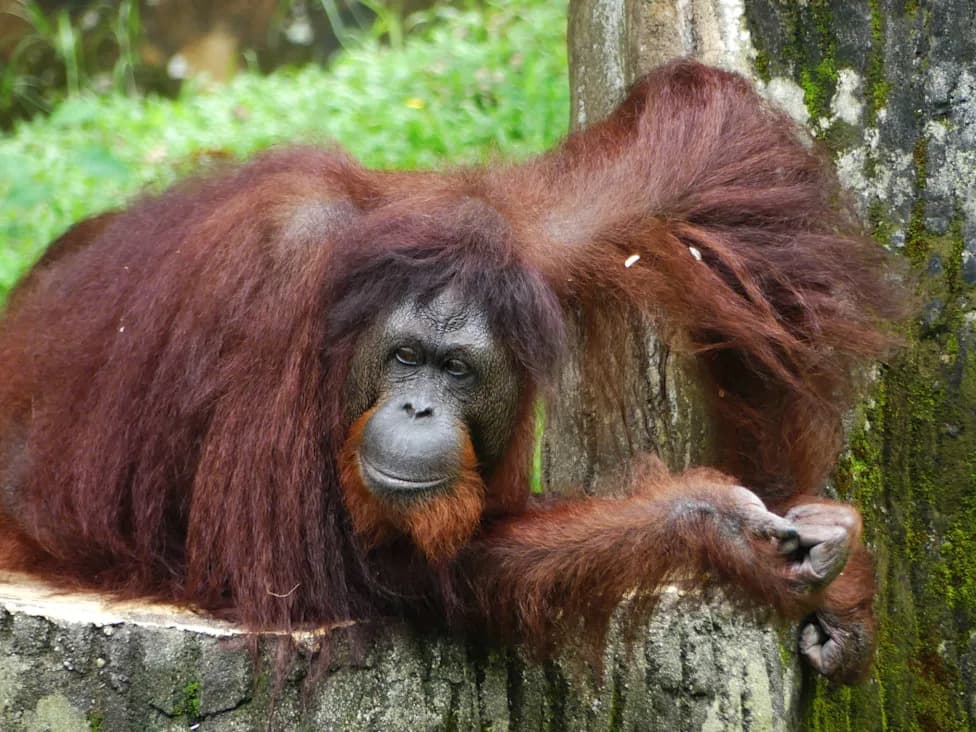
Eight orangutan infants have been born at U.S. zoos as part of a coordinated, Indiana‑led breeding program — an unusually high number for this endangered species.
Journalist Brian Kahn of Wired described how the Fort Wayne Zoo and the Orangutan Species Survival Plan used decades of research and careful genetic management to produce this string of births. The effort reflects deliberate long‑term planning, not chance.
Zoos borrowed techniques from human reproductive medicine to manage breeding and pregnancies: contraceptives and prenatal vitamins adapted for primate care, training orangutans to provide urine samples for pregnancy testing, and in some cases consulting human OB‑GYNs to assist with deliveries. These measures aim to maximize the health and survival of mothers and infants.
The newborns are expected to remain in accredited zoo programs rather than be returned immediately to wild habitats. Keepers and conservationists view them as ambassadors — living connections that help zoo visitors relate to threats such as deforestation, habitat loss and climate change, and can motivate donations and public support for conservation.
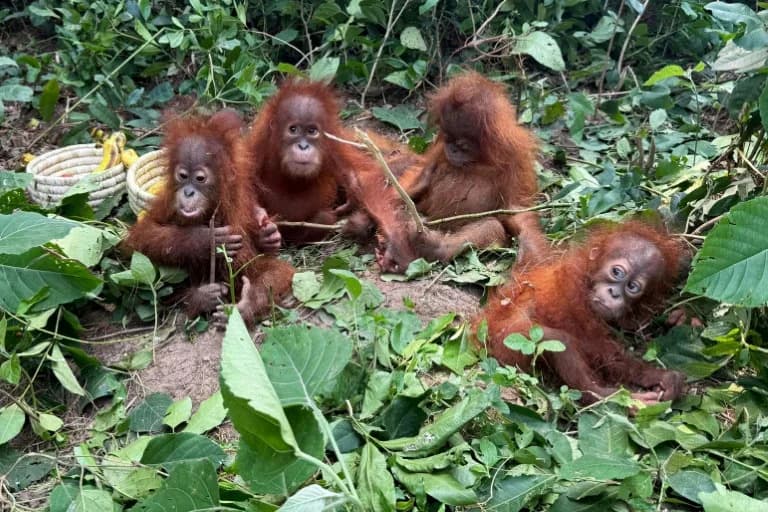
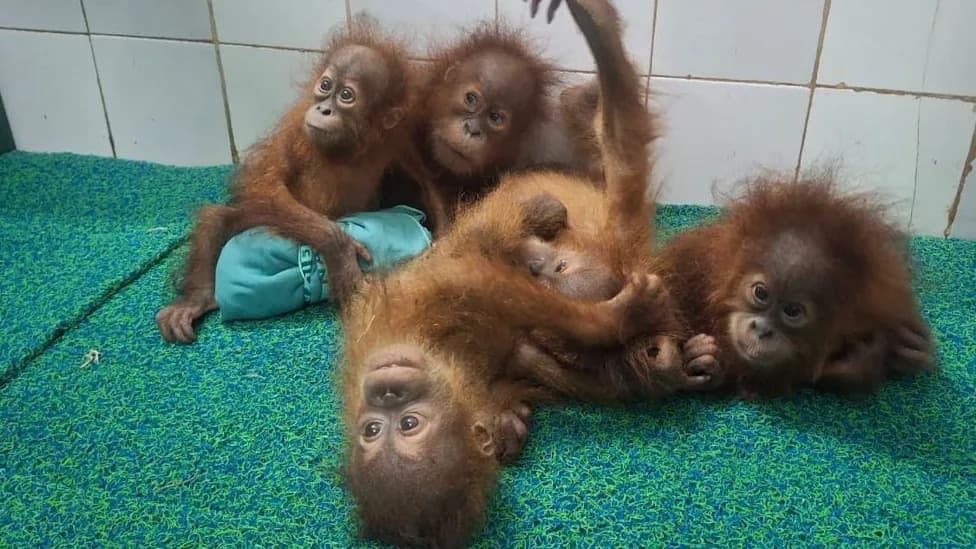
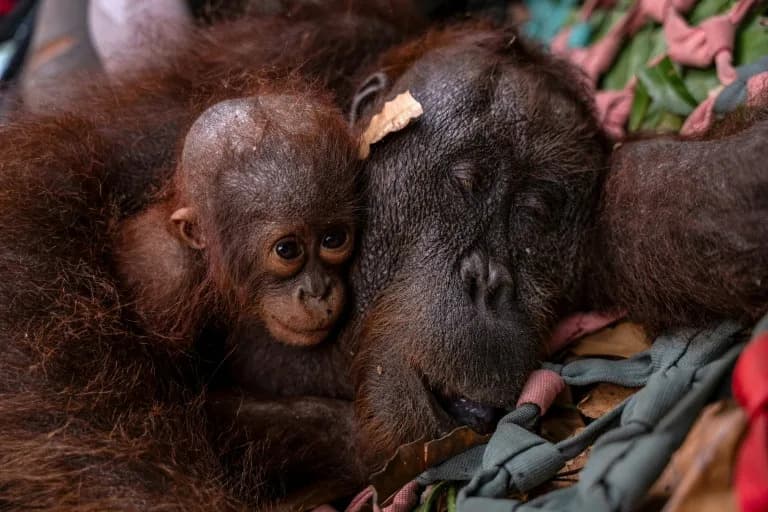
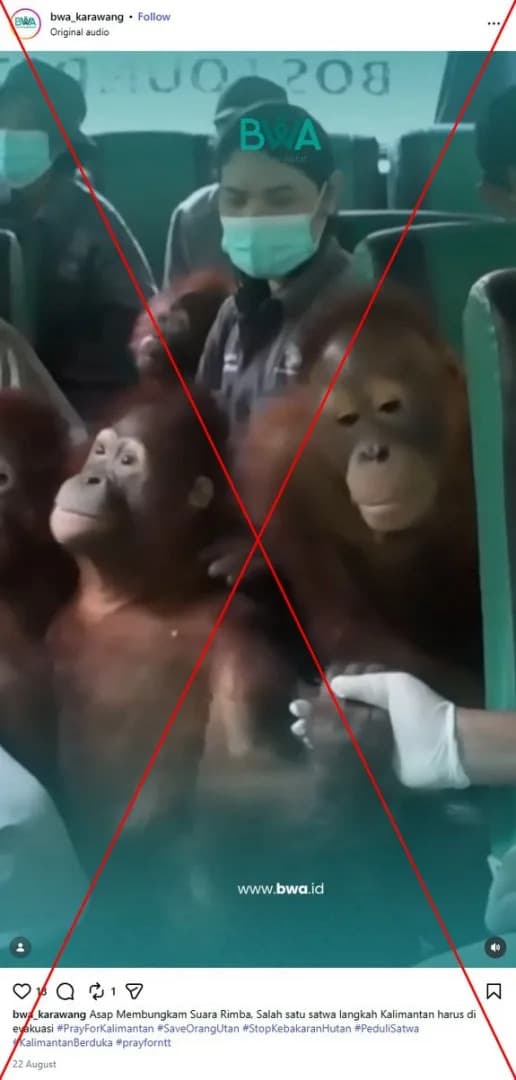
Wild orangutans face severe and growing threats: rainforests on Borneo and Sumatra are being cleared for palm oil plantations, and young apes are captured and trafficked into the illegal pet trade. Some researchers warn wild orangutans could disappear within a few decades without stronger protections.
Beyond boosting zoo populations, the program is sharing lessons and data with conservationists in Borneo and Sumatra. Information from captive animals — including dental research used to estimate the ages of rescued apes — has proven valuable for rescuers and sanctuaries making care and release decisions.
Conservationists emphasize that captive breeding is only one tool: habitat protection, anti‑trafficking measures, and public engagement are all essential to secure a future for orangutans in the wild. Still, carefully managed breeding programs can buy time and provide critical scientific insights that strengthen broader conservation efforts.
Related conservation highlights:
• In Congo, an infant chimp named Beau rescued from the illegal trade was integrated into the Tchimpounga sanctuary family.
• Chimpanzees across African rainforests play a vital ecological role as seed dispersers.
• At the Oregon Zoo, the birth of a bontebok reflected successful, focused conservation work.
Combining captive care, habitat protection and public awareness remains central to helping species at risk — and the recent orangutan births show how coordinated, science‑driven programs can make a measurable difference.
Help us improve.