Angela Lipps has sued the City of Fargo and a detective for $10 million after being arrested at gunpoint in Tennessee, flown to North Dakota, and detained for about six months on bank-fraud charges that were later dropped. The complaint alleges investigators relied on an AI facial-recognition match tied to a fake ID, sought an arrest warrant without adequate probable cause, and failed to supervise or train officers on the technology. Lipps says she suffered traumatic jail conditions, lost property and family time, and hopes the case will force stricter rules around law enforcement’s use of AI tools.
Tennessee Woman Sues Fargo For $10M After Six-Month Wrongful Detention Tied To AI Facial Recognition
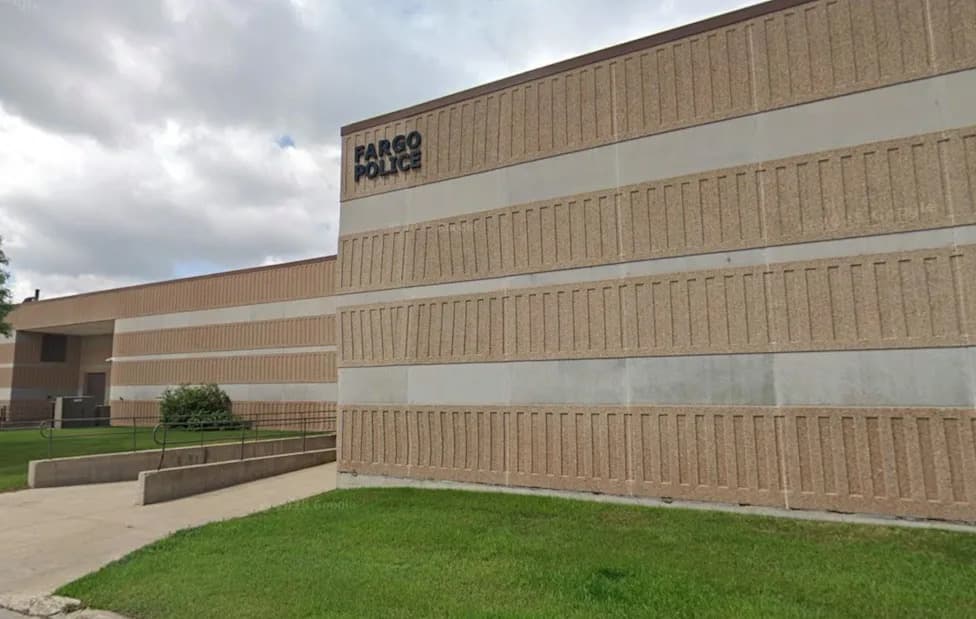
Fargo police department building.Photograph: Google Maps
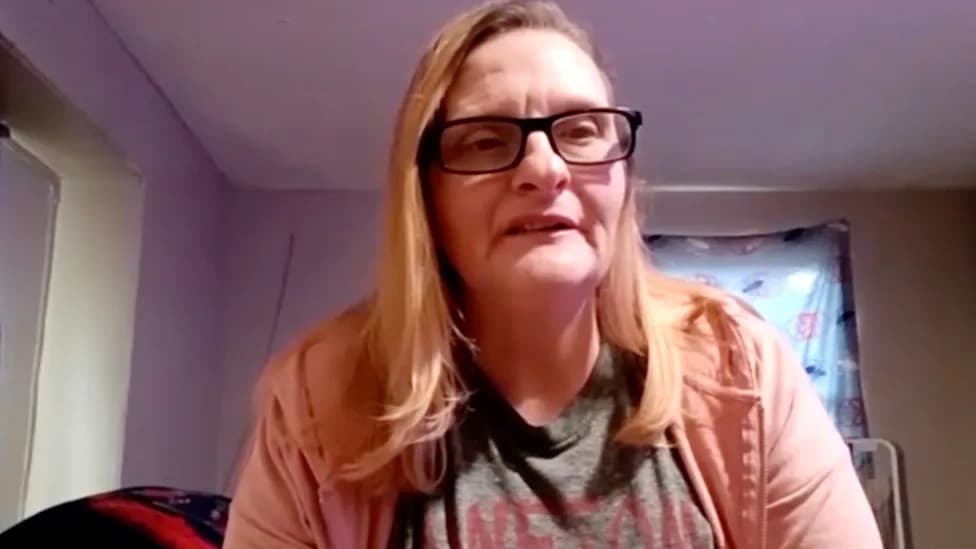
Angela Lipps, 50, has filed a federal lawsuit seeking $10 million after being arrested at gunpoint at her Tennessee home in July 2025, extradited to Fargo, North Dakota, and held for roughly six months on bank fraud charges that were later dropped.
Case Overview
The complaint names the City of Fargo and Detective Lucas Heck and alleges that Fargo-area investigators relied improperly on an artificial intelligence facial recognition match to identify Lipps as a suspect in a Fargo bank-fraud investigation. Lipps says she was wrongfully arrested, jailed for months, and maliciously prosecuted despite evidence that she was in Tennessee at the time of the alleged fraud.
Arrest, Extradition and Detention
According to the lawsuit, Lipps was apprehended at gunpoint by U.S. marshals at her Tennessee home in July 2025 while babysitting her neighbor’s four children. She was booked into a county jail and spent nearly four months behind bars without bail awaiting extradition to North Dakota. Authorities flew her to Fargo at the end of October, where she faced charges including four counts of unauthorized use of personal identifying information and four counts of theft.
How The Case Unraveled
The complaint alleges the lead came from a facial recognition search run by a West Fargo investigator. The software reportedly matched a social-media photo of Lipps as a potential lead; investigators then requested an arrest warrant. Lipps’ lawyers say the match actually derived from a fake ID linked to a different female suspect seen on surveillance video, and that Lipps did not resemble the person in those images and had never traveled to North Dakota.
Release And Aftermath
The criminal charges were later dropped. Lipps’ lawyer Jay Greenwood provided bank records placing her in Tennessee during the Fargo fraud, and Lipps was released on Christmas Eve. The complaint says she was "released into the freezing cold… with no way to get home." After her release, Lipps discovered she had lost her residence, her car and other personal property.
Allegations Against Fargo Police
The suit accuses Detective Heck of falsely suggesting that facial recognition had positively identified Lipps, failing to conduct adequate follow-up investigation, and nonetheless seeking an arrest warrant without sufficient probable cause. It further alleges the Fargo Police Department lacked policies, training and supervision governing officers’ use of facial recognition technology.
"Can you imagine being taken away at gunpoint, held in detention, taken from your family?" said Lipps’ attorney Eric Rice, explaining why the suit seeks $10 million in damages.
Physical And Emotional Harms
The complaint details traumatic jail conditions and says Lipps was denied basic care while detained, including access to necessary medications and her dentures. It also recounts missed family events, including her own birthday and major holidays, and asserts the ordeal has caused "lasting hardships and trauma that might be managed but never erased."
What Lipps Seeks
Lipps is seeking monetary damages and accountability from the city and the detective involved. The complaint also aims to highlight the risks of relying on AI facial recognition as a primary investigative tool and to prompt law enforcement to adopt stricter policies, training and oversight.
Response
A Fargo government spokesperson declined to comment on pending litigation. The case is ongoing, and the lawsuit may spur broader debate about facial recognition use, accuracy, and safeguards in criminal investigations.
Help us improve.