Two men deported from the US to Equatorial Guinea were reportedly bound, hooded, beaten and shoved down stairs at Hotel Bamy before being moved to a prison, lawyers and witnesses say. Roughly 29–30 US deportees remain detained at the dilapidated facility with reports of 24/7 armed guards, scarce medical care and cellphone confiscation. The transfers follow a US-Equatorial Guinea arrangement reportedly worth about $7.5 million and have prompted warnings from the UN and the African Commission against returns that risk persecution. US agencies say responsibility ends after custody, while lawyers demand investigations and accountability.
Two Men Deported From US Bound, Hooded and Beaten in Equatorial Guinea; Dozens Held at Hotel Bamy, Lawyers Say
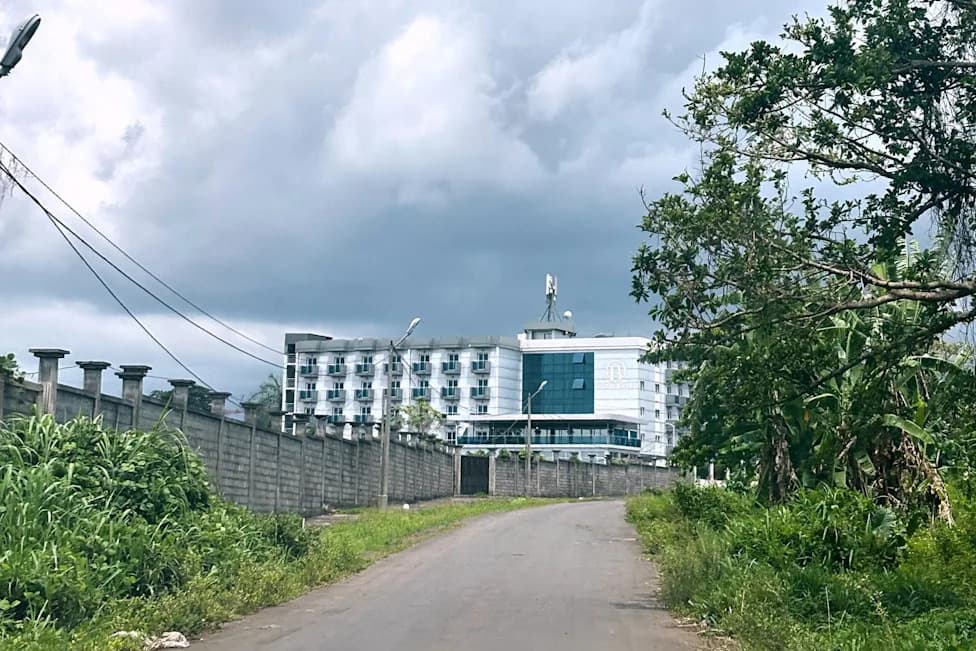
The Hotel Bamy in Malabo, where migrants are being held.Photograph: Monika Pronczuk/AP
Two men expelled from the United States to Equatorial Guinea were reportedly bound, fitted with bags over their heads, beaten and shoved down a flight of stairs in full view of other deportees, according to witnesses and human rights lawyers. The victims — an Egyptian and an Eritrean man — were later transferred to a prison in Malabo.
Allegations and Evidence
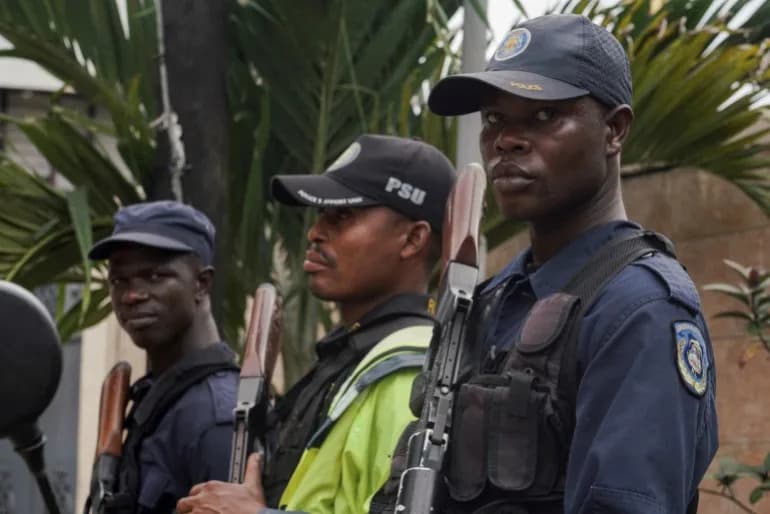
Witnesses and lawyers say the assault followed the publication of video footage, first reported by Reuters, showing harsh conditions and violent conduct by guards at Hotel Bamy, a rundown facility on the outskirts of Malabo being used to house US deportees. Lawyers shared footage taken by one of the victims showing armed officers pointing guns at detainees and forcing at least one man to kneel with his hands raised for 10–15 minutes.
Names and Circumstances
The two men identified by lawyers are Ahmed Soliman, 31, from Egypt, and Samson Birhane, 47, from Eritrea. Both reportedly had prior US immigration cases in which judges found they would face persecution or torture if returned to their home countries. Soliman, a gay man who grew up in Phoenix, had a judge’s finding that he would face persecution in Egypt because of his sexuality. Birhane came to the US as a child refugee and had previously been found at risk if returned to Eritrea.
Conditions at Hotel Bamy
About 29-30 US deportees remain confined at Hotel Bamy under alleged 24/7 armed guard. Detainees report no regular medical care, lack of fresh clothes, and arbitrary confiscation of cellphones. One detainee with a severe abdominal hernia said he has not been able to receive necessary hospital care since arrival. Some detainees have obtained HIV, diabetes and other medications through lawyers, but they say access has been inconsistent and could be cut off without warning.
Broader Context
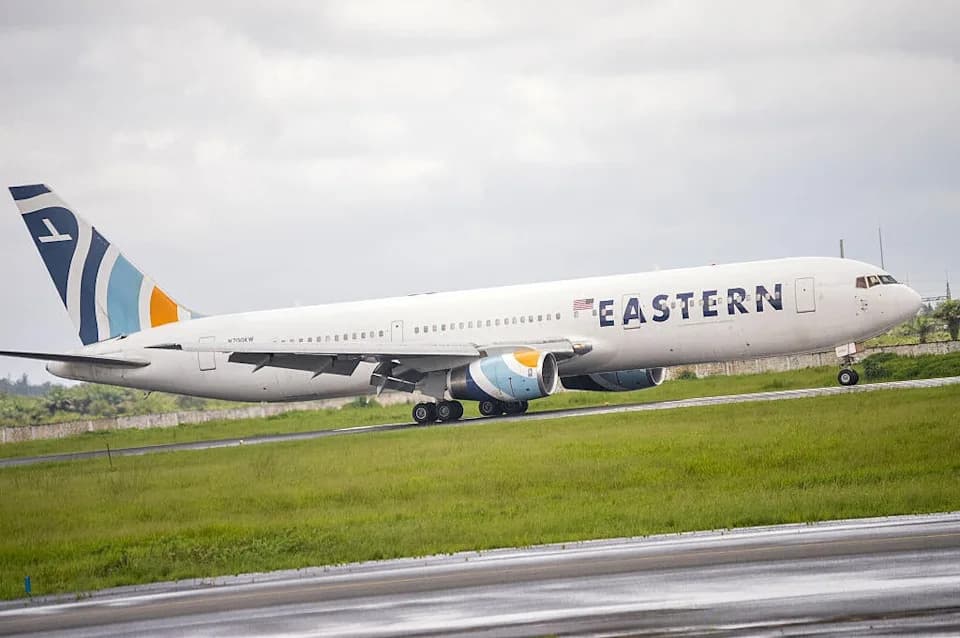
The United States has reportedly transferred at least 66 people to Equatorial Guinea under a cooperation agreement for which Equatorial Guinea received roughly $7.5 million. Human rights groups say the Trump administration pursued similar third-country arrangements to remove people the US could not safely return to their countries of origin, leaving them in legal limbo with no ties, language skills or legal status in the receiving states.
International Warnings and Legal Steps
UN human rights experts and the African Commission have issued public appeals and an urgent interim order asking Equatorial Guinea to halt plans to return deportees to countries where they face persecution and to respect international human rights standards, including the principle of non-refoulement. Lawyers also say they have repeatedly emailed the US embassy in Malabo about threats and violence at Hotel Bamy and received no substantive response.
Responses From US Agencies
An Immigration and Customs Enforcement spokesperson said that "when an individual is no longer in ICE custody, ICE is no longer responsible for them," and described the transfers as removals to a "safe third country." The State Department said the US government "will use all legal means to remove those with no right to remain in our country," and declined to comment on private diplomatic communications or whether it had taken steps in response to reports about conditions in Equatorial Guinea.
"This is a human rights catastrophe," said Bella Mosselmans, director of the Global Strategic Litigation Council, who represents several detainees at Hotel Bamy. "The US and Equatorial Guinea must be held accountable for the atrocities they are committing."
Ongoing Concerns
Lawyers report an escalation of intimidation after the 11 September assault: police have searched rooms, confiscated phones, and barred lawyers from meeting detainees. Witnesses quote officers making threats such as "You will disappear from the earth. I am the law." At least 12 deportees have reportedly already been returned by Equatorial Guinea to countries where they face persecution.
The allegations raise urgent questions about the safety of third-country transfers and the responsibilities of the US when deportations place people at risk. Human rights advocates are calling for independent investigations, accountability for abuses, and immediate medical and legal access for those still detained.
Help us improve.