Five infant orangutans discovered in Odisha have exposed a growing illegal trade in exotic wildlife entering India, conservationists say. A June 2026 report estimates India’s exotic‑pet market at $42.6 million in 2024 and documents a steep rise in seizures, but experts warn recorded cases likely understate the full scale. Traffickers exploit airports, cargo channels and porous land borders from Southeast Asia, while wealthy private collectors and social‑media demand help drive the market.
Five Baby Orangutans Found in India Expose Vast Illegal Exotic‑Pet Trade
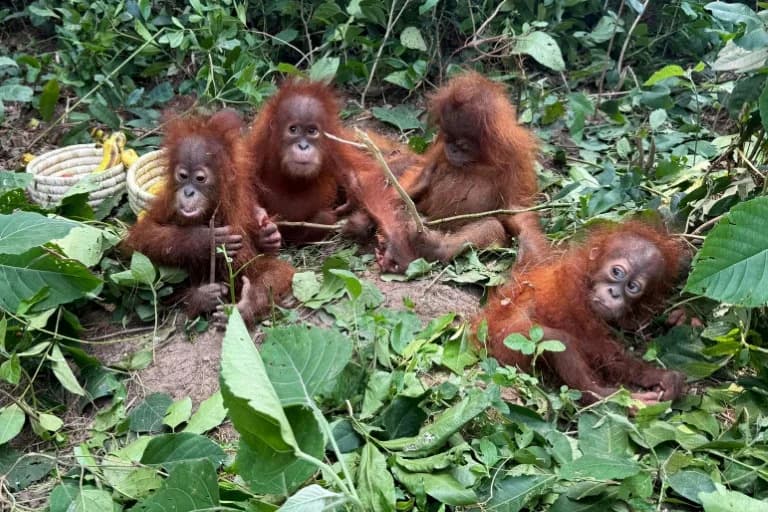
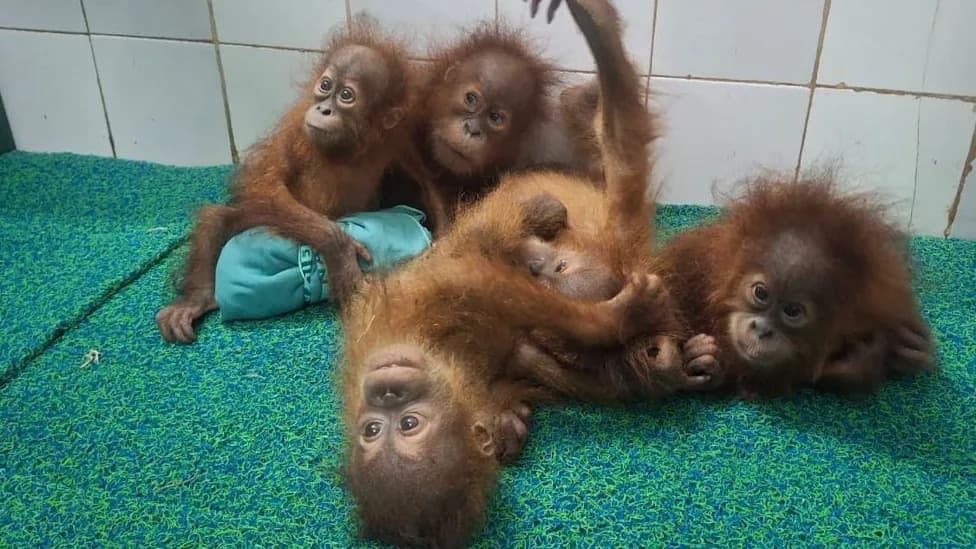
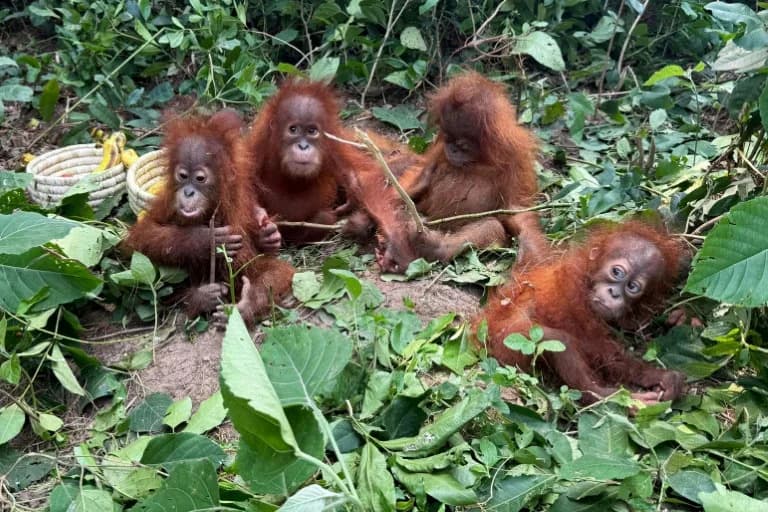
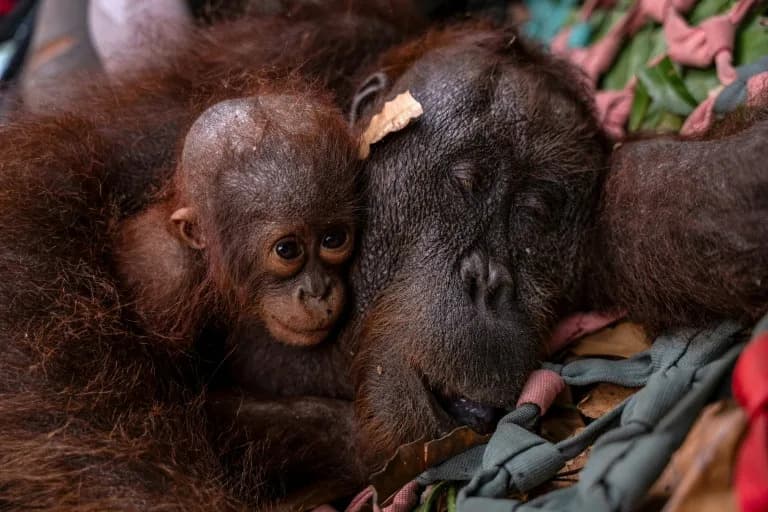
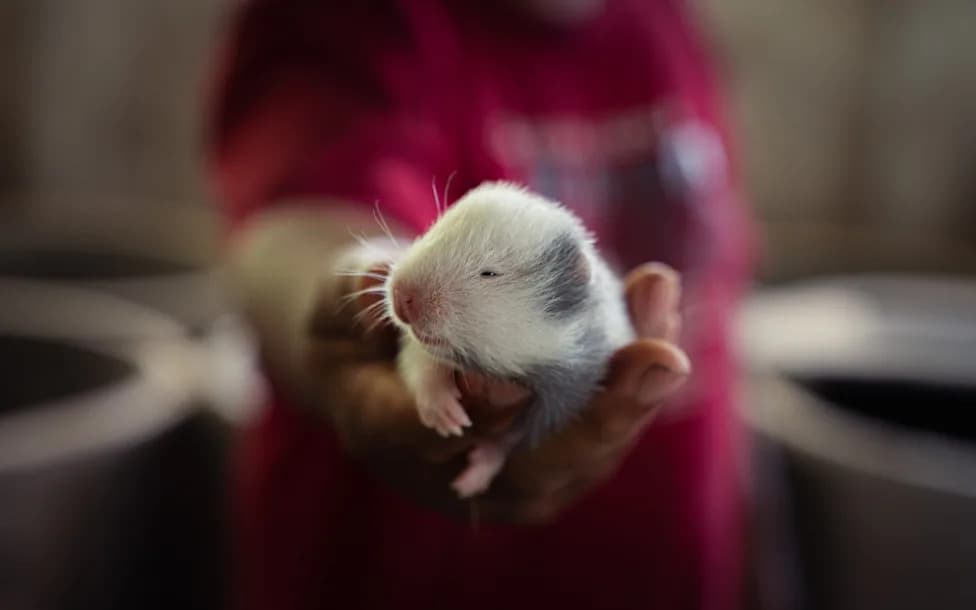
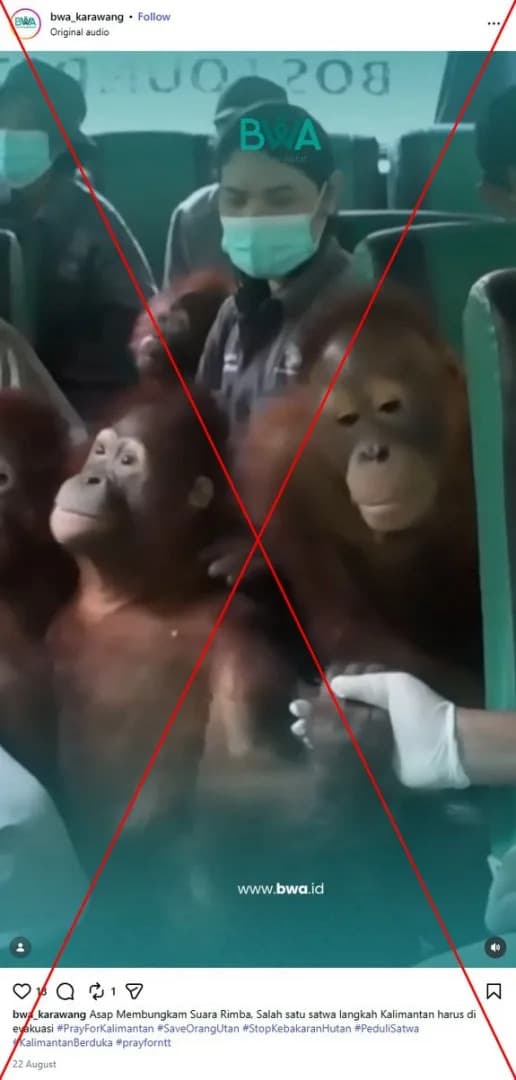
The five tiny orangutans were found by rangers in Balasore, in India's eastern Odisha state (Handout)
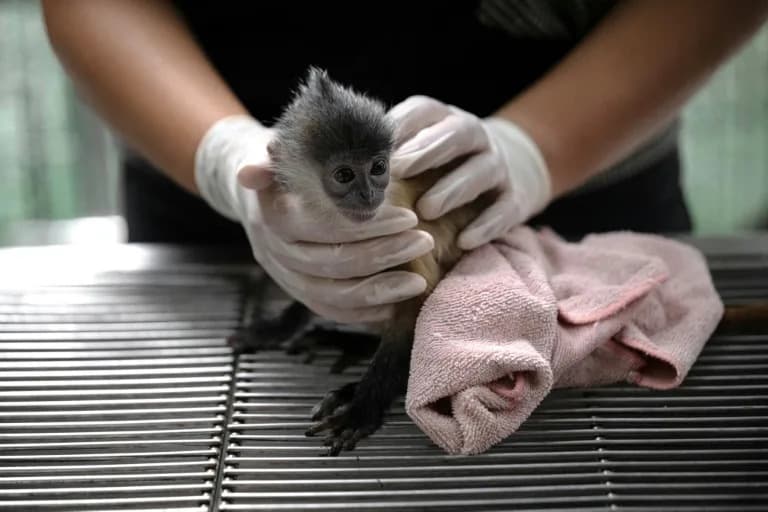
Five infant orangutans abandoned in a forest in Balasore, Odisha, have drawn renewed attention to a growing and lucrative illegal trade in exotic wildlife entering India, conservationists and officials say.
What Happened
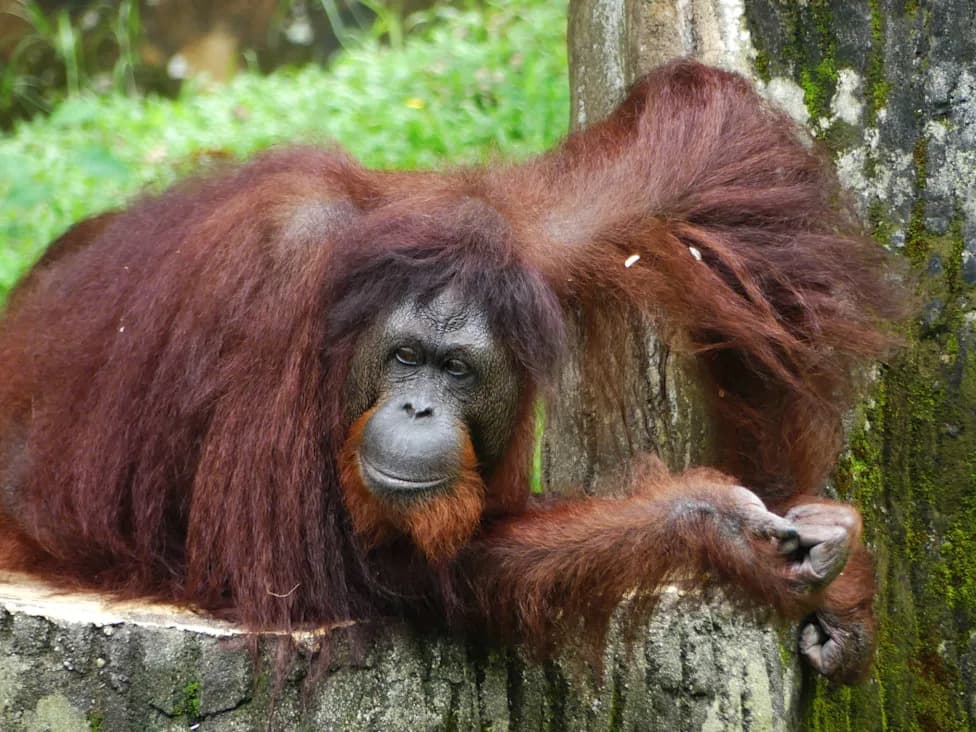
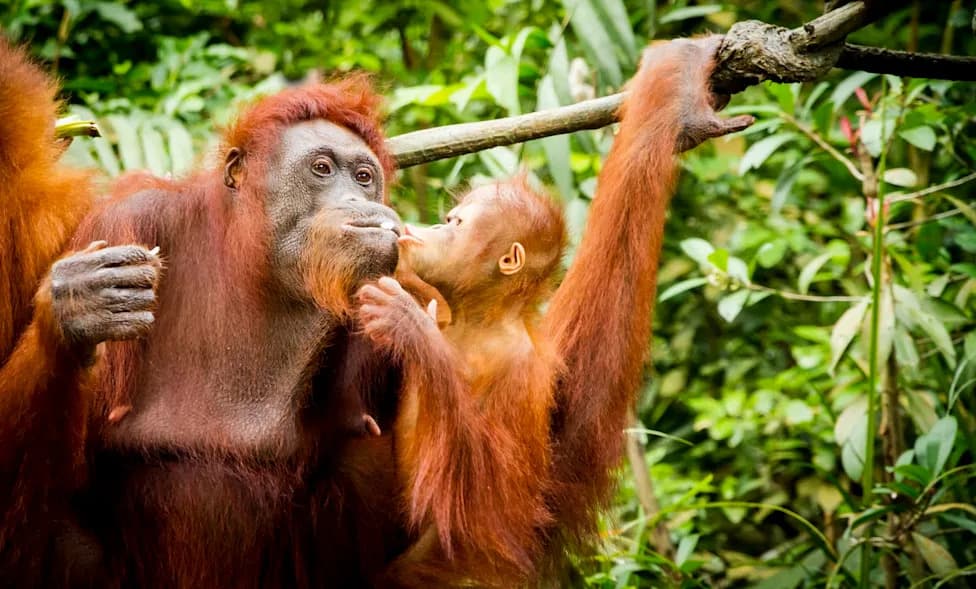
Rangers discovered the apes — each believed to be around one-and-a-half years old — and they are now receiving care at a local zoo while Indonesian authorities have formally requested their return. Orangutans are critically endangered and native only to Sumatra and Borneo.
Scope Of The Trade
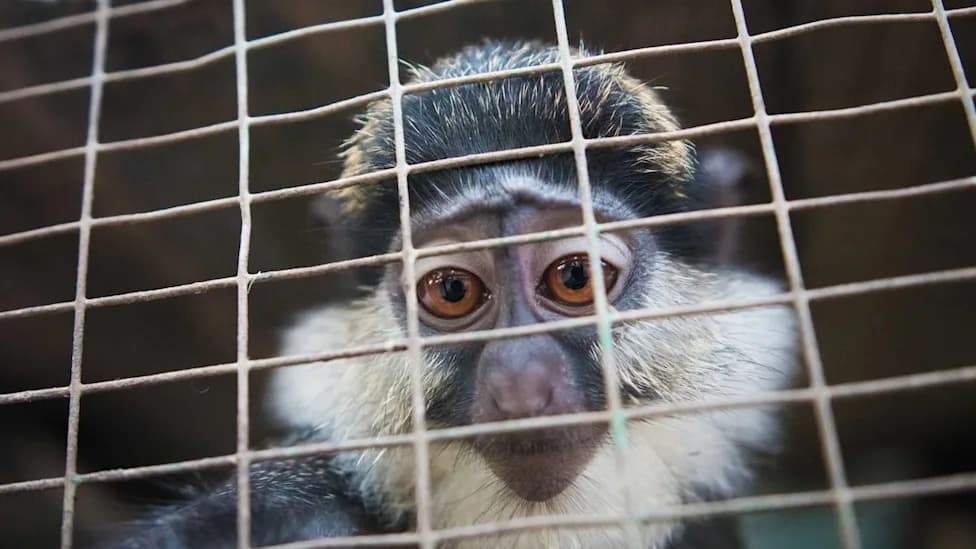
A June 2026 report by Humane World for Animals India, led by Sumanth Bindumadhav, describes a "rising trade in exotic wildlife" and a sharp increase in seizures that the group says points to a larger, mostly hidden market. The report estimated India’s exotic‑pet market at about $42.6 million in 2024 and singled out orangutans and gibbons among primates increasingly trafficked from Southeast Asian rainforests.
"There have been several instances of exotic wild animals being found or seized across the country ... The scale is massive," said Sumanth Bindumadhav.
Drivers And Routes
Officials and experts point to wealthy private collectors, social‑media-driven demand and private zoos as key drivers. A senior official at India’s Wildlife Crime Control Bureau — speaking anonymously — said "thousands of social media influencers" promote exotic species, fuelling demand among affluent buyers.
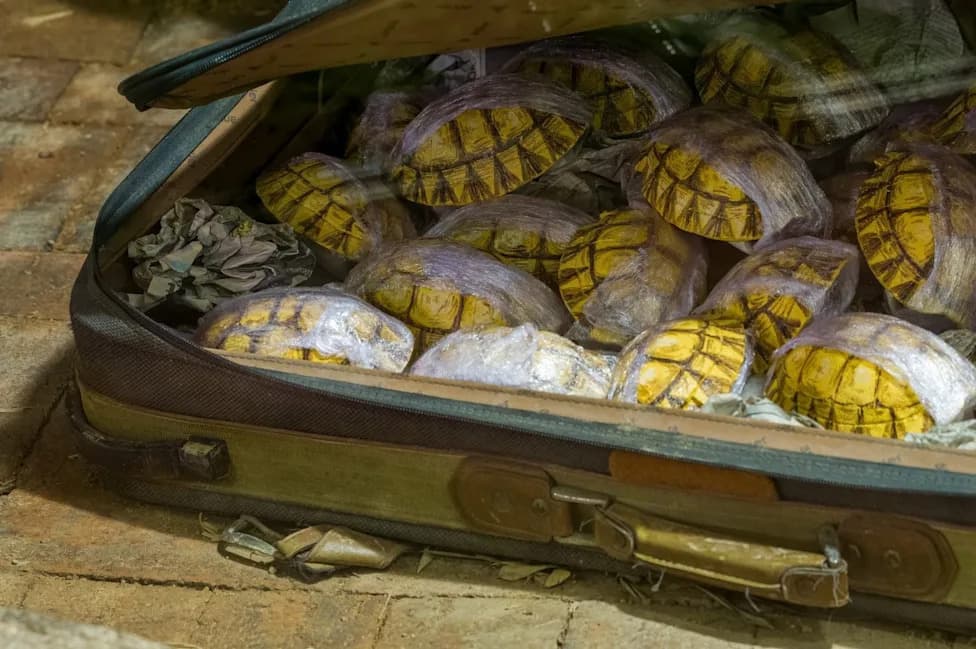
Traffickers are believed to use a mix of airports, formal cargo routes and informal jungle corridors. Conservationists highlight the long, porous land border between Myanmar and India’s northeast as a frequent smuggling route into the country.
Seizures And Investigations
Recorded incidents suggest the problem is already substantial: WWF‑India documented 56 seizures involving roughly 4,000 exotic animals in 2022. Authorities in Mumbai arrested a passenger in October 2025 who had two endangered gibbons in a checked bag; other recent seizures included lizards, arboreal possums and dozens of venomous vipers. In 2024 forest officials recovered a trafficked orangutan from an apartment in Maharashtra.
Police in Odisha have launched a criminal investigation into how the Balasore orangutans were transported — a route that would have covered thousands of kilometres by land or sea — and are working with national and international agencies on repatriation and prosecution.
Contested Facilities
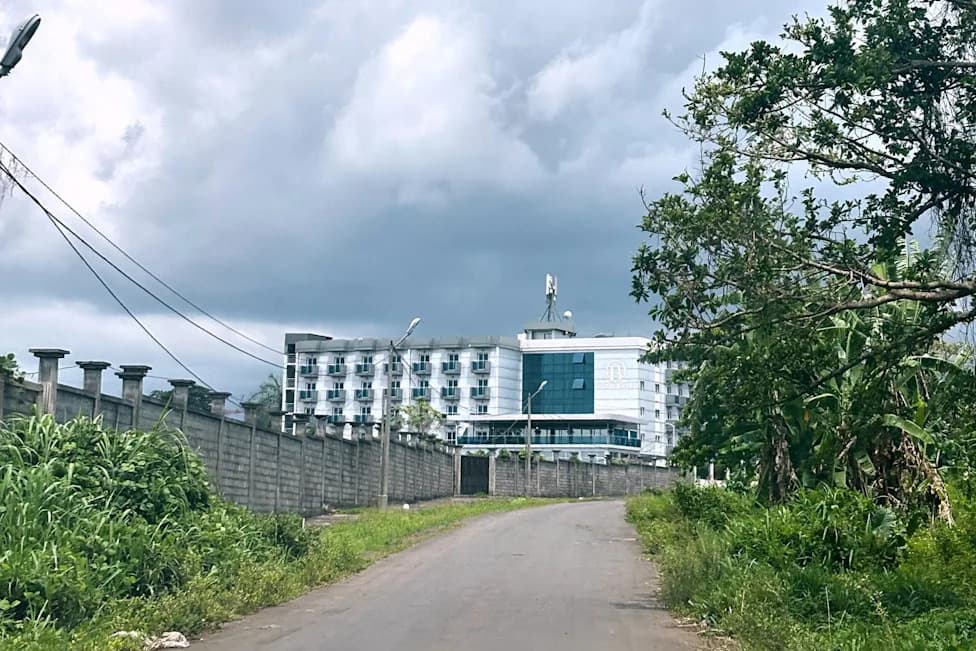
Concerns have been raised about large private conservation and rescue centres accepting endangered species. Vantara, a wildlife rescue and conservation centre in Gujarat founded by Anant Ambani, has faced scrutiny over its intake of endangered animals. The centre has denied wrongdoing, announced steps to review operations, said it withdrew applications to import live animals, and named former CITES head John Scanlon to its governing council.
Experts' Warnings
Conservationists caution that official seizure figures likely represent only a small portion of the full trade. "The scale of it is much, much bigger than what we see actually based on the seizure data," said Jimmy Borah of Aaranyak. Authorities did not respond to requests for comment for this article.
Why it matters: Trafficking of critically endangered species such as orangutans threatens global conservation efforts, perpetuates animal suffering, and fuels criminal networks that exploit porous borders and social‑media demand.
Help us improve.