President Trump suggested on September 18, 2026 that childhood vaccines be given in smaller, six-month-spaced doses. High-quality evidence does not support the idea that routine childhood vaccines overwhelm a healthy child’s immune system: a 2018 JAMA study found nearly identical antigen exposure between children who did and did not develop non-target infections. Decades of safety data back the combined MMR vaccine and standard schedules, and large studies — including a 2025 Danish study and a 2026 WHO review — found no causal link between vaccines and autism.
Fact-Check: Trump’s Proposal to Space Out Childhood Vaccines — What the Evidence Says
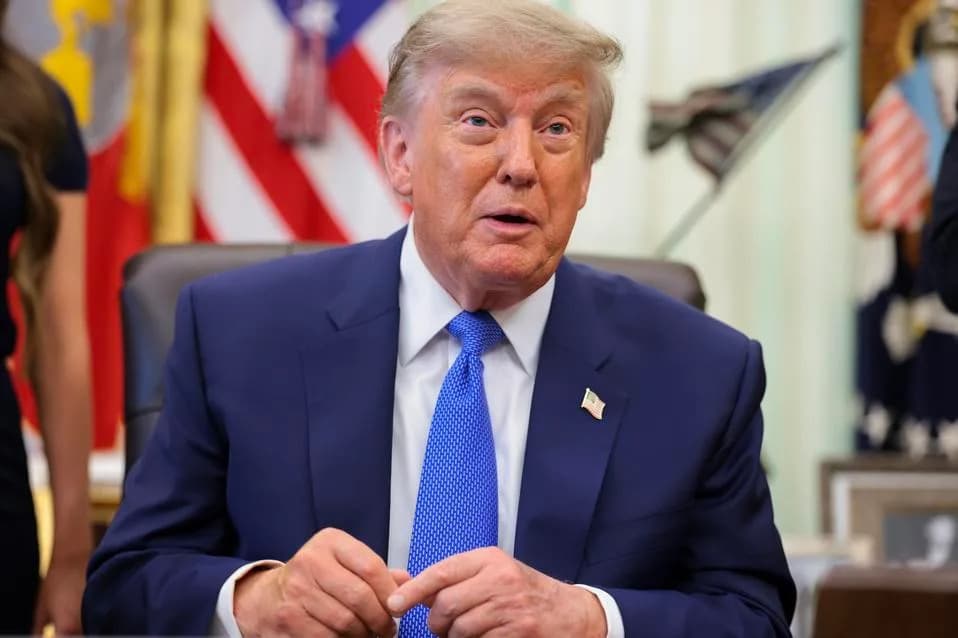
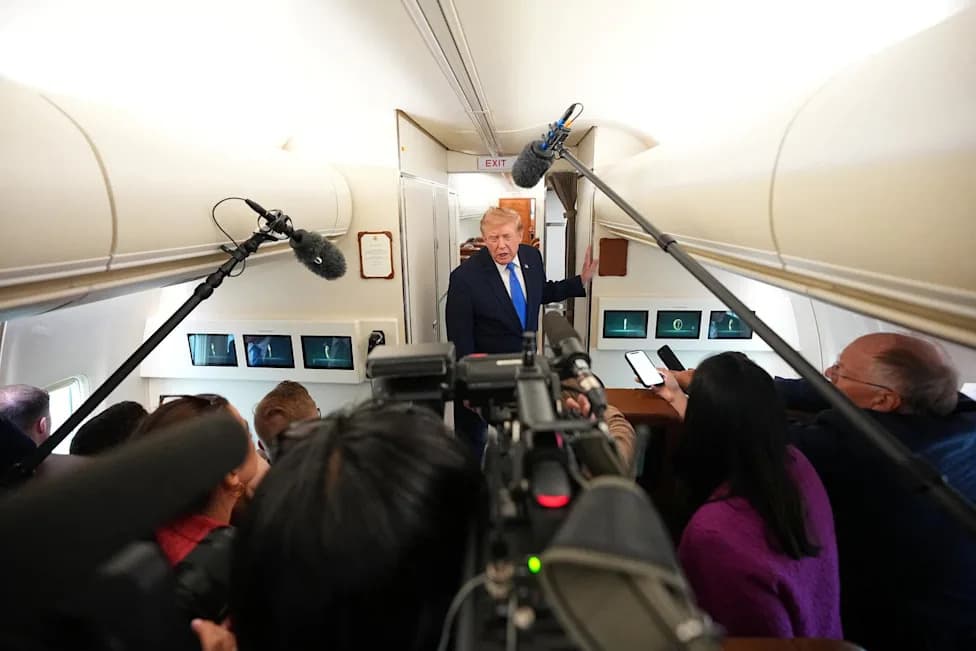
WASHINGTON, DC - AUGUST 10: U.S. President Donald Trump speaks to reporters after signing an executive order calling for childhood vaccine shots to be spaced out into separate visits during an event in the Oval Office of the White House on August 10, 2026 in Washington, DC. (Photo by Anna Moneymaker/Getty Images)Getty Images
President Donald Trump, in an Oval Office address on September 18, 2026, proposed that childhood vaccines be given in smaller amounts and spaced out over longer intervals — for example, "five doses marked one, two, three, four, five" given at six-month intervals so that "a small amount of vaccine gets pumped into the body." Those remarks raise two clear scientific questions: can the routine administration of multiple vaccines overwhelm a healthy child’s immune system, and would spacing vaccine doses further apart improve safety?
What the Science Shows
Current, high-quality scientific evidence does not support the claim that standard childhood vaccination schedules overwhelm a healthy child’s immune defenses. Antigens in vaccines are the specific proteins that stimulate an immune response; despite protecting against many more illnesses than decades ago, modern vaccines expose children to far fewer antigens overall because of advances in vaccine technology (for example, acellular and conjugate vaccines).
Key study: A 2018 JAMA study by Glanz et al. followed 944 children and compared those who developed infections not targeted by vaccines with those who did not. The children who developed such infections had received an average of 240.6 vaccine antigens in their first 23 months of life versus 242.9 antigens among controls — a difference the authors reported as not statistically significant. The authors concluded that antigen exposure from routine vaccination did not appear to increase susceptibility to non-target infections.
To put antigen counts in perspective: in the 1980s children were exposed to more than 3,000 vaccine antigens, whereas today they encounter fewer than 200 antigens while being protected against many more diseases.
On Spacing Doses and Breaking Up Combination Vaccines
The President also suggested spacing vaccine doses at six-month intervals and has previously proposed splitting the combined measles-mumps-rubella (MMR) shot into separate injections. Decades of research support the safety and effectiveness of the current MMR schedule — typically one dose at 12–15 months and a second at 4–6 years — and show that the combined vaccine provides timely, reliable protection against highly contagious diseases like measles.
Major pediatric organizations, including the American Academy of Pediatrics, note that vaccine doses and schedules are determined through extensive clinical testing. Studies have found that administering multiple vaccines at the same visit is safe and effective. Delaying or separating doses can introduce practical barriers (more clinic visits, missed appointments) that increase the chance children remain under-vaccinated and vulnerable to preventable diseases.
Vaccines and Autism
During his address the President said his proposed changes would result in a "massive reduction in autism." This is inconsistent with the totality of rigorous research. Large, well-designed studies have found no causal link between vaccines and autism.
- A 2025 Danish cohort study of more than 1 million children found no association between routine childhood vaccination and autism.
- A 2026 World Health Organization systematic review of studies from 2010–2025 concluded that the highest-quality studies do not support a causal relationship between vaccination and autism, while studies claiming an association tended to show low-strength evidence and higher risk of bias.
Policy Versus Evidence
Policy proposals to alter vaccine schedules can and should be studied using controlled research and careful safety monitoring. However, existing peer-reviewed evidence and guidance from public-health bodies do not support the claim that current childhood vaccination schedules overwhelm immune systems or cause autism. Changing schedules without clear scientific justification risks reducing timely protection and increasing outbreaks of preventable diseases.
Sources: Glanz et al. (2018, JAMA); Danish national cohort study (2025); WHO systematic review (2026); American Academy of Pediatrics guidance; CDC vaccine schedule research.
Help us improve.