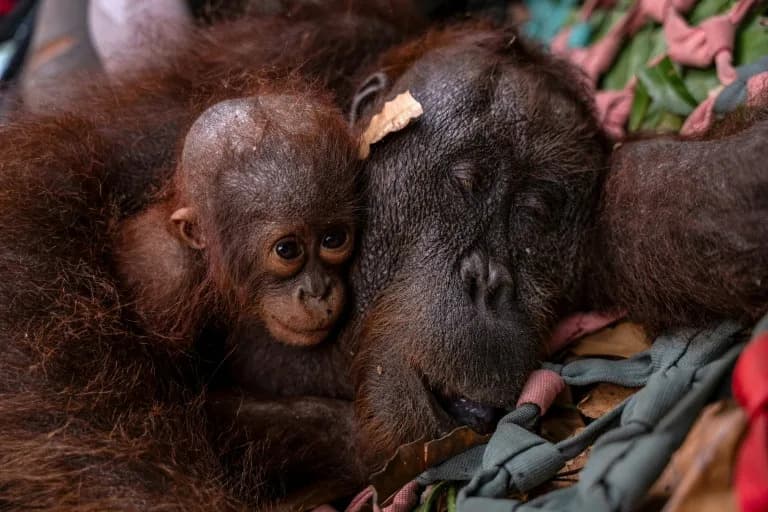
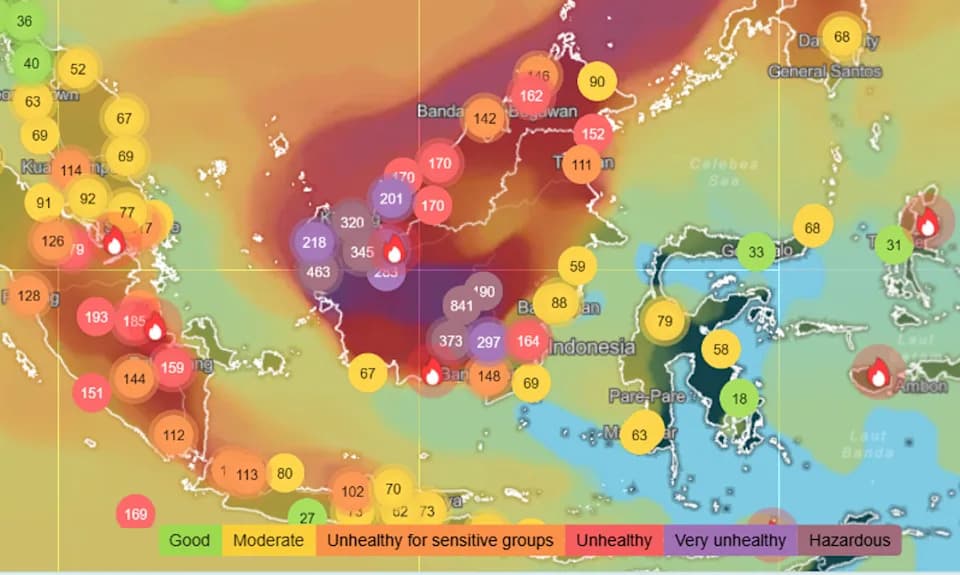
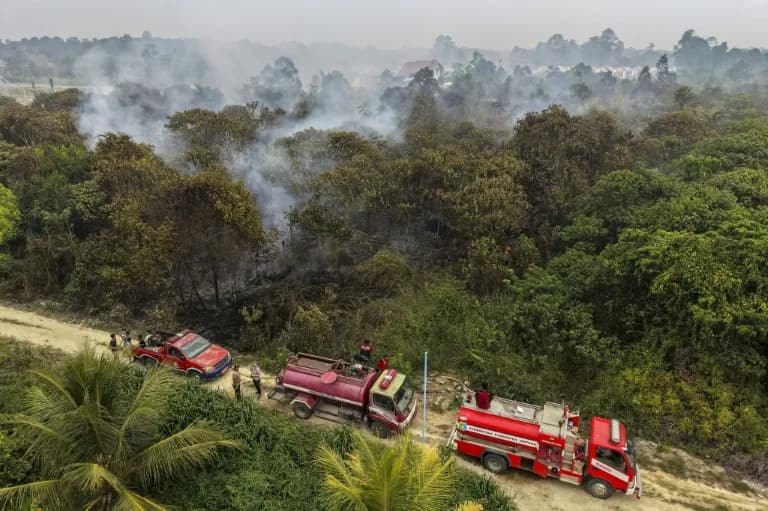
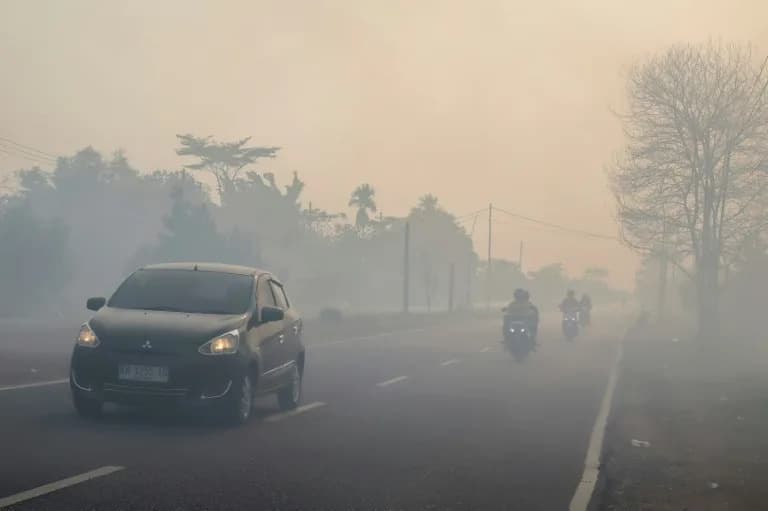
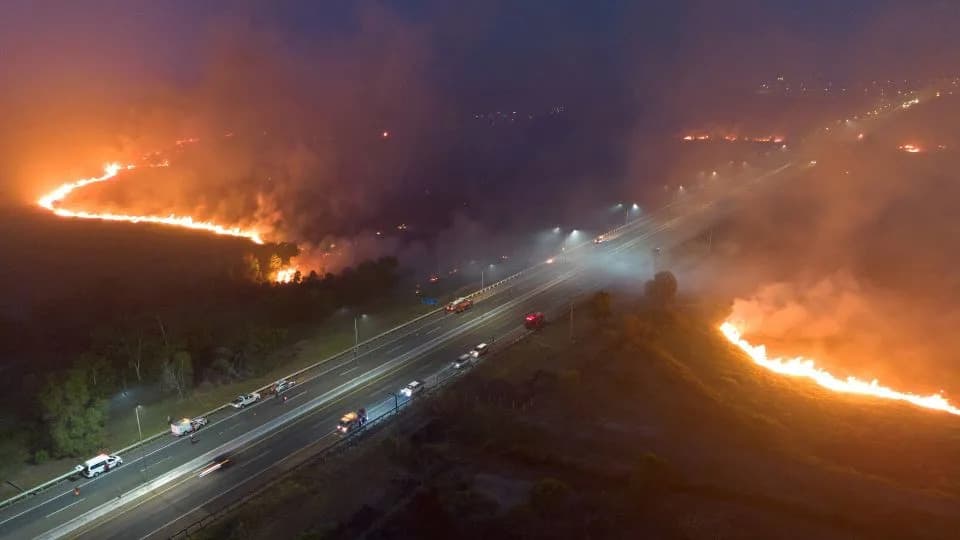
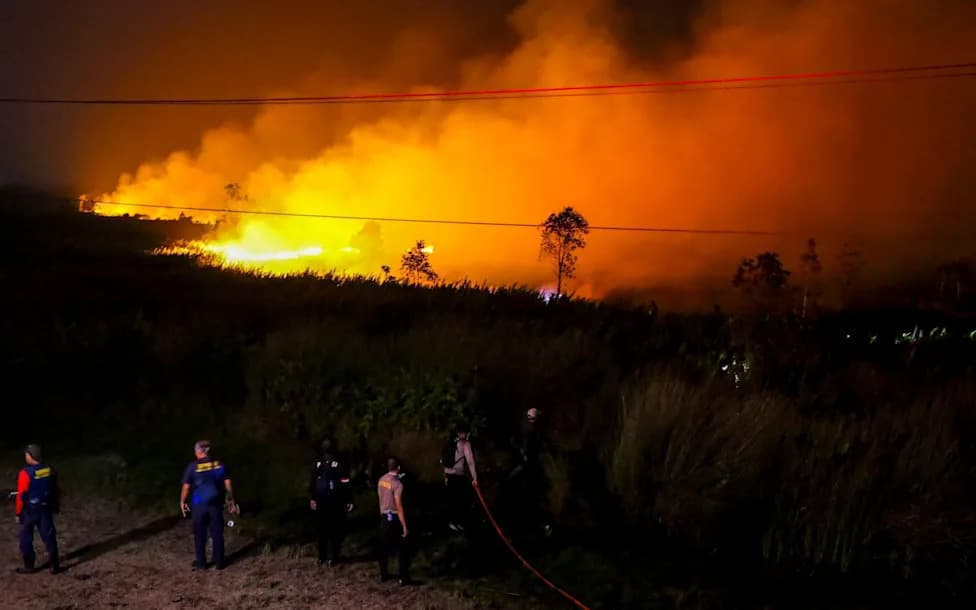
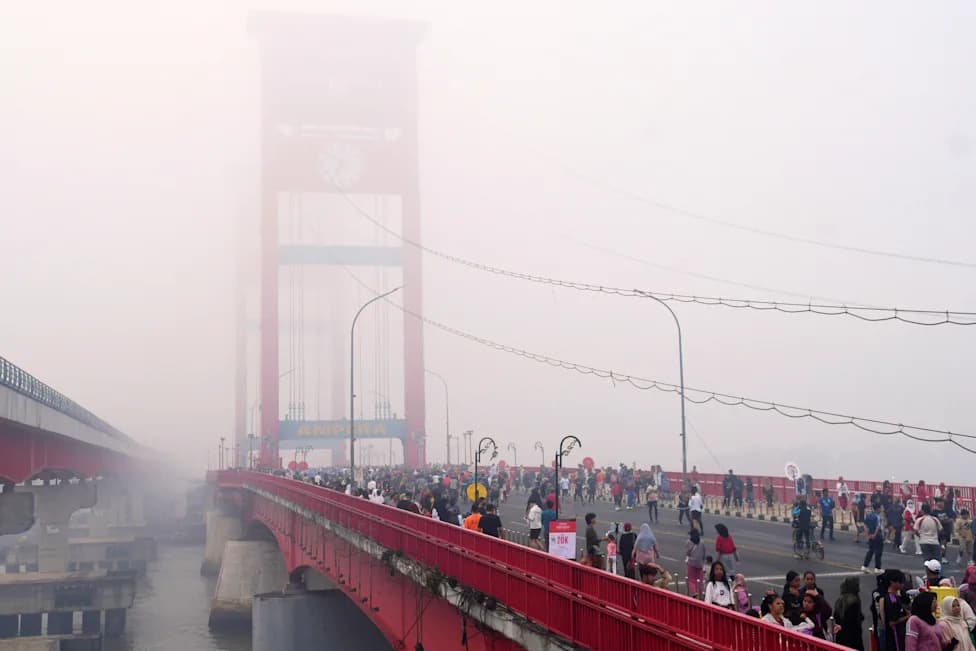
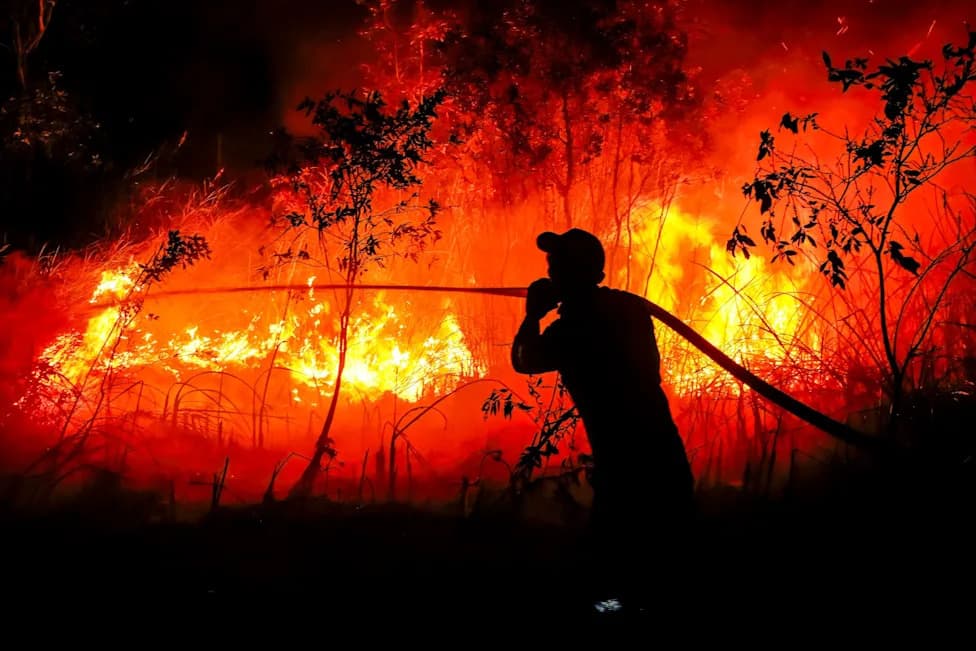
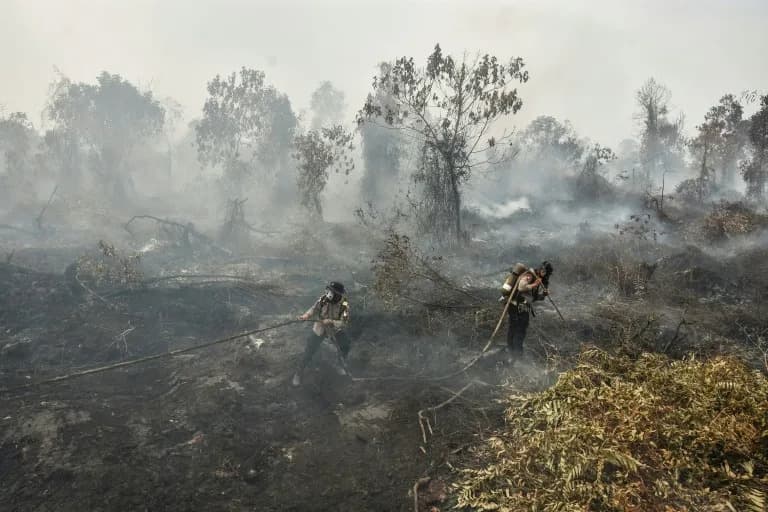
El Niño-driven drought and heat have intensified wildfires across Borneo, prompting rescue teams in West Kalimantan to recover seven critically endangered orangutans by the end of August; one later died from smoke exposure. Rescue efforts concentrated in Ketapang district, where YIARI and BKSDA, aided by local residents, moved mothers and infants to safer forest patches and national parks. Peatland blazes — fueled by dried peat soils — pose especially persistent threats, and meteorologists warn elevated fire risk is likely through October. Local initiatives, including an all-women firefighting group and paid village spotters, are helping frontline conservation work.
El Niño-Fueled Fires Ravage Borneo: Rescuers Pull Seven Orangutans From Smoke-Scarred Forests — One Dies

Photo Credit: iStock
El Niño-driven heat and drought have intensified wildfires across Borneo, forcing emergency teams in West Kalimantan to search smoke-choked landscapes for stranded orangutans. By the end of August, rescuers had recovered seven critically endangered Bornean orangutans from burned or threatened areas; one of the animals later died after severe smoke exposure.
Rescue Operations in Ketapang
Most search-and-rescue efforts focused on Ketapang district, where crews from Yayasan International Animal Rescue Indonesia (YIARI) and the provincial conservation agency, BKSDA, worked with local residents to locate animals cut off by fire. Residents found a weakened adult male near an oil palm plantation on Aug. 30; he was named Sampurna and taken to YIARI’s rehabilitation center but died hours later after showing symptoms consistent with smoke inhalation.
Other operations had better outcomes. A mother and infant, identified as Mama Yayuk and Yayuk, were recovered on Aug. 27 and later released into Gunung Palung National Park. On Aug. 21, rescuers moved another mother and two young — Mama Yuni, Pura, and Yuni — after fires severed their access to intact forest patches.
"We follow up on every report from the public, whether that's directly or via the call center, about wild animals that need to be evacuated as quickly as possible," said Murlan Dameria Pane, head of BKSDA.
Why Peatlands Make Fires Worse
Indonesian meteorologists warn that El Niño is likely to strengthen and keep fire risk elevated through October. In Indonesia, El Niño typically brings hotter, drier conditions that desiccate forests and peatlands, making them easier to ignite and harder to extinguish. By Aug. 9, authorities had recorded 28,680 hectares burned in West Kalimantan — more than half of the total area scorched across the six hardest-hit provinces, according to Mongabay.
Peatlands are particularly dangerous once they dry: these waterlogged soils store massive amounts of carbon and can burn intensely and persistently when drained. Peat fires not only destroy orangutan habitat but also prolong smoke and heat threats for surrounding communities and ecosystems.
Local Prevention And Community Action
Response efforts extend beyond evacuations. In 2022, women in Ketapang partnered with YIARI to form an all-female firefighting unit called Power of Mama, helping local prevention and suppression work. Authorities and NGOs have also relied on tips from villagers — and in some areas, volunteers are paid to report orangutan sightings — to guide rapid rescue operations.
YIARI’s operational lead, Argitoe Ranting, emphasized that harm from fires is not limited to visible burns: "Exposure to smoke can also cause serious health problems, so any report of an animal in a weak or abnormal condition requires immediate attention."
Broader Conservation Context
Bornean orangutans are classified as Critically Endangered. The International Union for Conservation of Nature (IUCN) estimates the wild population at a little more than 100,000 and warns of continued decline driven by habitat loss, killings and recurring fires. Regionally, related threats include storm-triggered landslides in Sumatra that recently killed dozens of Tapanuli orangutans and global warming that weakens forests’ capacity to store carbon and resist fires.
As fires continue under El Niño conditions, conservationists say sustained monitoring, community engagement, peatland protection and rapid rescue capacity are critical to reduce wildlife losses and protect remaining habitat.
Help us improve.