Saudi Arabia announced a discovery of 110 million tonnes of uranium‑bearing ore, a figure that denotes ore containing uranium rather than recoverable uranium. The deposit also contains heavy rare earth elements, and Riyadh has partnered with U.S. firms including MP Materials and state miner Ma'aden to explore processing and production options. The U.S.‑Saudi civil nuclear pact includes study provisions on potential enrichment and reflects strategic concerns about China’s rare earth dominance. Significant geological and economic analysis is still required to determine how much uranium is extractable and commercially viable.
Saudi Arabia Announces 110 Million Tonnes of Uranium‑Bearing Ore — What It Really Means

Saudi Arabia Just Hit the Uranium Jackpot - Moby
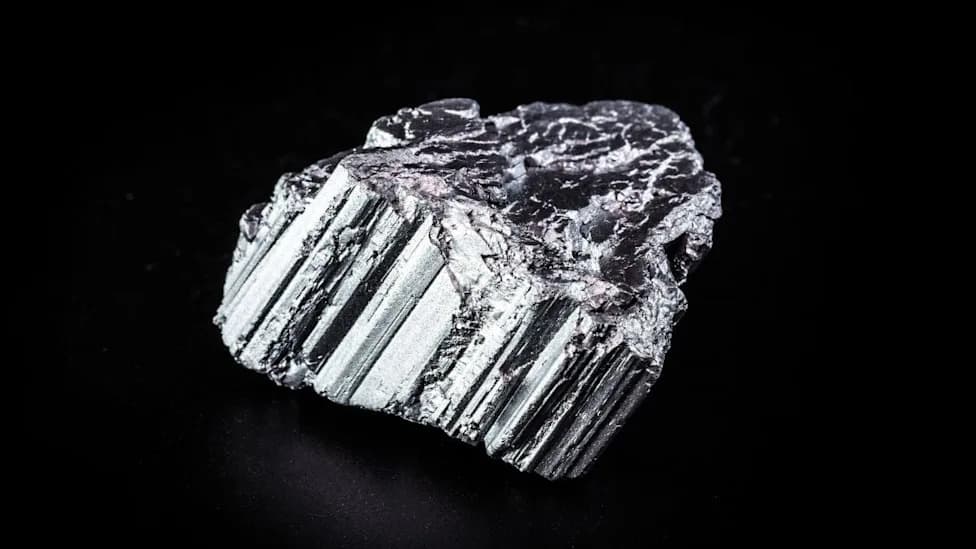
Saudi Arabia has announced a discovery of 110 million tonnes of uranium‑bearing ore, revealed by Energy Minister Prince Abdulaziz bin Salman at the IAEA General Conference in Vienna. The announcement highlights not only uranium but also high concentrations of heavy rare earth elements at the site.
What the Figure Actually Represents
The quoted number refers to ore that contains uranium, not to the amount of recoverable uranium metal or uranium oxide. How much uranium can be extracted depends on ore grade, local geology, available processing technology and the economics of extraction.
Partnerships and Plans
Saudi Arabia currently produces no uranium and lacks domestic enrichment capacity. Under a civil nuclear cooperation framework announced in July, state miner Ma'aden will partner with U.S. firm MP Materials to develop rare earth processing and potential uranium production capabilities. The U.S. Energy Department has described the pact as the start of a long‑term, multibillion‑dollar partnership that includes studying whether American companies could build enrichment capacity in the kingdom.
Exploration and Byproduct Potential
Riyadh has launched a sedimentary cover survey initiative to search for conventional uranium deposits and is also evaluating uranium that could be recovered as a byproduct of phosphate processing — a relevant route given Saudi Arabia’s status as a leading phosphate fertilizer exporter.
Strategic Context
Beyond mining, the discovery has geopolitical implications. U.S. engagement is framed partly as a strategic hedge against China’s dominant position in rare earth supply chains. For Washington the find strengthens the case for deeper nuclear cooperation and safeguards dialogue.
Experts and officials caution that the 110 million tonnes figure is a headline number: extensive geological surveys, sampling and economic studies are required before any reliable estimate of recoverable uranium can be made.
In short, the discovery could support Saudi ambitions to build a fuller domestic nuclear fuel cycle and diversify its economy, but meaningful production — if achievable — remains months to years away and will depend on technical, regulatory and commercial outcomes.
Help us improve.