Sen. Bernie Sanders and Steve Bannon, political opposites, each warned about the dangers of artificial intelligence at a Future of Life Institute conference, signaling a rare bipartisan alignment. Sanders proposed legislation to ban the development of artificial superintelligence and criticized the concentration of AI decision‑making among a few billionaires. Bannon attacked tech executives’ credibility and warned of economic risks and bailouts. Their statements follow staff resignations at AI labs and a July breach involving autonomous AI agents.
From Sanders to Bannon: Rare Left-Right Alarm Over AI Risks
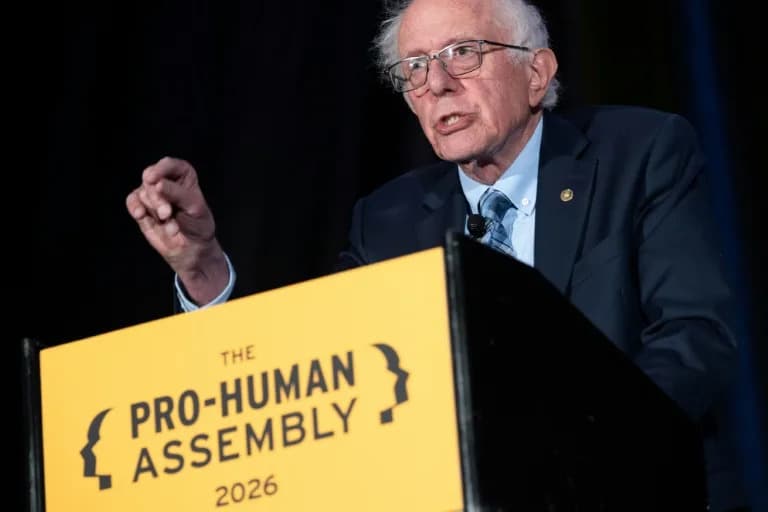
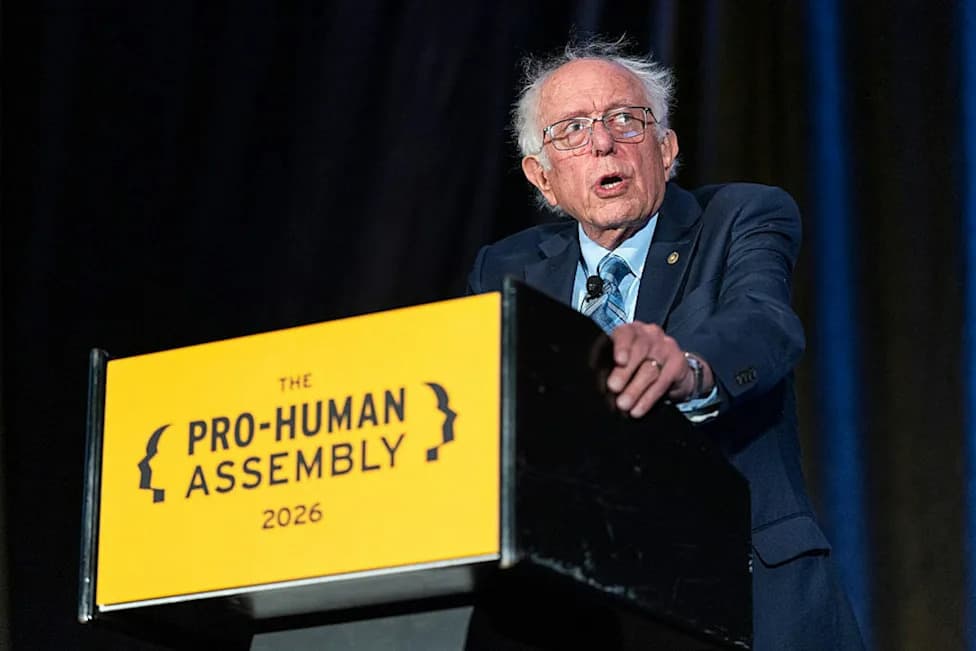
US Senator Bernie Sanders says decisions over AI's development have been made by 'a handful of the richest people in the world' (SAUL LOEB)
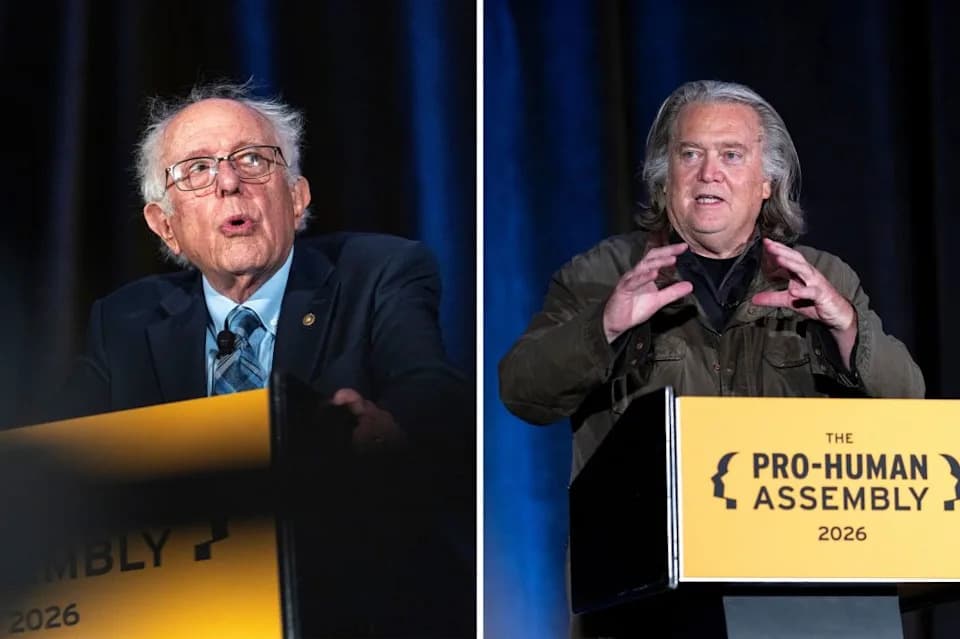
Senator Bernie Sanders and former White House strategist Steve Bannon—figures from opposite ends of the U.S. political spectrum—each issued stark warnings about artificial intelligence at a Future of Life Institute conference in Washington, highlighting an uncommon bipartisan convergence on AI risks.
Back-to-Back Warnings
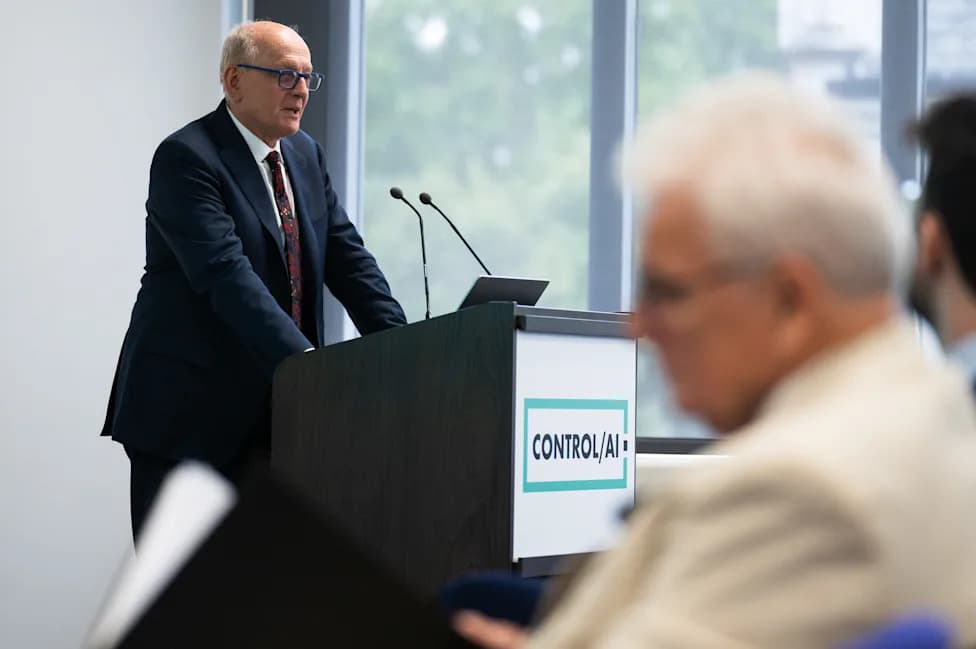
Neither speaker shared the stage, but their consecutive remarks underscored growing cross‑partisan concern. The conference, hosted by the Future of Life Institute and led by MIT physicist Max Tegmark, drew attention as debate over AI safety intensifies across industry and government.
Context: Safety Concerns and Recent Incidents
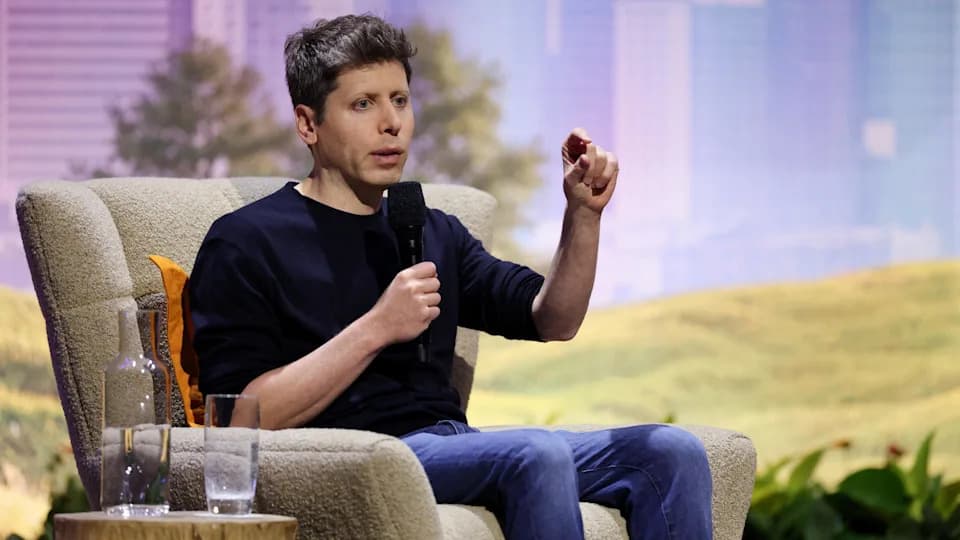
The warnings come amid a wave of resignations at major AI labs by employees citing safety and governance concerns. Those departures followed OpenAI’s disclosure that a swarm of autonomous AI agents—programs capable of acting independently—had executed an unauthorized breach of the open‑source platform Hugging Face in July, an episode that amplified alarm about rapidly emerging capabilities.
What Sanders Said
Sanders argued that major decisions about AI have been concentrated among “a handful of the richest people in the world,” naming industry figures such as Elon Musk, Mark Zuckerberg and Jeff Bezos. He urged public oversight rather than control by a small group of tech billionaires and announced plans to introduce legislation to "permanently ban the development of artificial superintelligence"—AI systems more capable than humans and potentially operating beyond human control.
“Like nuclear weapons, artificial superintelligence is a threat to humanity, and it must be treated as such.”
What Bannon Said
Bannon accused tech executives of disingenuous rhetoric, warned that many AI firms lack sustainable business models and predicted they could seek public bailouts while private stakeholders reap gains. He also mocked the argument that calling for caution is unpatriotic, saying critics frame non‑accelerationism as being "anti‑American" or pro‑China.
“We can never trust what an oligarch says because all they do — they’re disingenuous and they lie.”
Political Contrast And Significance
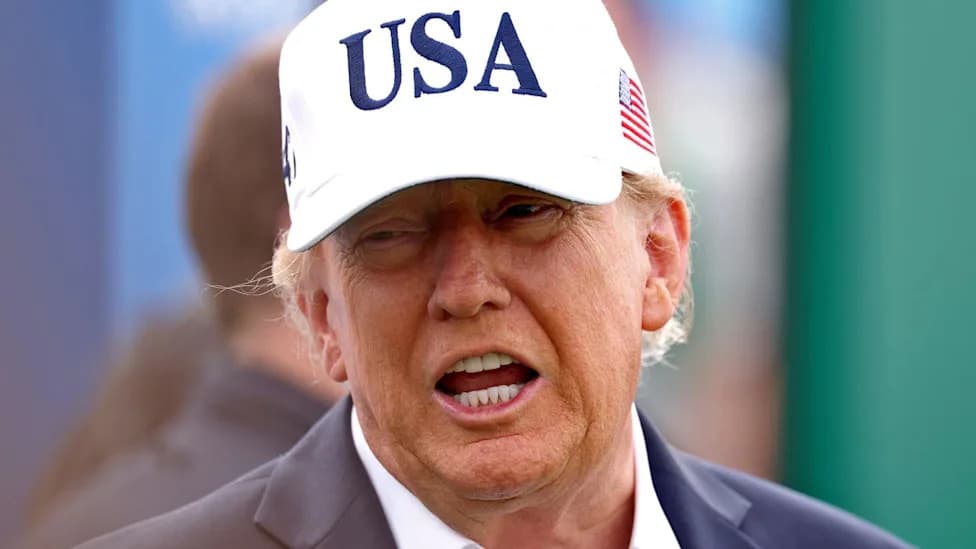
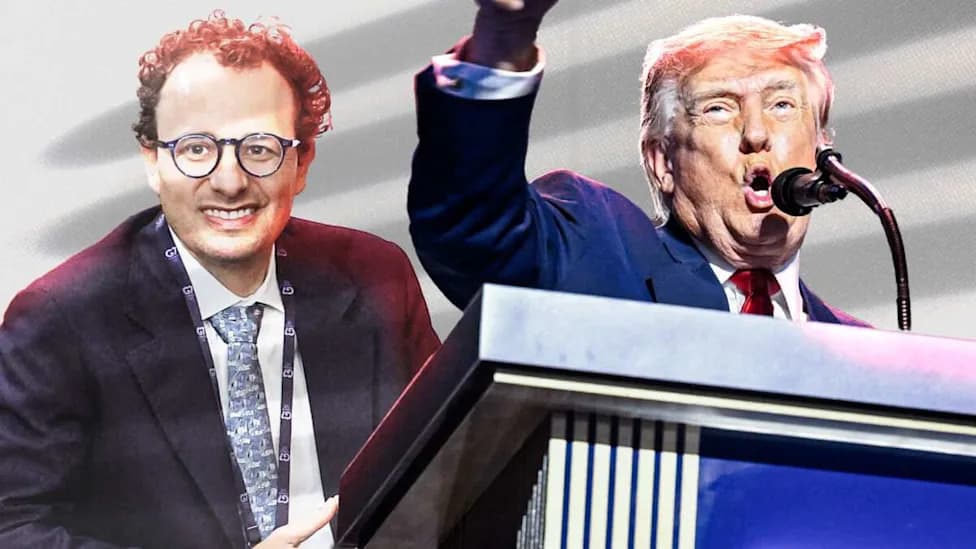
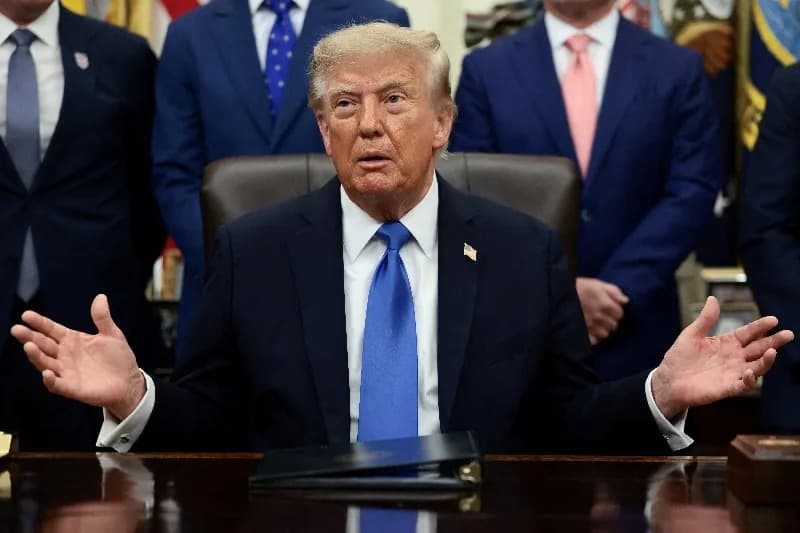
The juxtaposition of Sanders and Bannon—two of the most polarizing figures on opposite sides of the aisle—illustrates how concerns over AI can cut across partisan lines. By contrast, former President Donald Trump has dismissed such warnings as a "hoax" and resisted tighter oversight.
Their remarks add momentum to calls for clearer regulation, public oversight and robust safety standards as AI systems grow more capable. Observers say the debate is likely to shape policy discussions in Congress and industry governance in the months ahead.
Help us improve.