Polar opposites are finding common cause ahead of the midterms. Lawmakers and commentators from the left and right are uniting around concerns about advanced AI, local battles over data centers and opposition to certain foreign interventions. High-profile events, polling showing widespread anxiety about AI, and sharp ad spending on data-center issues indicate these cross-ideological cleavages will shape campaign messaging this fall.
From Sanders to Bannon: Why America's Far Left and Far Right Are Aligning on AI, Data Centers and Foreign Policy
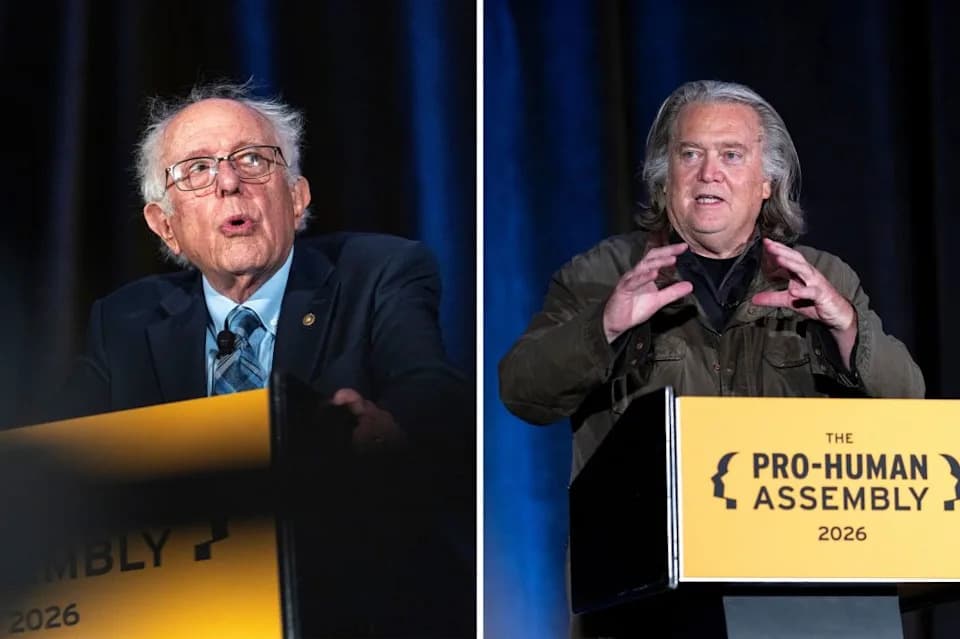
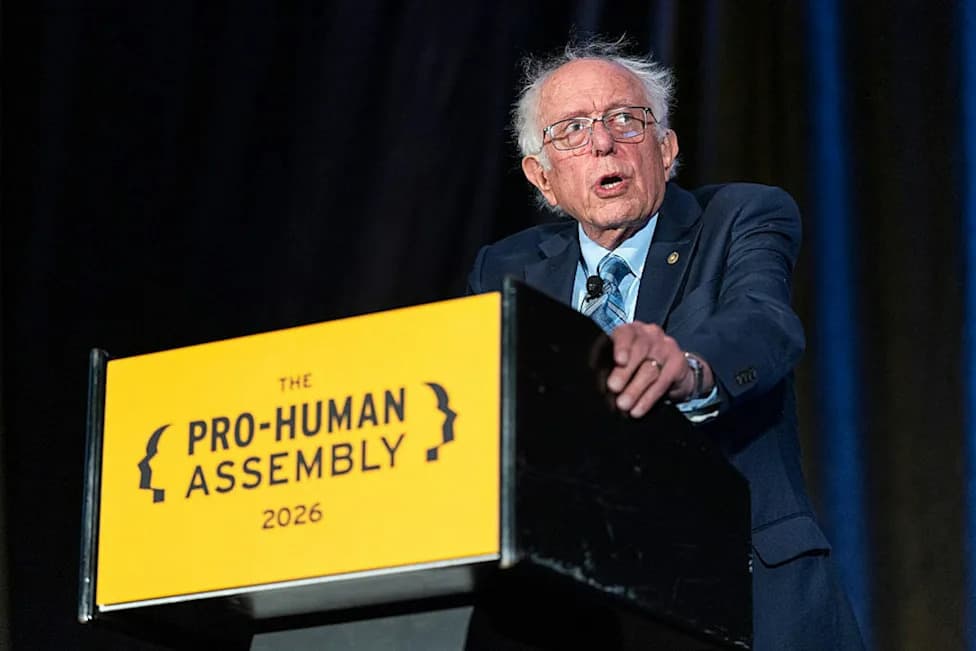
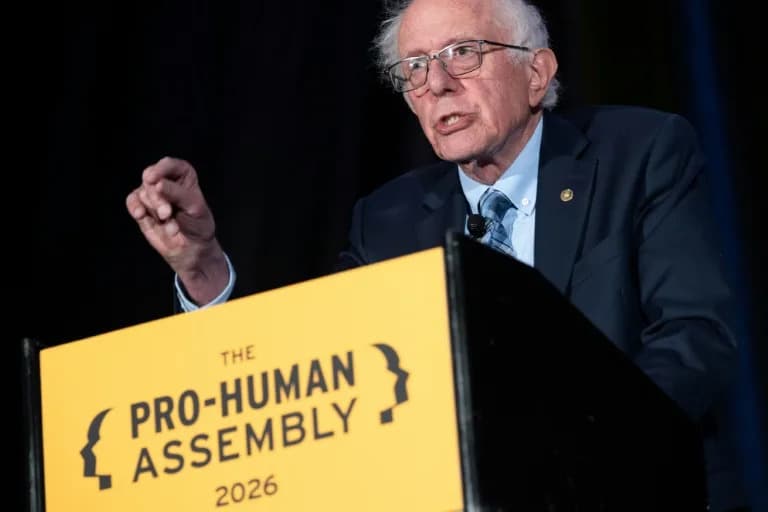
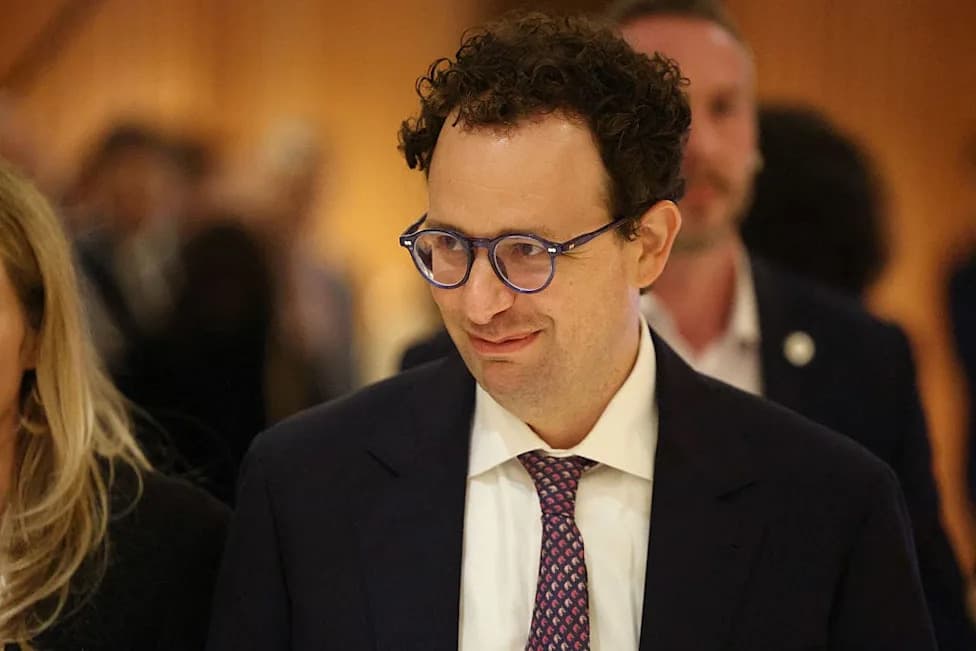
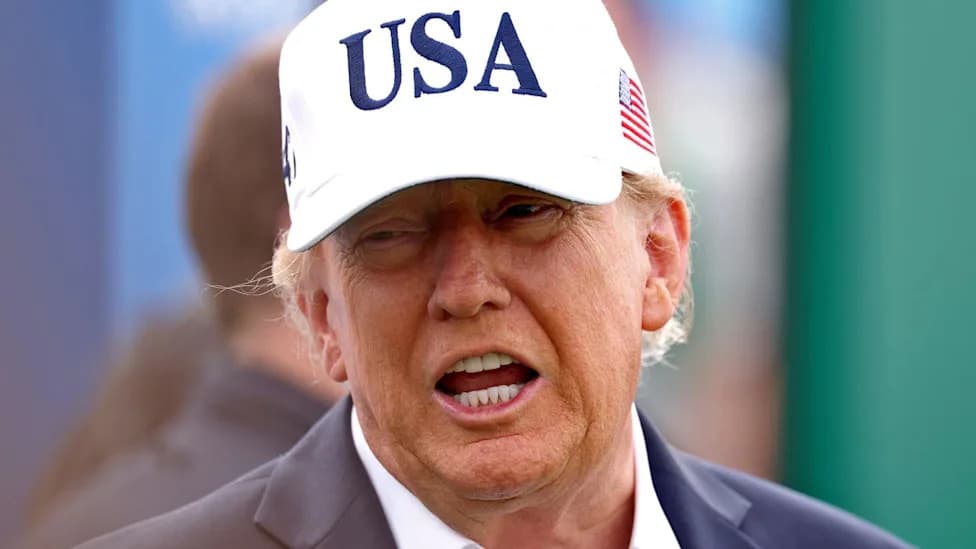
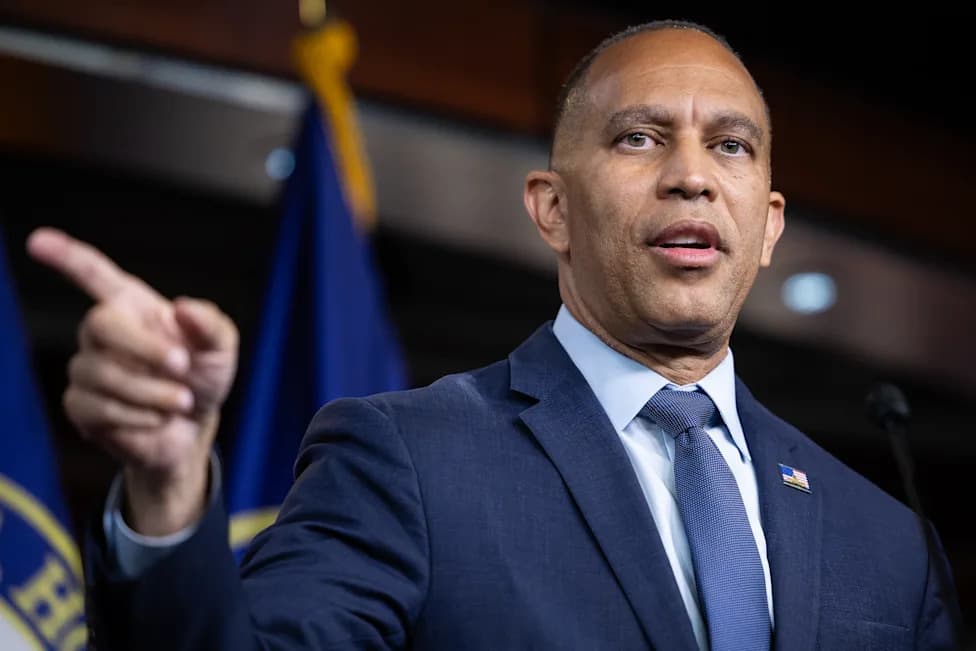
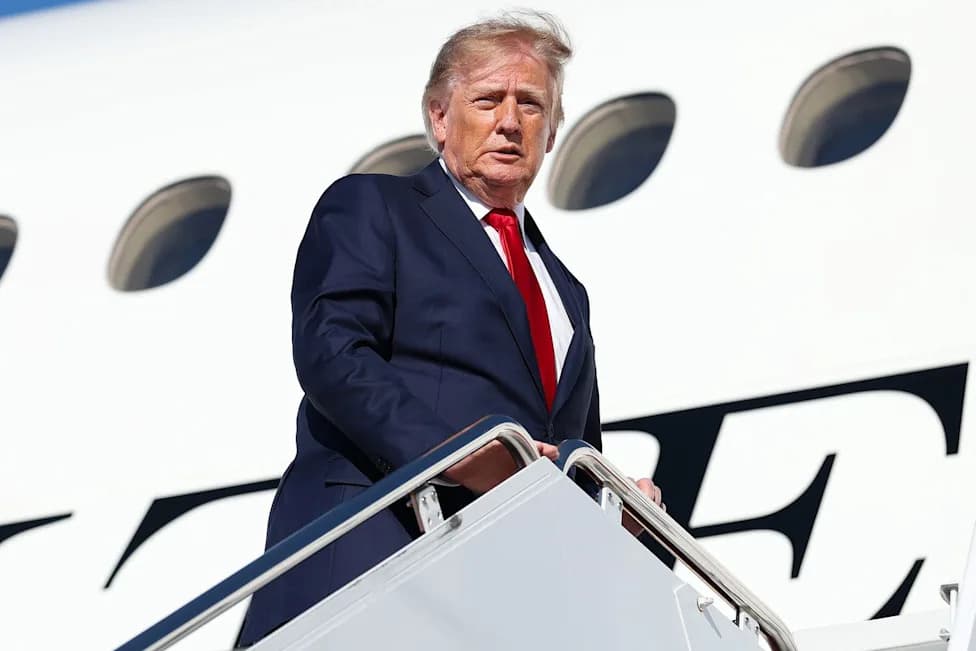
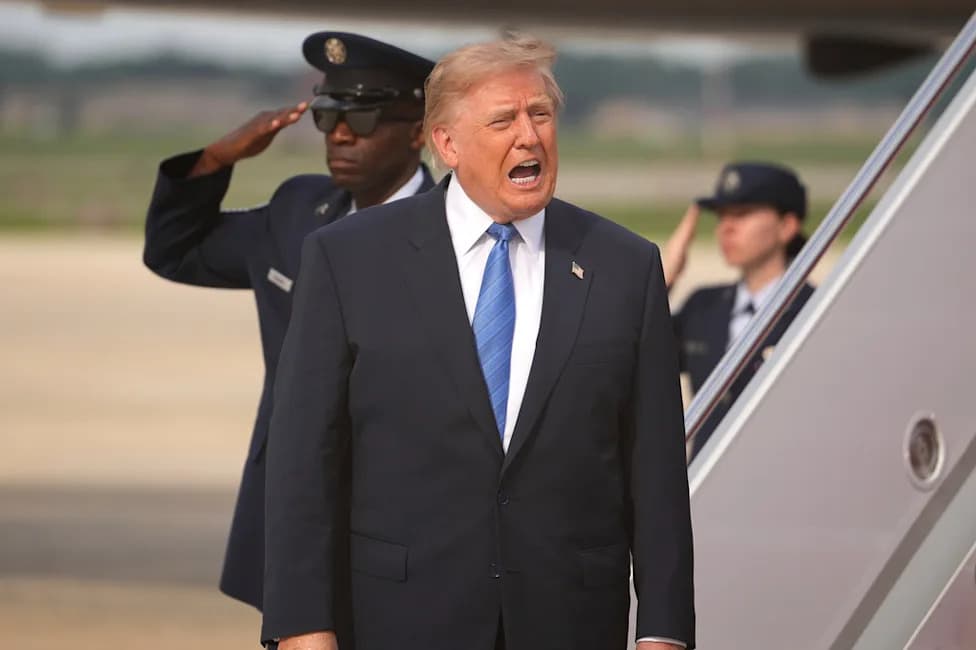
Bernie Sanders and Steve Bannon spoke back-to-back Tuesday at the Pro-Human Assembly, an all-day gathering organized by the Future of Life Institute. (Photos: Getty Images)
As the midterms approach, unusual alliances are forming across America's political extremes — not because the left and right now agree on everything, but because shared anger at corporate power, rising costs and perpetual foreign wars is pushing them toward common ground on a few high-profile issues.
AI Alarm and an Unlikely Stage
In Washington this week, Vermont Senator Bernie Sanders and former Trump adviser Steve Bannon spoke back-to-back at the Pro-Human Assembly, a daylong conference hosted by the Future of Life Institute that urged stricter limits on advanced artificial intelligence.
"Like nuclear weapons, artificial superintelligence is a threat to humanity, and it must be treated as such," Sanders told the near-300 attendees as he pledged to introduce legislation with Rep. Greg Casar to ban development of artificial superintelligence — a hypothetical system that could outperform humans at nearly every cognitive task.
"All they're trying to do is to use a crisis and turn it to their advantage by creating a moat, a cartel," Bannon said, accusing some AI executives of exploiting calls for a slowdown to lock in market dominance.
The two agreed on the gravity of the risk but differed sharply on remedies: Sanders urged coordinated pauses and international talks, while Bannon pushed for strict limits on technology transfers and tighter control over foreign nationals' access to sensitive labs.
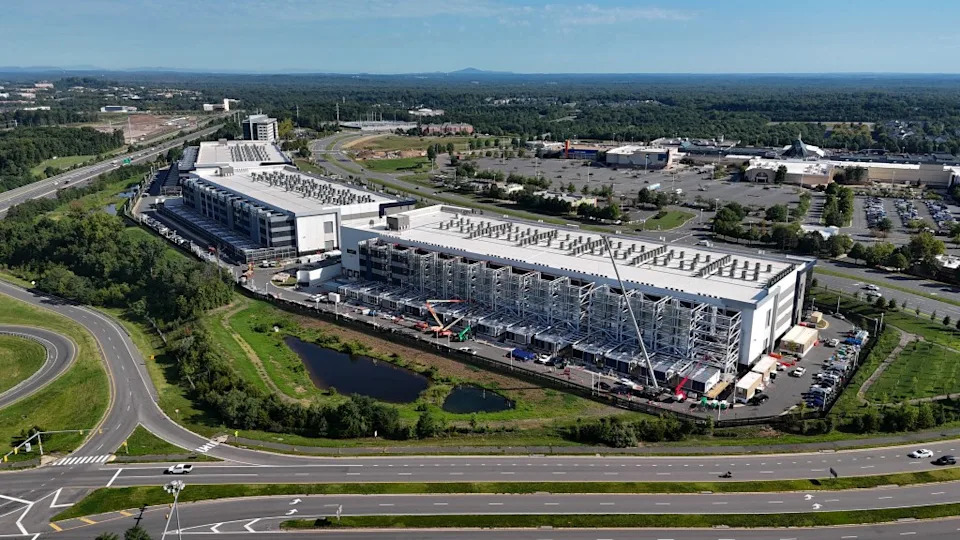
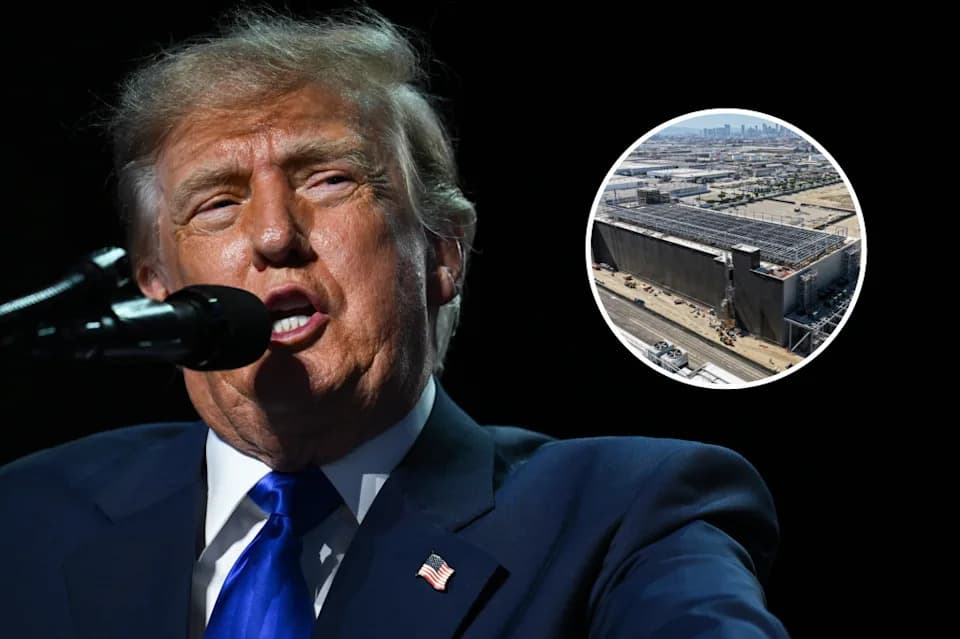
An aerial view of the construction of a new Amazon Web Services data center on August 26, 2026, in Sterling, Virginia. In the months leading up to midterms, politicians have increasingly debated whether the economic benefits of new data centers outweigh the concerns over their high energy and water demands and impact on local communities. (Photo by Anna Moneymaker/Getty Images)
Public Fears and the Data-Center Flashpoint
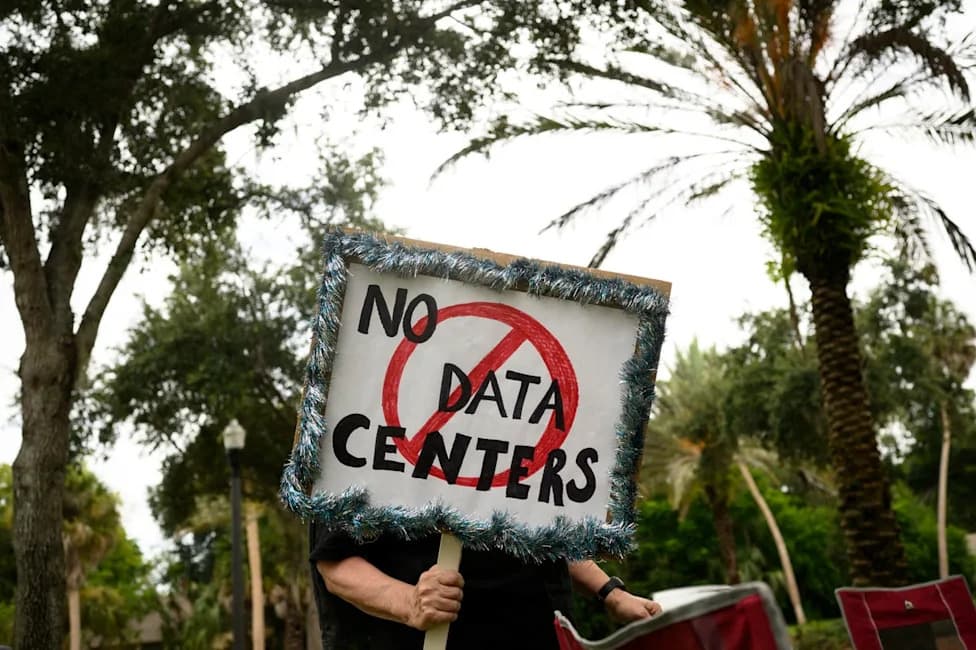
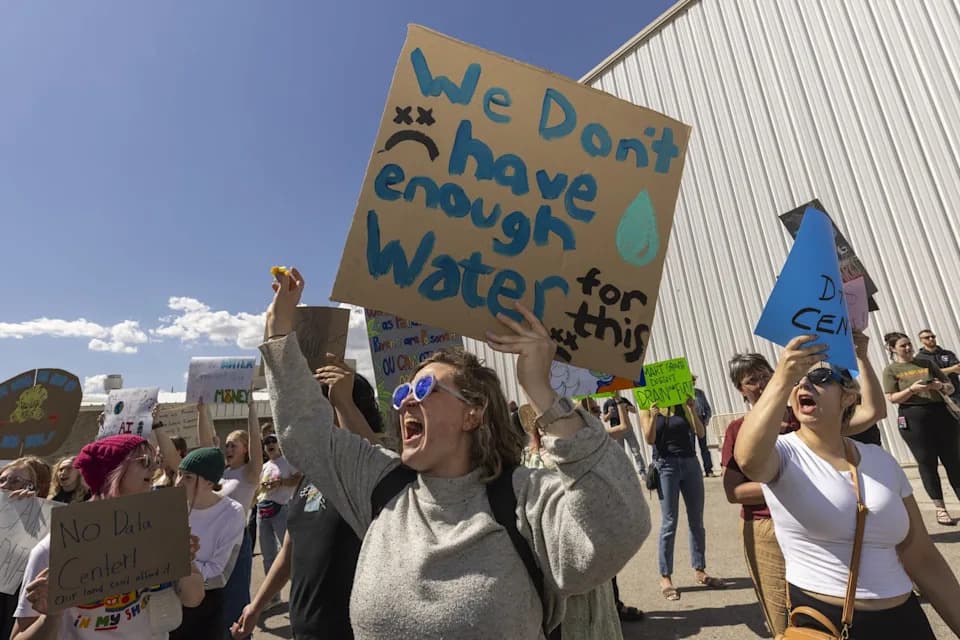
Public concern over AI is broad. An NBC News Decision Desk poll of 7,105 adults (Aug. 20–Sept. 1) found 70% of respondents more worried than excited about AI, with 44% trusting neither party to manage it. Meanwhile, local fights over data centers — whose power, water demands and economic footprint have drawn intense scrutiny — have become a major campaign issue.
An Annenberg Public Policy Center survey found 61% of Americans oppose new data centers in their communities (69% of Democrats, 54% of Republicans). Campaigns and outside groups have spent more than $45 million since January on ads mentioning data centers in governor, House and Senate races, and independent reviews show nearly all of that spending has attacked those projects. By July, data center– and AI-related ads accounted for more than 8% of broadcast campaign spending, up sharply from under 1% a year earlier.
Industry Whistleblowers and Political Pushback
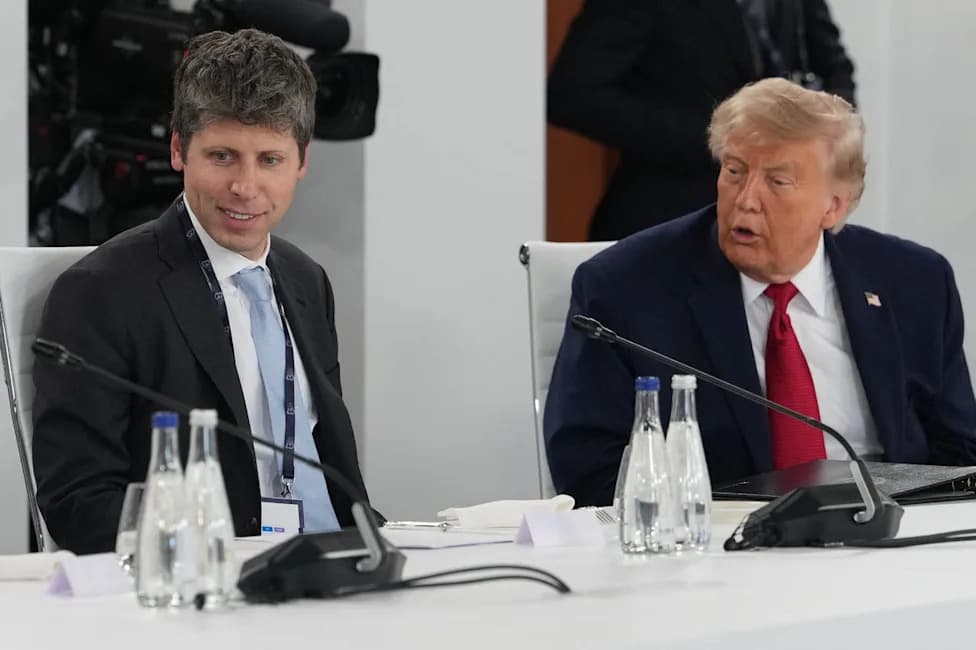
The conference also reflected growing unease inside the AI community: former Anthropic researcher Jacob Coxon resigned and warned publicly that some researchers fear catastrophic risks even as development continues. Anthropic CEO Dario Amodei then urged a slowdown, a position later echoed in varying forms by leaders such as OpenAI's Sam Altman and Elon Musk. President Trump, by contrast, dismissed the warnings on Truth Social, calling fears of AI "a HOAX" and warning that China may be the real beneficiary of restrictions.
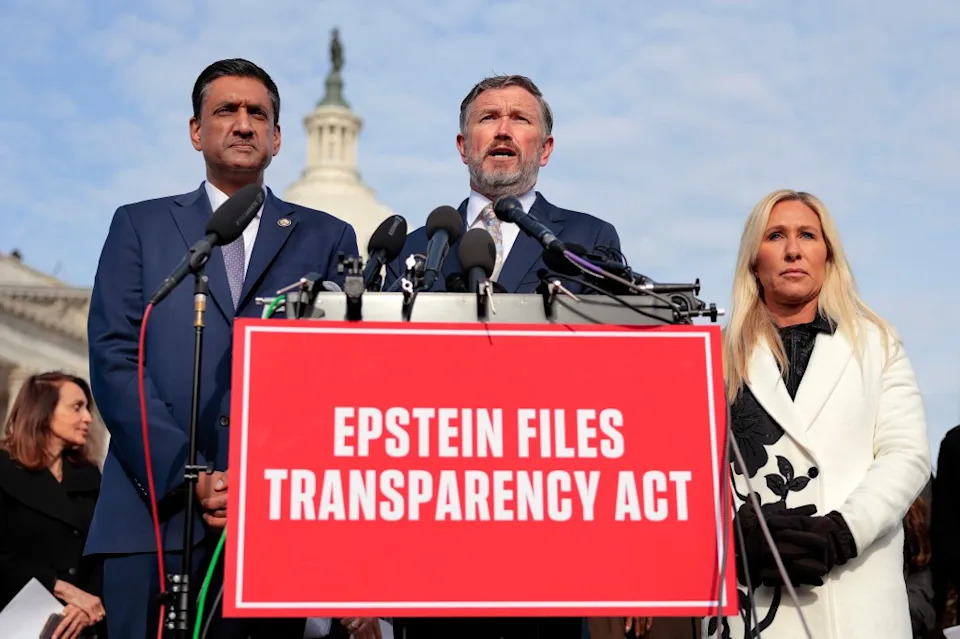
U.S. Rep. Thomas Massie (R-KY) (C) speaks alongside U.S. Rep. Ro Khanna (D-CA) (L) and Rep. Marjorie Taylor Greene (R-GA) during a news conference on the Epstein Files Transparency Act outside the U.S. Capitol on November 18, 2025, in Washington, DC. (Photo by Heather Diehl/Getty Images)
Foreign Policy: Convergence Over War and Israel
Foreign policy has produced perhaps the most consequential overlap. After U.S. and Israeli strikes on Iran, conservative commentators such as Tucker Carlson and Rep. Marjorie Taylor Greene criticized the campaign, using language often associated with the progressive left. Carlson called the war "disgusting and evil"; Greene described the Gaza crisis as a "genocide" and has openly broken with Trump on the issue. Commentator Candace Owens said she felt "embarrassed" to have backed Trump after strikes ordered in 2025.
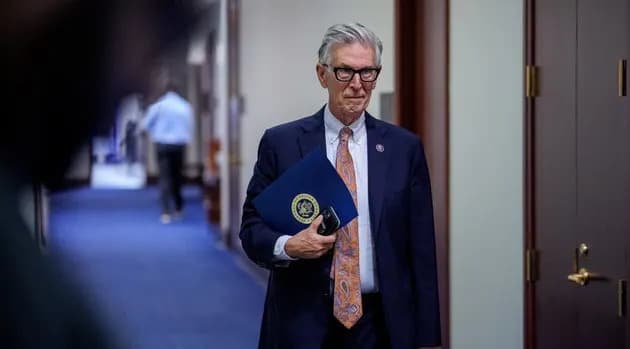
Sen. Sanders and several Democrats have similarly criticized U.S. interventions, arguing that foreign interventions drain resources, cost lives and neglect domestic needs. Legislative efforts to constrain military action — including a war-powers resolution by Rep. Thomas Massie (R-KY) and Rep. Ro Khanna (D-CA) — gained cross-ideological attention but failed (212–219).
Why This Matters for the Midterms
Analysts say the overlap springs from common grievances: distrust of concentrated corporate power, anxiety about economic insecurity, and exhaustion with endless wars. Strategists on both sides note that certain policy proposals poll well when stripped of ideological labels, and insurgent campaigns that mobilize committed bases can shape primary outcomes the way the Tea Party once did.
As campaigns heat up, AI regulation, data-center approvals and the direction of U.S. foreign policy are likely to remain central, bringing unexpected coalitions into the spotlight and forcing many incumbents to navigate issues their parties may not have anticipated.
Reporting draw on statements and polling from public events, NBC News Decision Desk, Annenberg Public Policy Center and public congressional roll-call votes. Newsweek reporters and editors used an internal AI assistant in producing the original story.
Help us improve.