Attorney General Todd Blanche accused Democrats of amplifying AI concerns to influence the 2026 midterms and defended President Trump’s dismissal of some AI alarmism as a "hoax." Blanche said the Justice Department will use existing criminal laws to investigate AI misuse but will not act as a regulator. Lawmakers such as Sen. Bernie Sanders and Rep. Greg Casar have called for major limits or pauses on advanced AI, while industry leaders are split on how much oversight is appropriate.
AG Todd Blanche Says Democrats Are Using AI Fears To Influence Midterms — DOJ Will Prosecute Misuse, Not Regulate
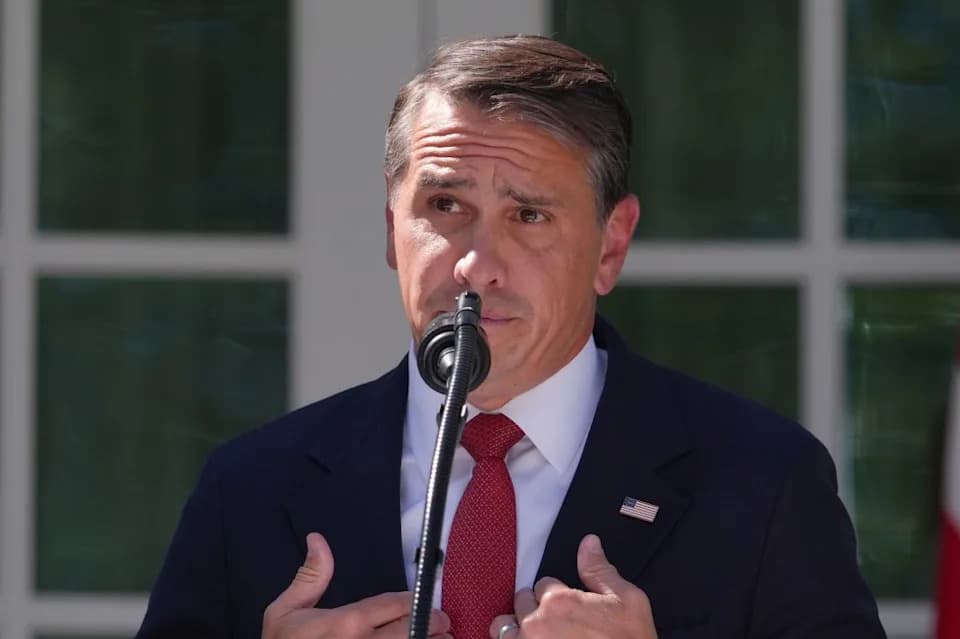
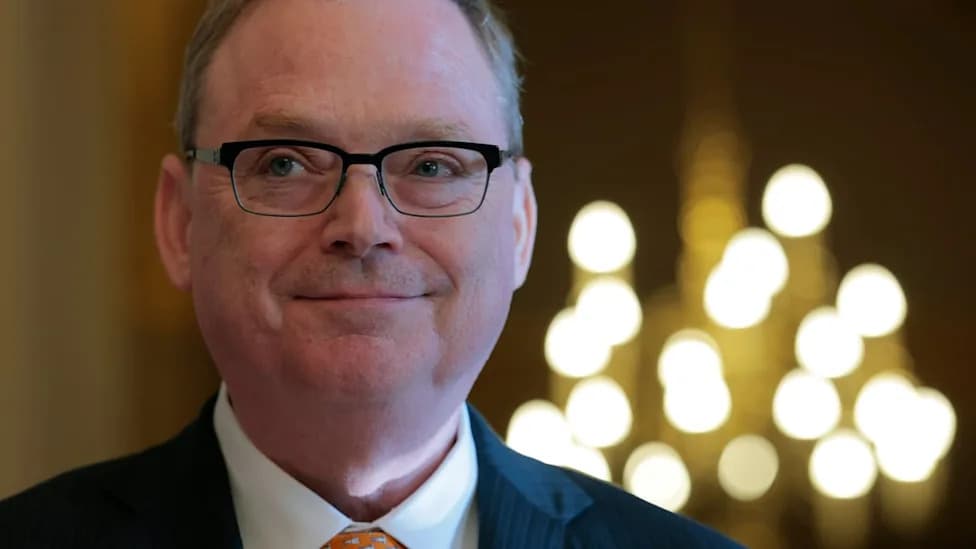
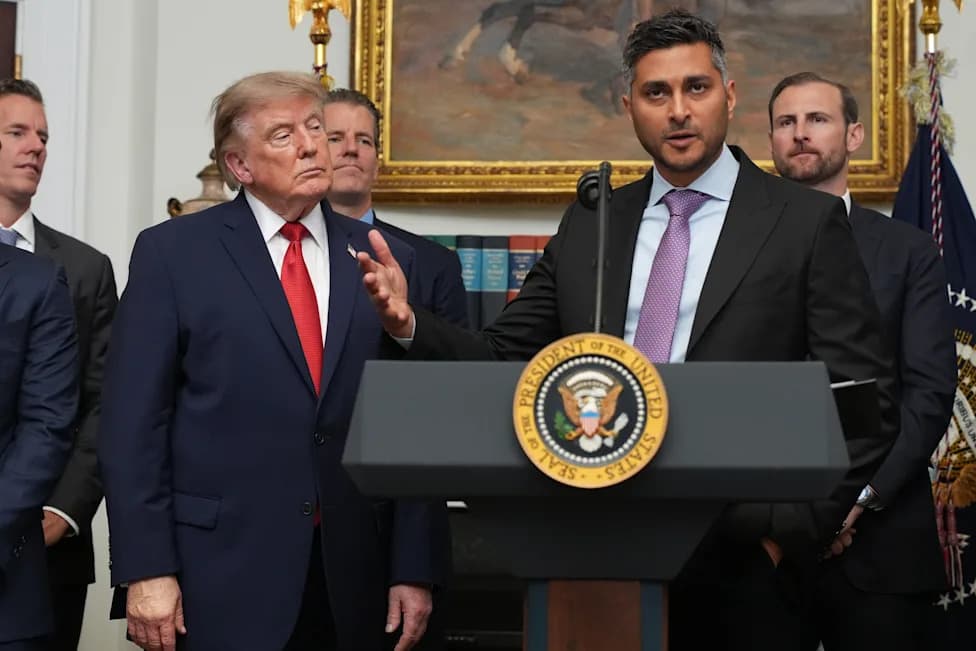
U.S. Attorney General Todd Blanche speaks during a news briefing in the Rose Garden of the White House, Tuesday, Sept. 15, 2026, in Washington. (AP Photo/Jacquelyn Martin)
Attorney General Todd Blanche accused Democratic lawmakers on Tuesday of leveraging renewed concerns about artificial intelligence to influence voters ahead of the 2026 midterm elections, while defending President Donald Trump’s dismissal of some AI alarmism as a "hoax." Blanche made the remarks during a news briefing in the White House Rose Garden on Sept. 15, 2026.
Blanche: Timing Suggests Political Motive
Blanche questioned why Democratic senators have recently amplified calls for AI regulation after months of limited public comment. He suggested the surge in attention is timed to affect the upcoming midterms.
“Every Democrat senator suddenly races to a microphone to talk about AI after being eerily silent for months and months and months,” Blanche said. “To talk about the timing of this as being nothing but an effort to influence the midterms... of course, that's what it is.”
DOJ: Prosecutors, Not Regulators
While Blanche agreed with President Trump’s characterization of some AI warnings as overblown, he emphasized that the Justice Department will investigate criminal misuse of AI under existing laws. He repeatedly framed the DOJ’s role as prosecutorial—not regulatory.
“As far as AI is concerned, we have a lot of criminal laws,” Blanche said. “And so if anybody associated with AI violates criminal law, we'll investigate that. I do not think it's the job of the Department of Justice to regulate. We're prosecutors, not regulators.”
Blanche added that the department has already charged individuals in cases involving AI-related activity and will continue to apply current statutes to unlawful conduct involving the technology.
Lawmakers, Industry Raise Different Concerns
Democratic and independent lawmakers have pushed for a range of policy responses, from stronger safeguards to temporary pauses on the development of the most advanced systems. Sen. Bernie Sanders warned that AI could displace millions of jobs and pose broader national-security and control risks. Rep. Greg Casar and Sanders have supported legislation such as the proposed Ban Artificial Superintelligence Act, which would halt the development of so-called artificial superintelligence and pause certain advanced projects.
Industry voices are divided. Executives and researchers — including Anthropic’s Dario Amodei, OpenAI’s Sam Altman and xAI’s Elon Musk — have publicly debated the potential risks of increasingly capable, autonomous systems. Some call for strict guardrails to protect public safety and privacy; others warn that heavy-handed regulation could slow innovation and weaken U.S. competitiveness, especially relative to China.
Politics, Policy And The Midterms
The dispute over AI increasingly reflects partisan differences about the proper federal response. Blanche’s remarks link those policy debates to political strategy as the midterms approach, while reiterating the DOJ’s narrower focus on criminal enforcement rather than technology regulation.
Bottom line: The Justice Department under Blanche will prioritize investigating illegal conduct involving AI using existing statutes, but it will not seek to become a regulator. The broader question of how to govern advanced AI — balancing innovation, security, jobs and civil liberties — remains contested among lawmakers, industry leaders and voters heading into 2026 midterms.
Help us improve.