The Armes family has spent more than a decade fighting to restore federal black lung benefits after a coal operator appealed an award. A GAO report documents long appeals, frequent reversals and multi-year delays; NIOSH research found 32.5% of veteran underground miners in central Appalachia have black lung and more than 1,700 miners died from 2020–2023. Advocates say stalled silica rule enforcement and repetitive appeals leave sick miners without timely compensation or protections.
“Do You Have To Be Dead?”: Coal Miners Fight Lengthy Appeals As Black Lung Cases Surge
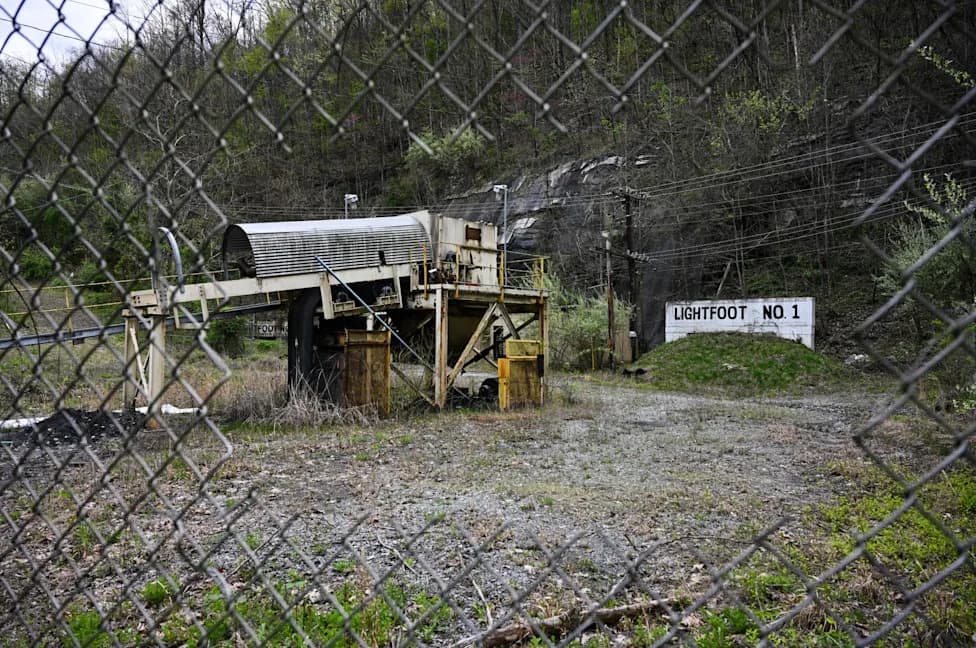
A coalmine in Wharton, West Virginia. The Trump administration is moving to boost the coal industry.Photograph: Ricky Carioti for The Washington Post via Getty Images
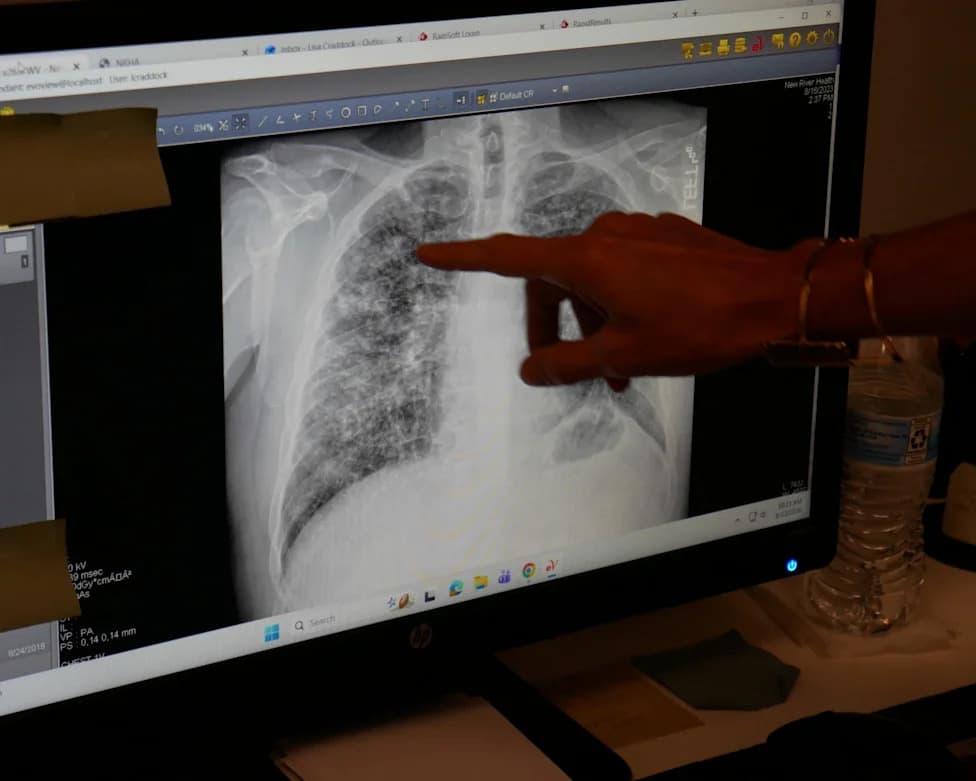
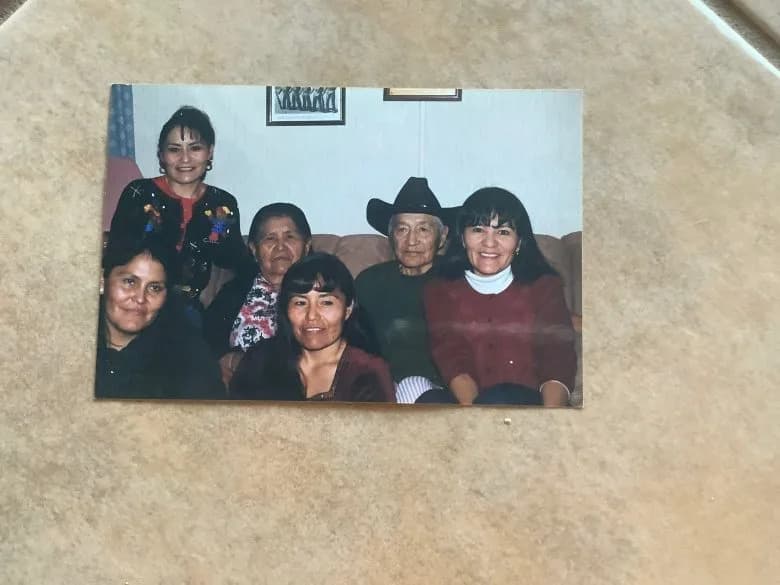
Josh Armes, 74, spent 38 years mining in West Virginia and Virginia. After retirement he was diagnosed with black lung disease (coal workers' pneumoconiosis, CWP) and now relies on supplemental oxygen, inhalers and frequent medical care. For more than a decade his family has been trapped in an appeals process trying to restore federal benefits that a coal operator challenged in 2014.
Why This Matters
The federal black lung program, created in 1969, is intended to provide monetary compensation and medical benefits to miners disabled by CWP. But many miners report long delays, repeated appeals and reversals that strip awards away after they have already been paid. The result: sick miners and their families face financial and medical hardship while bureaucratic and legal fights continue.
GAO Findings: Appeals, Delays and Reversals
A May report from the Government Accountability Office (GAO) found that 7,709 miner beneficiaries received black lung benefits in 2024, and roughly 22,500 beneficiaries (including dependents and survivors) received payments in fiscal 2025. Between 2013 and 2024, about 40% of Department of Labor–approved claims were disputed—typically by coal operators. The GAO also reported that the median length of an appealed claim was three years or more; among 53,000 closed claims from January 2013 through August 2024, 11 took longer than 10 years to close.
'Miners in all six groups expressed their belief that mine operators were either "waiting for them to die" or "waiting for them to give up" so they could avoid paying benefits,' the GAO wrote.
The GAO noted 390 beneficiaries had initially approved claims reversed on appeal between January 2013 and mid-August 2024, leaving them liable to repay benefits they had already received.
Rising Rates of Disease and Causes
Recent research shows a troubling rise in CWP. A NIOSH study published in August in the American Journal of Respiratory and Critical Care Medicine found that 32.5% of veteran underground miners in central Appalachia have black lung—a prevalence not seen since 1978. Between 2020 and 2023, more than 1,700 U.S. coal miners died from the disease. Researchers attribute much of the recent increase to respirable silica in the coal seams being mined today.
Policy, Regulation and Enforcement
A federal silica dust rule intended to reduce exposures was finalized in April 2024. Implementation has been delayed: funding for enforcement was blocked in June 2024, and the Mine Safety and Health Administration (MSHA) under the current administration signaled it would pause enforcement pending legal and rulemaking actions. Advocates and unions say the delay leaves miners unprotected.
Rebecca Shelton of the Appalachian Citizens' Law Center said the delay lets miners fall ill while agencies hide behind legal processes. The United Mine Workers of America has urged MSHA to implement engineering and ventilation controls that the rule would require. MSHA, however, told reporters that it continues to enforce the existing permissible exposure limit for respirable crystalline silica (100 micrograms per cubic meter) while litigation and limited rulemaking proceed.
Human Cost
Families like the Armeses emphasize the human toll: repeated tests, travel, legal bills and uncertainty while an ailing miner's condition deteriorates. "When you're awarded it, they can appeal it, get a different judge, and it's stripped away from you," said Crystal Armes, Josh's daughter. She described the process as costly and demoralizing, particularly for families with limited resources.
Advocates, lawmakers and unions are calling for reforms to shorten appeals, limit repetitive litigation by operators, and expedite benefits for diagnosed miners. The White House deferred comment to the Department of Labor; NIOSH did not respond to requests for comment.
Help us improve.