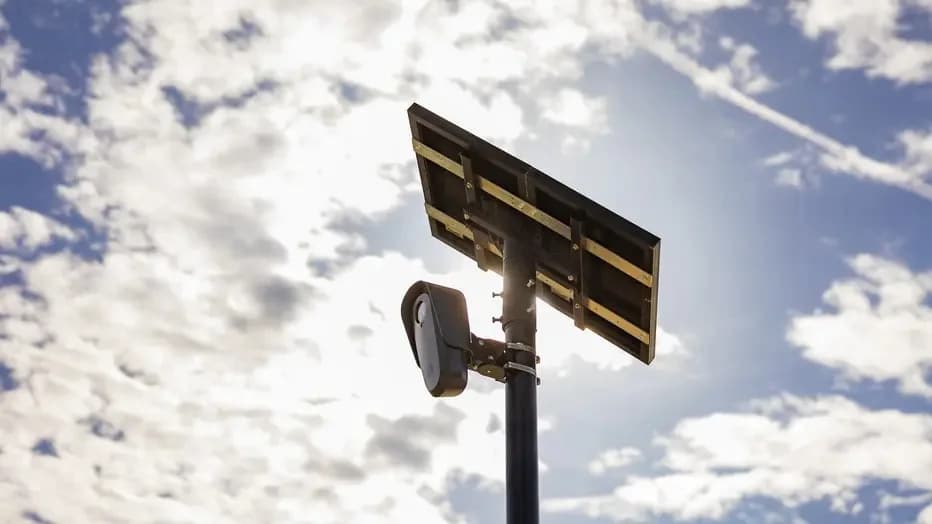
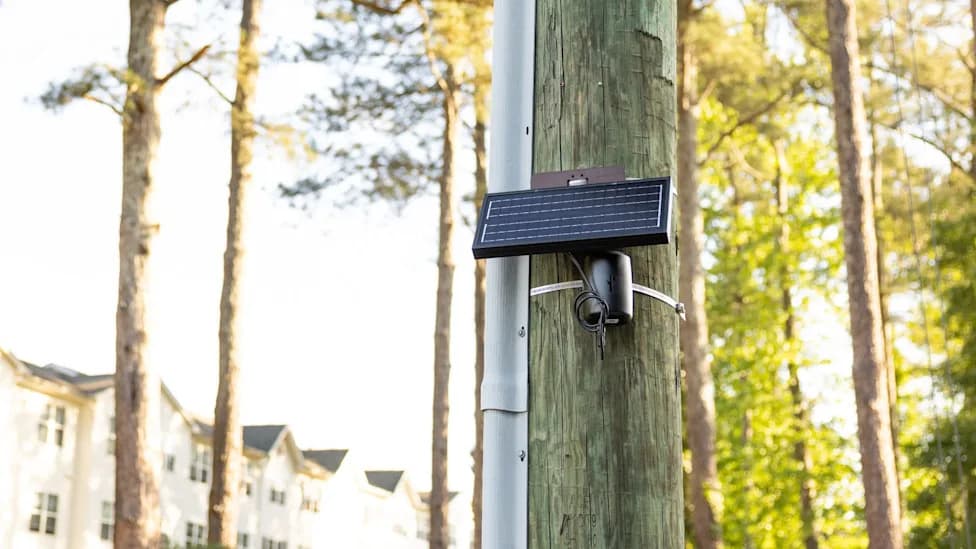
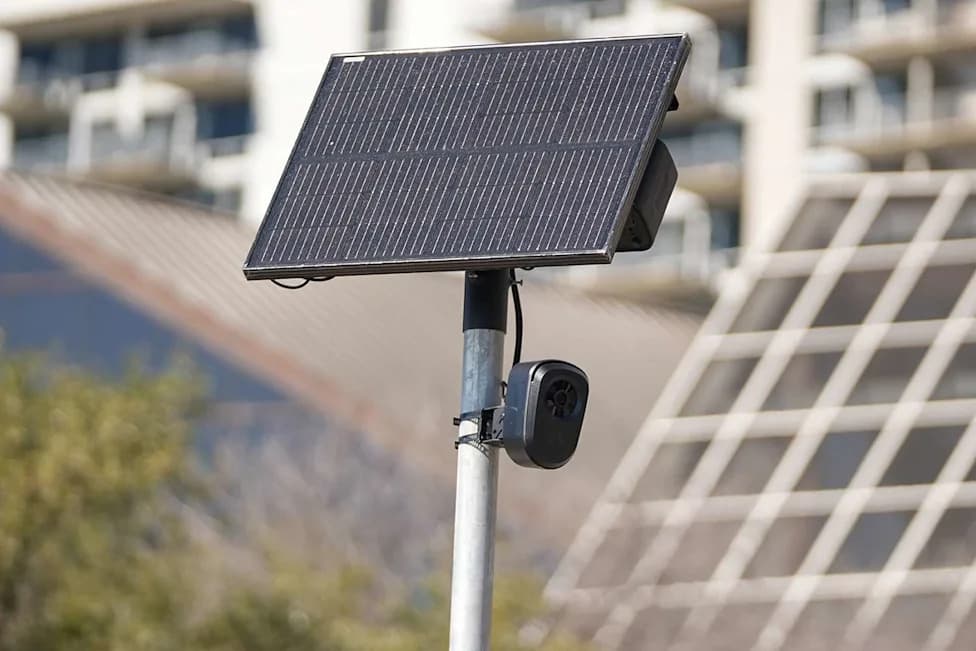
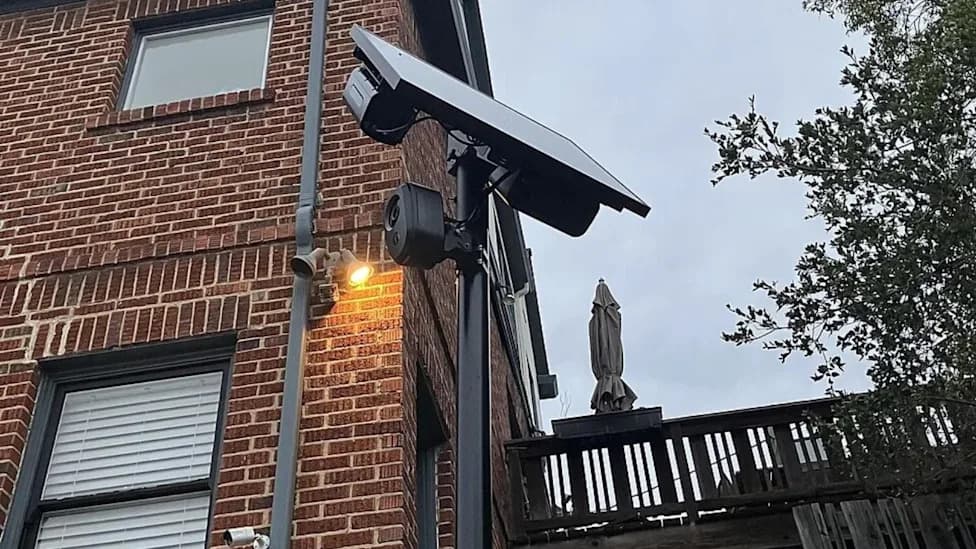
A Suffolk County Superior Court has ordered the Massachusetts State Police (MSP) to disclose where automatic license plate reader (ALPR) cameras are located statewide and to publish audit logs showing when and why troopers queried the centralized database. The move does not ban ALPR use, but it requires judicially enforced transparency about a surveillance system that accumulated what the ACLU says are hundreds of millions of plate-scan records.
How the System Worked
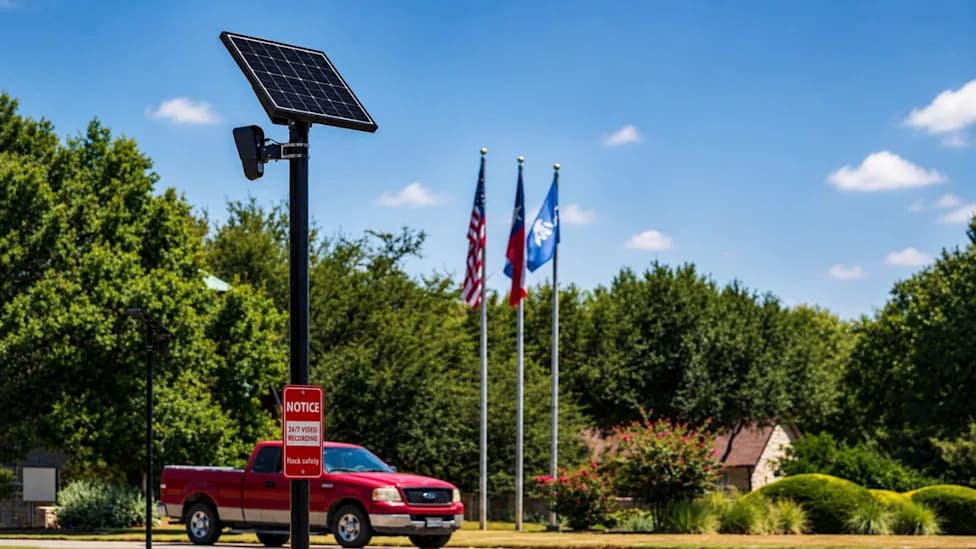
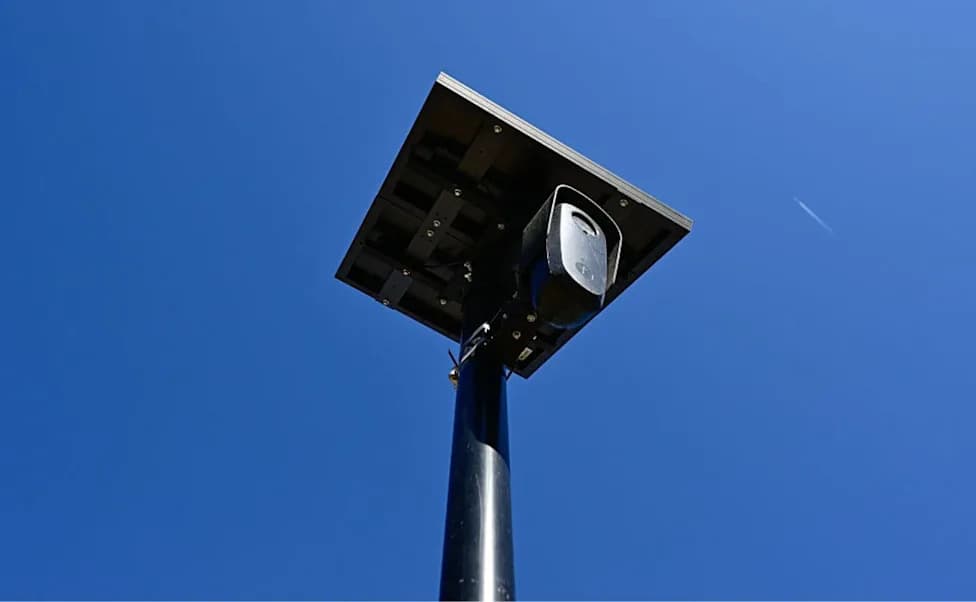
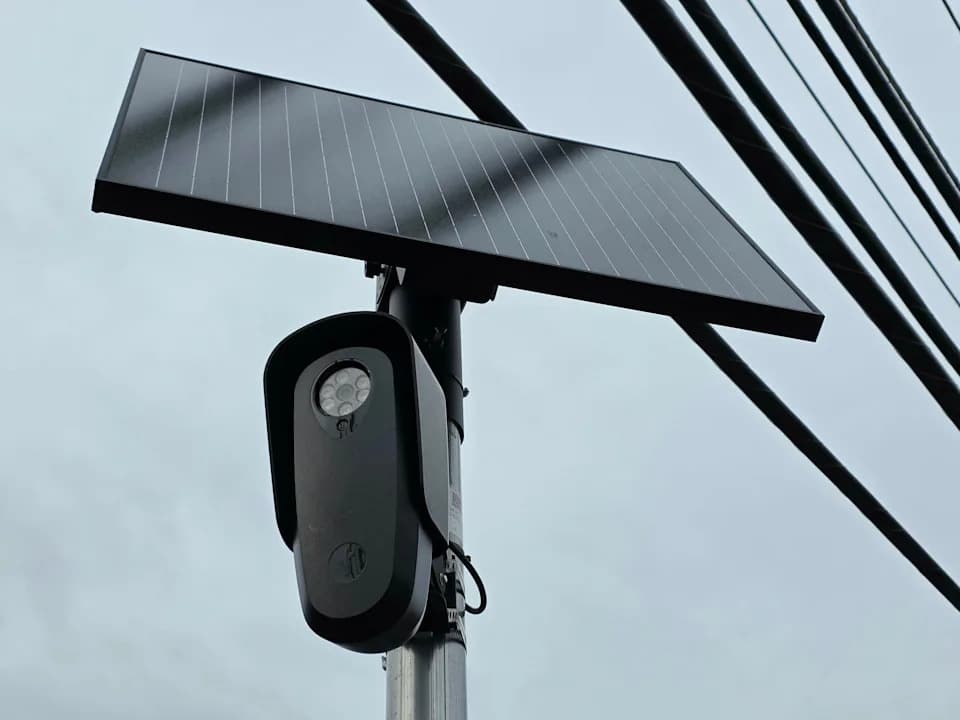
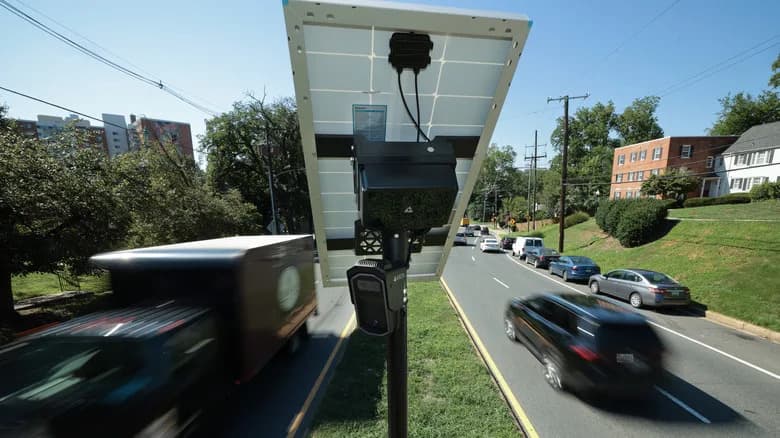
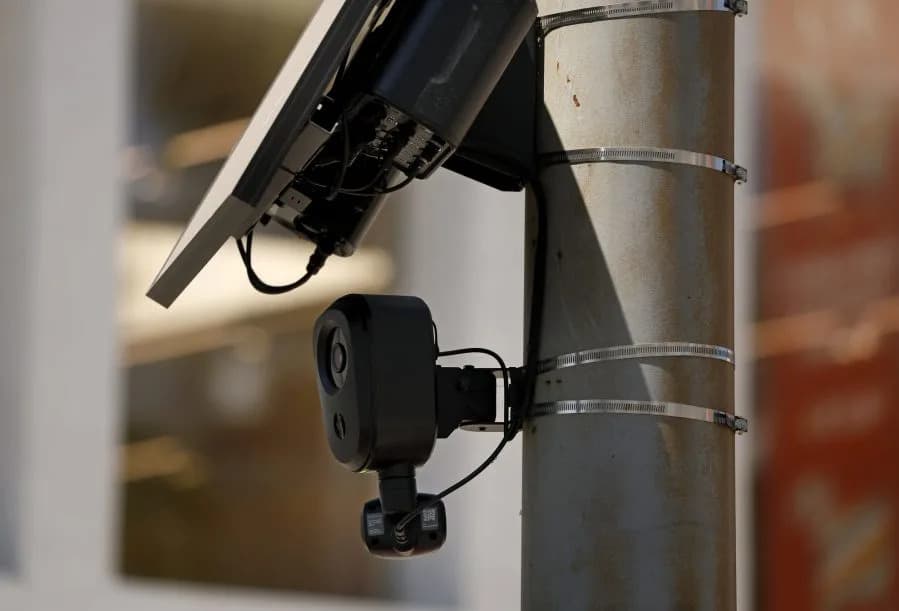
For years, fixed roadside units, cruiser-mounted systems and portable handheld readers continuously scanned license plates in range and fed a single, centralized repository. According to ACLU case filings, that database contains hundreds of millions of entries. Many communities were unaware that the State Police operated a separate, statewide, app-backed network in parallel with local deployments.
What The Court Ordered
- Location Data: MSP must disclose statewide camera location data (a public map of ALPR sites).
- Audit Logs: MSP must release audit logs showing when and why troopers queried the database.
- Redactions: Individual license-plate numbers will be redacted to protect active investigations.
- Rejected Exemptions: The court rejected MSP's claims that "critical infrastructure" or "ongoing investigation" exemptions justified withholding the records.
Kade Crockford, ACLU of Massachusetts: "People organizing against local Flock camera deployments didn't know the State Police maintained a statewide network of license plate readers."
Context and Significance
The ACLU pursued public records for more than five years and filed suit in November 2023 after repeated denials or unsatisfactory responses. The ruling forces accountability and public visibility into where and how residents may be tracked. It stops short of resolving constitutional questions about pervasive surveillance—Massachusetts' highest court previously warned that broad ALPR deployment could implicate "the whole of a person's public movements"—but it makes transparency an enforceable right.
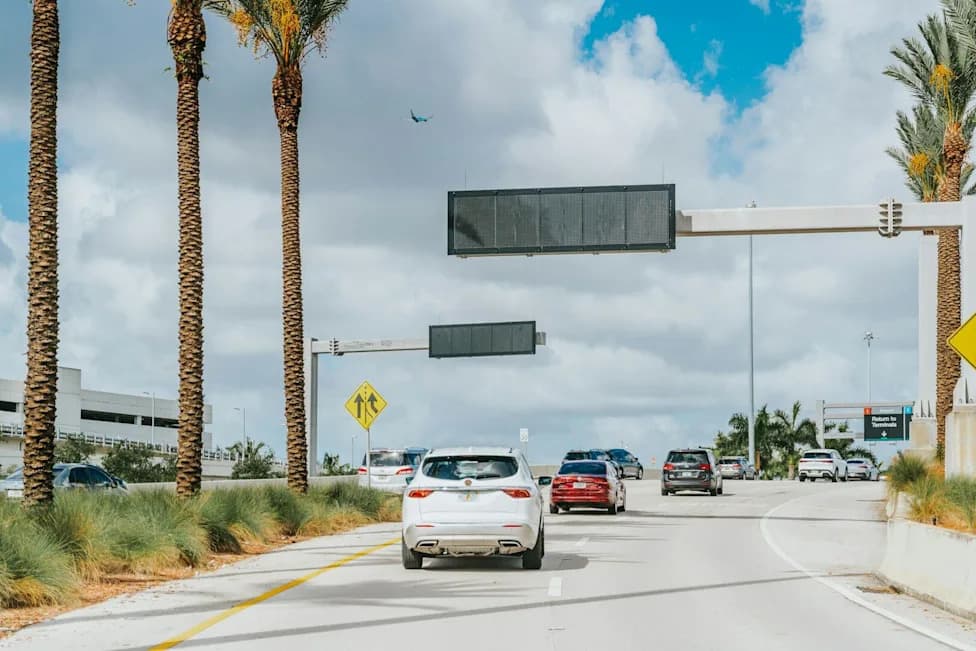
This decision echoes actions in other states: Florida's Department of Transportation revoked permits for certain ALPR systems on state highway rights-of-way and removed hardware, citing misuse and privacy concerns. Different remedies, same diagnosis: rapid surveillance expansion outpaced oversight and public awareness.
Law enforcement maintains ALPRs have clear public-safety benefits—locating stolen vehicles, identifying suspects and supporting investigations. The court's order aims to balance those uses with public accountability by providing a public map and search logs while protecting active investigations through targeted redactions.
What Comes Next: The State Police must comply with the disclosure order, and communities will now be able to see where and how ALPRs are used. That transparency may prompt policy changes, local oversight, or further legal challenges as the public weighs privacy against public safety.