Nationwide backlash against ALPRs has intensified as privacy concerns clash with public-safety arguments. Flock Safety supplies cameras used by thousands of agencies, but documented misuses, lawsuits and local cancellations have prompted activists in at least 36 states to disable devices. The author, a historian, draws parallels between this modern revolt and colonial resistance culminating in the Boston Tea Party, suggesting debates over surveillance and liberty remain central to American political life.
From the Boston Tea Party to Flock Cameras: How ALPRs Spark a New American Backlash
The Surprising Link Between Flock Cameras and the Boston Tea Party
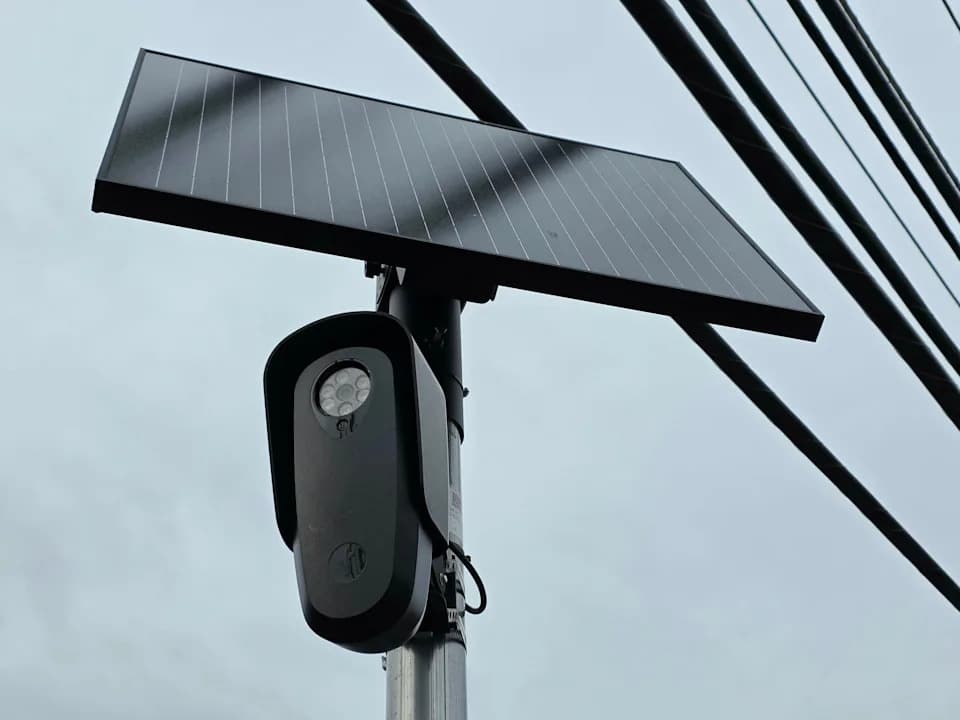
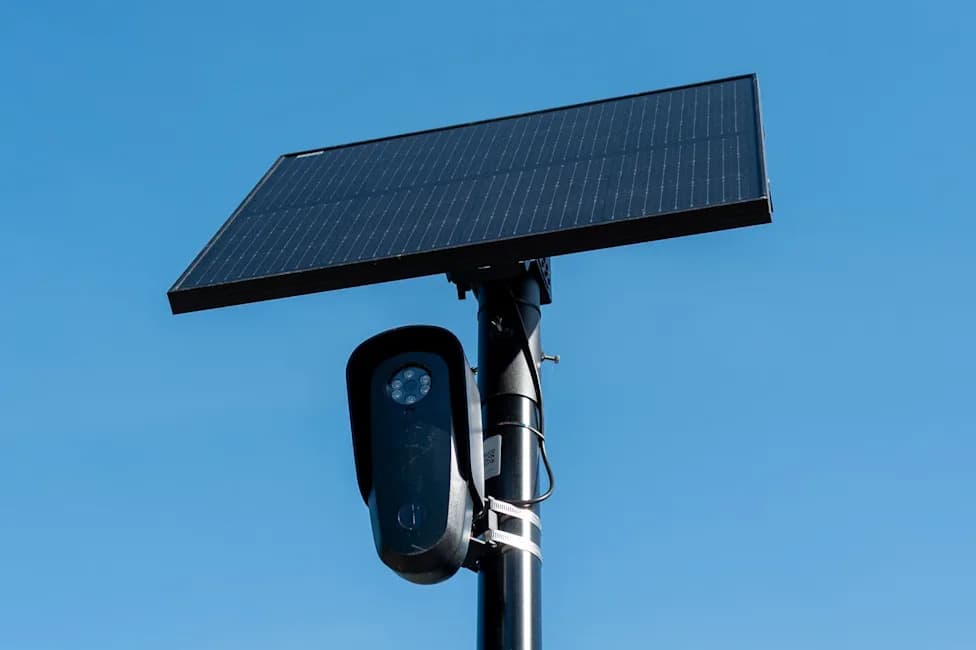
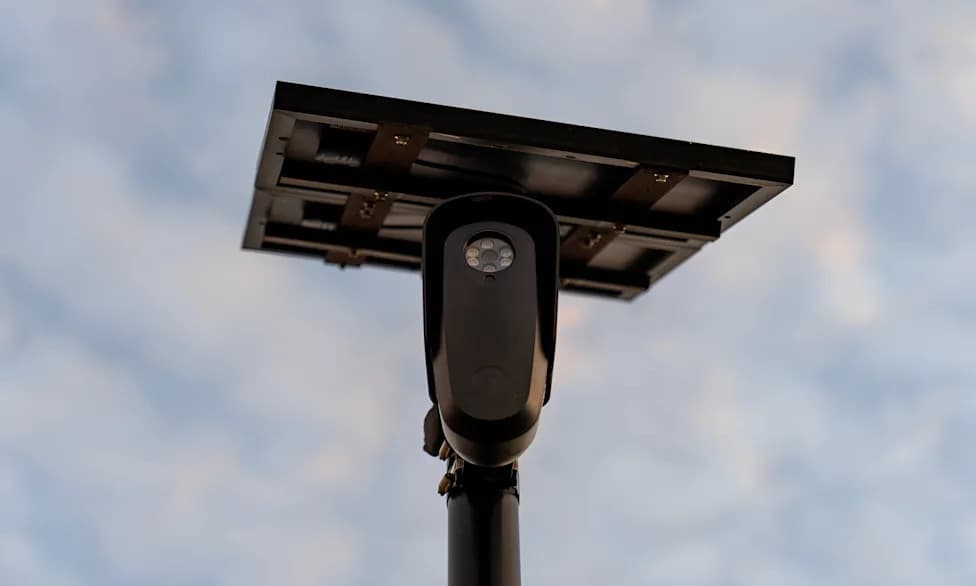
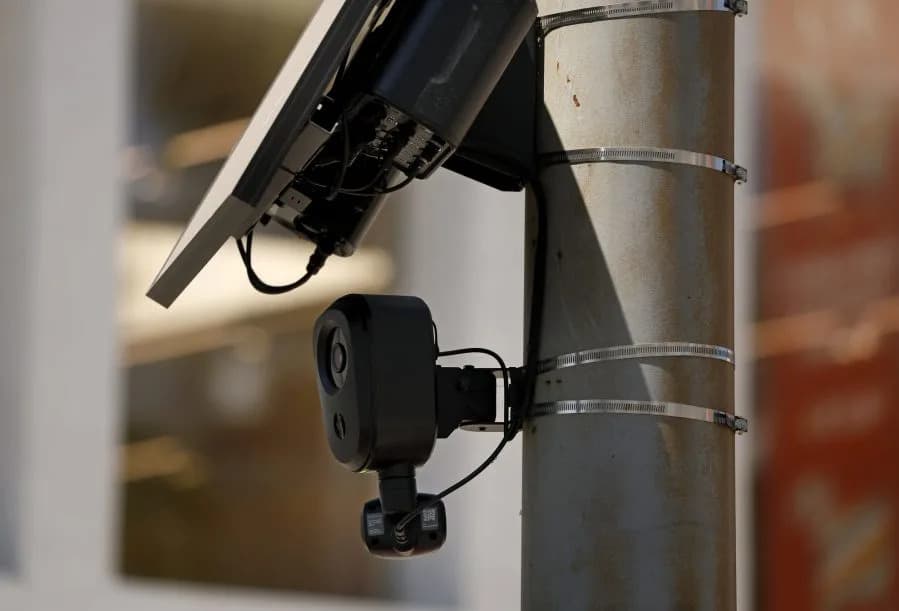
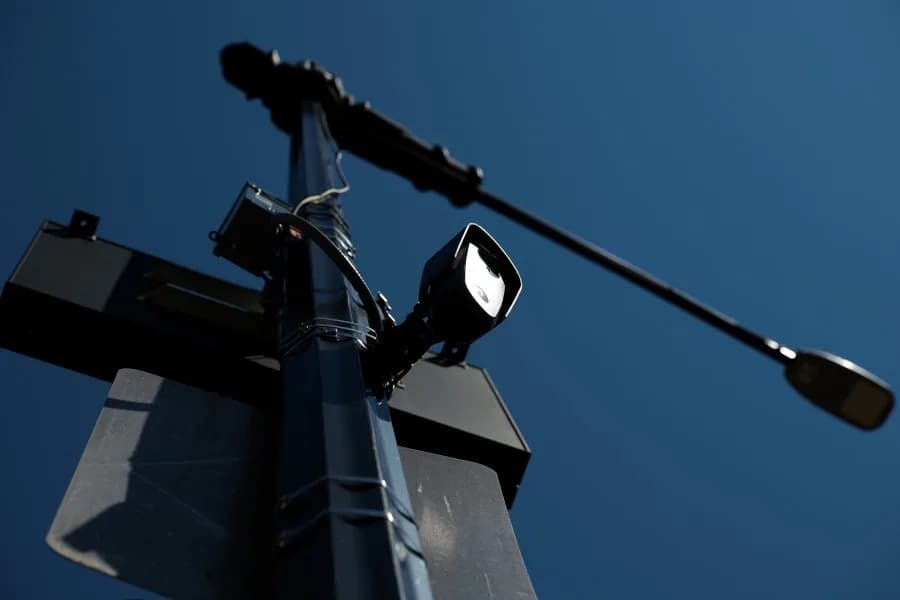
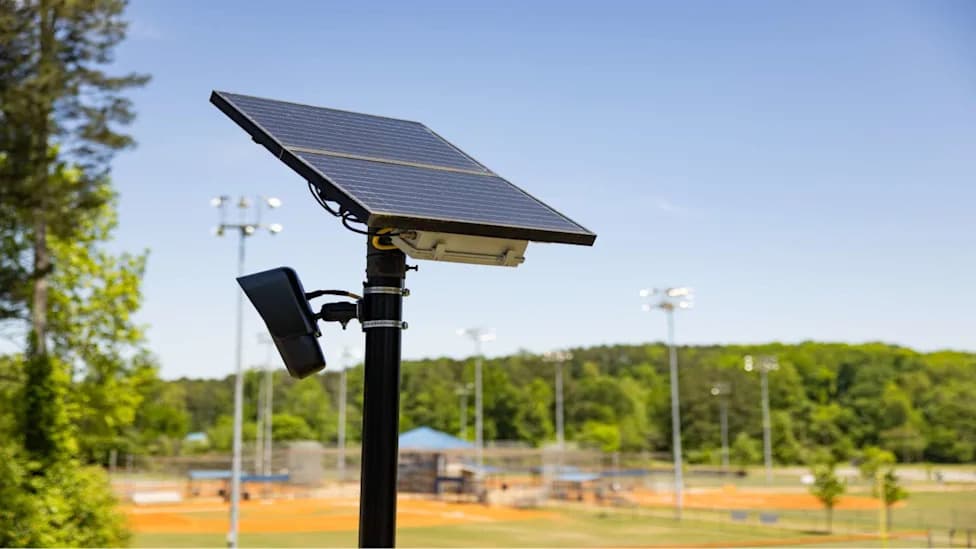
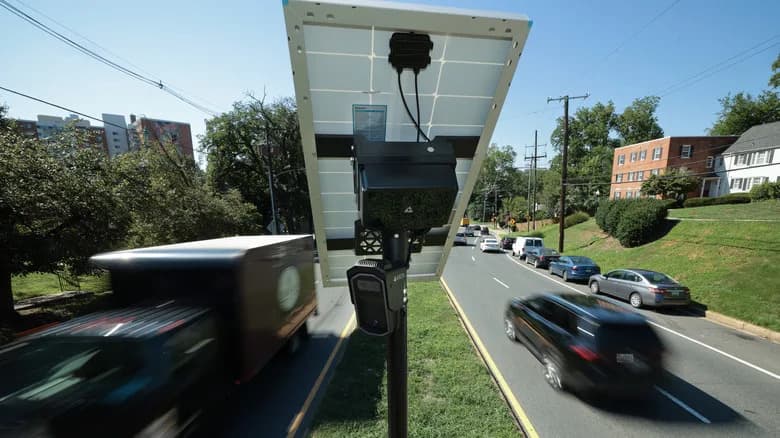
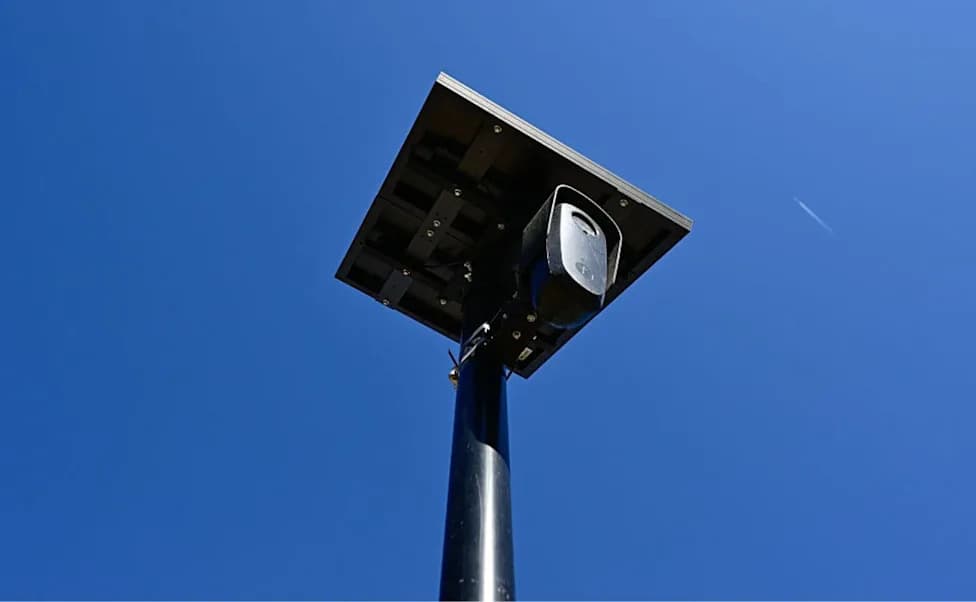
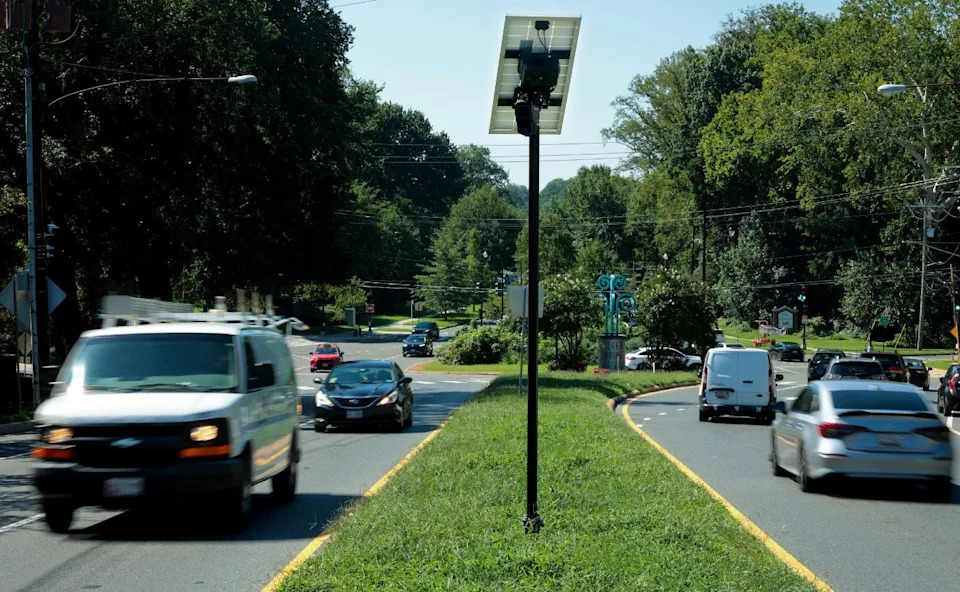
Automated license plate readers (ALPRs) — small, AI-enabled cameras that photograph passing vehicles and convert those images into searchable data — are at the center of a growing national controversy over privacy and public safety.
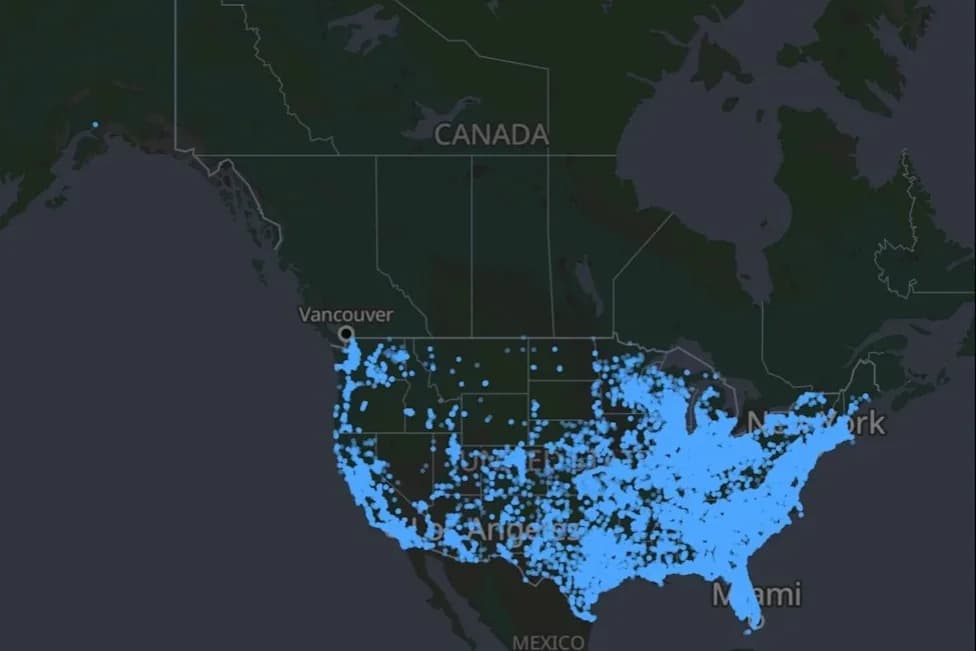
More than 130,000 ALPRs now operate on U.S. streets, and a single manufacturer, Flock Safety, supplies cameras used by over 5,000 law enforcement agencies. Flock says its systems help police identify suspects, make arrests and reduce crime. But a series of misuse cases, privacy concerns, and legal challenges have inflamed public opposition.
Abuse, Legal Challenges and Public Pushback
Members of some police departments have misused ALPR data. Notable incidents cited by reporting and lawsuits include:
- In April 2023, a Kansas officer was sentenced to 18 months of probation for using a Flock camera to stalk his estranged wife.
- In March 2026, a Florida officer was fired and arrested for using ALPR data to stalk a woman he had previously harassed on a television set.
- In October 2021, activists sued several California police departments, alleging they improperly shared ALPR information with out-of-state and federal agencies, including U.S. Immigration and Customs Enforcement (ICE).
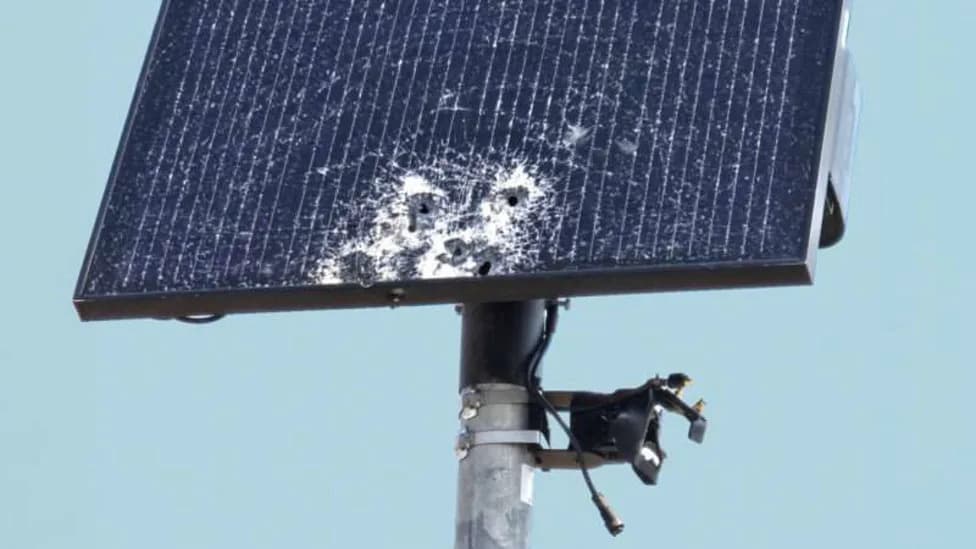
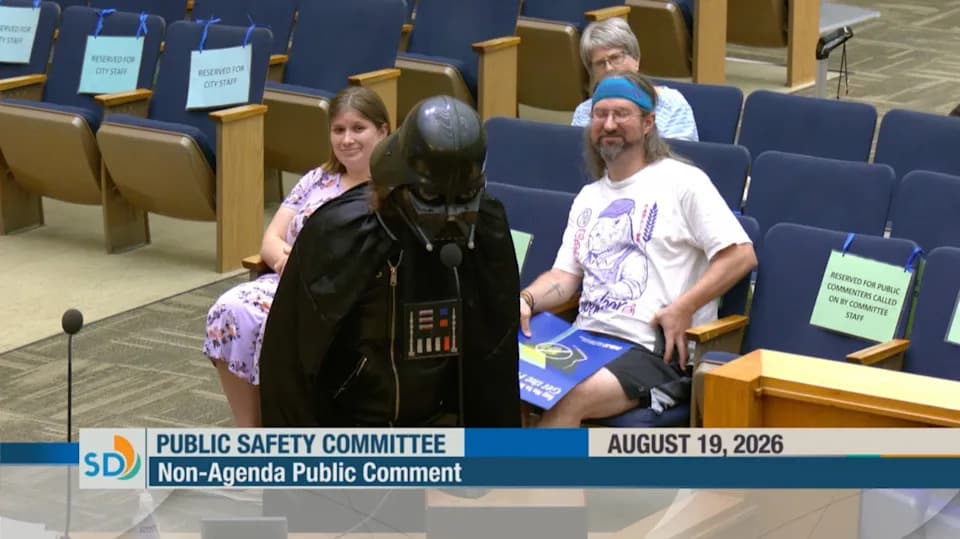
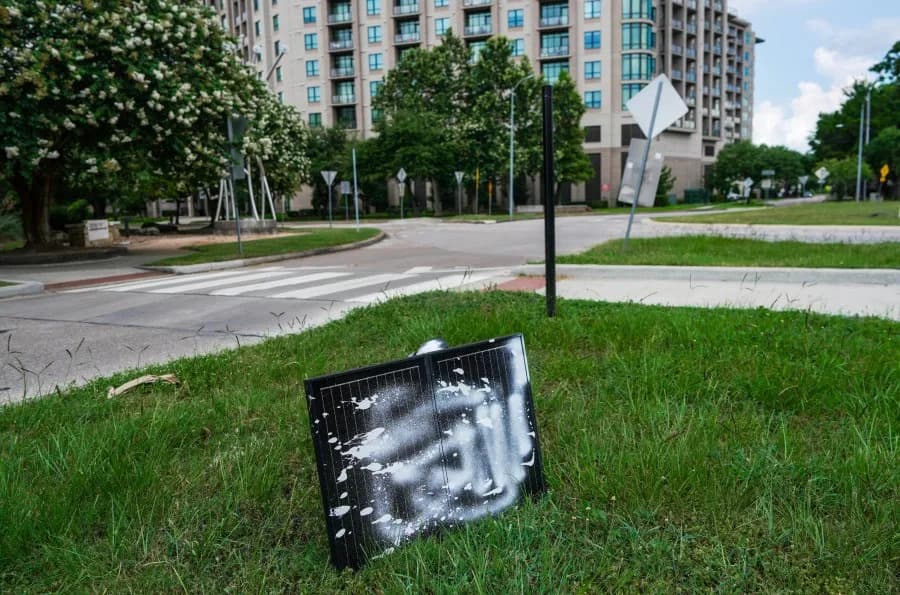
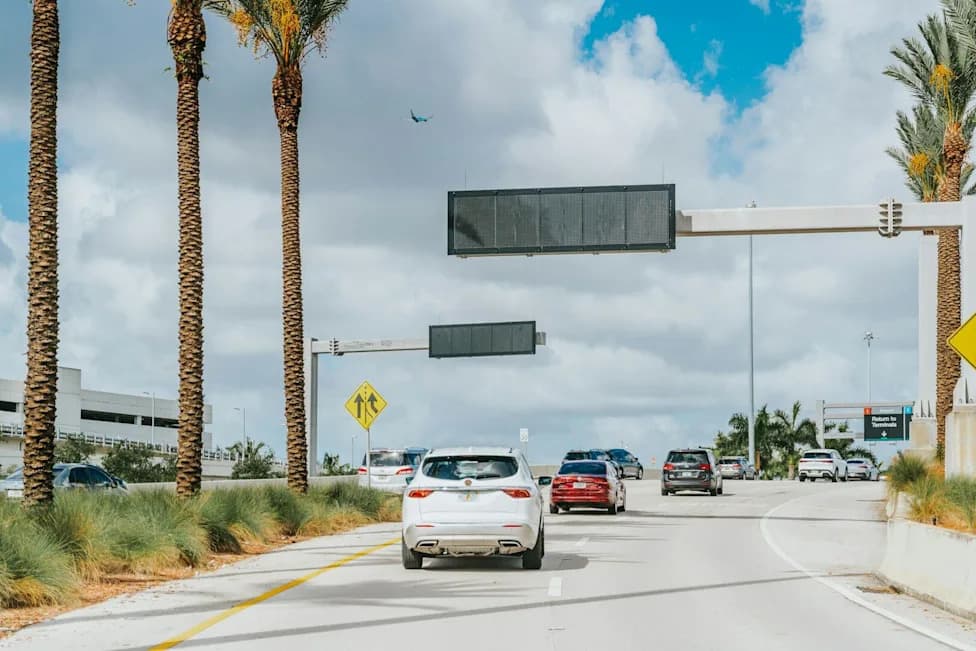
Public pressure has produced concrete policy responses: cities across the U.S. have canceled or rejected contracts with Flock, and in September 2026 Florida’s Department of Transportation revoked permits for ALPRs on its highway system. Still, for many opponents this has not gone far enough — in at least 36 states, activists have destroyed or disabled ALPR units rather than wait for officials to act.
Getty Images
Historical Echoes: Surveillance and Rebellion
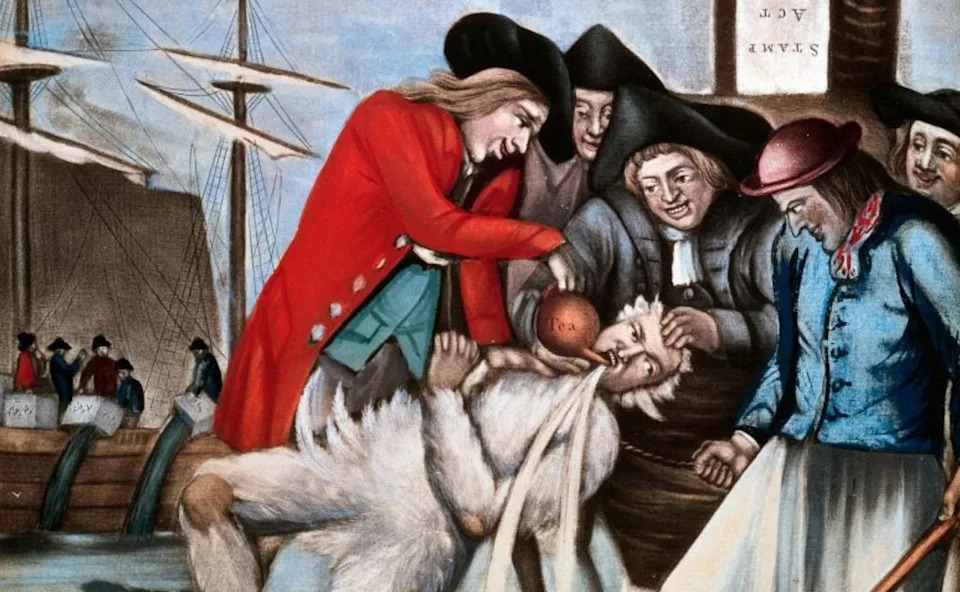
As a historian of the American Revolution, the author argues that the modern backlash against ALPRs echoes colonial resistance to expanding imperial surveillance and control in the 18th century. That resistance included nonviolent boycotts as well as destructive direct actions, culminating in the Boston Tea Party of Dec. 16, 1773.
The article traces the pattern: after 1763 Britain sought to extract greater revenues from the colonies and extended its authority into local life. Many colonists resisted by evading regulations, staging boycotts, and — when they judged it necessary — resorting to direct, sometimes violent protest. British attempts to clamp down, including stationing troops in cities like Boston and imposing the Coercive Acts in 1774, only deepened opposition.
Samuel Adams (June 1771): “We ... are united in the main principles of constitutional & natural liberty.”
The author links that dynamic to today: when citizens perceive surveillance technologies as an expansion of intrusive power, grassroots resistance can intensify — sometimes peacefully, sometimes not.
Responses From Industry
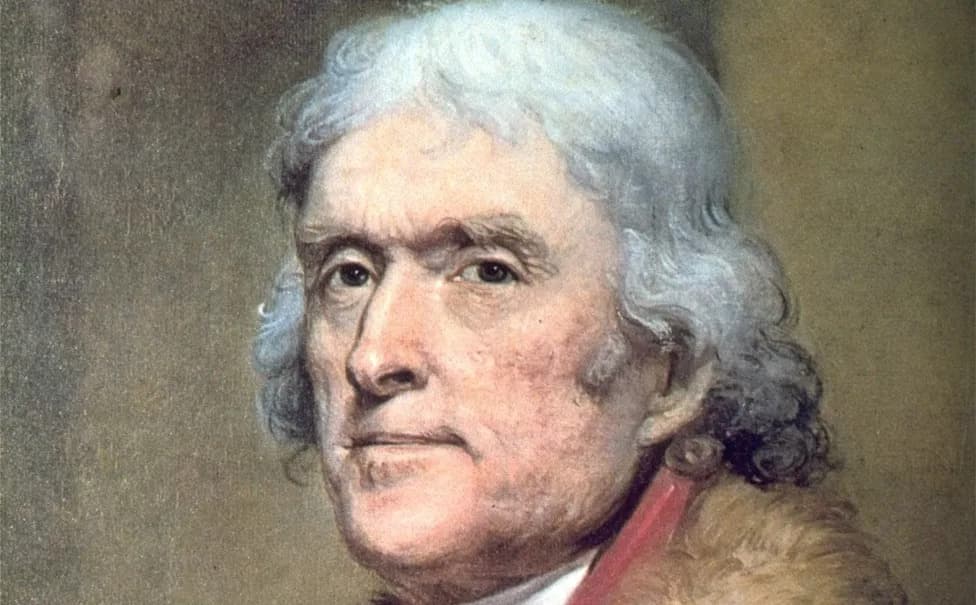
Flock Safety’s CEO, Garett Langley, has appealed to historical precedent. In a June 2026 post on the company website he argued critics had misread Benjamin Franklin’s famous line: “Those who would give up essential liberty to purchase a little temporary safety deserve neither liberty nor safety.” In an August 2026 interview Langley compared the debate to the auto-safety era: rather than ban cars after a rise in traffic deaths, lawmakers mandated seat belts and airbags; he suggested Americans should be willing to consider privacy “compromises” in the name of public safety.
Getty Images
Opponents see that reasoning differently: they worry such trade-offs normalize pervasive, persistent surveillance and make abuses more likely.
Why This Matters
The dispute over ALPRs raises core questions about how democracies balance public safety, individual privacy, and accountability. It also underscores how historical narratives — about liberty, surveillance and resistance — continue to shape contemporary debates.
By G. Patrick O’Brien, Assistant Professor, Department of History, Geography, and Legal Studies, University of Tampa.
This article is republished from The Conversation under a Creative Commons license.
Help us improve.