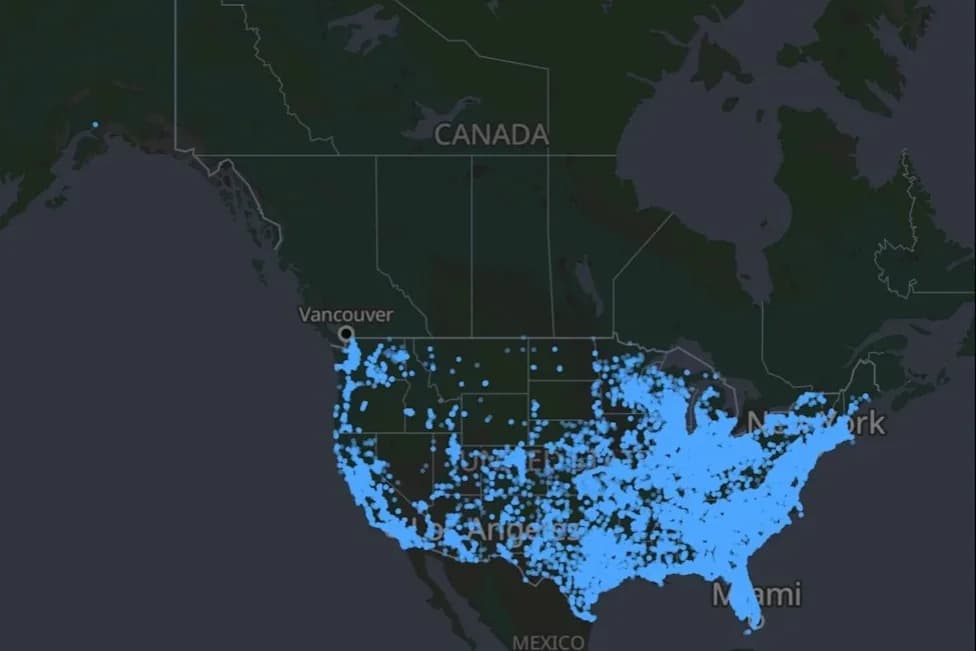
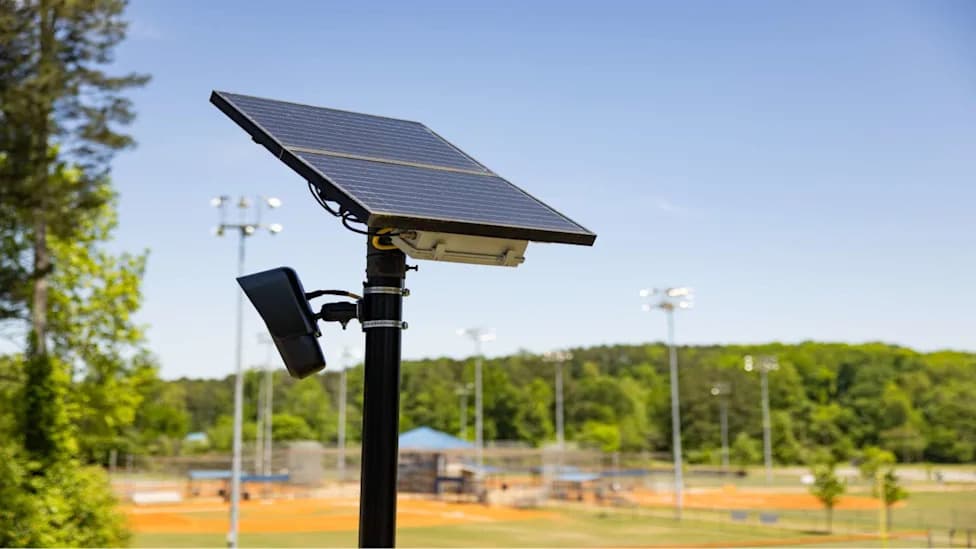
The controversy over Flock’s ALPR network has led some cities and Florida to curb deployments, but privacy advocates warn many other companies can provide equal or greater surveillance. CB Insights and public reports list dozens of alternatives—Axon, Verkada, Coram AI, Rekor and others—that offer continuous tracking, video linking, natural-language search and real-time alerts. The ACLU offers a toolkit with model legislation to help communities remove ALPRs, but advocates say legal limits and persistent pressure are needed to stop vendor swaps from preserving pervasive tracking.
Flock Cameras Aren't The Only License-Plate Trackers — Cities Could Just Swap One Vendor For Another
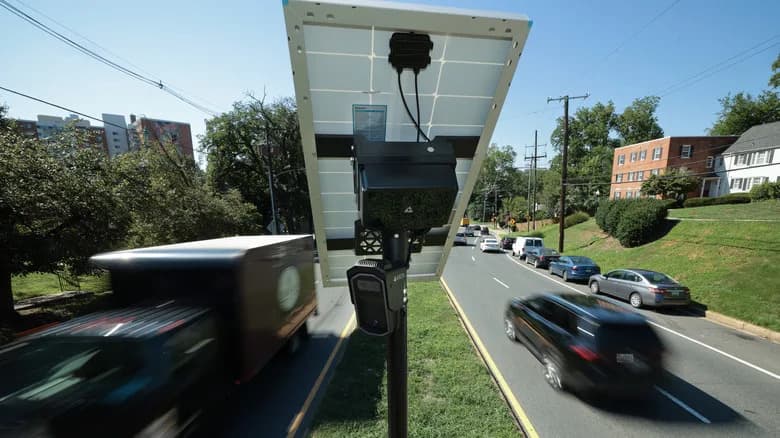
Chip Somodevilla/Getty Images
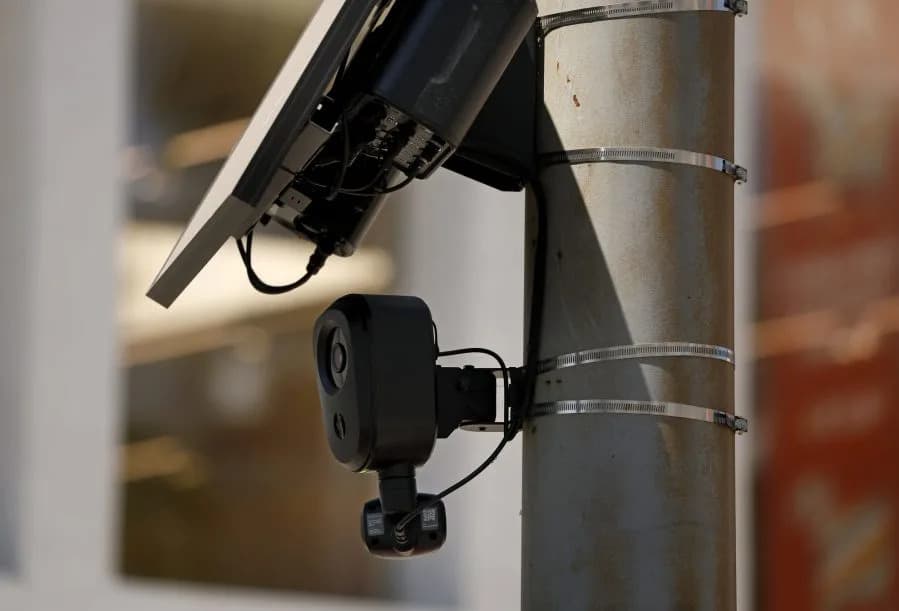
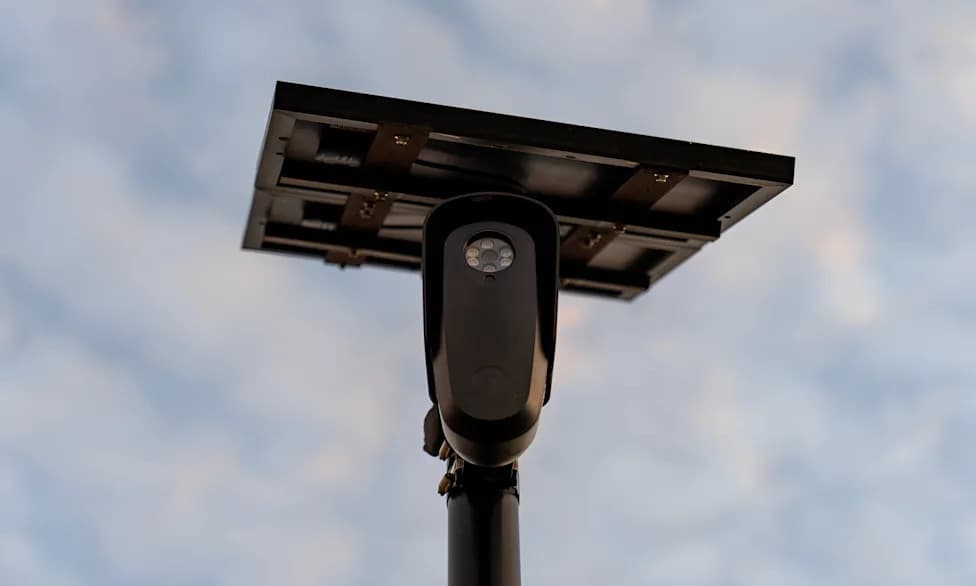
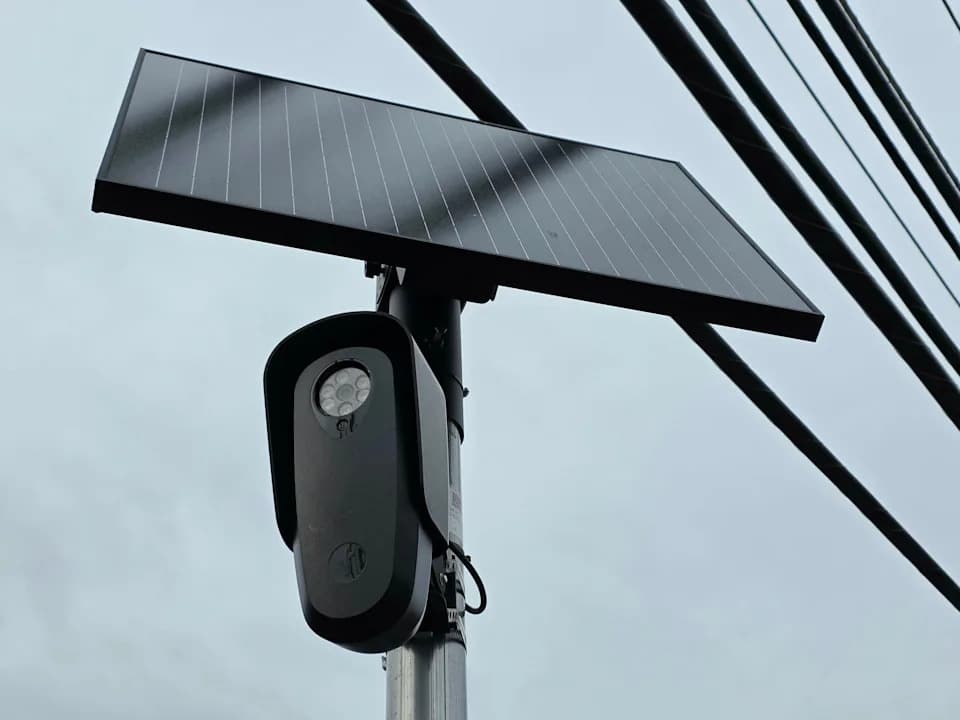
Public backlash over Flock’s automatic license-plate reader (ALPR) network has forced some local governments to cover devices and prompted Florida to move toward restrictions. Grassroots campaigns and city councils have begun to push back, and some communities have won pauses or contract reviews. But privacy advocates warn this may be only a partial victory: multiple companies are ready to provide the same—or even more intrusive—capabilities.
Many Alternatives Are Waiting In The Wings
Axon is the most widely reported alternative, but the ALPR and integrated camera market is crowded. Research firm CB Insights lists a long roster of competitors, and public reporting identifies additional vendors. Companies named as potential Flock replacements include:
- Axon
- Verkada
- Coram AI
- Eagle Eye Networks
- Voxel
- Dataminr
- Hanwha Vision
- FacilityOS
- Cloudastructure
- Citizen
- Rhombus
- Motorola Vigilant
- Rekor
- Genetec AutoVu
- PlateSmart
What Makes These Replacements Concerning?
Many vendors pitch features that go beyond simple plate reads at fixed entry points—continuous tracking, automated linking of plate reads to archived video across a site, natural-language search of footage, and real-time alerts for events like a flagged vehicle or an object detection (for example, a firearm or a fall).
Coram describes its product as “an AI-native physical security platform that connects to any existing IP camera and unifies video surveillance, access control, LPR, and emergency management in a single cloud-managed system.” The company says it can track vehicles, attach related video across a site, search footage with natural language, and trigger real-time alerts without requiring new cameras.
The so-called no-rip-and-replace model is particularly attractive to cash-strapped municipalities: software upgrades can work with already-installed cameras, avoiding large capital expenditures while offering subscription-based machine-learning features some older ALPR vendors do not provide. That business model makes vendor swaps an easy option—but not necessarily one that reduces surveillance.
Advocacy, Tools, And The Path Forward
The American Civil Liberties Union (ACLU) has long criticized ALPR networks and is broadening its focus beyond a single vendor. The organization maintains a public toolkit that includes sample resolutions and model state and local legislation to help communities remove or limit ALPR deployments and end municipal contracts.
Advocates emphasize that durable change requires more than swapping vendors: it needs legal limits, transparency about data retention and sharing, strict contract terms, and sustained political pressure. Without those protections, replacing one provider with another simply preserves the underlying surveillance capability—and the financial incentives that sustain it.
Bottom line: Rolling back Flock’s network matters, but it’s only the beginning. True limits on vehicle tracking will require policy change, community oversight, and contract terms that prevent substitution with equally invasive systems.
Help us improve.