Asian swamp eels (Monopterus spp.) have established and expanded across parts of Florida since their first Everglades record in 2007. They breathe air, burrow in mud and tolerate drought, allowing them to persist where other fish cannot. Studies link them to dramatic declines in crayfish, fish and amphibians (some species down by >90%). Managers use eDNA surveillance, trapping, electrofishing and public reporting to track and reduce populations.
Hidden Invader: Asian Swamp Eel Rapidly Spreading Across Florida Wetlands
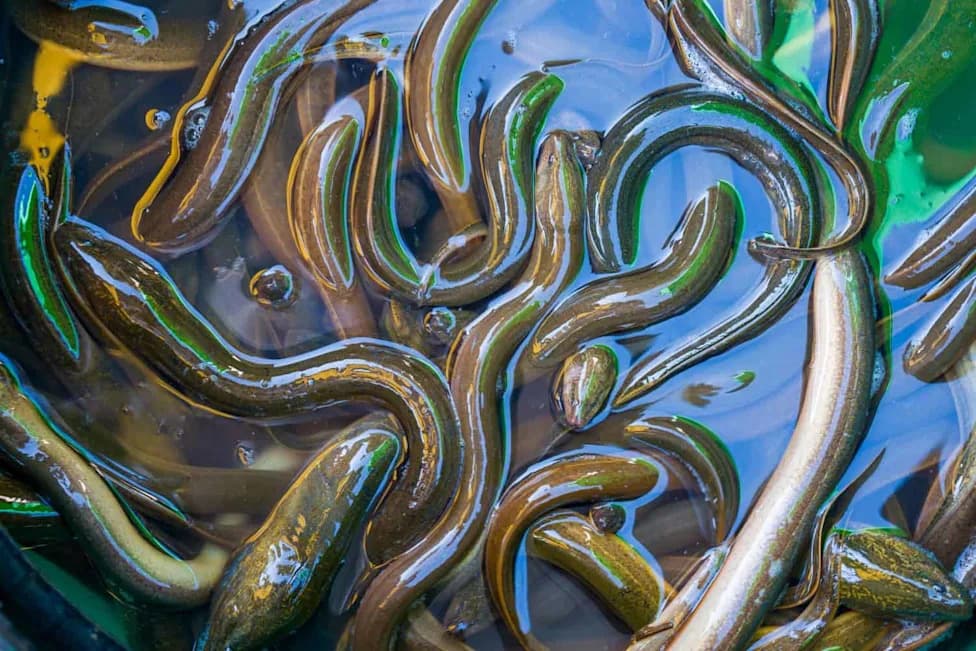
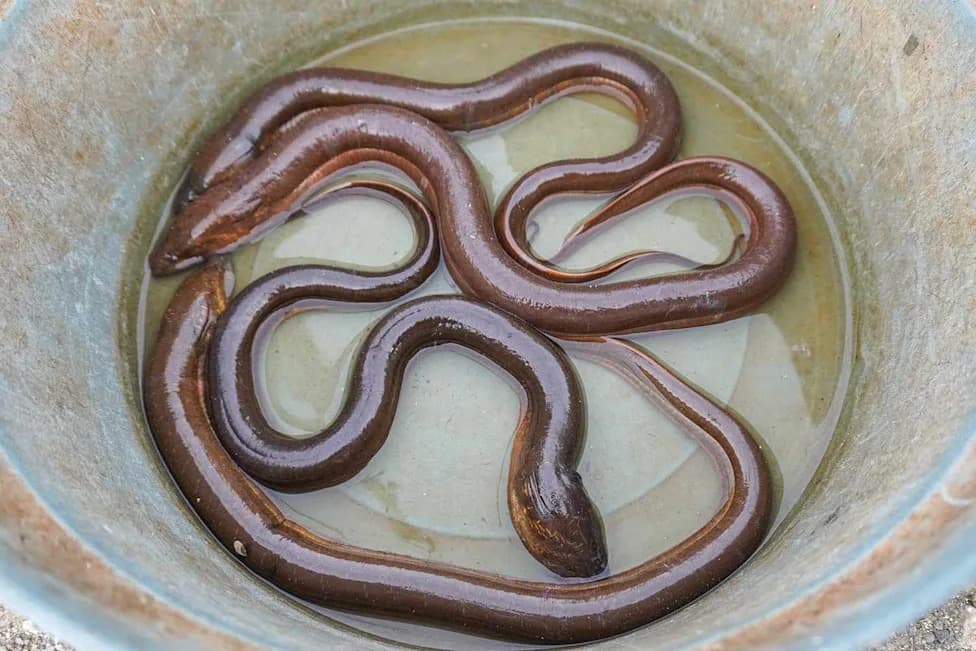
Full frame of Asian Swamp Eel or Monopterus albus, is an air-breathing species of fish in the family Synbranchidae. Photographed at close range in the farms pond ready to harvest.© Fajar Tri Amboro/Shutterstock.com
Florida is famous for its exotic wildlife, but a quieter, less conspicuous invader is reshaping parts of the state's wetlands: the Asian swamp eel (Monopterus species complex). Though it lacks the dramatic appearance of pythons or alligators, this secretive predator poses a serious ecological threat because of its nocturnal habits, air-breathing ability, drought tolerance and broad diet.
Why this eel is a problem
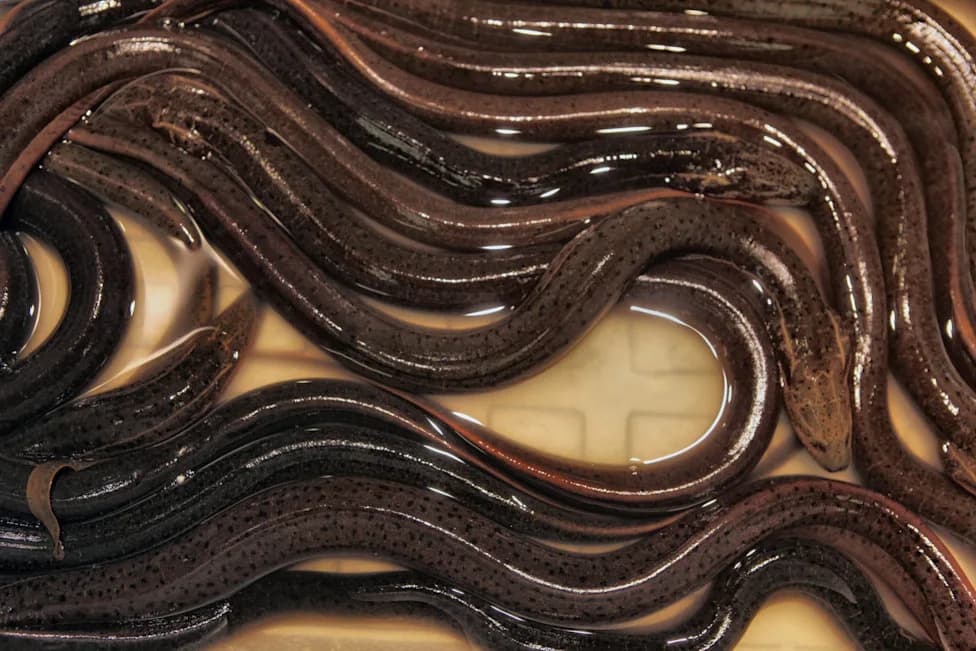
Asian swamp eels can breathe air and survive in low-oxygen waters, burrow into mud during dry periods, and move short distances overland. Those traits allow them to persist through fluctuating water levels in habitats such as the Everglades where many native fishes and invertebrates cannot. As generalist predators, they feed on small fish, crayfish, amphibians and other aquatic invertebrates.
Spread and status in Florida
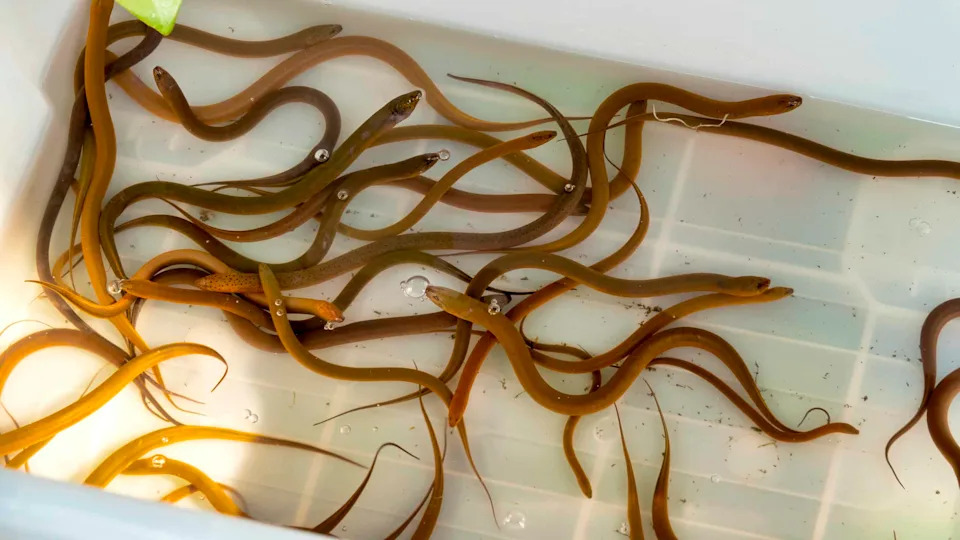
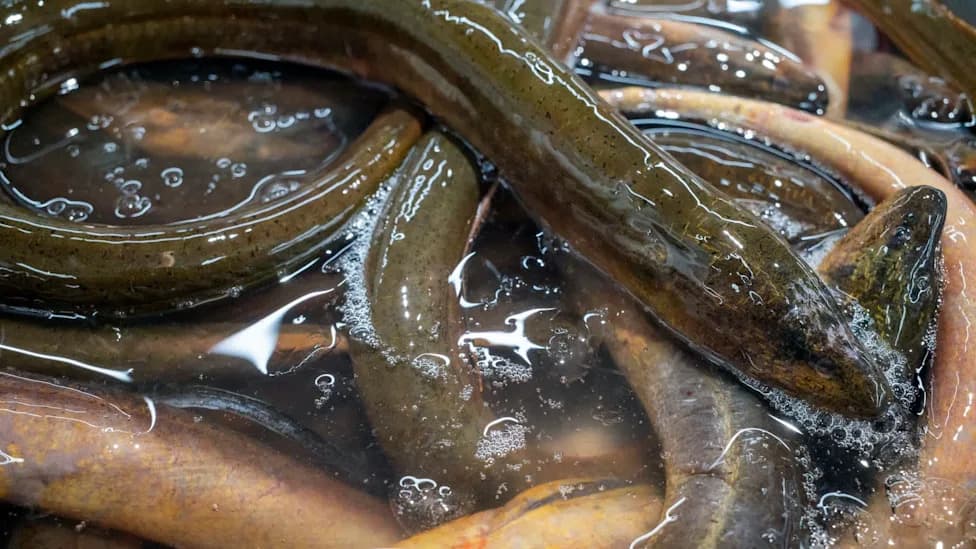
Asian swamp eels are native to southeast Asia but have been introduced into Florida and Georgia in the United States.©iStock.com/only_fabrizio
Scientists first documented the species in the Florida Everglades in 2007. A South Florida Environmental Report tracked the eel's detected range at roughly 1,500 km² from 2007–2017; by 2022 that documented area had expanded to about 5,800 km² as the eel moved west and north. Today Asian swamp eels have been recorded in 14 Florida hydrologic units, including waters connected to the Everglades, Lake Okeechobee and Tampa Bay. While exact statewide abundance is unknown, the species is established, reproducing and has reached high local densities in parts of the Everglades.
Ecological impacts
Research and long-term monitoring link the eel's presence to steep declines in several native species. A 26-year analysis cited in the South Florida Environmental Report associated eel presence with a 99% reduction in two native crayfish species. Several fish species showed dramatic decreases—golden topminnow and eastern mosquitofish fell by more than 50%, while flagfish and marsh killifish declined by over 90%. Amphibians are also affected: the southern leopard frog has reportedly disappeared from portions of the Everglades south of Interstate 75 where eels are established. These losses reverberate through the food web and alter wetland ecosystem function.
Monitoring and control efforts
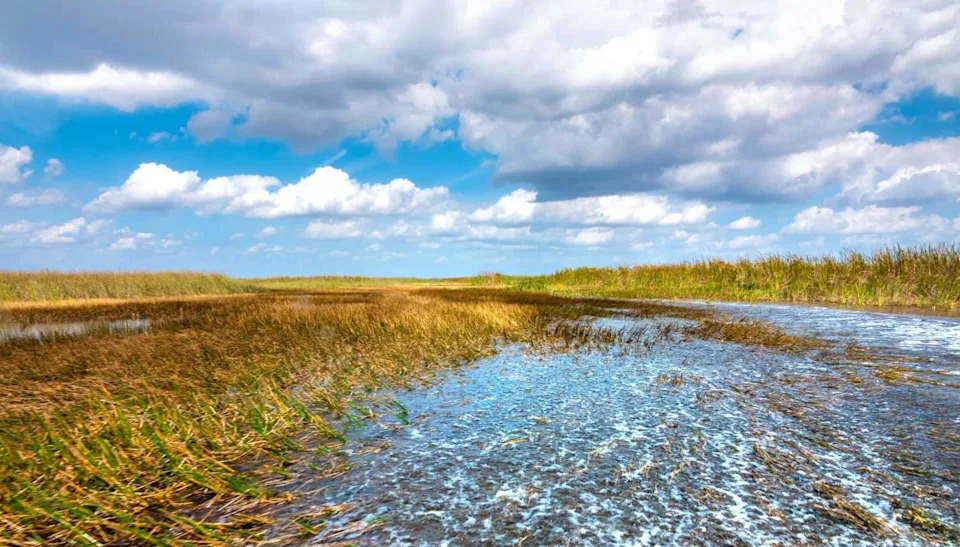
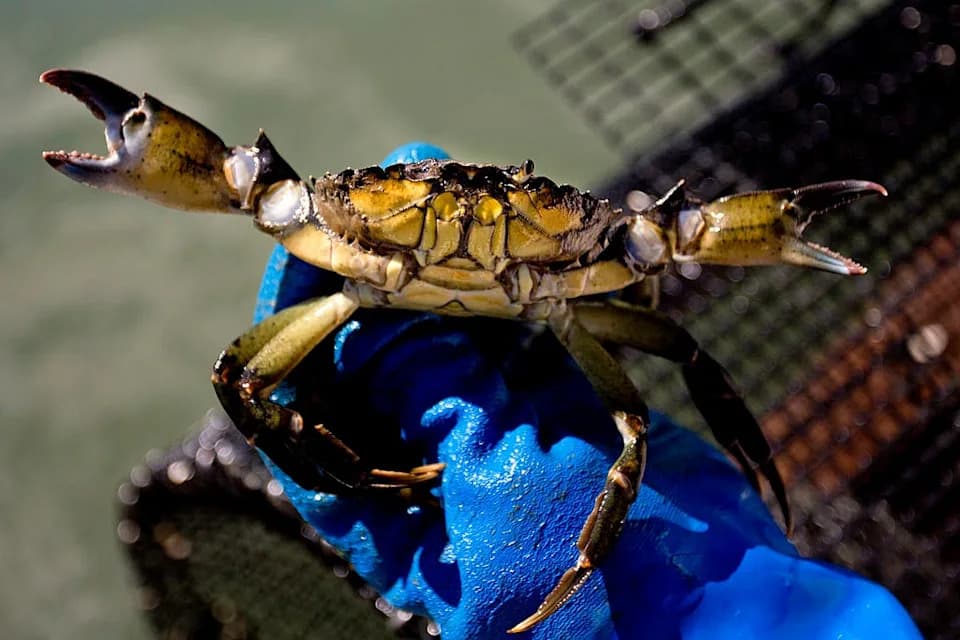
Local Floridians can help with this issue by reporting the eels and other strange creatures in the waterways.©LouieLea/Shutterstock.com
Managers are using a mix of surveillance and removal tools. Environmental DNA (eDNA) sampling detects trace DNA animals leave in water and serves as an early-warning system to identify likely eel locations without needing to see individuals. After locating hotspots, researchers test trapping methods, bait choices and targeted removal techniques; electrofishing (temporarily stunning fish to capture them) has shown promise in some contexts.
How the public can help
Citizens play an important role. Do not release non-native pets into the wild—use Florida's Exotic Pet Amnesty Program if you need to surrender an animal. Report sightings of Asian swamp eels or other unusual aquatic species through IveGot1.org, the IveGot1 mobile app, or by calling 1-888-IVEGOT1. Local reports improve detection, help prioritize control efforts and increase the odds of limiting further spread.
Outlook
If left unchecked, the eel's impacts are likely to grow. Continued research, combined with persistent monitoring, targeted removals and community reporting, offers the best chance of protecting native wetland communities and slowing the invader's expansion.
Help us improve.