Asian swamp eels (Monopterus albus) have been detected in the Arthur R. Marshall Loxahatchee National Wildlife Refuge in Palm Beach County, signaling that the invasive species may be establishing across South Florida wetlands. FIU ecologist Nathan Dorn confirmed the finding and warns the eels likely feed on crayfish, frogs and small fish that sustain native wading birds, potentially disrupting the Everglades food web. The species tolerates dry periods and colder temperatures, spreads readily through canals, and has been recorded across Miami‑Dade and near Tampa. Authorities urge the public to photograph and report sightings via IVEGOT1.org, the IVEGOT1 app, or 888‑IVEGOT1.
Air‑Breathing Asian Swamp Eels Detected in Loxahatchee Refuge, Raising Alarm for the Everglades
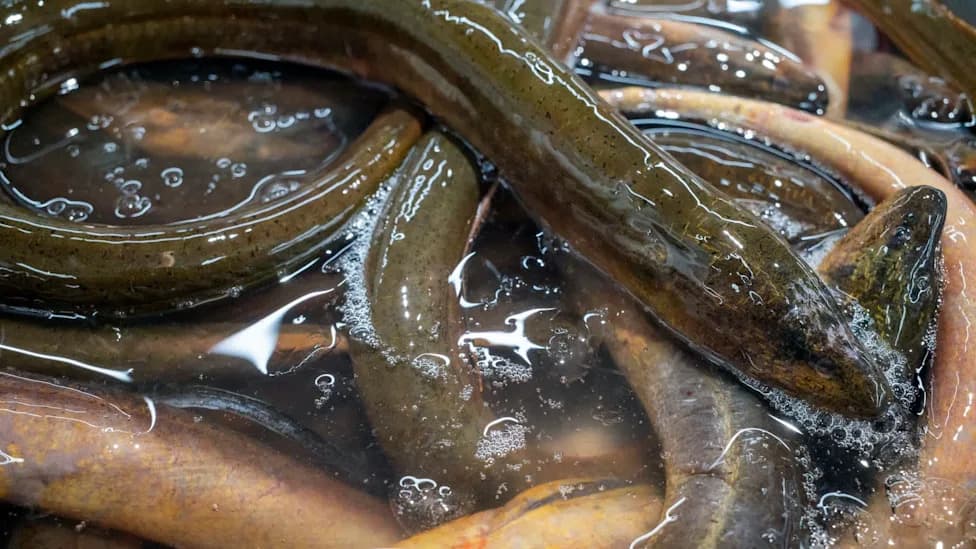
Photo Credit: iStock
Asian swamp eels have been confirmed inside Palm Beach County's Arthur R. Marshall Loxahatchee National Wildlife Refuge, a discovery scientists say could complicate Everglades restoration and harm native wildlife.
Florida International University aquatic ecologist Nathan Dorn said his lab verified the finding and believes the eels likely arrived in 2024. Dorn and other experts say the invasive, slime‑coated fish probably prey on crayfish, frogs and small fish — species that support native wading birds and other wildlife. When a nonnative predator reduces populations lower in the food web, effects can ripple upward and degrade habitat quality.
Why This Matters
Asian swamp eels (Monopterus albus) possess traits that make them especially difficult to control: they can breathe air and survive dry spells, tolerate colder temperatures than many tropical species, and are hard to trap. Those characteristics help them persist through environmental changes and spread into new waterways, increasing the risk to wetland ecosystems and to restoration efforts that depend on healthy native communities.
The U.S. Geological Survey has records of Monopterus albus across Miami‑Dade County (including Hialeah, Kendall, North Miami, Homestead and Pembroke Pines). The Florida Fish and Wildlife Conservation Commission reports the species is common in Southeast Florida canals and has been found near Tampa in the Little Manatee River and Bullfrog Creek drainages.
“This animal may be coming to your water bodies soon and, in terms of threat to the Everglades, this is a big threat,” said Nathan Dorn, stressing the urgency of early detection and public reporting.
How To Tell One Apart
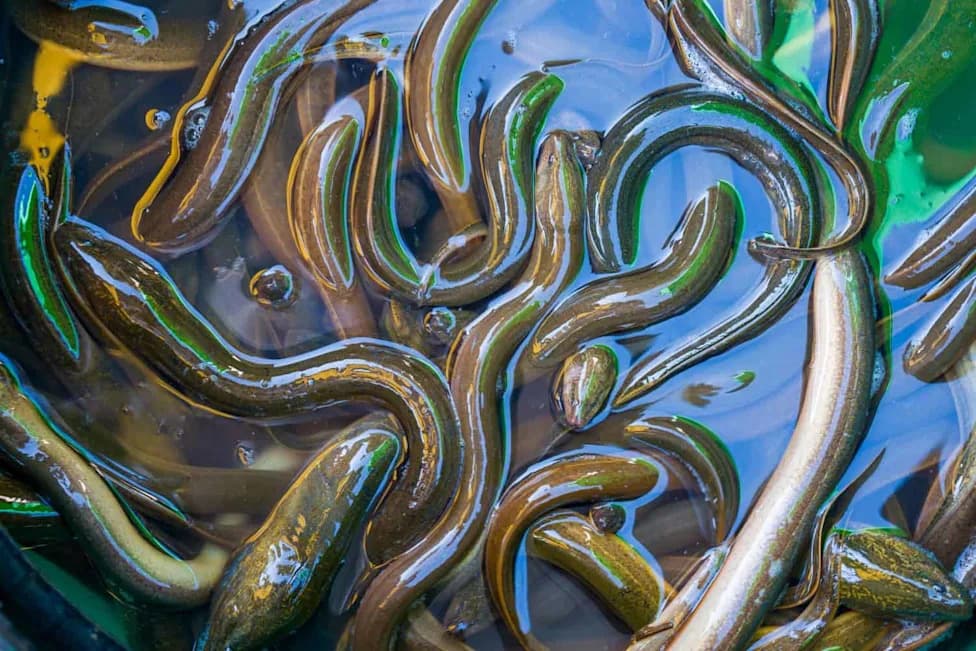
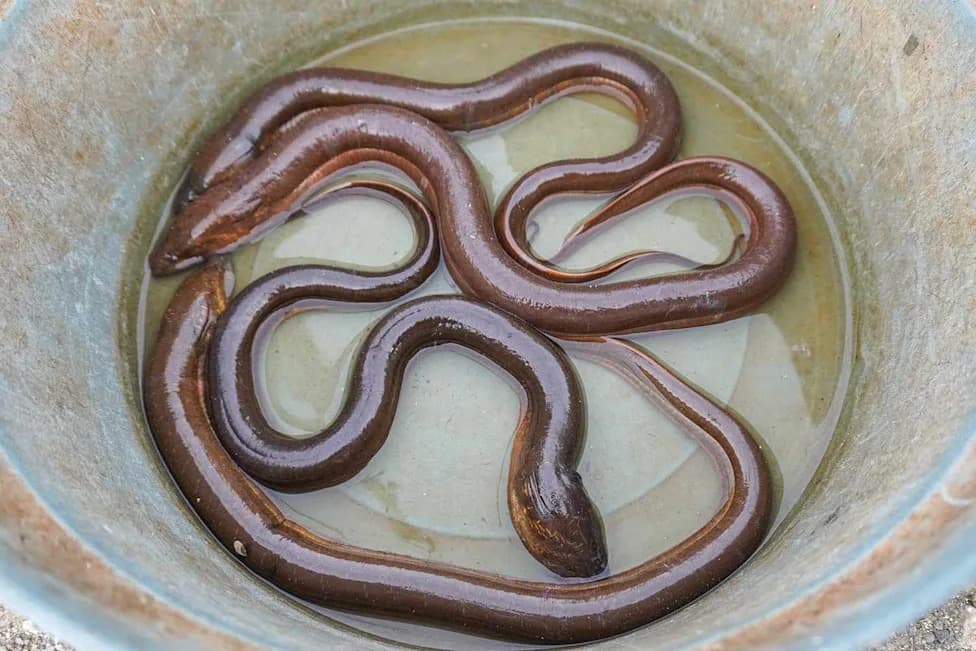
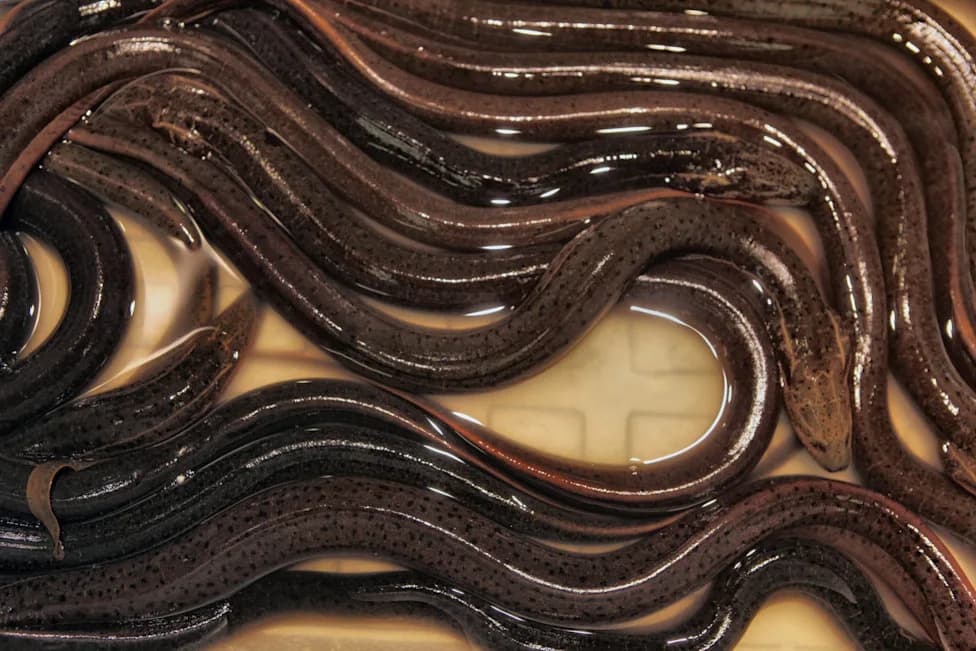
Asian swamp eels can resemble native American eels or lampreys but have distinguishing features: they lack the pectoral fins seen on American eels and — unlike lampreys — they have true jaws. Typical coloring in Florida is olive or drab brown with yellow‑orange bellies, though some individuals are bright orange, pink or calico. They can reach three feet or more and often hide during the day in muddy canal bottoms and shallow wetlands.
How You Can Help
Authorities ask the public to photograph any eel‑like fish and report sightings to IVEGOT1.org, the IVEGOT1 mobile app, or by calling 888‑IVEGOT1 (888‑483‑4681). Frank Mazzotti of UF/IFAS emphasized: “These fish are difficult to find, and that's exactly why we need the public's help. We can't be everywhere all the time, but collectively, the public can.”
Examples from elsewhere show how invasive aquatic species can upend ecosystems — from tilapia control efforts to protect Mary River cod in Australia, to zebra mussels threatening Colorado River supplies, European green crabs damaging Pacific coast habitats, and mass removals of invasive mystery snails in Ontario.
Timely reporting and coordinated management improve the chances of limiting spread and protecting the Everglades' biodiversity, water benefits and recreational and economic values.
Help us improve.