Astrid Schomaker, head of the UN Convention on Biological Diversity, says many companies remain "on the sidelines" despite recognising biodiversity risks. A UN draft progress report finds governments are missing 22 of 23 Kunming-Montreal targets, putting the 2030 goal to halt and reverse nature loss at risk. Practical, financial and measurement challenges plus weak disclosure rules are slowing responses, while only a small share of countries have identified harmful subsidies—about $270bn a year.
UN Biodiversity Chief: Companies Still Sideline Nature as World Misses Almost All 2030 Targets

Companies still ignoring nature loss as world misses almost all its 2030 targets, says UN biodiversity chief
Astrid Schomaker, executive secretary of the UN Convention on Biological Diversity, warned that many companies remain "on the sidelines" despite recognising that biodiversity loss threatens supply chains and profits. Her remarks came ahead of preparatory talks in Nairobi for the 17th meeting of the parties to the convention in Armenia, which will carry out the first full review of the Kunming-Montreal Global Biodiversity Framework.
UN Draft Finds Most Targets Off Track
A draft UN report on global progress — now peer-reviewed and due for final editing ahead of the Armenia summit — finds countries are falling short on 22 of the framework's 23 targets. The framework, agreed in Montreal in 2022, set ambitious goals including protecting 30% of land and sea by 2030, restoring degraded ecosystems and phasing out subsidies that harm nature. The draft warns that the goal of halting and reversing nature loss by 2030 will not be met unless action accelerates rapidly.
Why Corporations Are Slow To Act
Schomaker said companies are not investing enough time, energy or resources into analysing biodiversity impacts, dependencies and supply-chain risks. She attributed the slow response to both practical and financial obstacles: firms are often slow to measure exposure, and many governments have not yet required disclosure of nature-related risks.
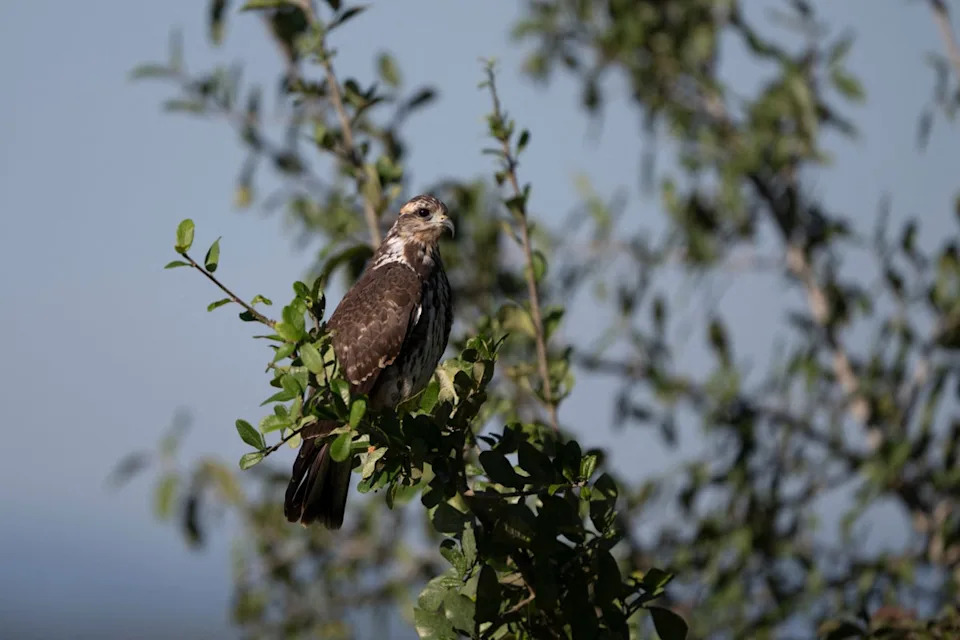
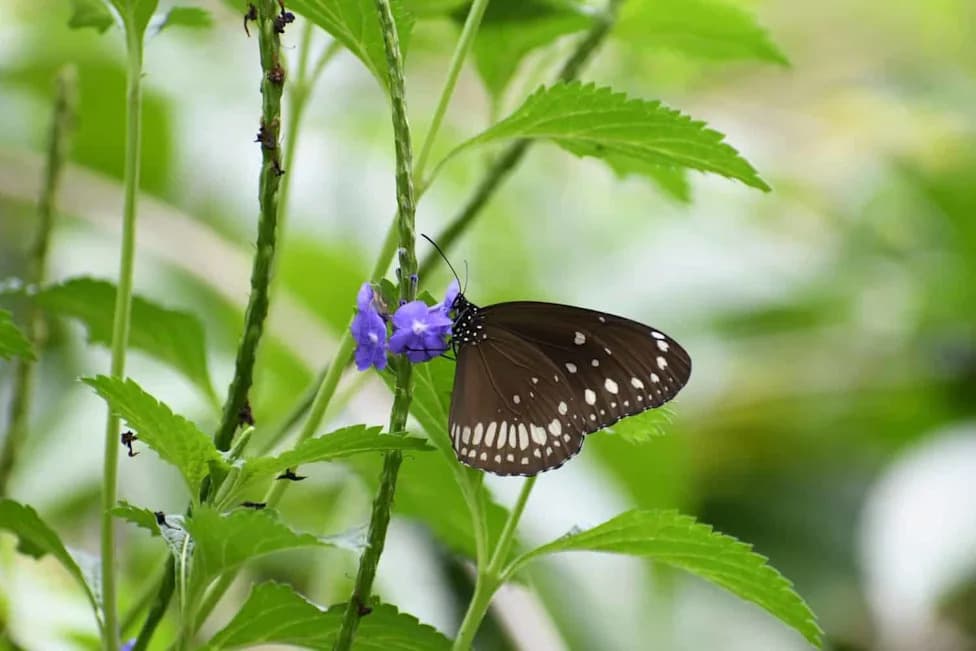
A gaviao caramujeiro, snail kite (Rostrhamus sociabilis) is pictured at the Pantanal, a key region along birds' migratory routes in the Americas, in the municipality of Miranda in Mato Grosso do Sul state, Brazil (AFP/Getty)
"The paradox is that biodiversity and nature risk has been amongst the top risks for the past five or six years," Schomaker told Reuters. "So in a way they are aware that there's a risk, but companies are not yet acting on it."
Measuring nature-related risk is more complex than measuring carbon emissions because it is place-specific: a company's exposure depends on the particular river, forest or fishery its operations and suppliers rely on, rather than on a single global metric.
Subsidies, Reporting Gaps And The Road Ahead
One target has already lapsed: countries were expected to identify all subsidies that damage nature by 2025 as a first step toward cutting an estimated $500 billion a year of harmful subsidies by 2030. Analysis by Carbon Brief of 134 national reports indicates only about 21 countries (roughly 16% of those that reported) appear to have completed that identification, while 62 countries submitted no report at all. The subsidies identified total about $270 billion a year, nearly half of which goes to fossil fuels.
Almost every country in the world is party to the Convention on Biological Diversity; notable exceptions are the United States and the Holy See. Delegates in Armenia will review the draft report and consider steps to accelerate action — including stronger disclosure rules and incentives for private-sector engagement.
Key takeaway: Without faster, coordinated action by governments and businesses, the UN warns the 2030 goal to halt and reverse nature loss is in serious jeopardy.
Help us improve.