New PNAS research finds the commonly cited "10% of oceans protected" figure is misleading: due to weak protections and poor enforcement, only about 2% of oceans are covered by MPAs where ecosystems are clearly recovering. The study used reef observations and models linking protection level, compliance, size, and age to estimate real conservation outcomes across global MPAs. Experts warn that area-based targets like 30×30 can encourage "paper parks" and call for a shift toward no-take rules, enforcement, and measurable ecological effectiveness.
Only 2% Of Oceans Are Actually Recovering — Why The '10% Protected' Claim Is Misleading

Marine protected areas aren’t as protected as you think
Earlier this year conservationists celebrated a headline milestone: 10 percent of the world's oceans had been officially designated as marine protected areas (MPAs). But new research published in the Proceedings of the National Academy of Sciences (PNAS) shows that the headline figure can be deeply misleading.
What The Study Found
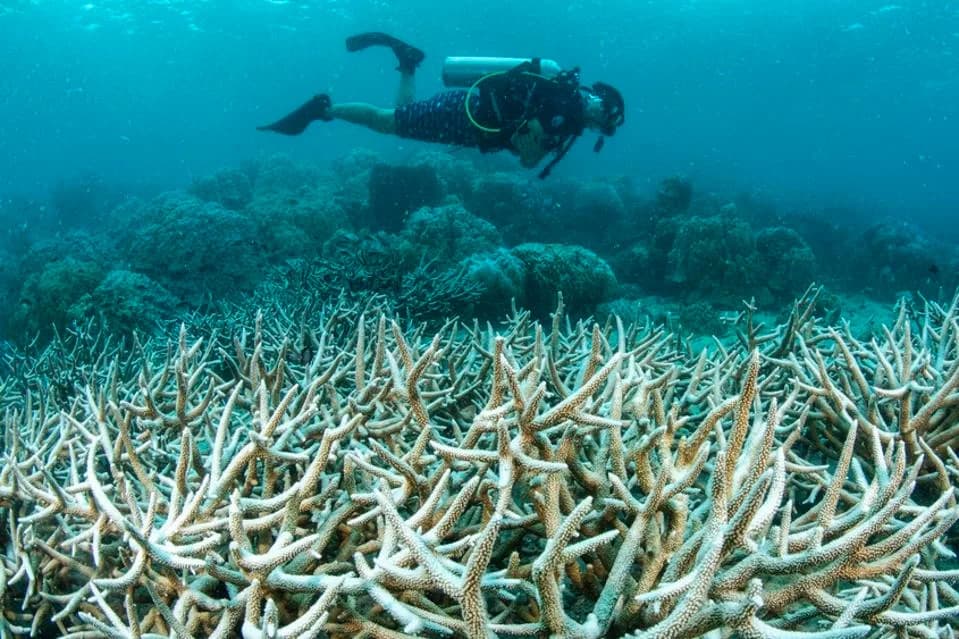
The PNAS study combined observational reef data with statistical models to estimate how protection level, compliance, size, and age affect marine biomass inside MPAs. The authors conclude that, while MPAs nominally cover 10 percent of the ocean, only about 2 percent of the oceans are covered by MPAs where ecosystems are demonstrably recovering. Overall, roughly one-fifth of declared MPA area is what the researchers call "ecologically effective" — typically defined in the paper as contributing to a doubling of fish biomass.
Why So Few Effective Areas?
The study points to two main problems: weak or partial protection (few sites are truly no-take) and widespread noncompliance with fishing restrictions. The authors report troubling examples of poor enforcement, including instances where compliance officers themselves have been observed fishing inside protected zones.
"There’s a large disconnect between what we think is effectively protected globally ... and what’s actually effectively conserving marine ecosystems underwater," said Ella Clausius, lead author and postdoctoral research fellow at the University of Tasmania.
Methods In Brief
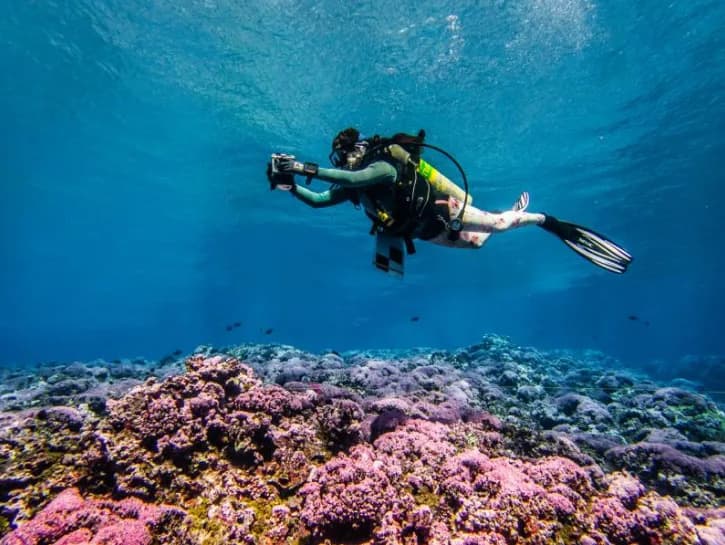
Clausius and colleagues used observational biomass data from several hundred shallow reefs, linked those observed effects to measurable site characteristics (level of protection, compliance, size, age), and then extrapolated to the many MPAs lacking direct surveys. This paired-model approach gives a more realistic estimate of global conservation outcomes than relying on area alone.
Policy Implications
The findings raise questions about the 30×30 approach — the U.N.-backed goal to conserve 30 percent of land and ocean by 2030 — because it emphasizes area rather than ecological outcomes. Experts stress that area-based targets helped mobilize political support and funding, but they can also incentivize the creation of "paper parks" or protections in remote, low-biodiversity locations.
Alternatives and complements to area targets include monitoring protection level and management stage, and using practical indicators such as the NEOLI framework (No-Take, Enforced, Old, Large, Isolated). Researchers also call for better ocean-wide management measures — science-based catch limits, pollution controls, and restrictions on coastal development — in the remaining 70 percent of ocean area where MPAs are not appropriate or feasible.
What Comes Next?
Experts interviewed alongside the study emphasize two priorities: increase enforcement and meaningful no-take zones where appropriate, and shift international conservation metrics toward measurable ecological effectiveness rather than acreage alone. Improving the management and capacity of existing MPAs may yield faster conservation gains than designating more nominally protected area.
This article is based on reporting originally published by Grist and on a PNAS study led by Ella Clausius. Published Sep 23, 2026.
Help us improve.