Researchers placed over 500,000 oyster and clam shells in the Gulf of Mexico off Florida between 2007 and 2024 to help restore habitats damaged by storms and the Deepwater Horizon spill. The shells attracted biofilms, released calcium, and provided hard substrate for juvenile oysters, enabling reefs to re-form. Restored oyster reefs improve water quality (one oyster can filter ~50 gallons/day), protect shorelines and have contributed to biodiversity increases, inspiring similar projects elsewhere.
How 500,000 Discarded Shells Helped Rebuild Gulf Habitats — A Surprising Win For Marine Recovery
Damocean/Getty Images
Throwing trash into the ocean is usually harmful, but an unusual restoration effort in Florida — returning food waste to the Gulf of Mexico — has delivered unexpectedly positive results for marine life and biodiversity.
What Happened
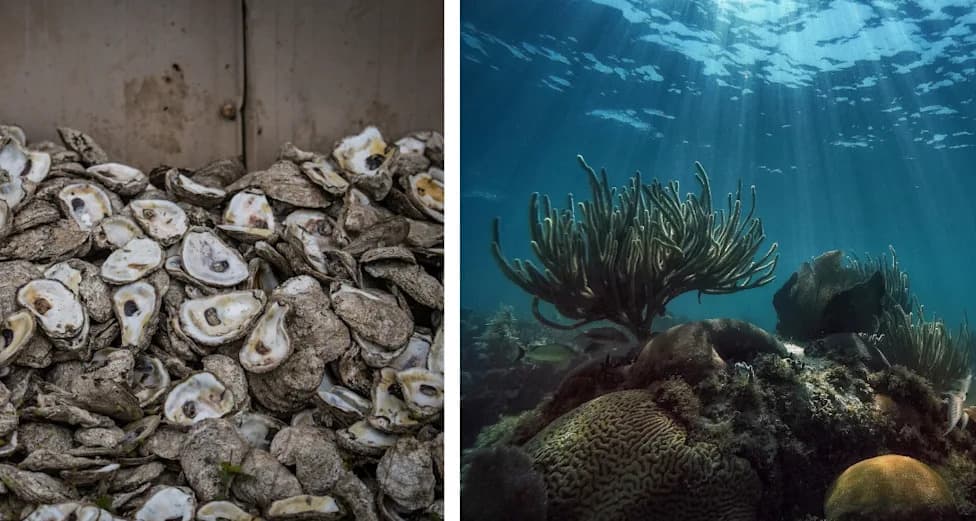
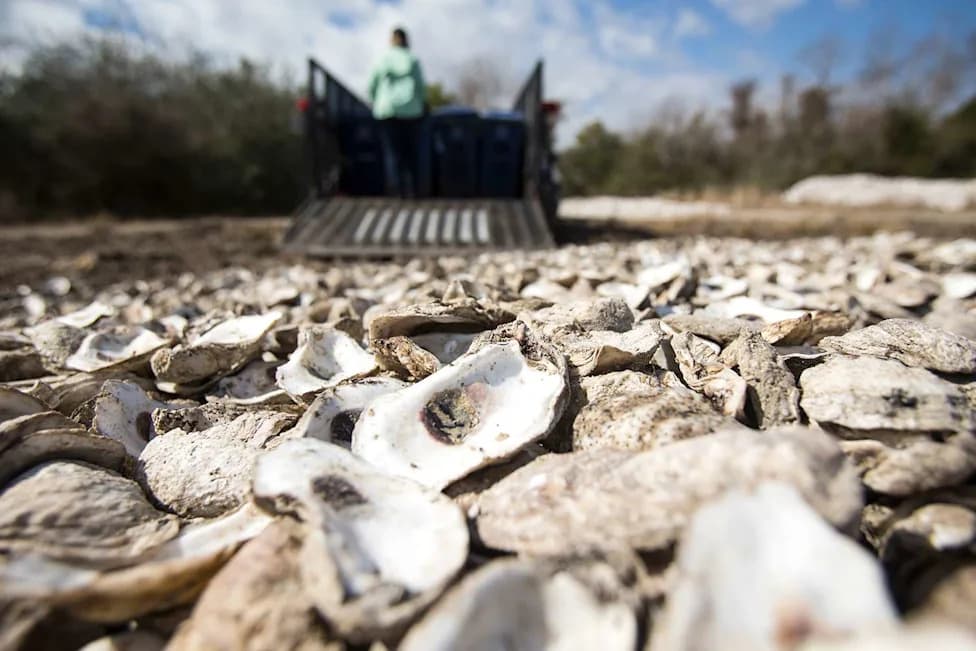
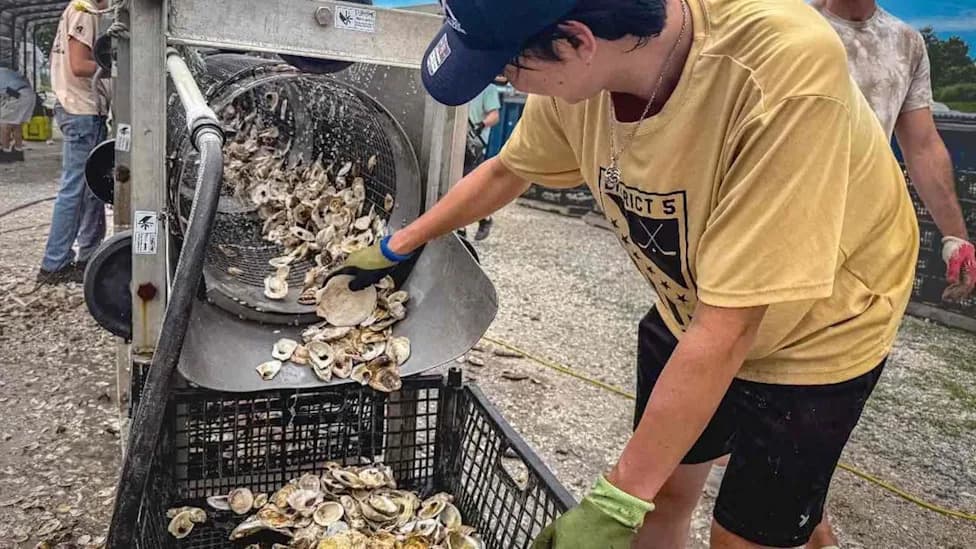
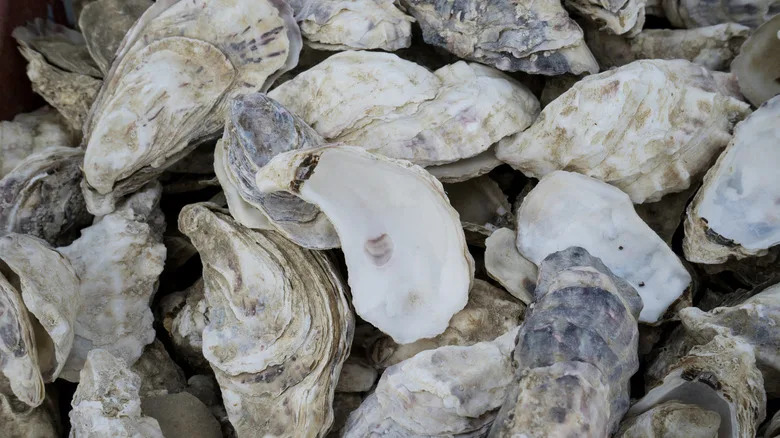
Between 2007 and 2024, researchers deposited more than 500,000 oyster and clam shells off Florida’s coast. The shells came from restaurants and seafood processors and were placed deliberately to accelerate habitat recovery in areas devastated by increasingly intense storms and the 2010 Deepwater Horizon spill, which released hundreds of millions of gallons of oil and chemicals into the Gulf.
Florence Lasaga/Getty Images
Why Shells Help
The intervention looked slow to produce visible change at first, but the shells initiated several ecological processes that supported recovery. Microorganisms — bacteria, algae and single-celled life — formed a biofilm on shell surfaces. As shells eroded they released calcium and created small refuges for invertebrates, and their hard surfaces provided critical attachment points for juvenile oysters (spat) to settle and grow.
Oysters As Ecosystem Engineers
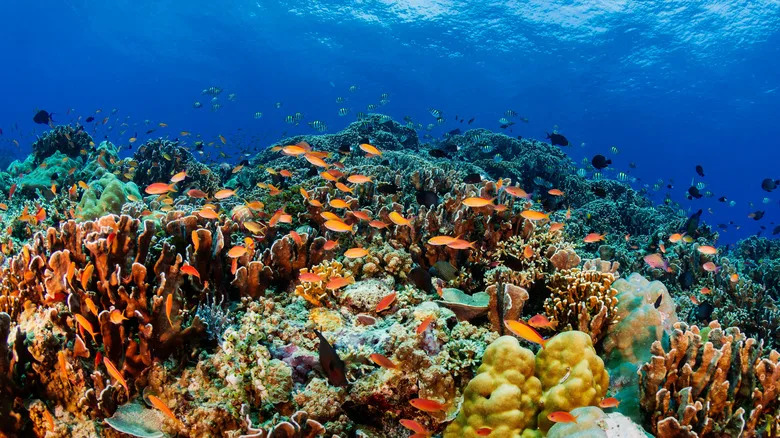
Oysters build reefs that become habitat for fish, crustaceans and many other species. A single oyster can filter roughly 50 gallons of water per day, improving local water quality and enabling aquatic plants and animals to thrive. Oyster reefs also help buffer shorelines by attenuating waves and reducing flood impacts during storms.
Richard Whitcombe/Shutterstock
Ecological Outcomes
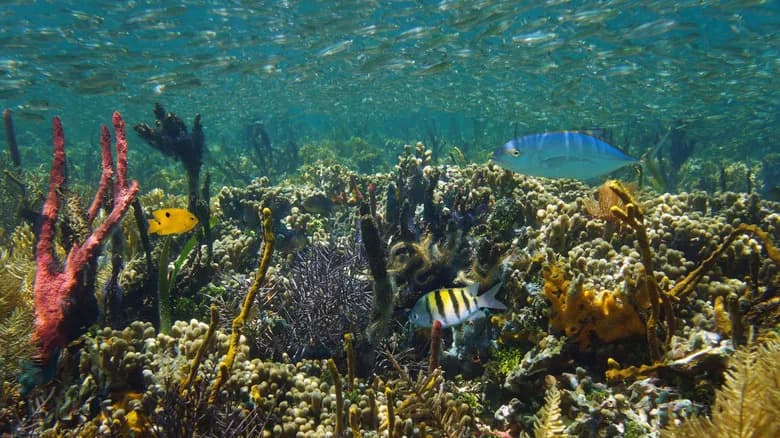
Scientists estimate that about 90% of historical oyster reefs have been lost, so restoration is critical. In the Florida sites, the added shells helped reefs re-establish and supported broader food-web recovery. Observers report increases in species such as sea turtles and dolphins to levels not seen in parts of the Gulf for more than 25 years, indicating meaningful ecosystem improvement.
Broader Influence and Related Innovations
The Florida results encouraged similar projects across the Gulf Coast (Mississippi, Alabama) and larger restoration programs in the Chesapeake Bay, where NOAA and partners have restored nearly 2,000 acres of oyster habitat in recent years. Other inventive conservation methods have shown promise too: researchers in the Netherlands installed underwater "Biohuts" beneath a floating solar farm that have developed into micro-ecosystems, while studies suggest underwater speakers can help attract fish to damaged coral areas.
Design And Waste Solutions
Industry-led solutions aim to reduce harm at the source. For example, a southern Florida brewery developed biodegradable, edible six-pack rings from brewing byproducts so wildlife can safely consume them instead of being harmed. Such creative reuse of organic waste and product redesign complements active habitat restoration as part of a broader approach to marine conservation.
Bottom line: When carefully planned and monitored, returning discarded shells to the sea can kick-start natural recovery processes, rebuild oyster reefs, improve water quality and boost biodiversity — but such projects must be managed to avoid unintended impacts.
Help us improve.