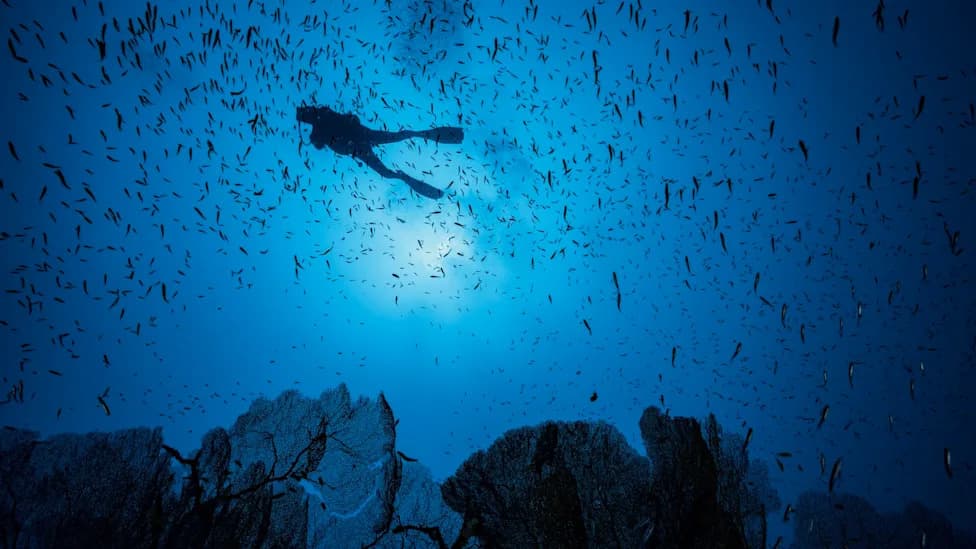
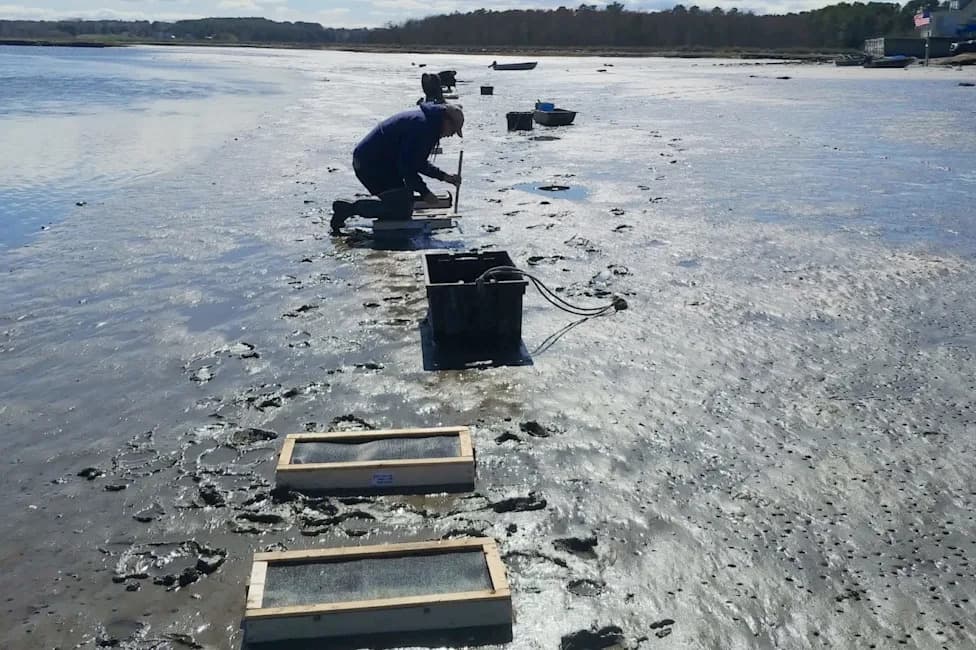
A University of Southampton study finds that eco‑moorings can significantly speed seagrass recovery in Studland Bay: trial sites saw bare patches shrink by 93.6% between 2021 and 2025. The research tracked 39 scarred seabed sites using sonar and satellite imagery and compared areas with eco‑moorings to sites with traditional chain moorings. Partners say the findings offer measurable evidence that practical conservation actions can restore habitat for protected seahorses and other marine life.
Eco‑Moorings Drive Rapid Recovery of Seahorse Seagrass in Studland Bay
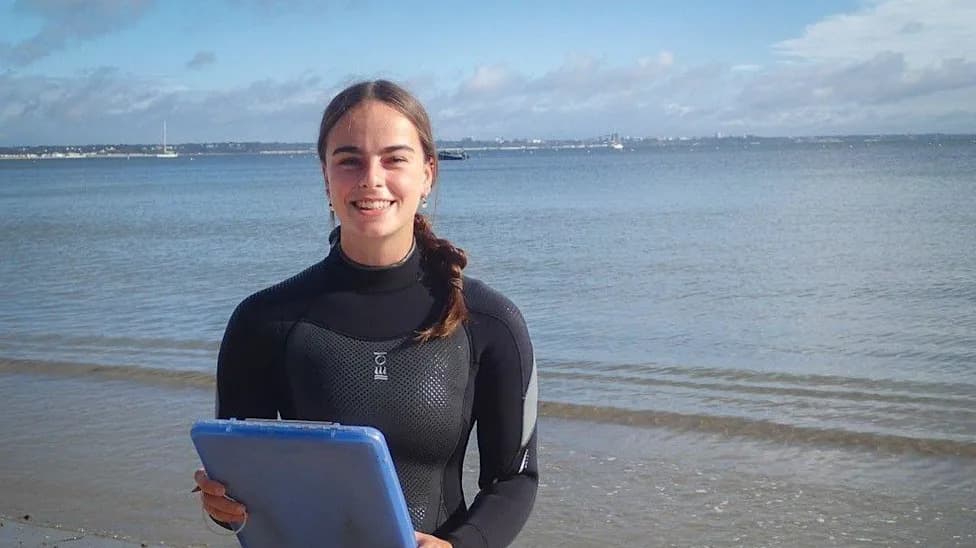
The research was carried out by Kira Dunn of Southampton University [Valerie Mather]
Scars in rare seahorse habitats off the Dorset coast are showing rapid recovery after the installation of eco‑moorings designed to prevent anchor damage to fragile seagrass meadows.
New Evidence of Recovery
A study led by MSc student Kira Dunn (University of Southampton) provides the first strong evidence that eco‑moorings can accelerate seagrass restoration. Using sonar surveys, historic satellite imagery and five years of monitoring, the research tracked recovery across 39 damaged seabed sites in Studland Bay.
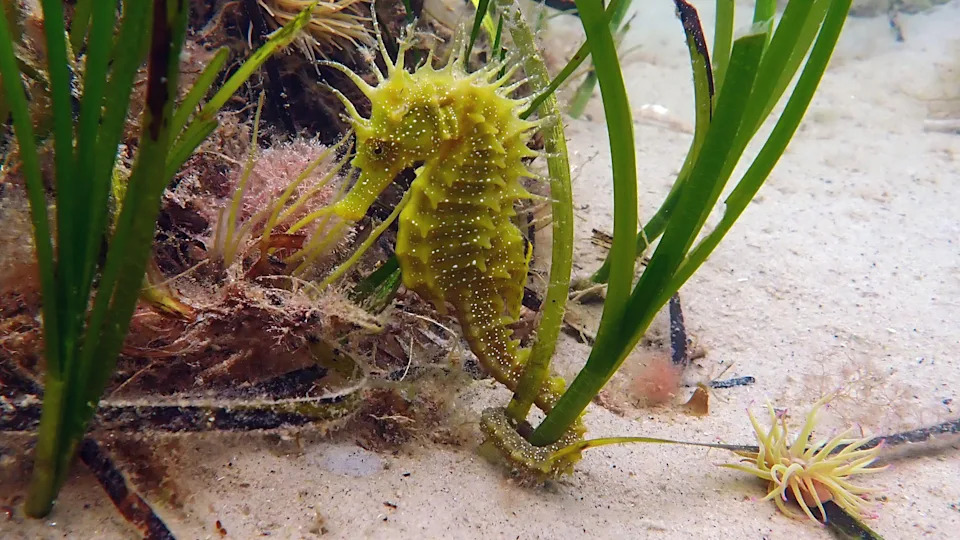
Studland Bay is home to protected spiny seahorses [Neil Garrick-Maidment/Seahorse Trust]
Key Findings
In the area where 10 trial eco‑moorings were installed in 2021, the average size of bare seagrass patches fell by 93.6% between 2021 and 2025 — a reduction equivalent to roughly 57 square metres per year. In contrast, a nearby area where traditional chain moorings remained until 2023 saw scars reduce by 65.4%, about 15.9 square metres per year.
“It's incredibly encouraging to see how quickly this important habitat can regenerate when given the opportunity.”
David Brown, chair of the Studland Bay Marine Partnership and lead ecologist for the National Trust, described the results as "incredibly exciting" and said the impact had exceeded expectations. Dr Ken Collins, who supervised the study, called Studland Bay a powerful example of how practical conservation measures can reverse habitat damage.
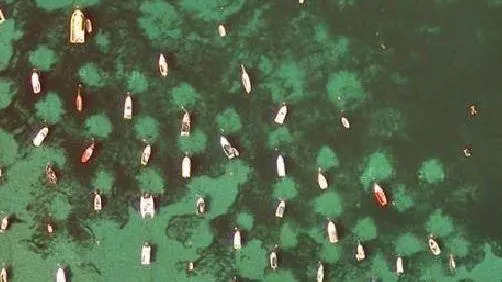
Traditional boat anchors cause damage to delicate seagrass [Seahorse Trust]
Why It Matters
Seagrass meadows store carbon, support rich marine biodiversity and help protect coastlines from erosion. Studland Bay contains one of the UK’s largest seagrass meadows and provides habitat for protected species including the spiny seahorse and the short‑snouted seahorse. The bay has been a Marine Conservation Zone since 2019 and became a voluntary no‑anchor zone in 2021.
Collaboration and Next Steps
The Studland Bay Marine Partnership brings together conservation charities, boating organisations, academics, statutory bodies, community groups and local businesses to restore the bay’s seagrass. Partners include Dorset Wildlife Trust, Natural England, the National Trust, the Seahorse Trust and the University of Southampton. Continued monitoring will help guide further eco‑mooring rollout and local management to protect and expand the recovering meadow.
Help us improve.