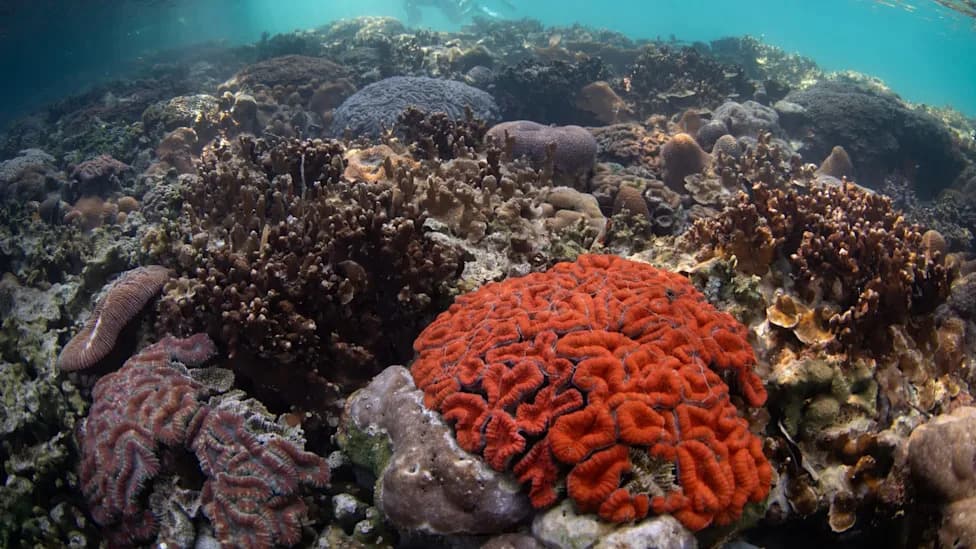
UNEP reports that recycled oyster shells dropped into Port Phillip Bay are part of the Shellfish Reef Rebuilding Program, which has restored 62 hectares of reef at 21 sites. Researchers say the rebuilt habitat is boosting fish stocks by about 50 tonnes per year and supporting roughly 250 species compared with 175 in nearby areas. Restored reefs can filter up to 125 billion liters of seawater annually and remove up to 14 tonnes of nutrient pollution, while the program aims to reach 300 hectares across 60 locations by 2030.
Australia Recycles 150,000 Wheelbarrows Of Oyster Shells To Rebuild Reefs — Fish And Water Quality Bounce Back
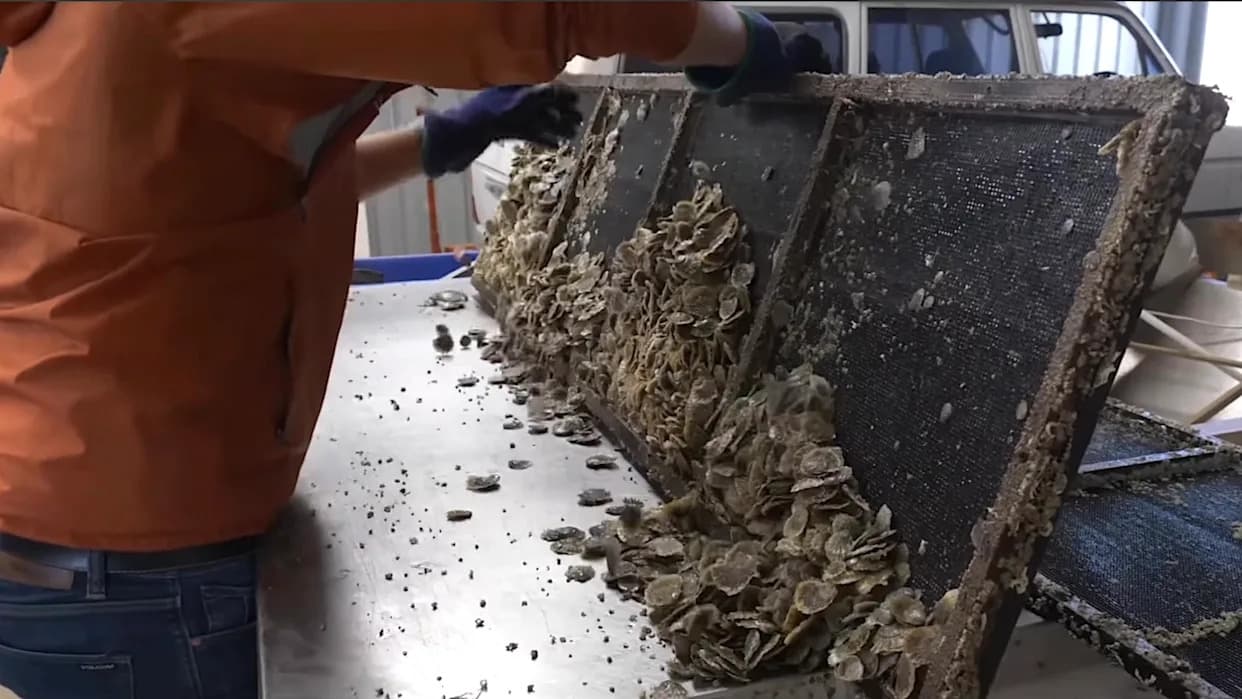
Photo Credit: United Nations Environment Programme
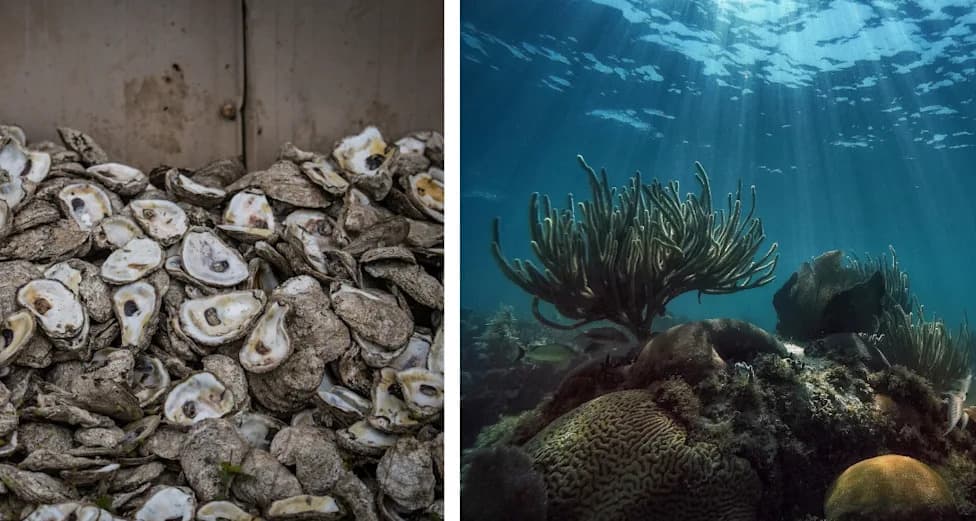
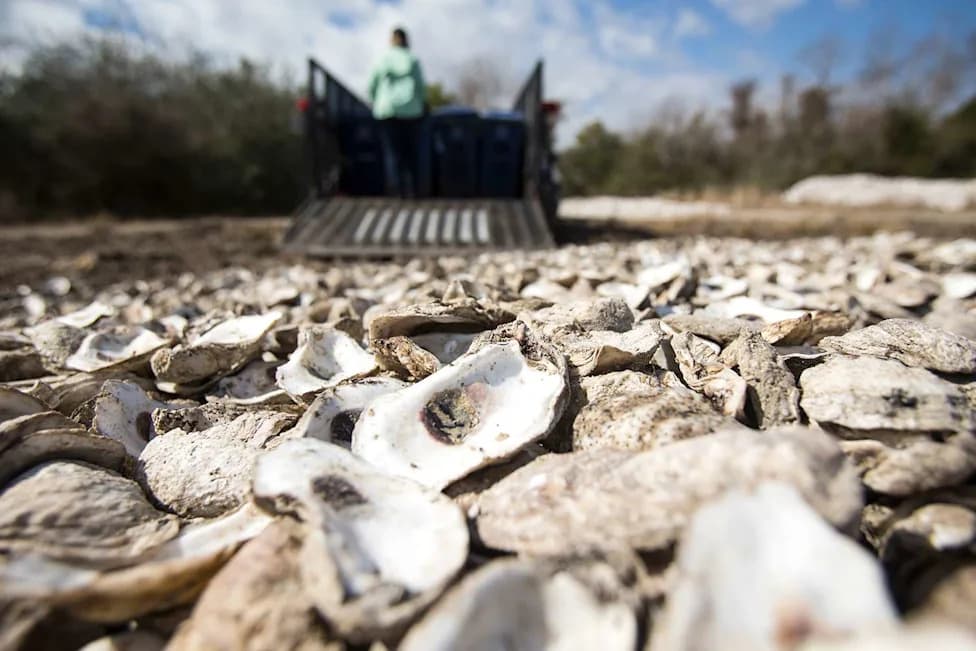
Oyster shells deposited into Port Phillip Bay are being reused to rebuild shellfish reefs that once covered Australia’s bays and estuaries — and the results are arriving fast. According to the United Nations Environment Programme (UNEP), the Shellfish Reef Rebuilding Program has already restored 62 hectares (about 150 acres) of reef across 21 sites, and researchers report clear ecological and community benefits.
How Shell Drops Rebuild Habitat
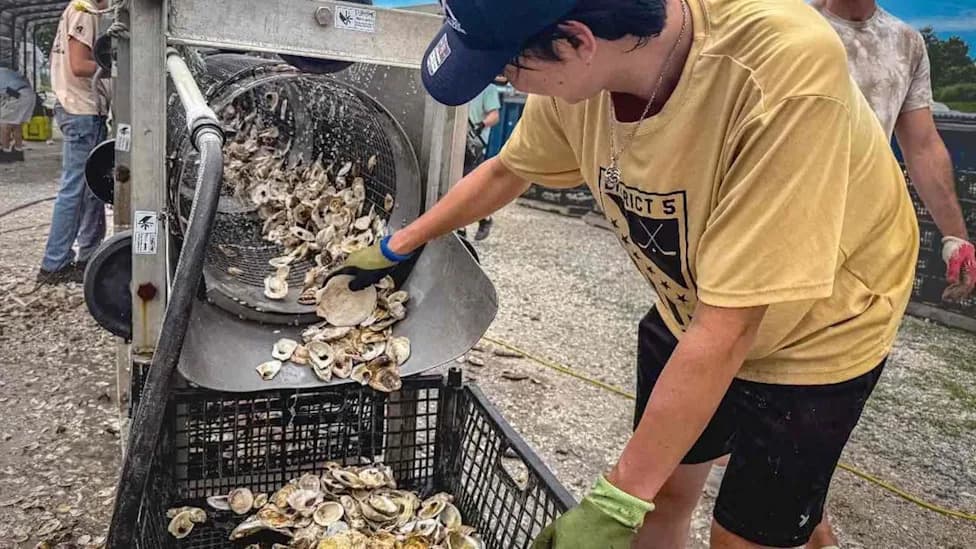
Conservation teams place rock and recycled oyster and mussel shells on the seafloor to create a stable foundation. The material settles over rubble to form a hard surface where juvenile shellfish can attach, grow and rebuild reef structure. Over time, these restored reefs provide food, shelter and breeding habitat for many species.
What we're really doing is kick-starting that recovery process. Since 2014, we've recycled about 150,000 wheelbarrows of shells.
— Simon Branigan, Marine Restoration Lead, The Nature Conservancy Australia
UNEP reports the program aims to scale to 300 hectares (more than 700 acres) across 60 locations by 2030. If achieved, Australia could become the first country to restore a critically endangered marine ecosystem at this scale.
Early Results: More Fish, More Species, Cleaner Water
Researchers estimate the restored reefs are increasing fish stocks by roughly 50 tonnes (about 110,000 pounds) per year. Surveys have recorded about 250 species of fish and mobile invertebrates — including crabs and sea stars — on restored reefs, compared with about 175 species in nearby un-restored areas.
The reefs also improve local water quality: UNEP says restored shellfish reefs can filter up to 125 billion liters of seawater annually and remove as much as 14 tonnes of nutrient pollution, which helps reduce the risk of harmful algal blooms.
Benefits For Communities And The Economy
Beyond ecological gains, the recovery effort supports coastal communities by strengthening fisheries, boosting ecotourism, improving water clarity, and helping shorelines become more resilient to erosion and extreme events. UNEP estimates the project could create thousands of jobs, support hundreds of local businesses, and deliver nearly 14 million Australian dollars (about US$10 million) in ongoing annual benefits.
They may not be as famous as Australia's Great Barrier Reef, but these ecosystems are just as important for maintaining the health of our oceans. This initiative shows that when nature is given a helping hand, it can come roaring back, for its own sake and for ours.
— Natalia Alekseeva, United Nations Environment Programme
As the program expands toward its 2030 goal, scientists and communities are tracking ecological responses and economic outcomes. Early signs suggest that relatively simple, low-cost interventions — like recycling shells — can deliver measurable benefits for marine life and people.
Help us improve.