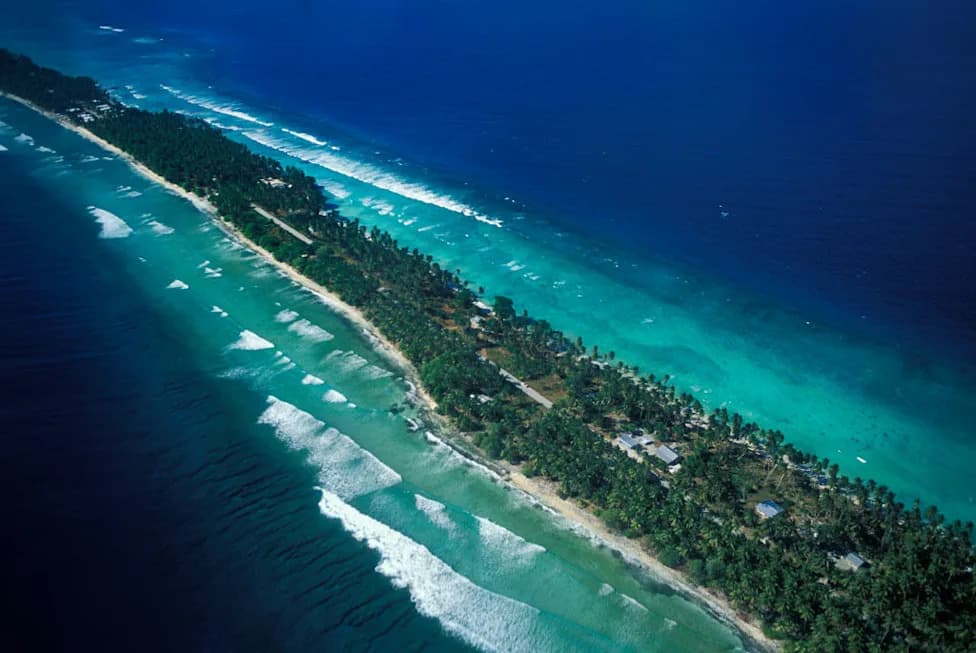
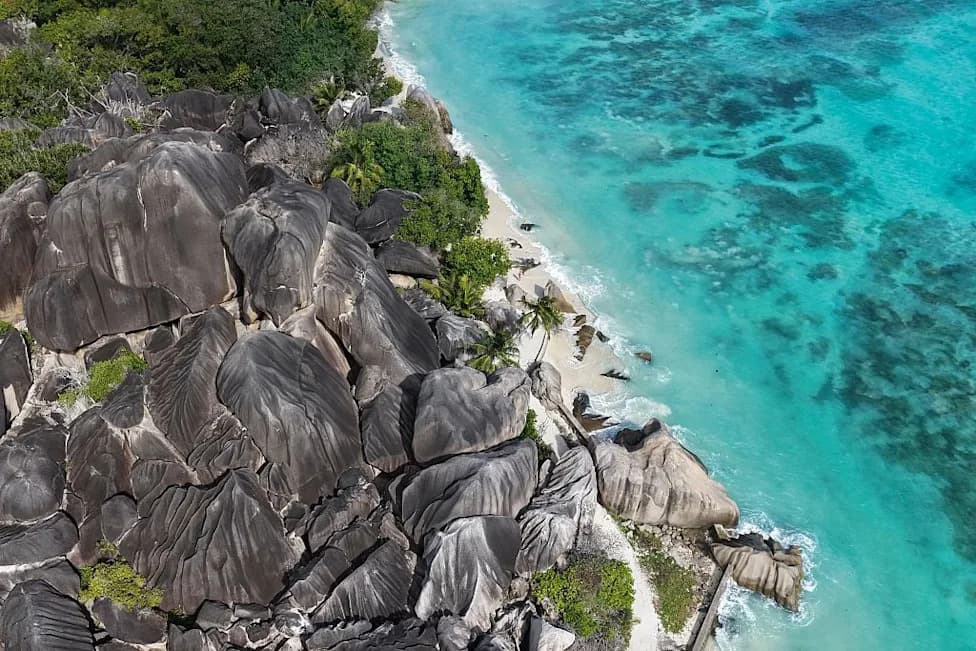
Tuvalu — nine low-lying coral atolls in the Pacific home to roughly 11,000 people — is confronting accelerating sea-level rise that threatens to make the nation uninhabitable within decades. NASA projects an order-of-magnitude increase in flooding by 2050 and warns Tuvalu could face more than 100 days of flooding per year by the century’s end without additional protections. Saltwater intrusion, coastal erosion and king tides already damage freshwater supplies, homes and infrastructure. The government is pursuing bold adaptation projects while some residents consider migration pathways to countries such as Australia.
Inside Tuvalu — The ‘Least-Visited’ Nation That Could Disappear Within 50 Years
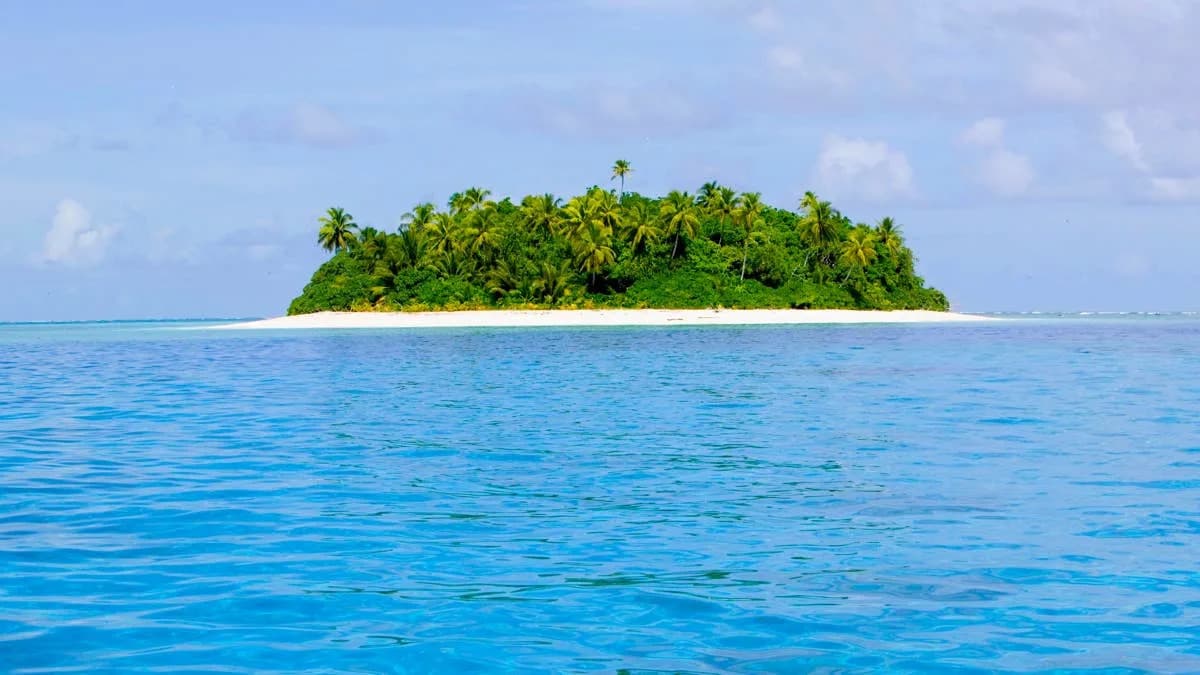
For many surfers the ocean symbolizes life; for the Pacific atoll nation of Tuvalu it has become an urgent existential threat.
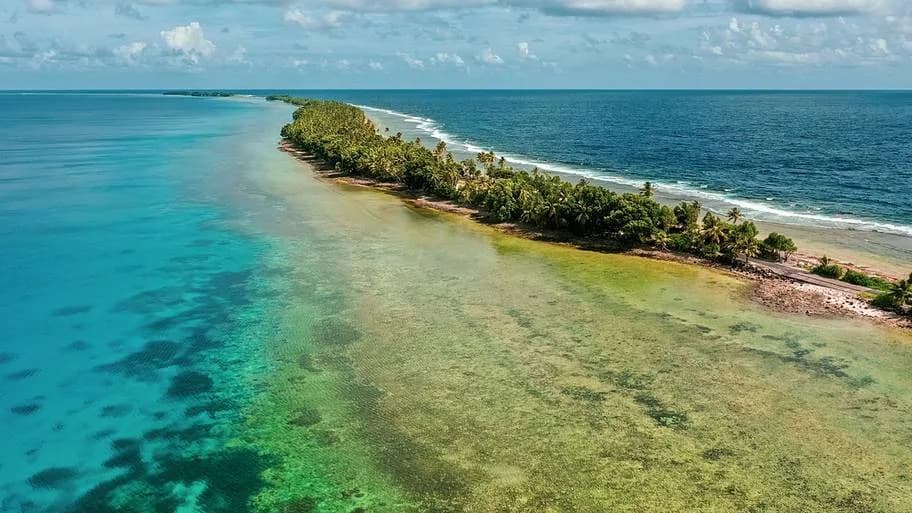
A new video documenting conditions across this tiny country offers a stark look at what scientists call the frontline of sea-level rise. Tuvalu is made up of nine low-lying coral atolls scattered across the Pacific, and most of the land rises only a few feet (or metres) above sea level.
Rising Seas, Real Consequences
According to NASA, "By 2050, Tuvalu could see an order of magnitude increase in the amount of flooding that occurs relative to the past decade." The agency warns that beyond 2050, continued sea-level rise will substantially increase the frequency and severity of episodic flooding during the 21st century.
NASA: "Across all future scenarios and under the assumption of no additional protections, Tuvalu will likely experience more than 100 days of flooding every year by the end of the century."
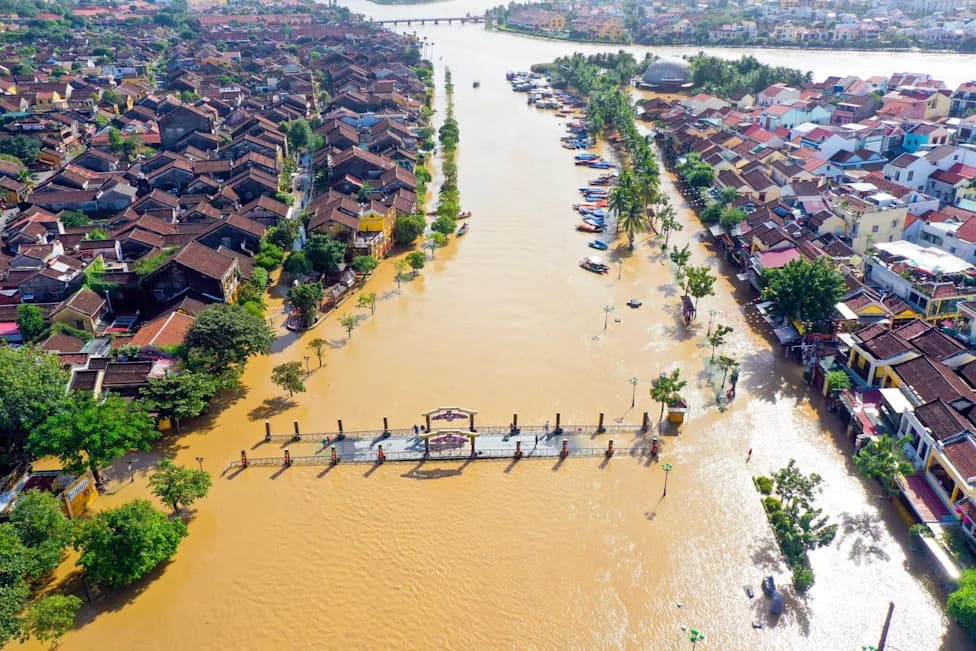
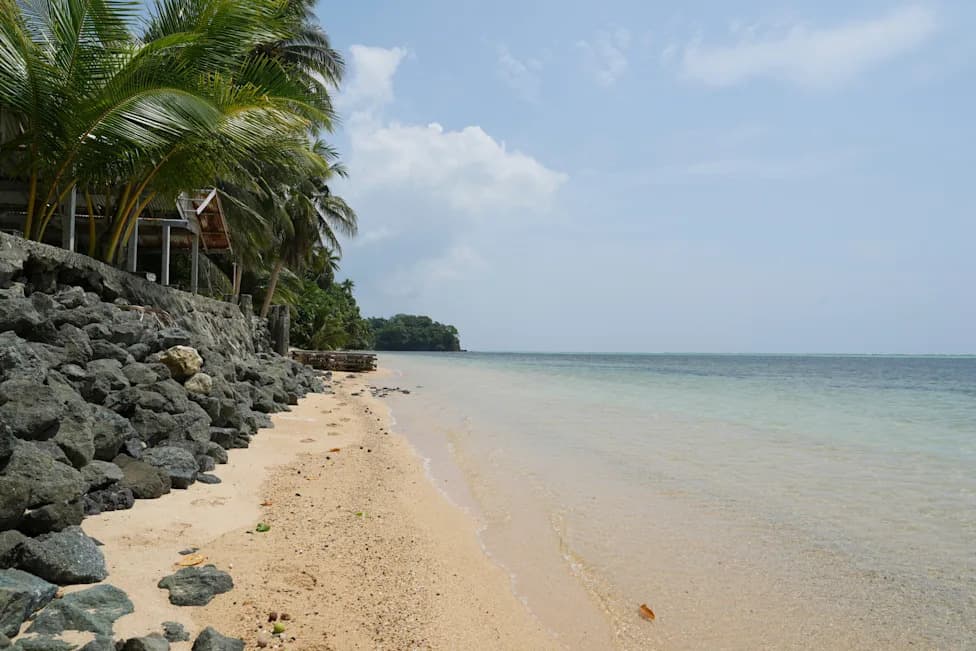
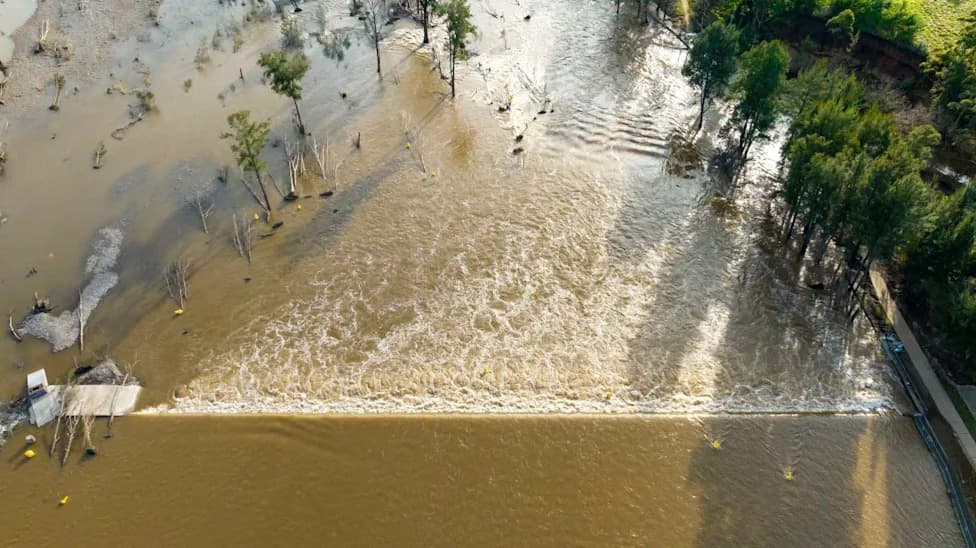
The impacts are already visible: saltwater intrusion is contaminating freshwater lenses, coastal erosion is eating into shorelines, and stronger king tides regularly flood roads, homes and essential infrastructure. With roughly 11,000 residents and virtually no higher ground, the options for internal retreat are extremely limited.
Adaptation, Migration, and Local Resolve
Tuvalu's government has launched ambitious adaptation efforts, including plans to build raised, flood-resistant land, reinforce coastal defenses and use advanced mapping and modeling to plan island-specific responses. At the same time, some citizens are preparing to move: under a climate agreement with Australia, Tuvaluans can apply to a special migration pathway, and thousands have reportedly expressed interest.
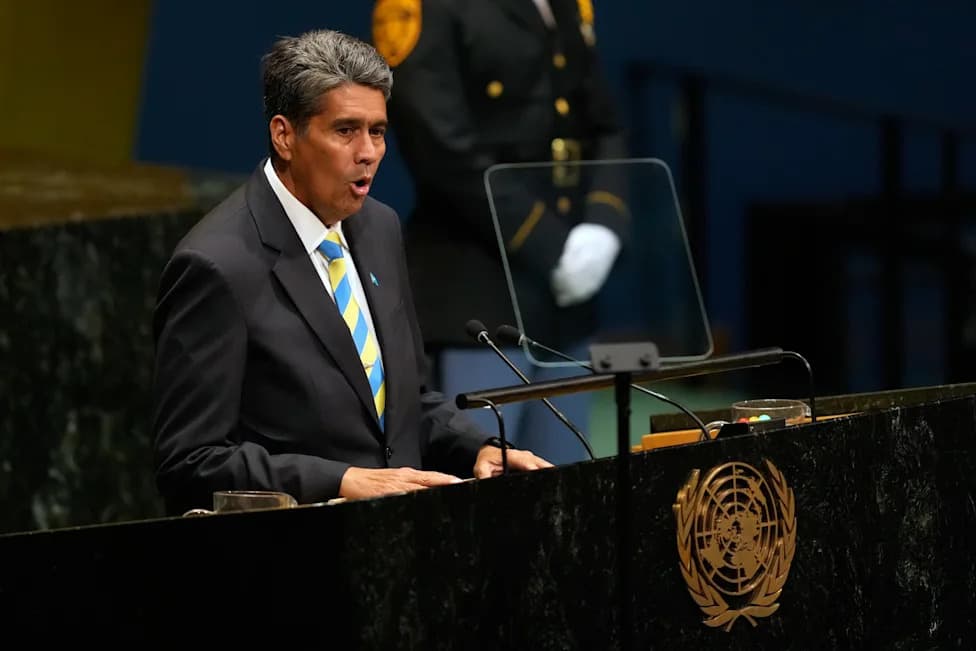
Despite the challenges, many residents are determined to stay. Prime Minister Feleti Teo summarized the stakes bluntly: "If the rise in sea level is not arrested, then the forecast for Tuvalu is quite doomed." Years earlier, Tuvalu's foreign minister made an emblematic statement standing knee-deep in seawater: "We will not stand idly by as the water rises around us." For Tuvalu, that line has been both literal and urgent.
What To Watch
How adaptation projects perform, the pace of global sea-level rise, and the availability of migration options will shape Tuvalu’s future. The nation’s situation is a vivid example of the immediate human dimensions of climate change and the difficult choices small island states now face.
Help us improve.