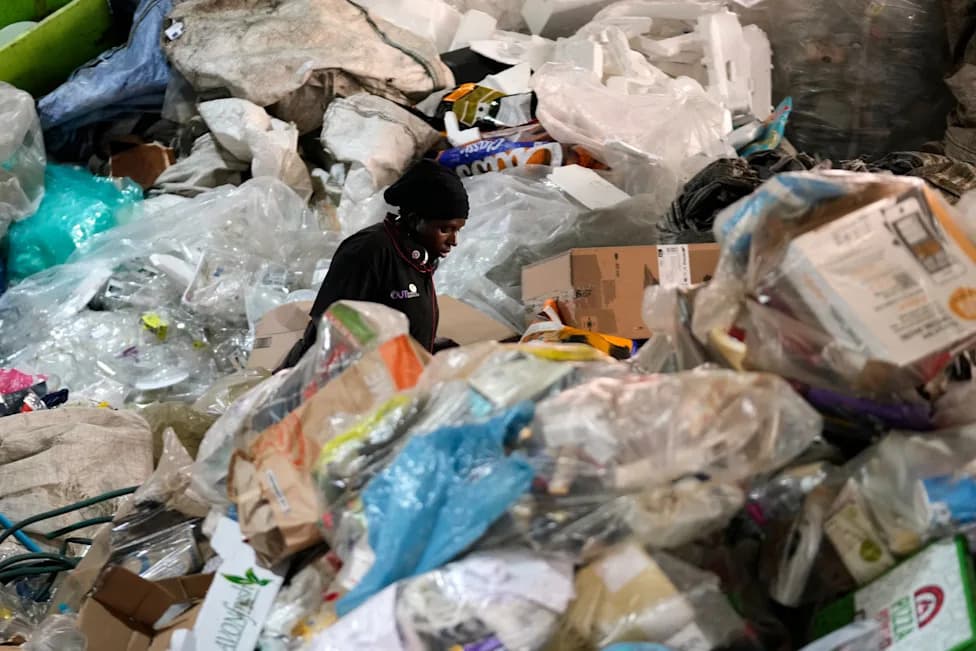
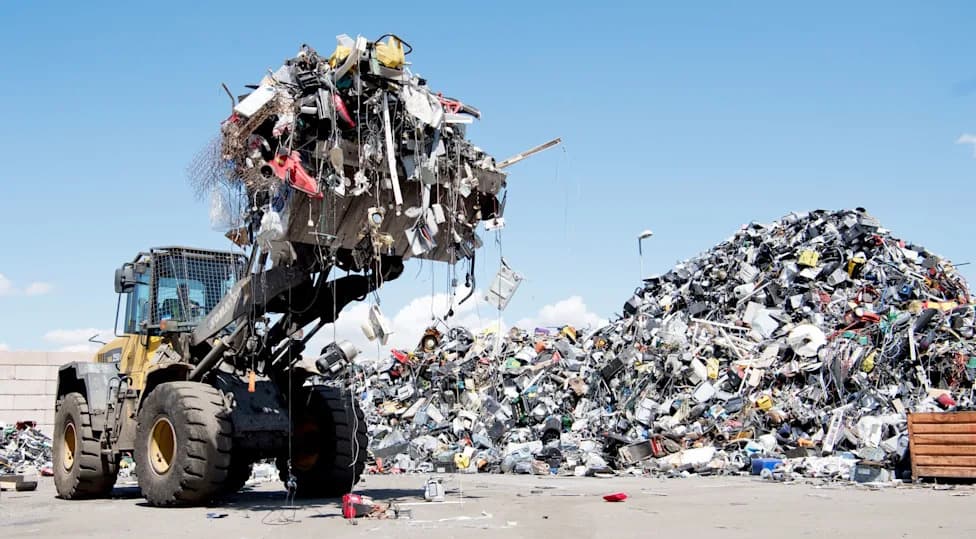
Nigeria is overwhelmed by used electronics imported from wealthy countries, many arriving damaged or near end-of-life and worsening a regional e-waste crisis. About 60,000 tonnes of used devices enter Nigeria annually, with at least 15,700 tonnes damaged on arrival, according to UN figures. Informal recycling exposes workers and communities to toxic substances, while regulatory loopholes, mislabelling and economic pressures keep the trade profitable. Experts call for stronger border checks, producer responsibility and formal recycling systems to halt the flow.
“Truly Junk”: How Rich Nations’ E‑Waste Floods Nigerian Markets and Harms Communities
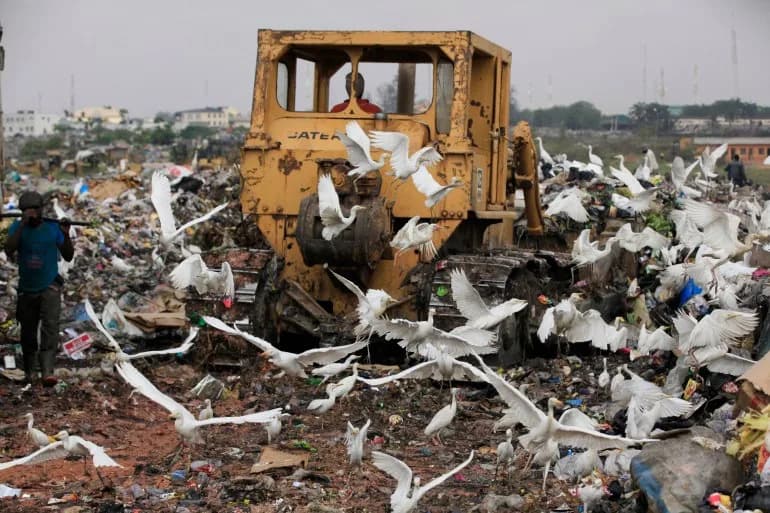
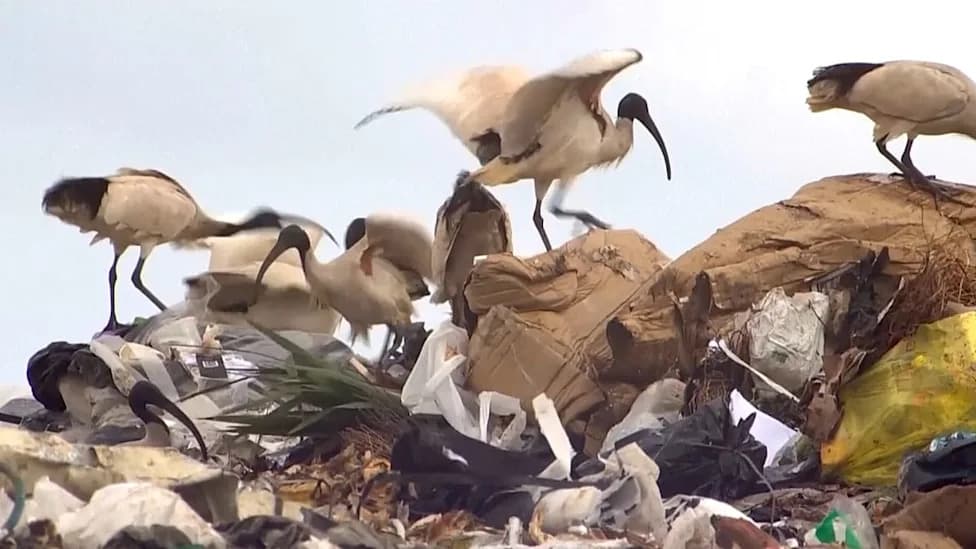
A man sorts out iron and plastic to sell while a bulldozer clears the garbage and birds surround it in a dump site in Lagos, Nigeria [File: Sunday Alamba/AP]
On a crowded morning at Sabon Gari Market in Kano, 34-year-old cleaner Marian Shammah bought a second-hand refrigerator for 50,000 naira ($36). Within a month the freezer failed, spoiling food and wiping out savings. Like millions of Nigerians, Shammah had chosen an imported used appliance believing it would outlast cheaper local alternatives — a faith that often ends in loss.
Scale of the Problem
Nigeria has become a major destination for discarded electronics from wealthier countries. United Nations data indicate about 60,000 tonnes of used electrical and electronic equipment enter Nigeria through major ports each year, with at least 15,700 tonnes already damaged on arrival. Tracking studies show more than 85% of these imports come from Germany, the United Kingdom, Belgium, the Netherlands, Spain, China, the United States and Ireland.
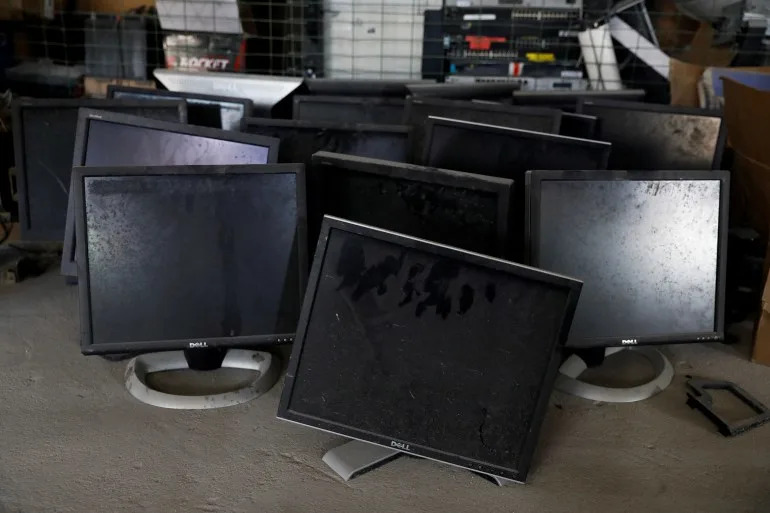
Old computer monitors discarded as electronic waste are pictured at a recycling facility in Lagos, Nigeria [File: Temilade Adelaja/Reuters]
Health and Environmental Harms
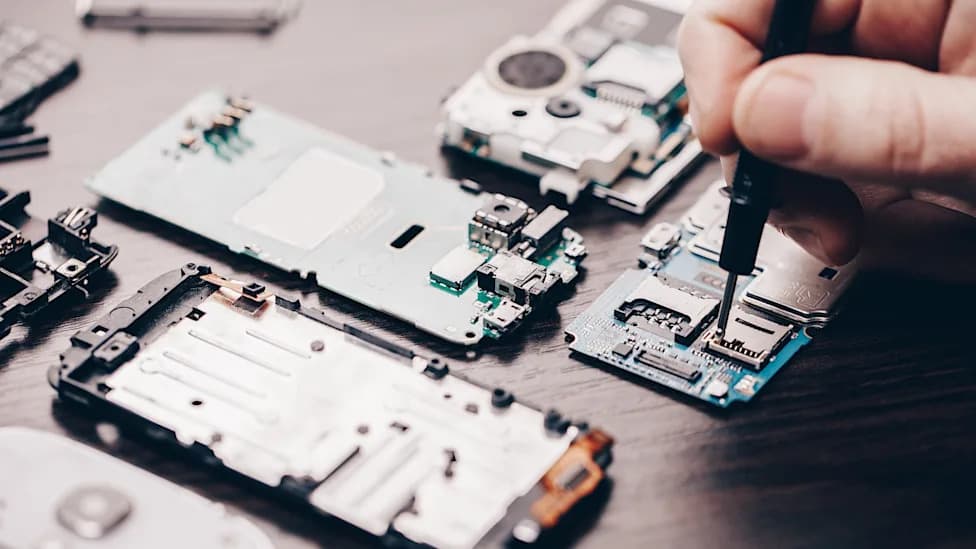
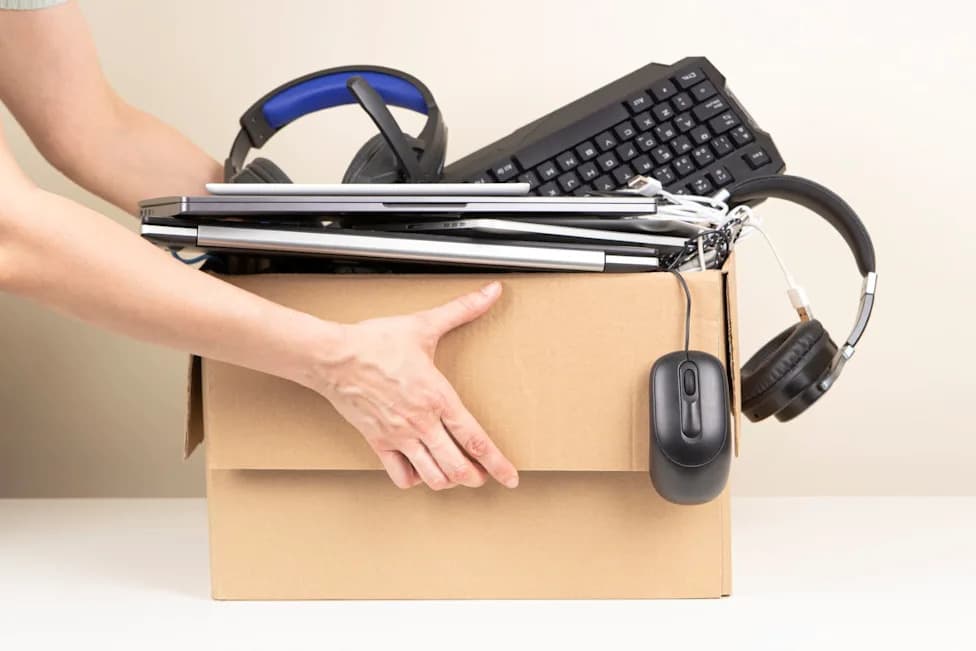
Many imported appliances contain hazardous substances. Refrigerators and air conditioners can still hold banned CFC and HCFC refrigerants such as R-12 and R-22, which persist for decades and contribute to ozone depletion and long-term environmental contamination. The United Nations defines e-waste as discarded devices with batteries or plugs that contain toxic materials such as mercury, several of which feature on the World Health Organization’s list of chemicals of major public health concern.
When these items fail, informal recyclers often dismantle and burn parts without protective equipment. Al Jazeera’s reporting and local studies document workers in Kano inhaling toxic fumes and handling heavy metals with bare hands — earning roughly 3,500–14,000 naira ($2.50–$10) per week — and suffering chronic coughing, chest pain, headaches, eye irritation and breathing difficulties. Health surveys published in the International Journal of Environmental Research and Public Health link community symptoms (including neurological problems and increased miscarriage reports) to long-term toxic exposure.
Umar Abdullahi’s second-hand electronics shop in Kano, Nigeria [Abdulwaheed Sofiullahi/Al Jazeera]
Why the Trade Persists
Demand for cheap household goods drives the market. Sellers market imports as sturdier “foreign-used” items, and many buyers accept the risk because brand-new appliances are unaffordable. Traders and importers speak openly about buying and selling goods "as is" — often untested — to protect margins.
Exporters and brokers exploit regulatory loopholes by labelling shipments as "personal effects" or "for repair," reducing inspection at ports. Observers say mislabelling, weak inspection technology and corruption further undermine enforcement. The Basel Convention restricts hazardous waste shipments, but violations continue when functioning items are indistinguishable from near-end-of-life goods.
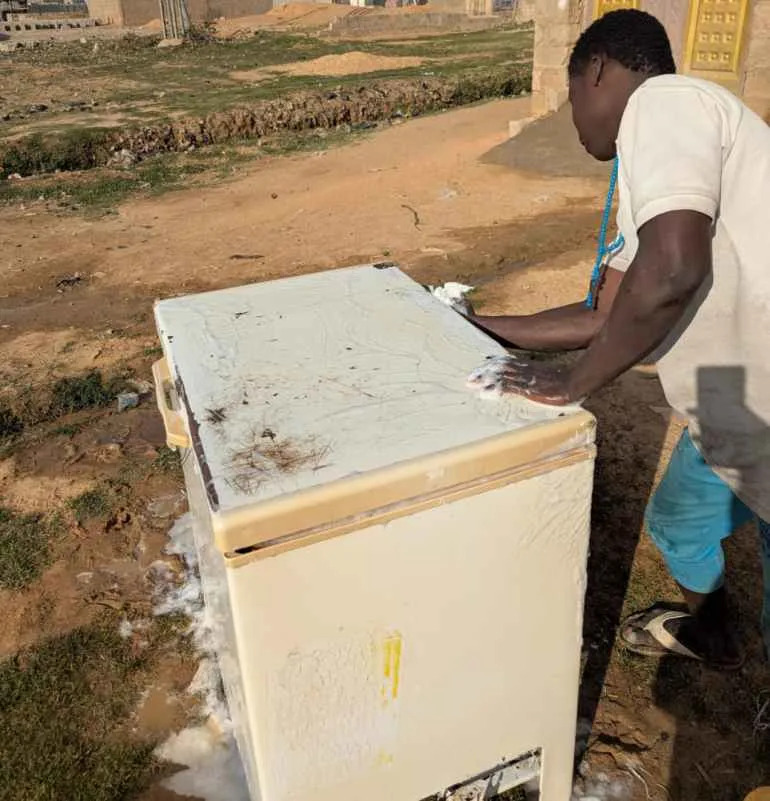
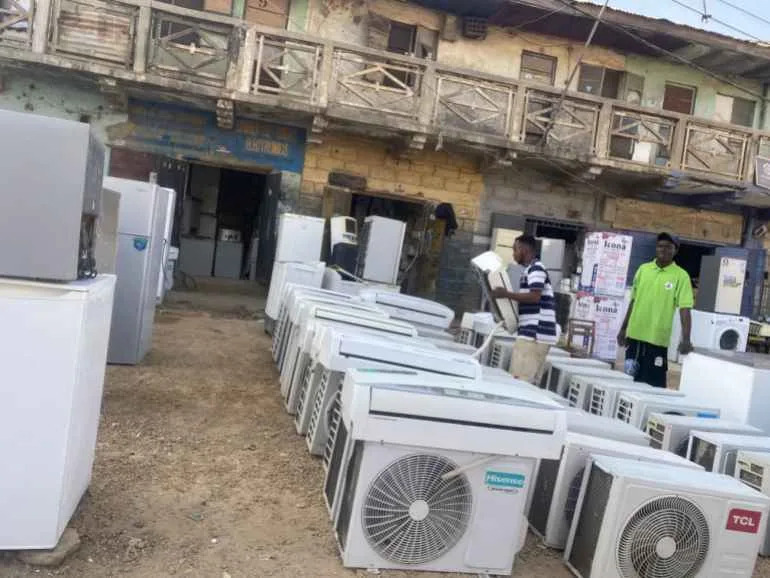
Baban Ladan Issa’s worker washes a second-hand fridge before selling it to a customer [Abdulwaheed Sofiullahi/Al Jazeera]
Evidence From Research and Authorities
Regional estimates from the Basel Convention’s E-Waste Africa Programme suggest West Africa (including Benin, Ivory Coast, Ghana, Liberia and Nigeria) generates between 650,000 and 1,000,000 tonnes of e-waste annually, much attributed to short-lived imports. Field assessments by Nigeria’s Federal University Dutse report rising heavy-metal levels in soils and drainage channels around Kano. NESREA — Nigeria’s environmental regulator — says used electronics imports are permitted only when equipment meets functionality and compliance requirements, but enforcement gaps remain.
Responses and Solutions
Experts and NGOs call for several interventions:
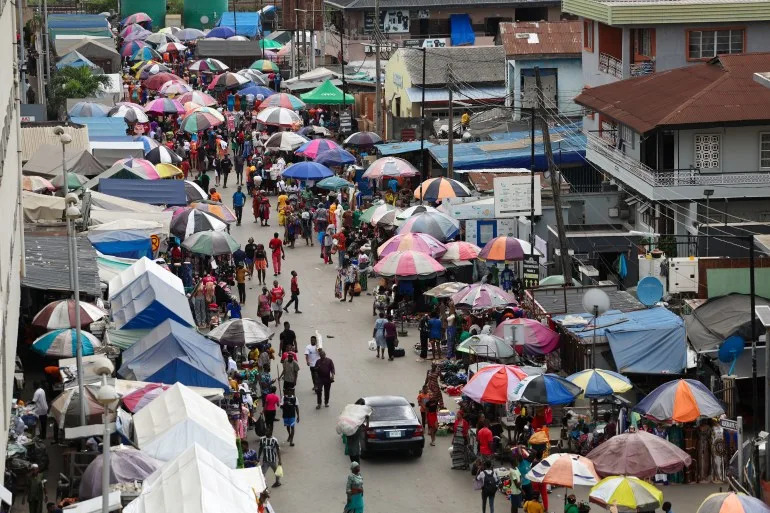
People shop at a market in Nigeria [File: Sodiq Adelakun/Reuters]
- Stronger border inspections and improved port detection technology to prevent mislabelled hazardous shipments;
- Mandatory certification and warranties for used-electronics imports to protect buyers;
- Extended producer responsibility so manufacturers share the cost of safe disposal and recycling;
- Investment in safe, formal recycling facilities and worker protections to replace hazardous informal practices;
- Binding international measures to stop the export of hazardous e-waste to countries with weaker safeguards.
What Consumers Can Do
For buyers in markets like Sabon Gari: ask for proof of functionality, request short-term guarantees where possible, and prefer certified sellers. Policymakers and civil-society groups should push for clearer regulation, improved inspections and public awareness campaigns about the risks of unsafe e-waste.
“I don’t really trust these fairly used appliances again, but I still have to buy something because we need it at home,” Shammah said, capturing the difficult choices many families face.
Unless import controls, producer responsibility and safe recycling are enforced, the flow of ageing, toxic electronics will continue to threaten both people’s livelihoods and public health across Nigeria and the wider region.
Help us improve.