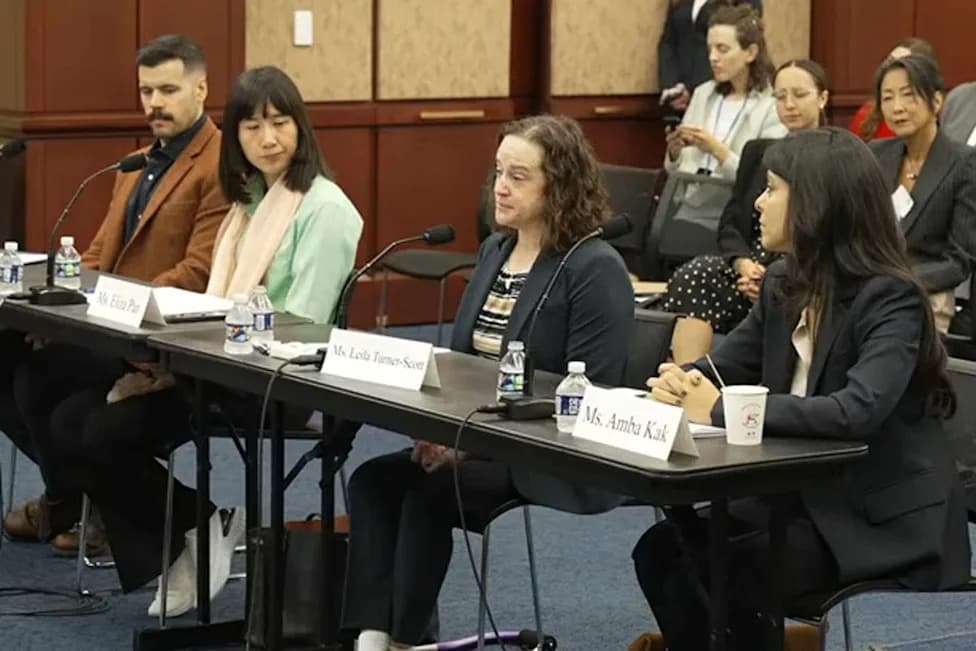
Lynne Loo turned a decade of research on abalone residues into a practical network that helps startups find markets for repurposed waste. Australia produces about 76 million tonnes of waste a year, much of which still goes to landfill. Innovators such as Matt Barber, who extracts cellulose from food waste, and Renergi, which uses thermal conversion to produce vinegar, biochar and oil, demonstrate scalable reuse pathways. ARENA funding is helping these projects expand in regional areas.
From Waste To Worth: How An Australian Scientist Turns Rubbish Into Resources
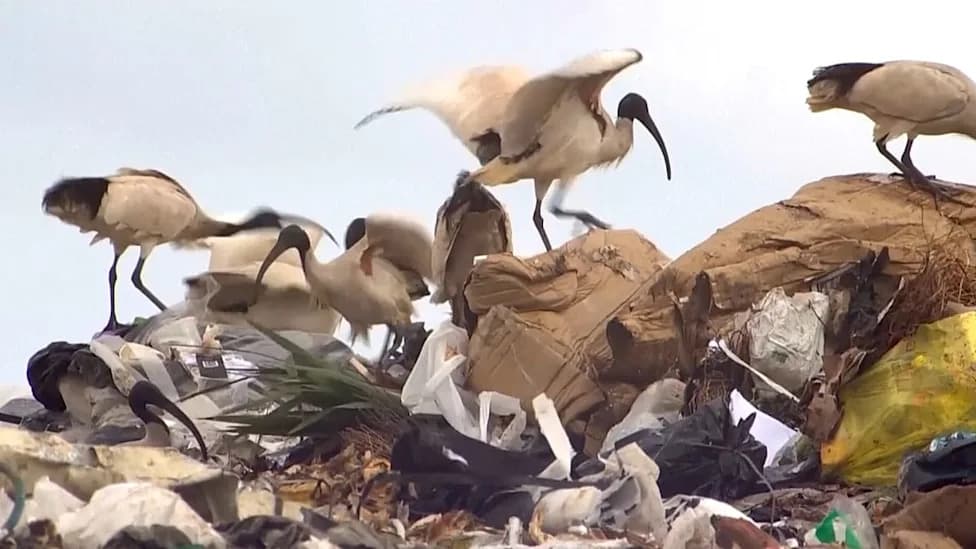
Most waste ends up in landfill. This scientist finds unexpected ways to give it a second life
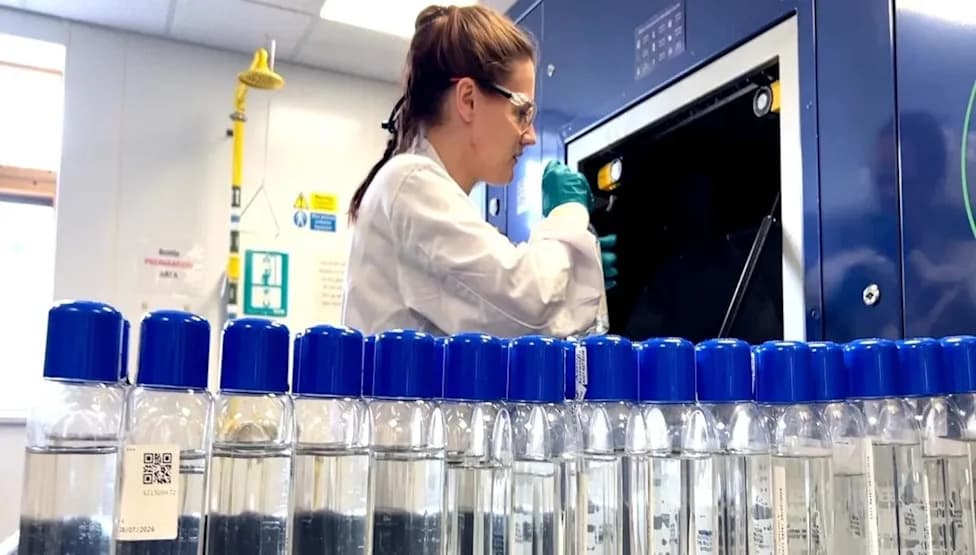
Ten years ago, academic Lynne Loo began investigating ways to repurpose industrial and household waste across Australia. What started as a study of residues from the abalone industry has grown into a practical mission: helping startups and regional facilities transform discarded materials into valuable products.
Turning Research Into Markets
Loo now acts as a connector and waste broker, matching innovators with supply streams and markets. Her work helps small teams take lab-scale ideas and develop viable business models for materials that would otherwise go to landfill.
Small-Scale Innovation: Cellulose From Food Waste
One example is Matt Barber, who operates a small home laboratory extracting pure cellulose from food waste. He explains how that cellulose can be processed into paper, leather-like materials, wood substitutes or even bioplastics.
"So, what I get is pure cellulose that comes out and then from there, I process that into other paper, leather or wood products. But it could be turned into a bioplastic. It can be turned into any uses. So you can, instead of growing a tree, which takes 75 years, you can grow this in a week," Barber says.
Barber runs the project alongside his day job and credits Loo with helping him find markets and partners.
Industrial Scale: Renergi’s Thermal Conversion In Collie
In Collie, Western Australia, Renergi uses thermal conversion technology to turn municipal and biomass waste into a range of products, including vinegar, biochar and oil. According to Deejay Parker of Renergi, the facility can process just under 30,000 tonnes of biomass waste per year plus about 4,000 tonnes per year of the town’s municipal solid waste.
"More than 70% of the material is recovered and transformed into new products," Parker says.
The biochar produced is already being used on fruit farms and at a local winery across southern Western Australia.
Support And Scale
The project has attracted funding from the Australian Renewable Energy Agency (ARENA), part of efforts to expand renewable and circular-economy technologies in regional areas. When operating at full capacity, the Collie facility is expected to become one of Australia’s largest producers in its field.
Why This Matters
Australia generates about 76 million tonnes of waste each year—roughly 2.9 tonnes per person—and a significant portion still ends up in landfill. Initiatives like Loo’s network, Barber’s cellulose processing and Renergi’s thermal conversion show practical, scalable alternatives that recover resources, create local jobs and reduce environmental harm.
Loo’s message: these examples prove it’s possible to reimagine waste as a feedstock for new products, even if skepticism remains.
Help us improve.